
Schelp, strombus gigas — History & Facts
In Schelp, strombus gigas, the viewer encounters the awakening of form and essence, a moment where the natural world whispers its secrets through a simple yet profound representation. Look closely at the large conch shell, its spiraled form drawing your gaze with rhythmic elegance. The play of light and shadow on its surface reveals intricate details, from delicate ridges to the smooth, polished areas that glisten softly. Surrounding the shell, the muted earth tones contrast against the vibrant hues of the background, creating a sense of depth and intimacy, inviting you to explore every curve and crevice. Amid the shell's beauty lies a deeper narrative of transience and allure.
The contrasting textures symbolize the dichotomy of the hard exterior and the delicate life it once harbored. This duality speaks of fleeting moments—an awakening in nature, a reminder of life’s ephemeral beauty. Each contour of the shell seems to echo the stillness of the sea, evoking the notion that life's true stories often lie beneath the surface, waiting for recognition. Wenceslaus Hollar created this work between 1644 and 1652, during a period marked by the artist's exploration of the natural world and the intricate details it offers.
Residing in England, Hollar was influenced by the Baroque style and the burgeoning interest in natural history. His meticulous attention to detail showcases not only his artistic skill but also a profound respect for the subjects he portrayed, bridging the gap between art and the natural sciences of his time.
More Artworks by Wenceslaus Hollar
Browse all →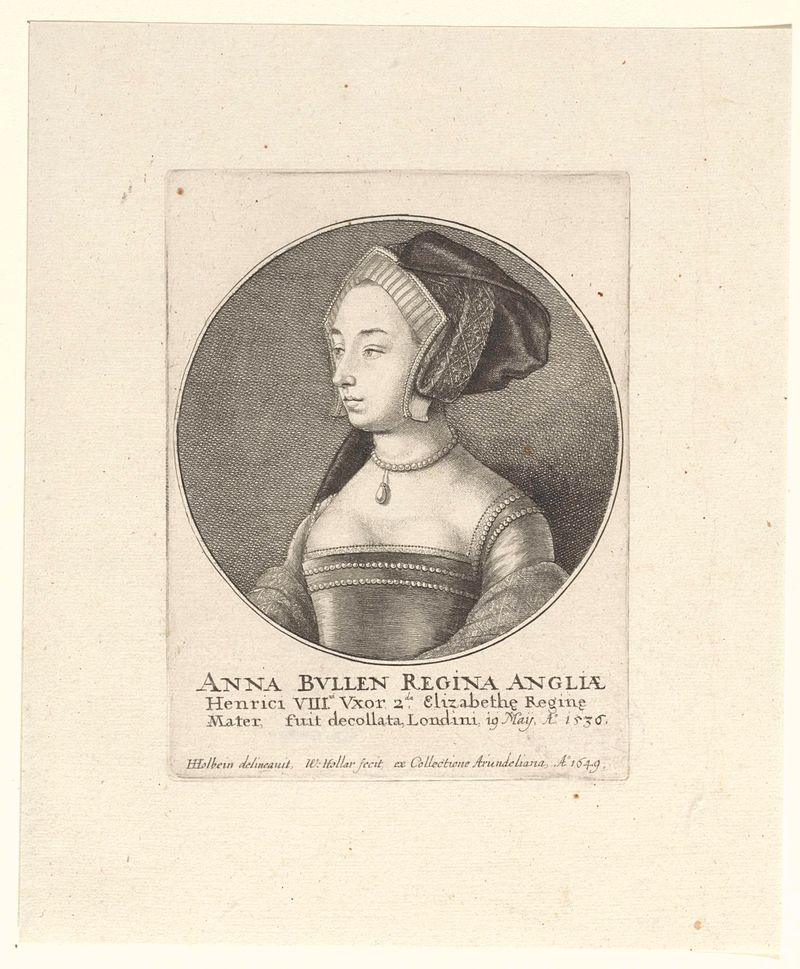
Portret van Anna Boleyn, koningin van Engeland
Wenceslaus Hollar
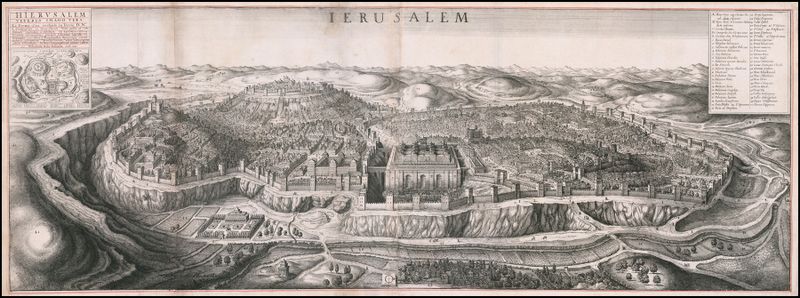
Bird’s eye view of Jerusalem
Wenceslaus Hollar
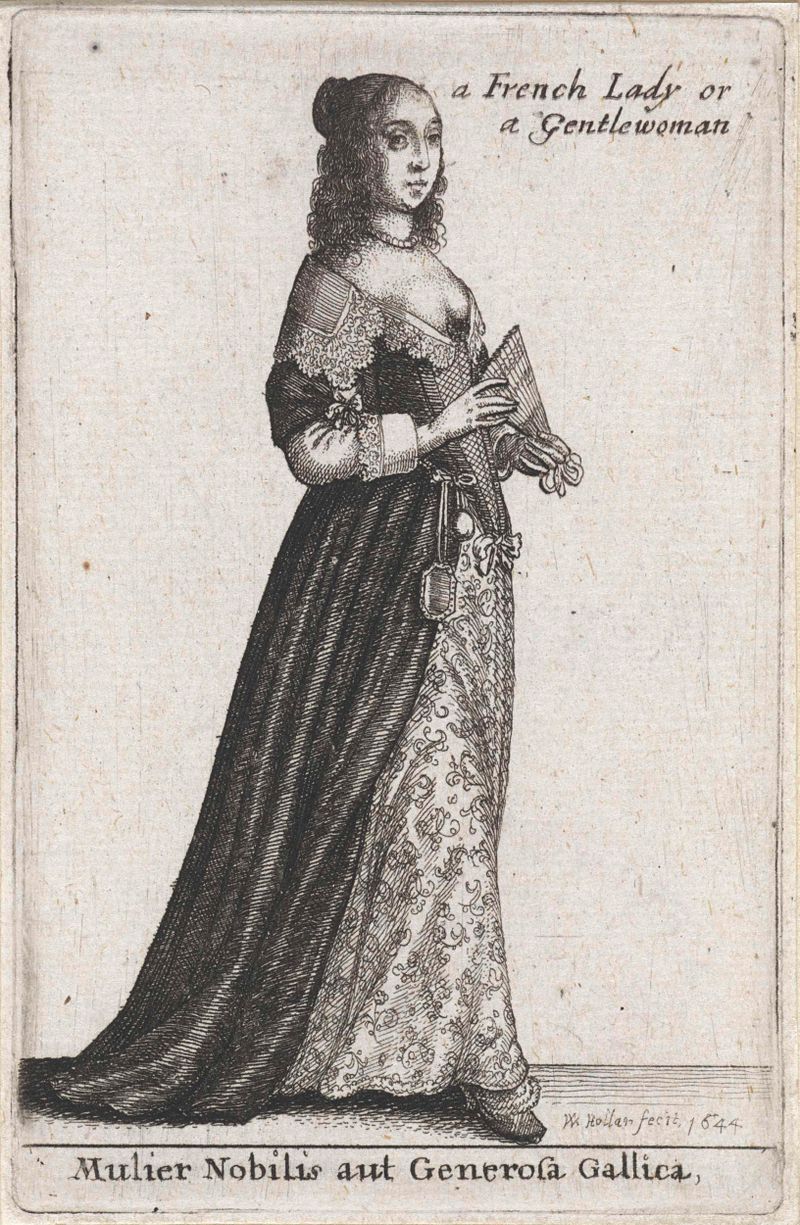
Mulier Nobilis aut Generosa Gallica / a French Lady or Gentlewoman
Wenceslaus Hollar
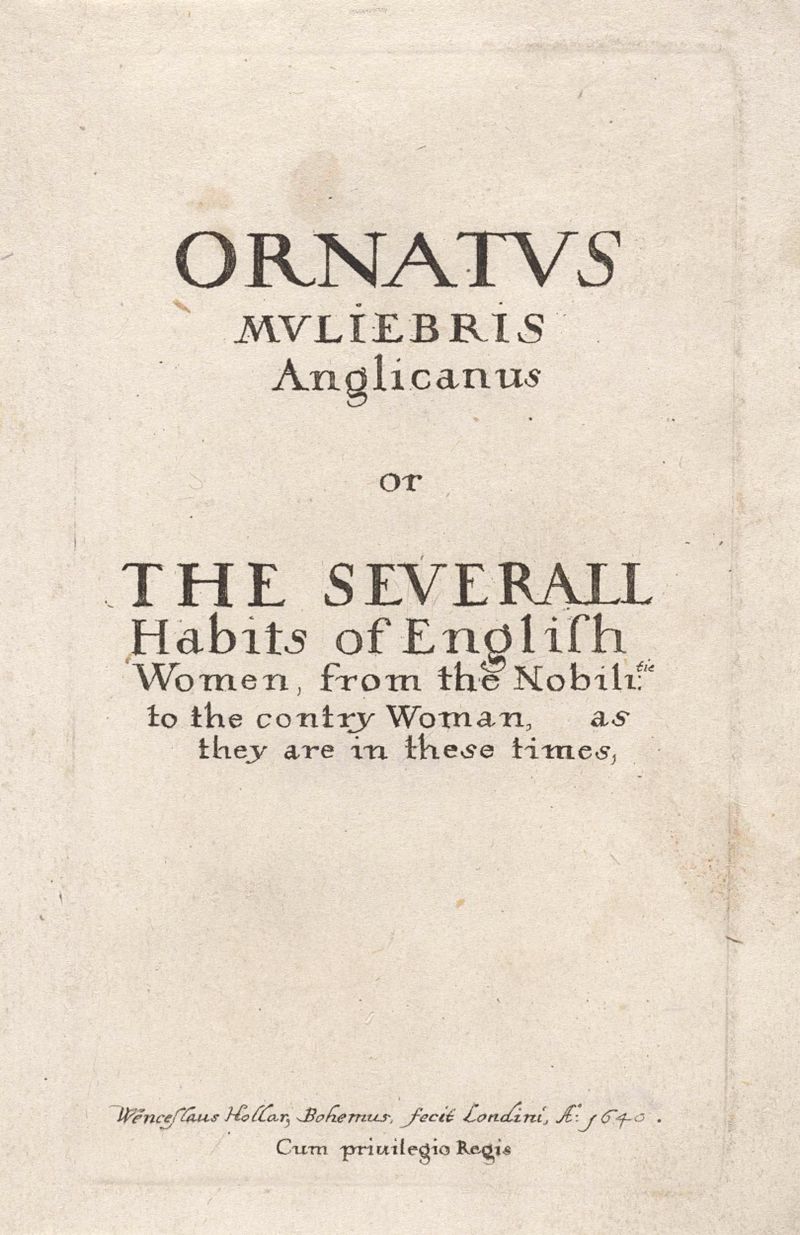
Titelprent voor: Ornatus Muliebris Anglicanus
Wenceslaus Hollar
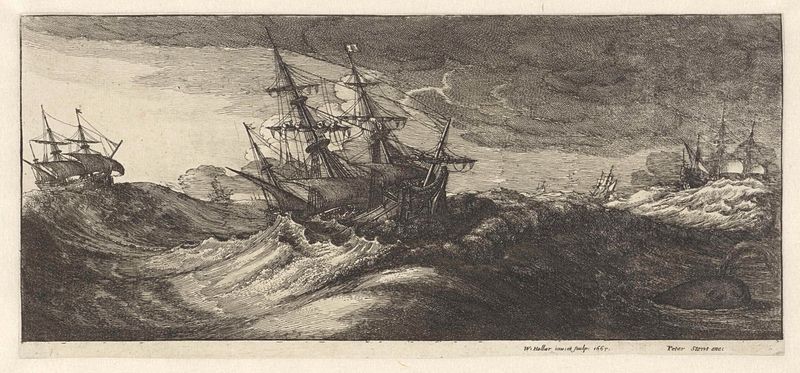
Oorlogsschepen en een walvis in een zeestorm
Wenceslaus Hollar
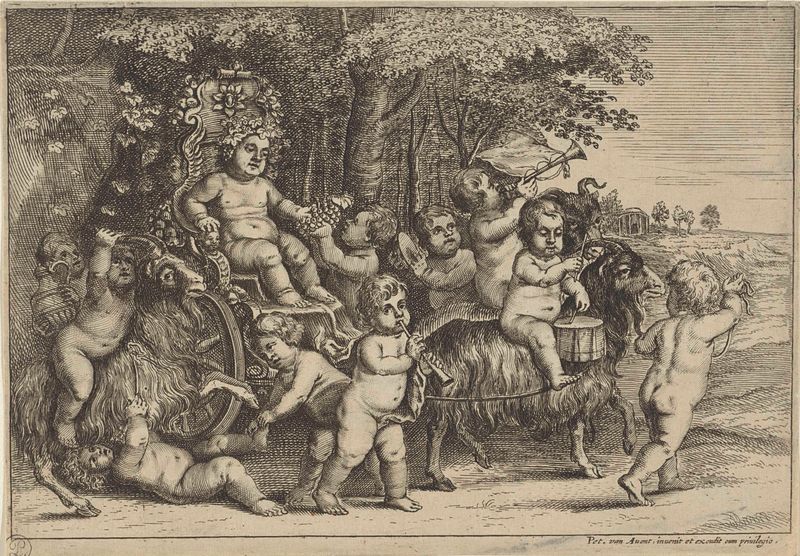
Optocht van bacchant en jongetjes op geiten
Wenceslaus Hollar
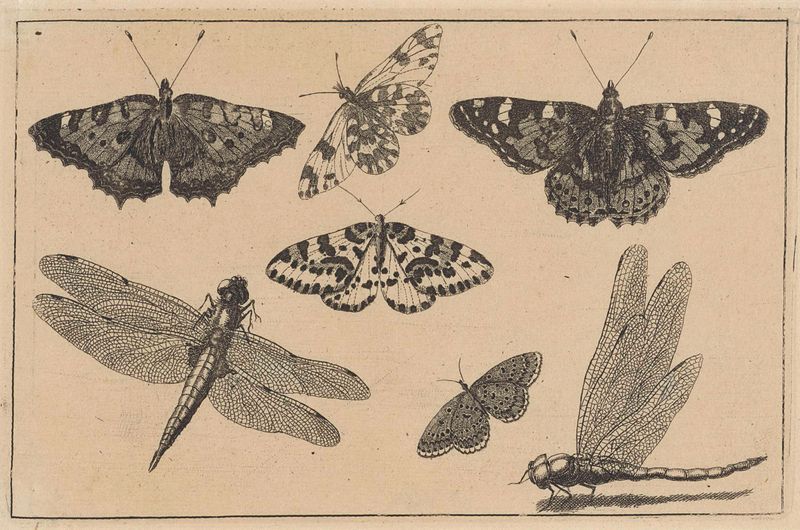
Twee libellen en vijf vlinders
Wenceslaus Hollar
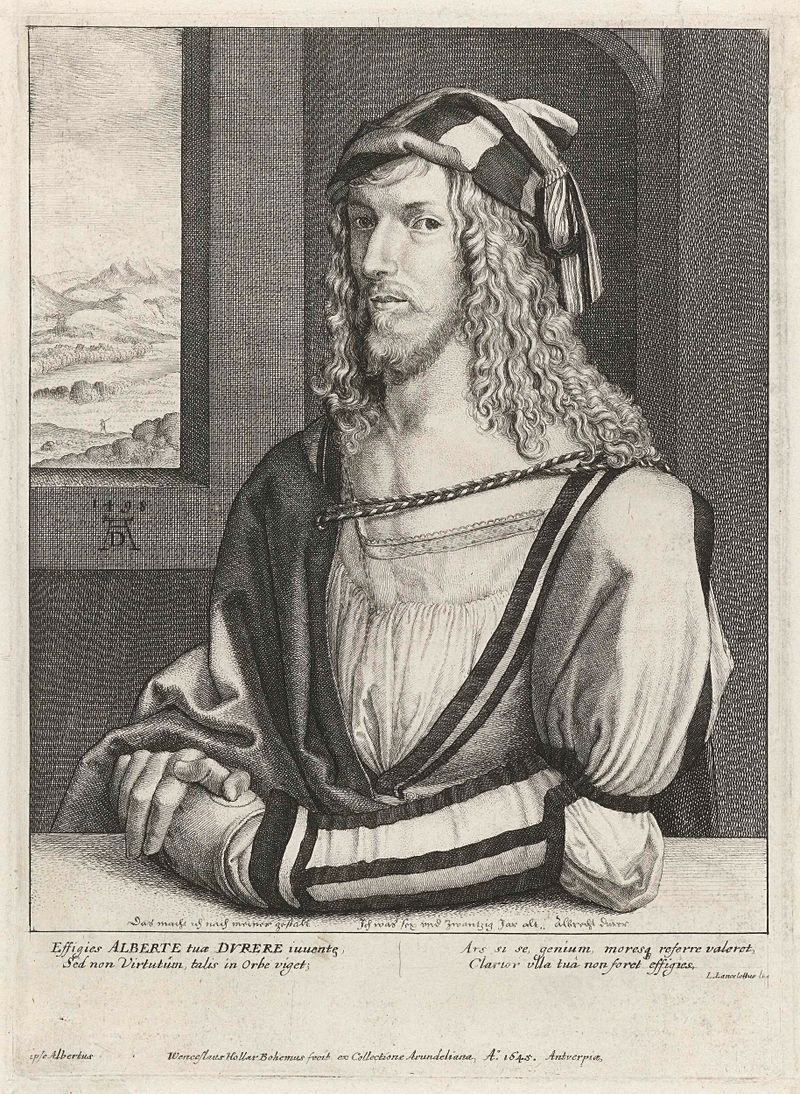
Portret van Albrecht Dürer
Wenceslaus Hollar
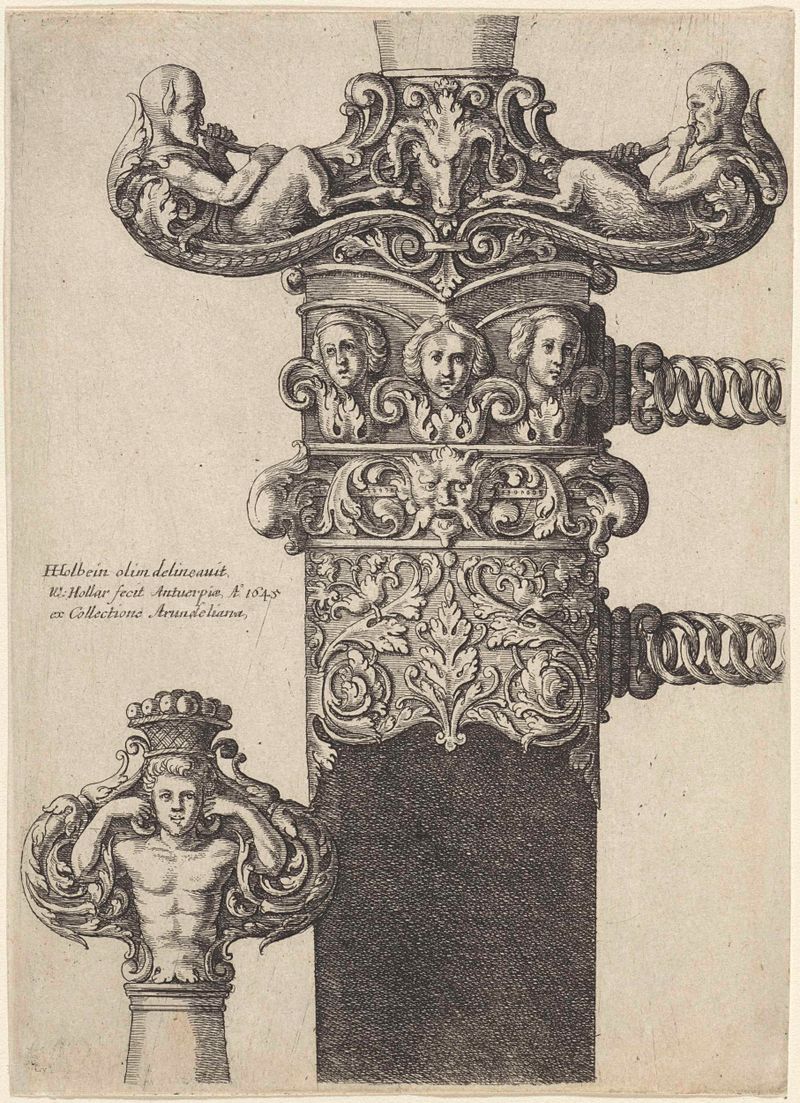
Ornamenteel ontwerp voor een dolk
Wenceslaus Hollar
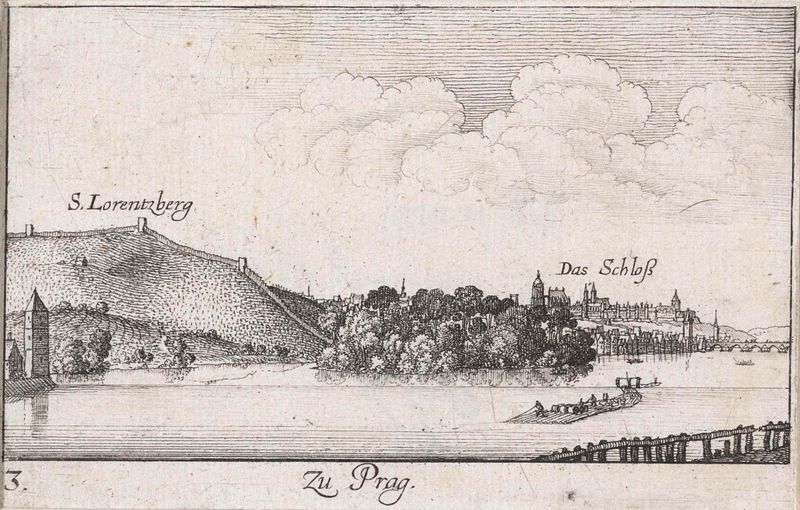
Gezicht op Praag vanaf de Moldau
Wenceslaus Hollar





