
Schelpen, angaria delphinus (A) en cymatium pileare (B) — History & Facts
What if silence could speak through light? In the delicate interplay of shadow and illumination, creation unfolds in ways unseen, waiting for a keen eye to decipher its hidden language. Look closely at the bottom left, where the intricate details of the shells invite your gaze. Wenceslaus Hollar expertly captures their textures, conveying a sense of tactile reality that is almost palpable. Notice how the soft gradients of browns and creams contrast with the crispness of the lighter highlights, drawing attention to the delicate curves and ridges of each shell.
The composition is meticulously arranged, allowing each element to breathe, while the subtle sheen of light suggests an ethereal quality that speaks to the beauty of nature. Beneath this serene surface lies a deeper commentary on the fragility and transience of life. The shells, remnants of once-vibrant creatures, symbolize the cycle of life and death, inviting reflection on the passage of time. Hollar’s choice of subject matter may also hint at human curiosity and the desire to collect and preserve, revealing the tension between the living world and the collections that often outlast them.
The gentle illumination creates a meditative atmosphere, as if each shell holds a whisper of the ocean, a testament to creation itself. Created between 1644 and 1652, this work reflects Hollar's time in England, where he was engaged in a renewed interest in natural history and scientific exploration. The artist found himself at the intersection of art and science, as the 17th century saw an increase in the documentation and appreciation of natural specimens. His detailed rendering not only showcases his exceptional skill but speaks to the Enlightenment's quest for knowledge, encapsulating a moment when art became a vehicle for understanding the world.
More Artworks by Wenceslaus Hollar
Browse all →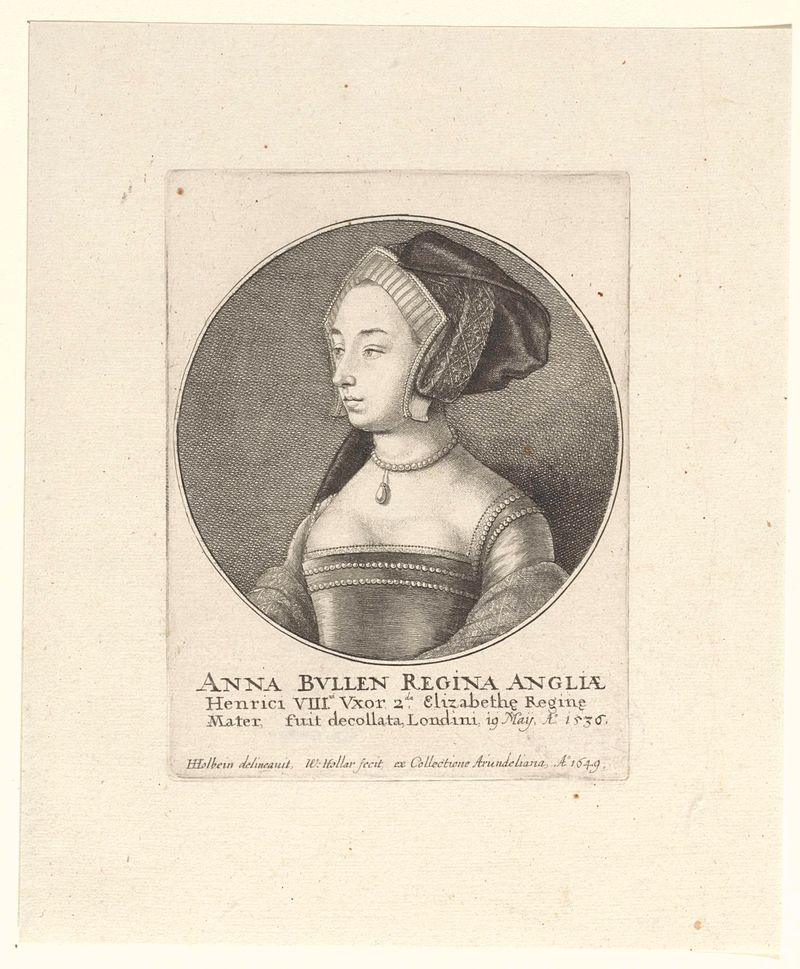
Portret van Anna Boleyn, koningin van Engeland
Wenceslaus Hollar
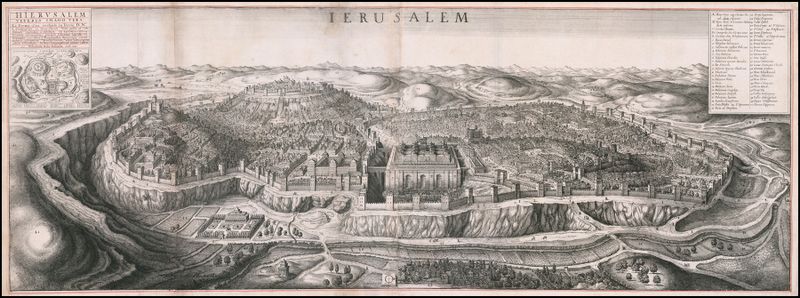
Bird’s eye view of Jerusalem
Wenceslaus Hollar
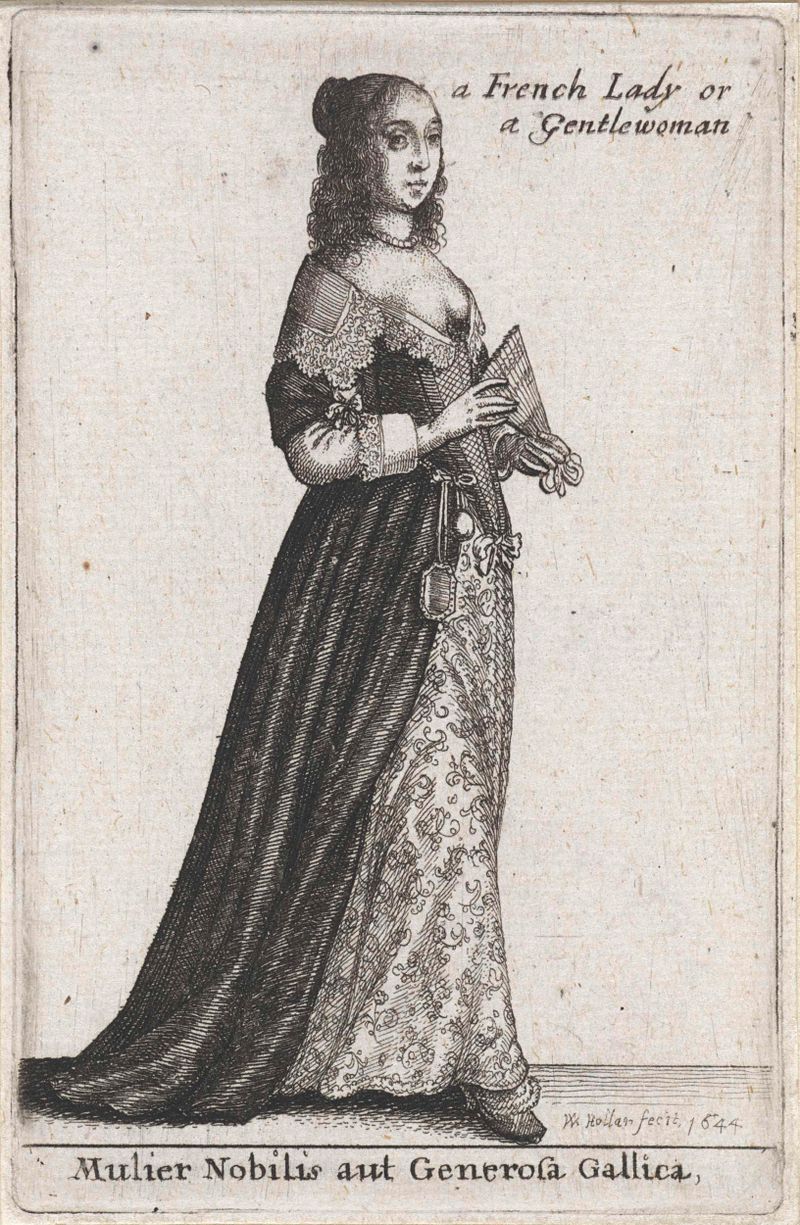
Mulier Nobilis aut Generosa Gallica / a French Lady or Gentlewoman
Wenceslaus Hollar
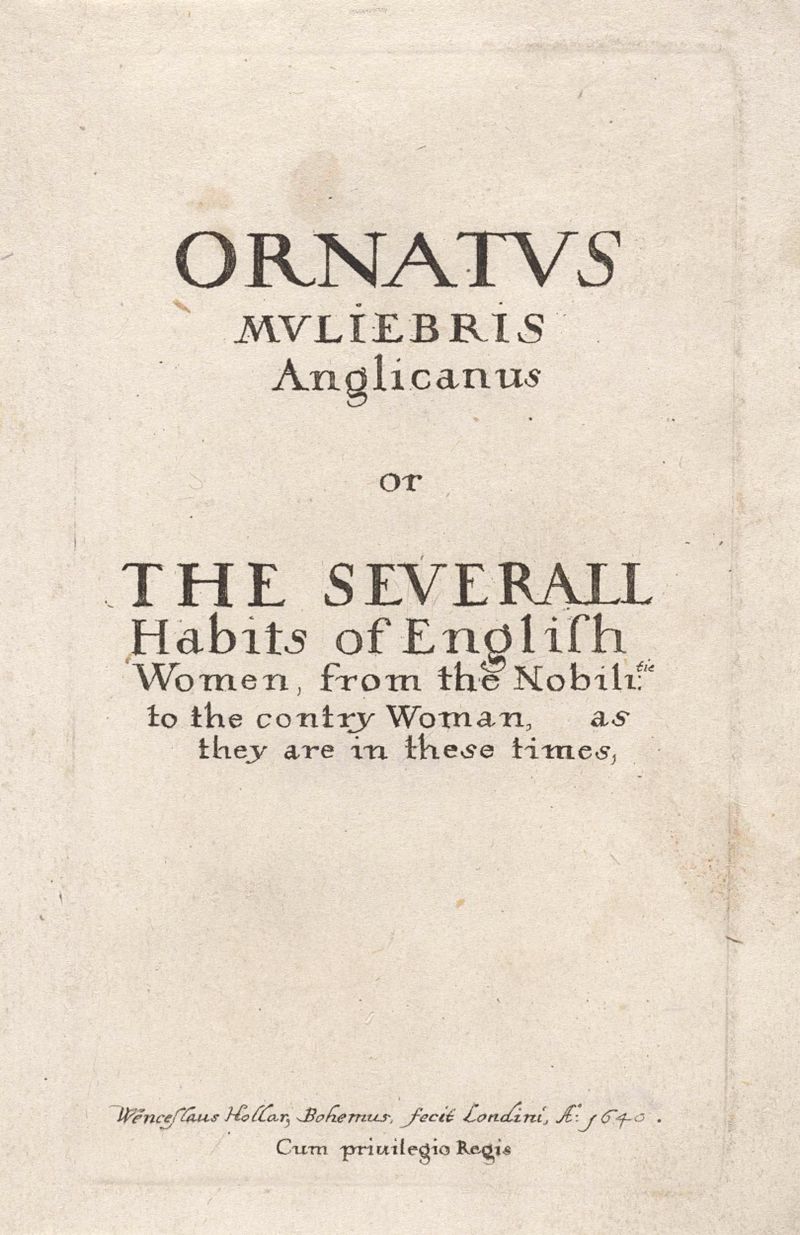
Titelprent voor: Ornatus Muliebris Anglicanus
Wenceslaus Hollar
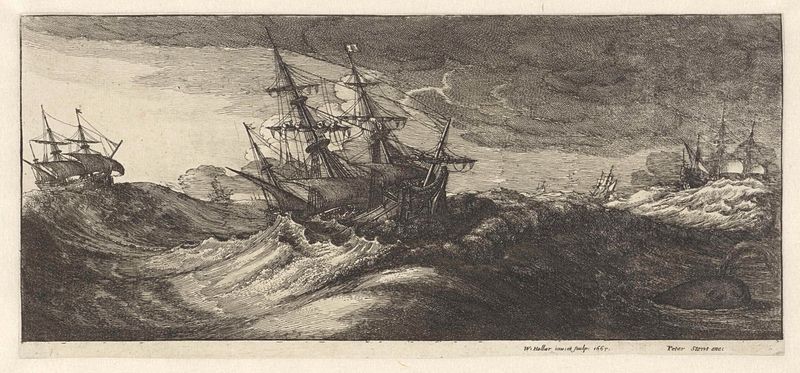
Oorlogsschepen en een walvis in een zeestorm
Wenceslaus Hollar
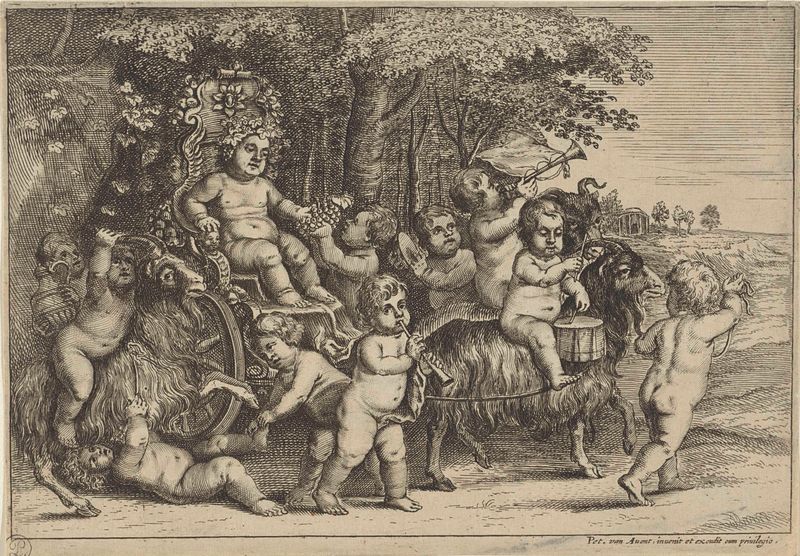
Optocht van bacchant en jongetjes op geiten
Wenceslaus Hollar
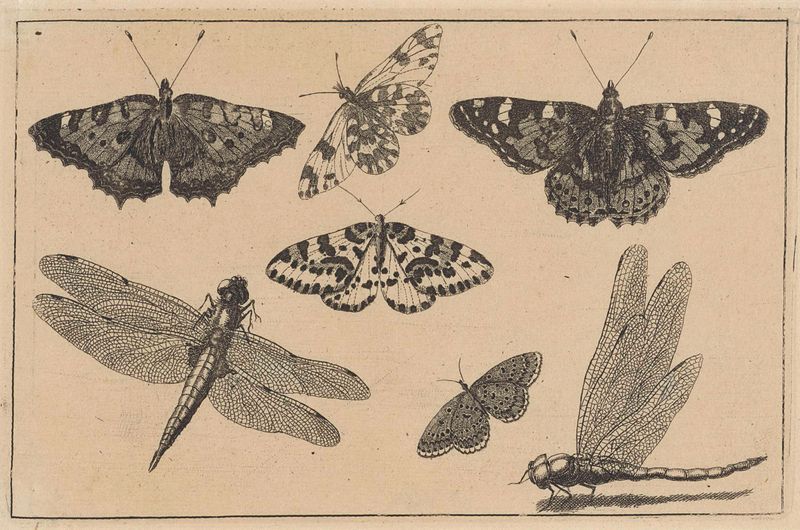
Twee libellen en vijf vlinders
Wenceslaus Hollar
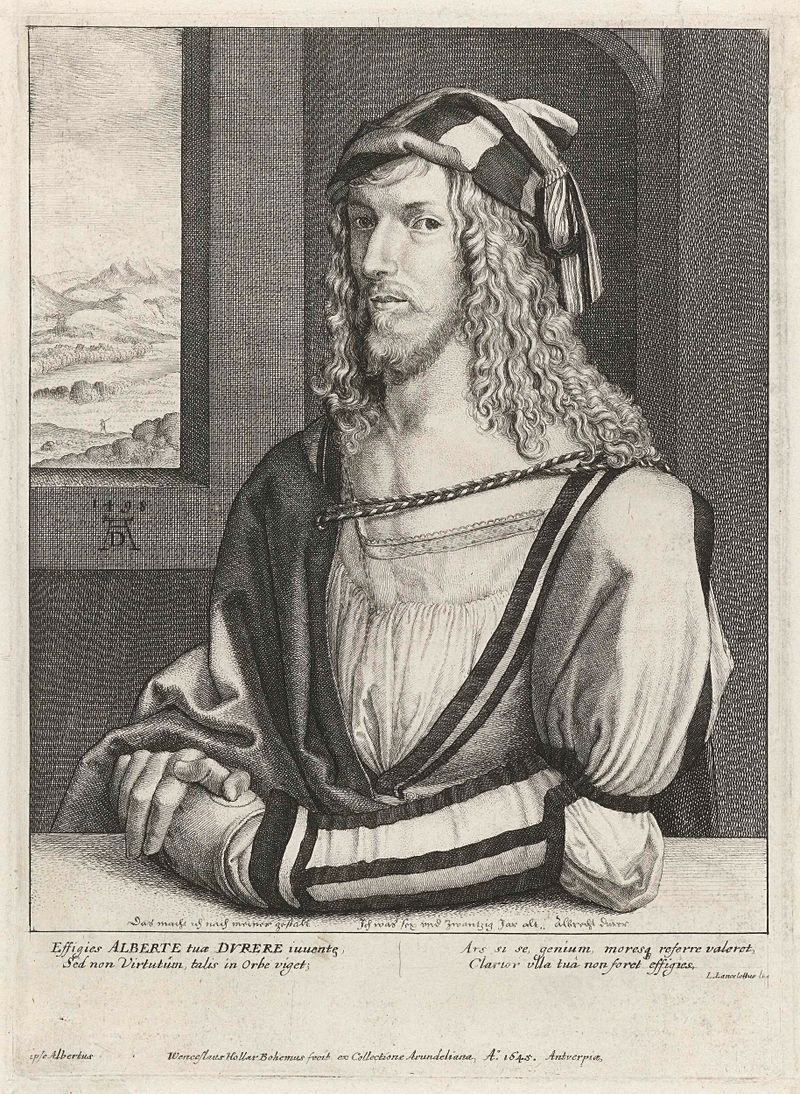
Portret van Albrecht Dürer
Wenceslaus Hollar
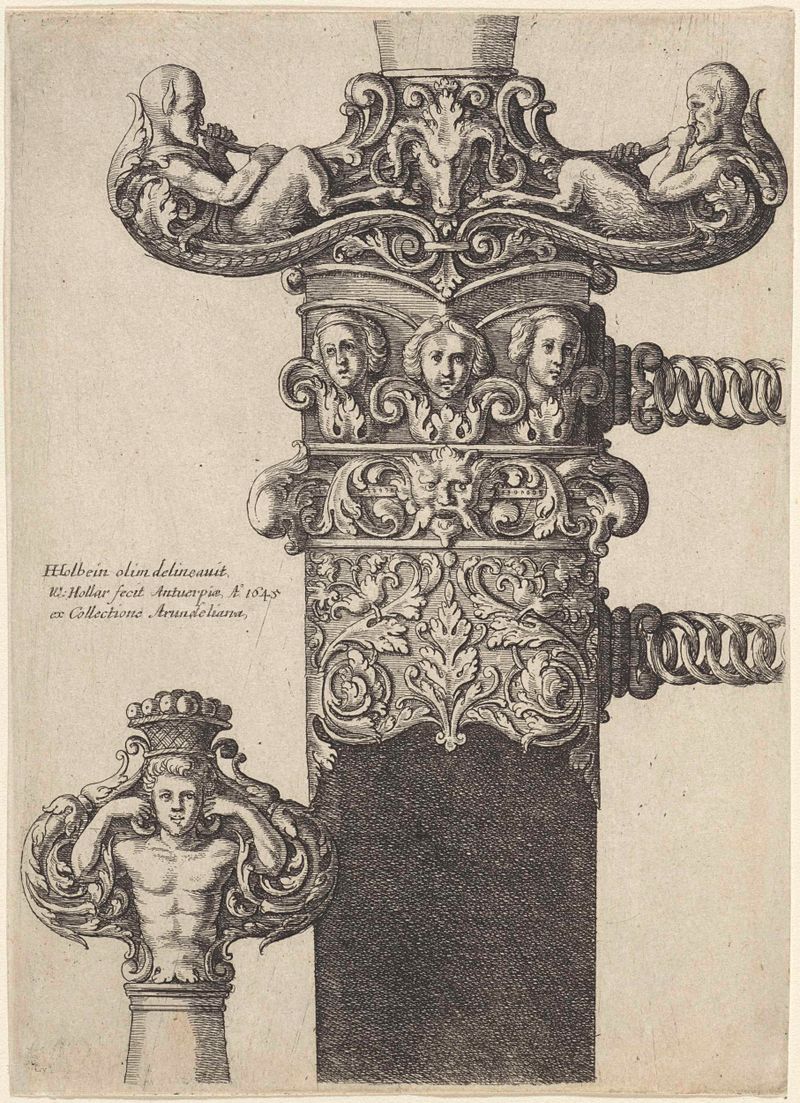
Ornamenteel ontwerp voor een dolk
Wenceslaus Hollar
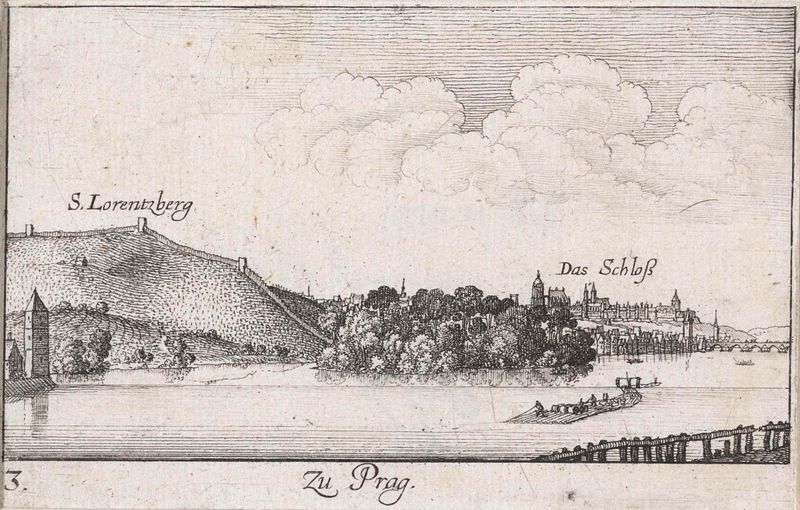
Gezicht op Praag vanaf de Moldau
Wenceslaus Hollar





