
Schelpenvissen — History & Facts
Could beauty survive in a century of chaos? In Schelpenvissen, the answer seems to echo softly with each brushstroke, a testament to faith in nature and its quiet resilience amidst turmoil. Look to the right at the gentle curve of the shoreline, where the soft blues and greens of water meld seamlessly into the earthy tones of sand. The fishermen, cast in warm ochres and deep browns, appear almost as shadows against the vibrant backdrop, their figures poised in a meditative dance with the sea. Notice how the light reflects off the water’s surface, creating a shimmering path that draws the eye inward, enhancing the tranquility of the moment captured by the artist.
The composition is a harmonious balance of nature and humanity, inviting viewers to linger on the quiet interaction of life with the elements. Delve deeper into the painting, and one can observe the contrast between the serene activity of fishing and the hints of tumultuous emotions beneath the surface. The fishermen's expressions, though focused, suggest an underlying vulnerability, as they rely on the unpredictable sea for their livelihood. In the delicate depiction of shells and rippling water, there lies a fierce devotion to the simple beauty of existence, suggesting that even in periods of uncertainty, faith can be found in the ordinary. Jacob Maris painted Schelpenvissen in 1885 while living in the Netherlands during a time of significant artistic evolution.
The influence of the Hague School, known for its emphasis on realism and naturalism, was palpable in his work. This period found Maris exploring the intimate relationship between humans and their environment, capturing fleeting moments that reflect both the beauty and fragility of life.
More Artworks by Jacob Maris
Browse all →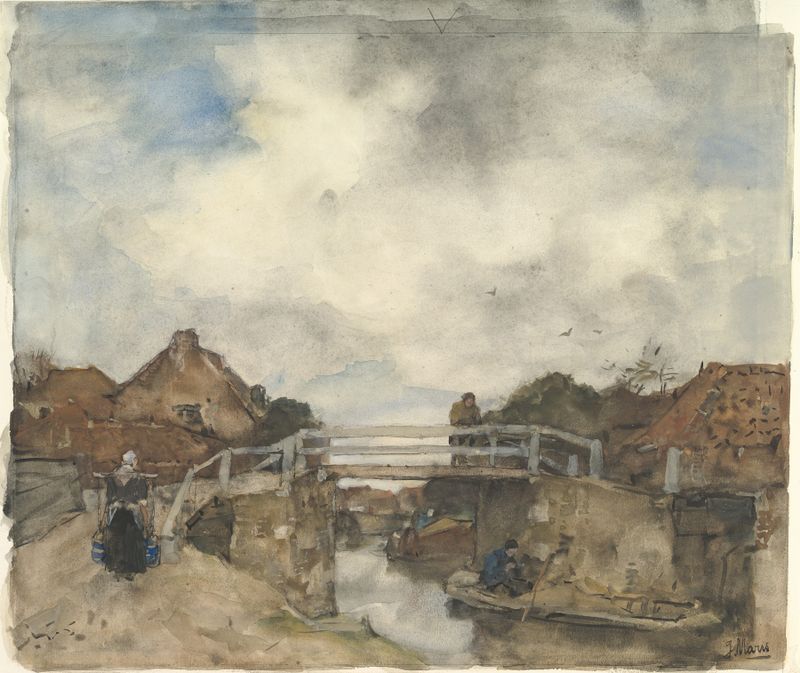
Dutch Canal, Rijswijk
Jacob Maris
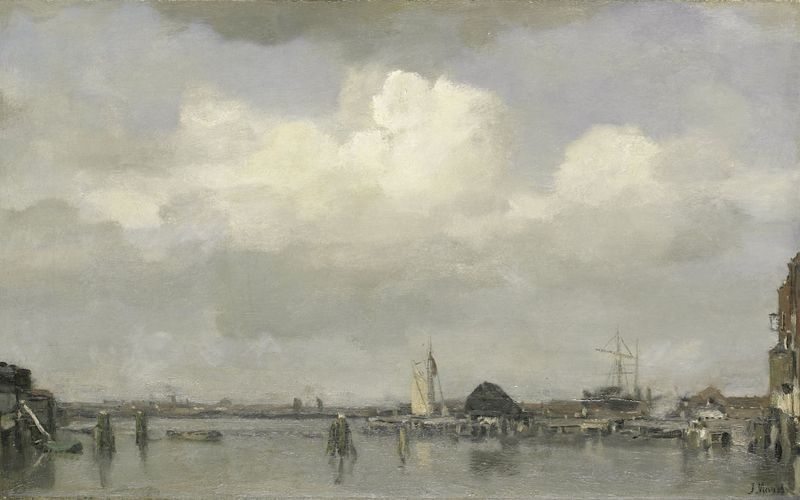
Havengezicht
Jacob Maris
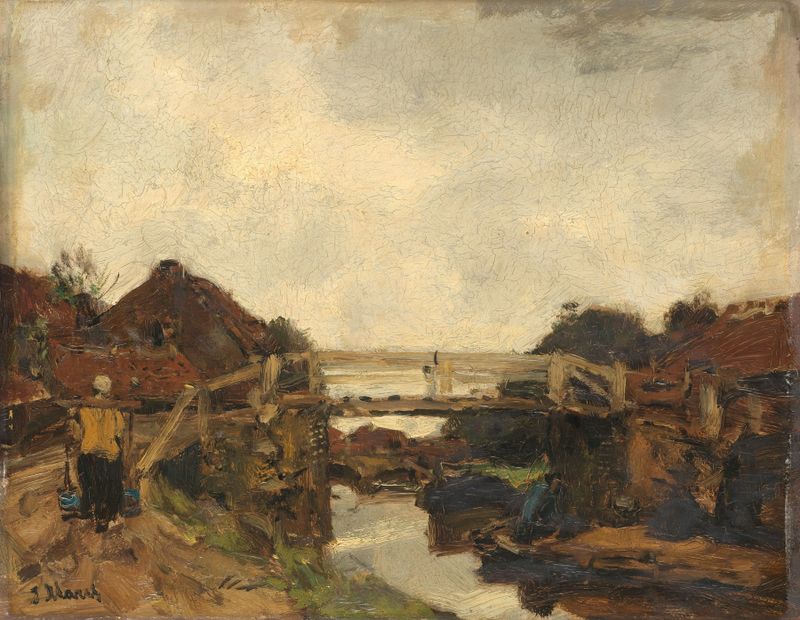
Wooden Bridge across a Canal at Rijswijk
Jacob Maris
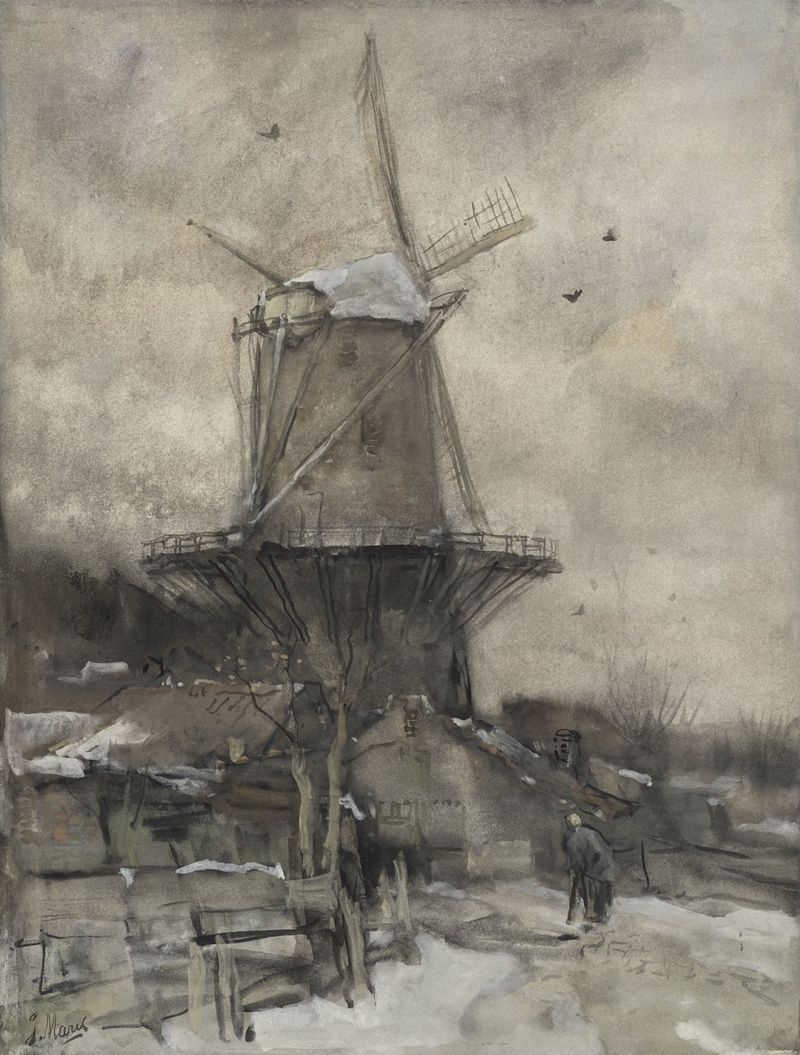
Een molen in de winter
Jacob Maris
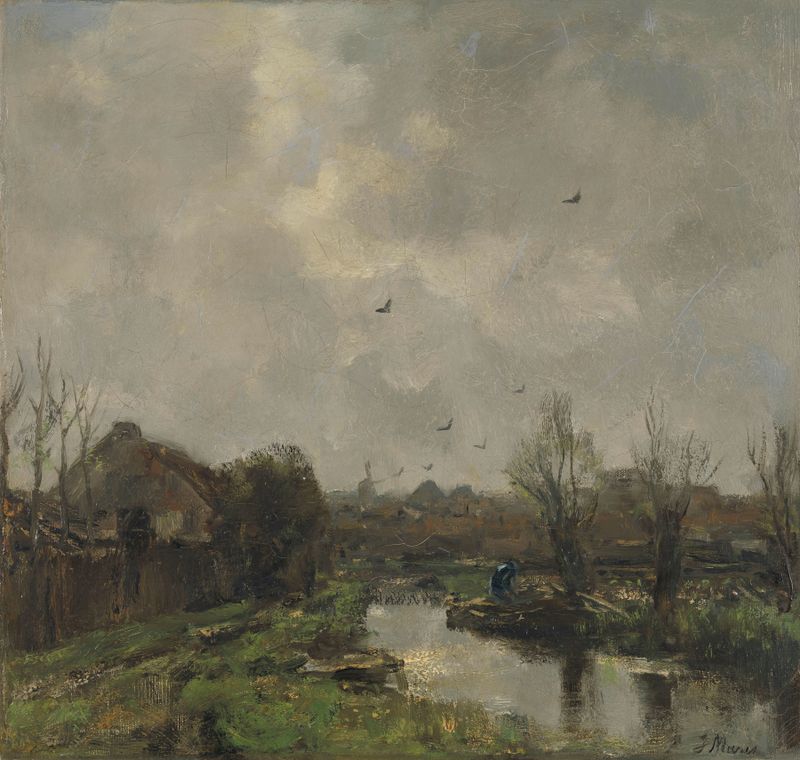
Landschap in de omgeving van Den Haag
Jacob Maris
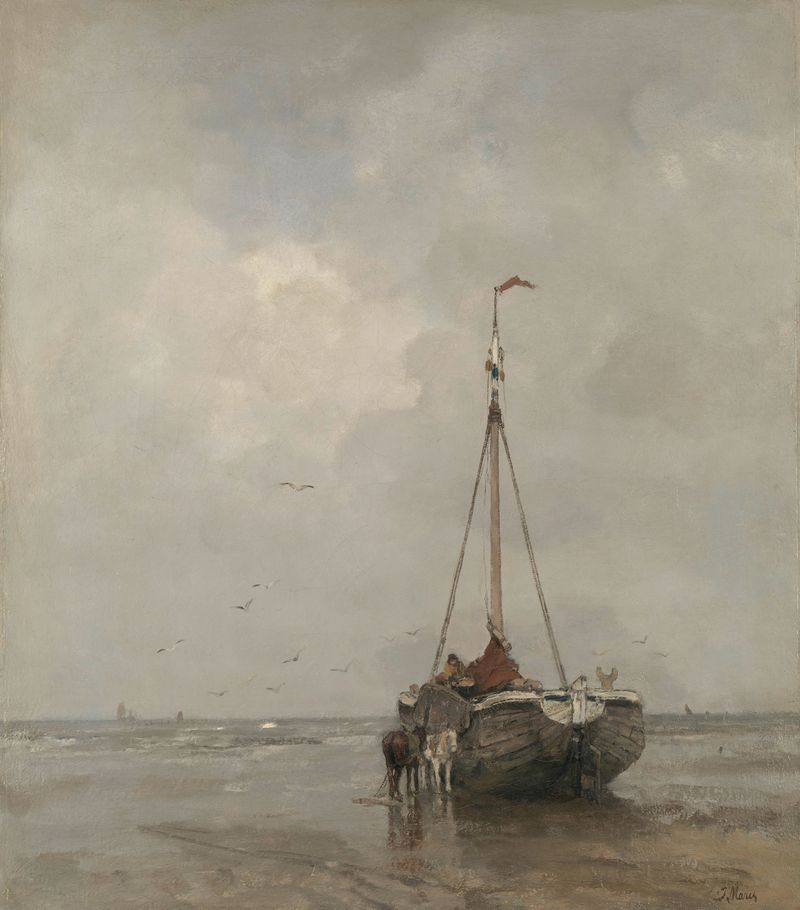
Bluff-bowed Fishing Boat on the Beach at Scheveningen
Jacob Maris
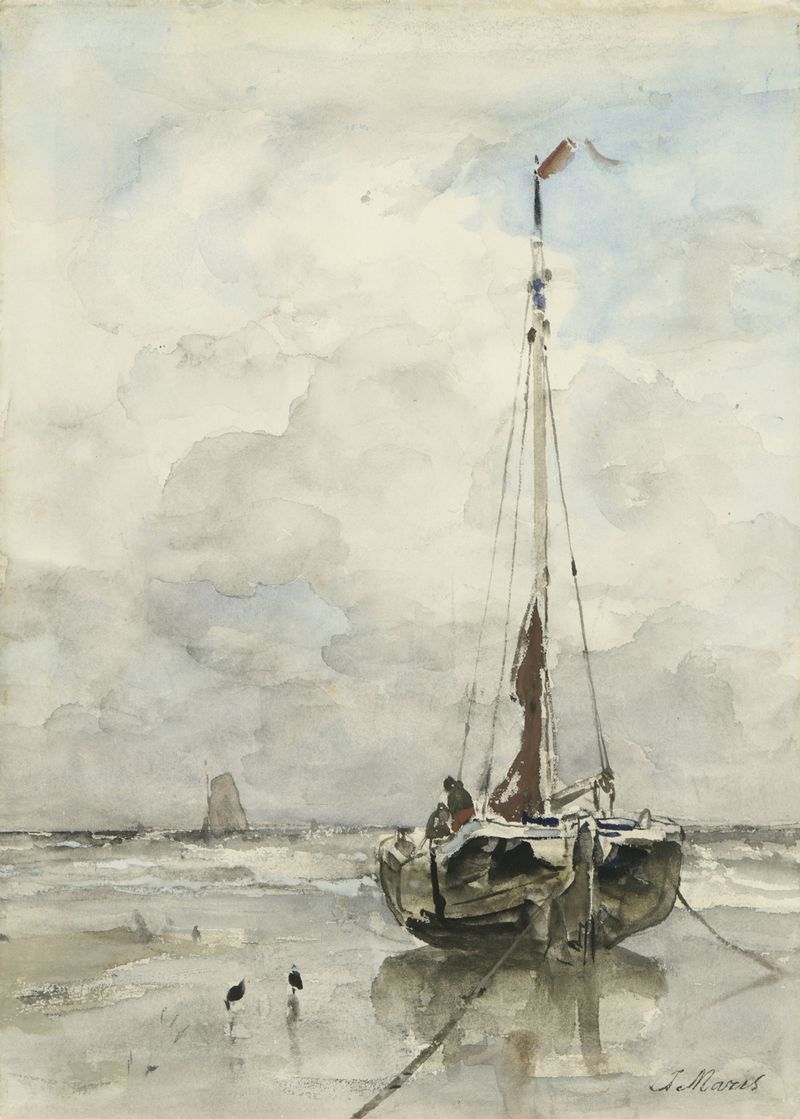
Visserspink aan het strand
Jacob Maris
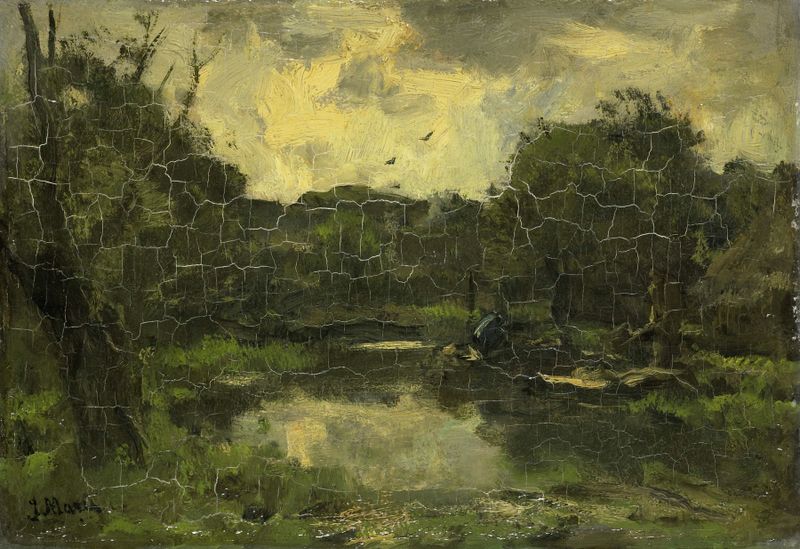
Landschap met schuit
Jacob Maris
Havengezicht
Jacob Maris
Schepen in de haven van Dordrecht
Jacob Maris





