
Schuur aan een sloot in Voorburg — History & Facts
What if silence could speak through light? In Schuur aan een sloot in Voorburg, the delicate interplay between shadow and illumination whispers the fragility of existence, inviting contemplation in a world steeped in tranquility. Look to the left at the quaint barn, its weathered wooden planks absorbing the warm golden glow of the setting sun. The soft brushwork and muted palette create an ethereal quality, beckoning the viewer’s gaze across the serene canal that reflects the gentle hues of dusk. Notice how the light dances upon the water's surface, adding a layer of shimmer that enhances the calm of this pastoral scene, while the verdant foliage frames the composition, grounding it in nature's embrace. Beneath the serene exterior lies a poignant tension—the juxtaposition of the sturdy barn against the ephemeral light and tranquil water hints at the transience of life.
The artist’s choice of subdued colors evokes a sense of nostalgia, suggesting a fleeting moment captured in time, while the stillness of the scene reflects the quiet yearning for permanence in an ever-changing world. Each detail, from the ripples in the canal to the soft contours of the horizon, speaks to the fragility inherent in both nature and human experience. Willem Adrianus Grondhout painted this piece between 1888 and 1934, a period of profound change in the Netherlands as industrialization transformed landscapes and lives. Having established himself within the Dutch art scene, Grondhout sought to capture the essence of his surroundings, contrasting rustic beauty with the encroaching modern world.
His work during this time reflects a deep appreciation for simplicity and the ephemeral, as he often focused on scenes that evoked a sense of peace amidst the chaos of change.
More Artworks by Willem Adrianus Grondhout
Browse all →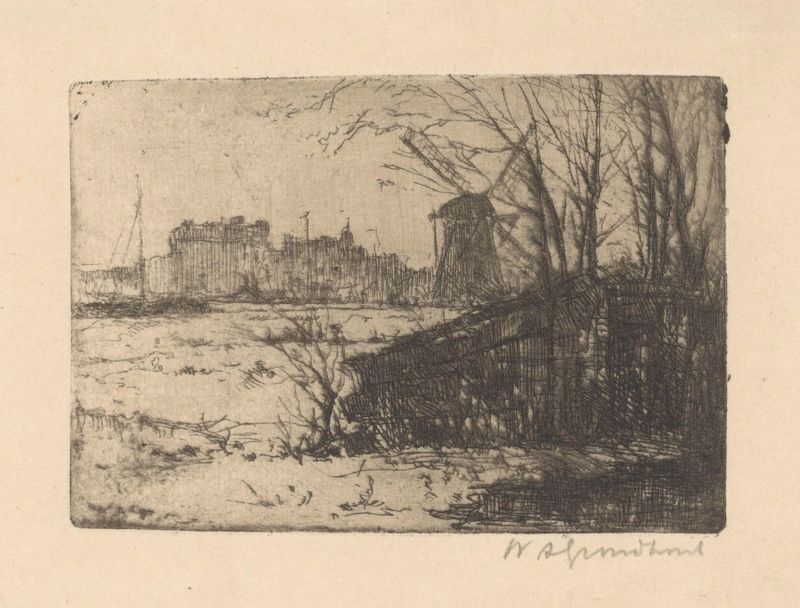
Landschap met molen in de Binckhorst in Den Haag
Willem Adrianus Grondhout
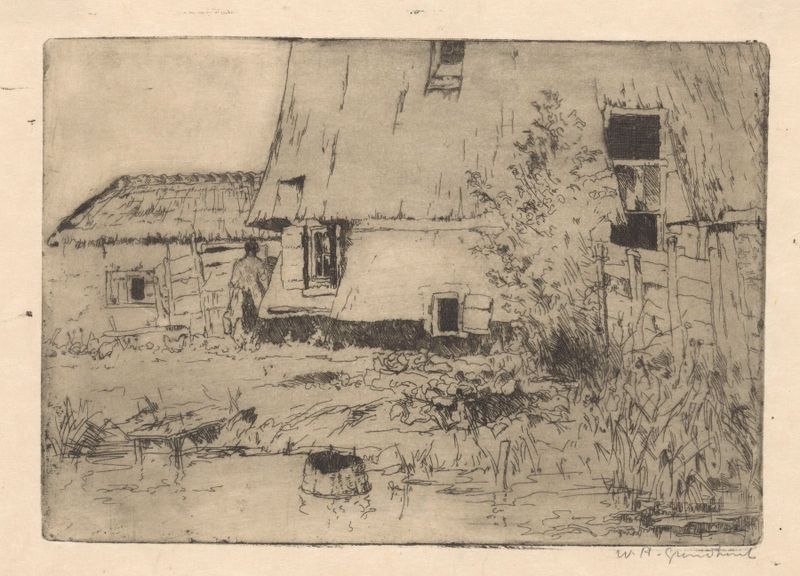
Voet van een molen in Voorburg
Willem Adrianus Grondhout
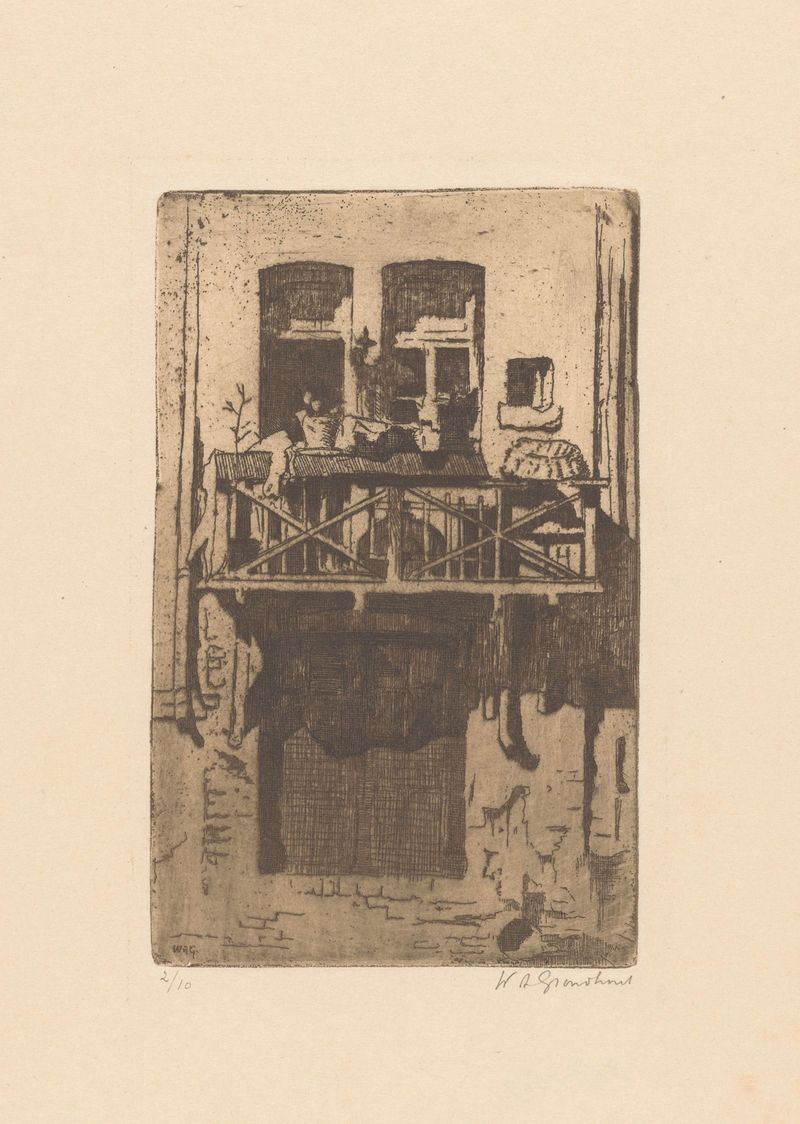
Balkon van een huis aan de Oudezijds Kolk in Amsterdam
Willem Adrianus Grondhout
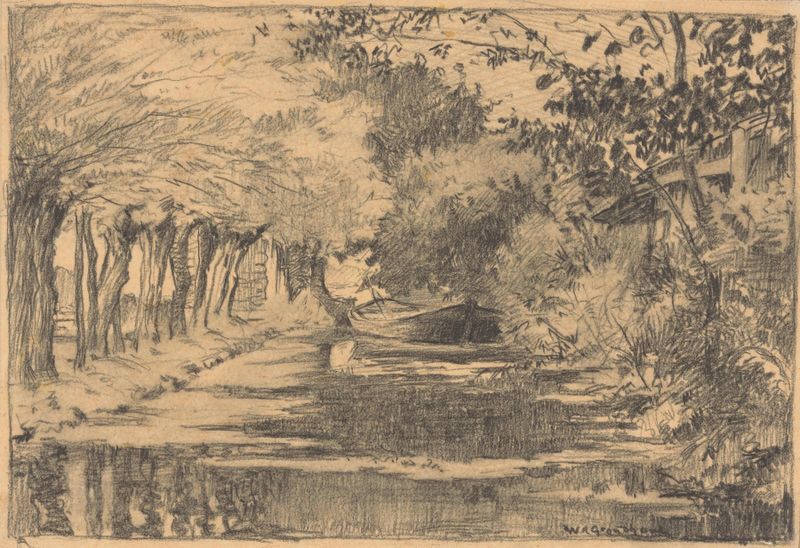
Broeksloot bij Voorburg
Willem Adrianus Grondhout
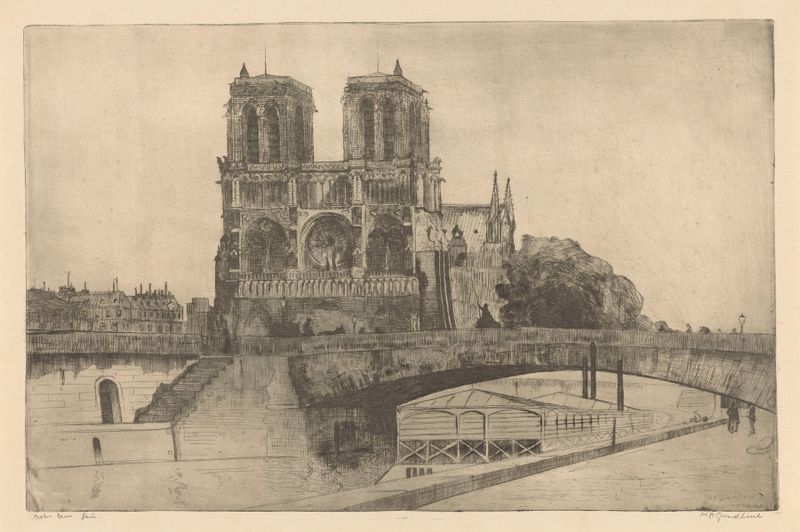
Notre-Dame, Paris
Willem Adrianus Grondhout
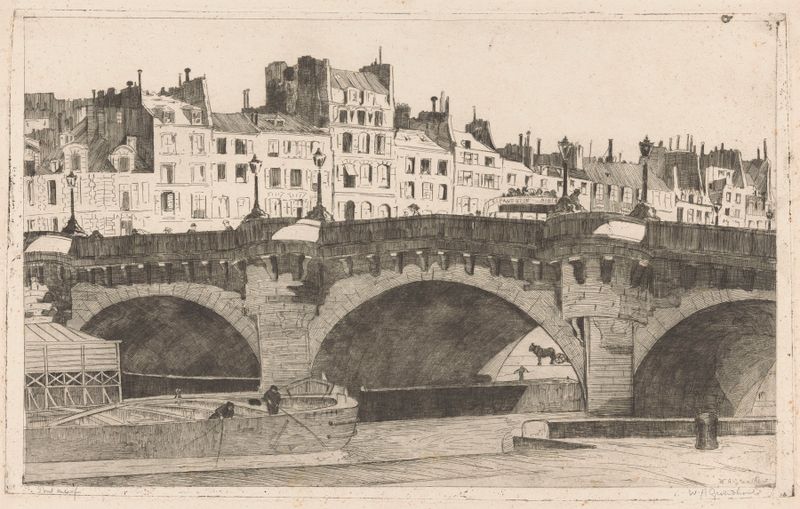
Pont Neuf
Willem Adrianus Grondhout
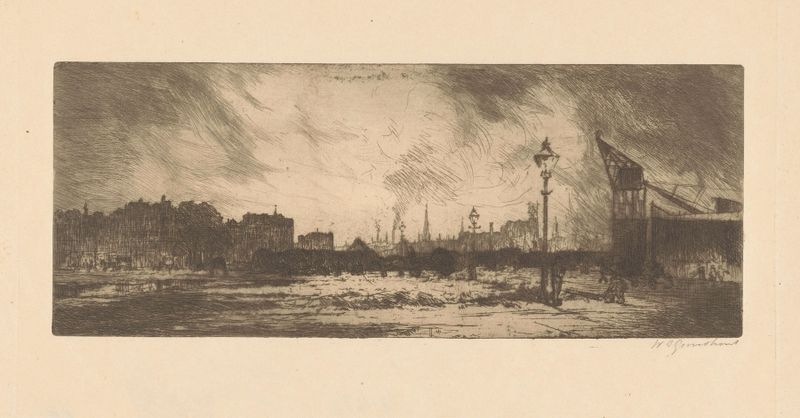
Havenkade met lantaarnpalen in Rotterdam
Willem Adrianus Grondhout
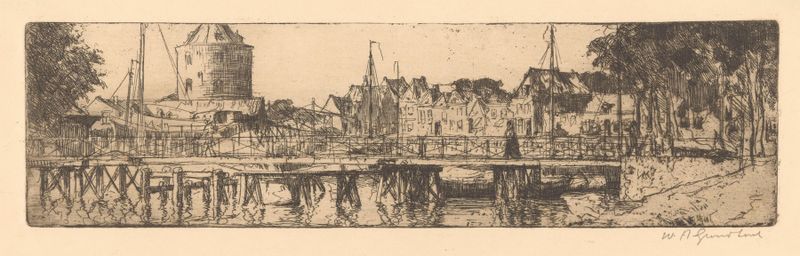
Enkhuizen
Willem Adrianus Grondhout
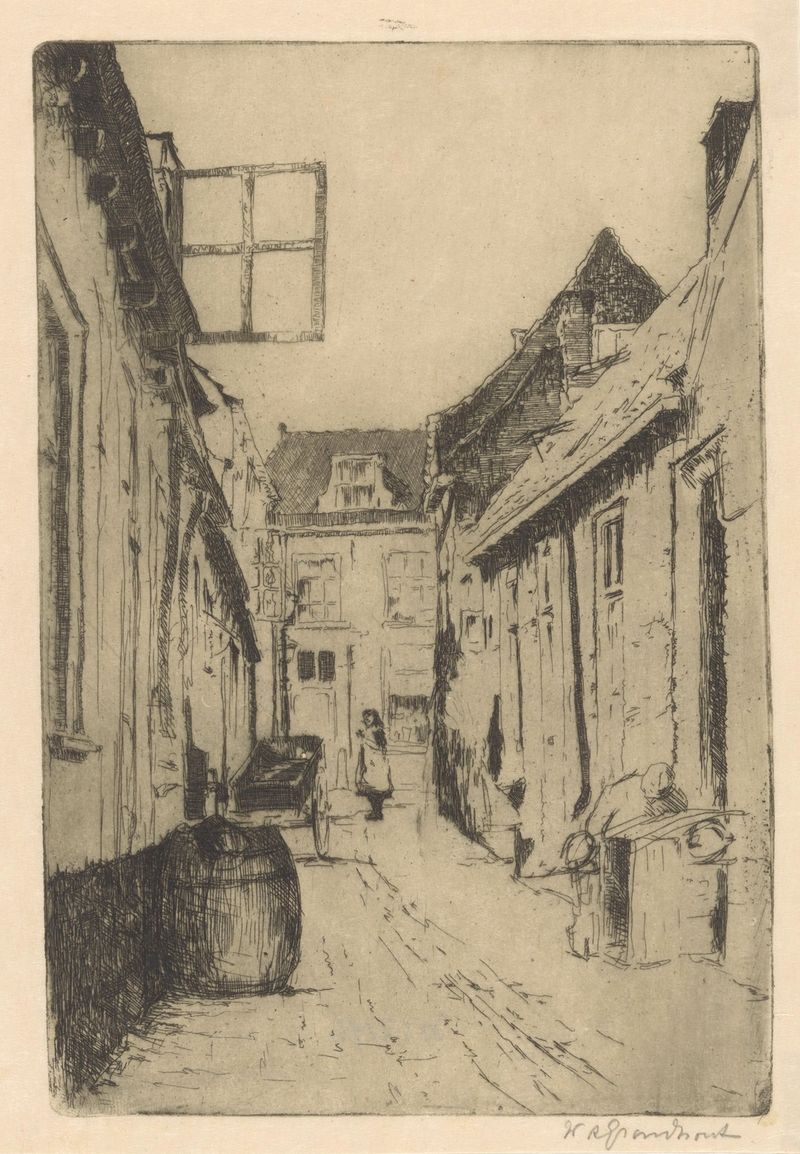
Straatje in Voorburg.
Willem Adrianus Grondhout
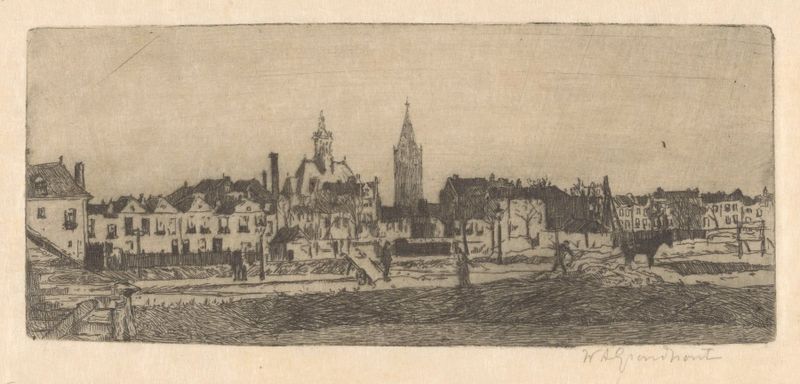
Delft
Willem Adrianus Grondhout





