
Screen in Aerschot church — History & Facts
In the quiet embrace of emptiness, the delicate interplay of light and shadow invites contemplation. A sense of absence permeates the canvas, urging viewers to reflect on the spaces both seen and unseen in our lives. Look to the center of the composition, where the intricately designed screen stretches across the church, its patterned woodwork a testament to skilled craftsmanship. Notice how the soft, muted hues of browns and greens harmonize, evoking a timeless tranquility.
The play of light filtering through the church’s architecture creates a dynamic contrast, guiding your eye from the sturdy base of the screen upwards towards the ethereal luminosity of the stained glass above. Each detail meticulously rendered draws you into a dialogue between the sacred and the mundane. Hidden beneath the surface lies a deeper significance—an exploration of absence and memory. The screen stands as both a barrier and a threshold, symbolizing the separation between the earthly and the divine, inviting the viewer to ponder the echoes of faith and doubt.
Furthermore, the empty space surrounding the screen amplifies the feeling of solitude, suggesting that true contemplation often thrives in silence, where one can confront the void. This subtle tension between presence and absence resonates throughout the piece, making the viewer acutely aware of their own emotional landscape. Created between 1852 and 1878, this work reflects François Stroobant’s commitment to capturing the ethereal beauty of architectural forms. During this period, he was immersed in the revival of Gothic styles, responding to a growing interest in historical architecture while living in Belgium.
The work emerged amidst a backdrop of artistic experimentation, as artists sought to redefine their relationship with the past, yet it stands distinctly as a meditation on the inherent beauty found within emptiness.
More Artworks by François Stroobant
Browse all →
Interior of the church of Notre Dame du Sablon at Brussels
François Stroobant
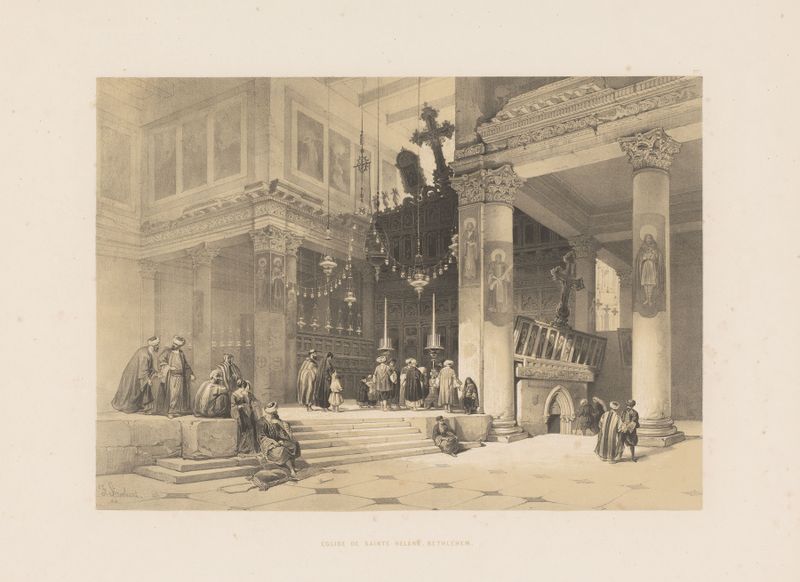
Église de sainte Hélène. Bethléhem
François Stroobant
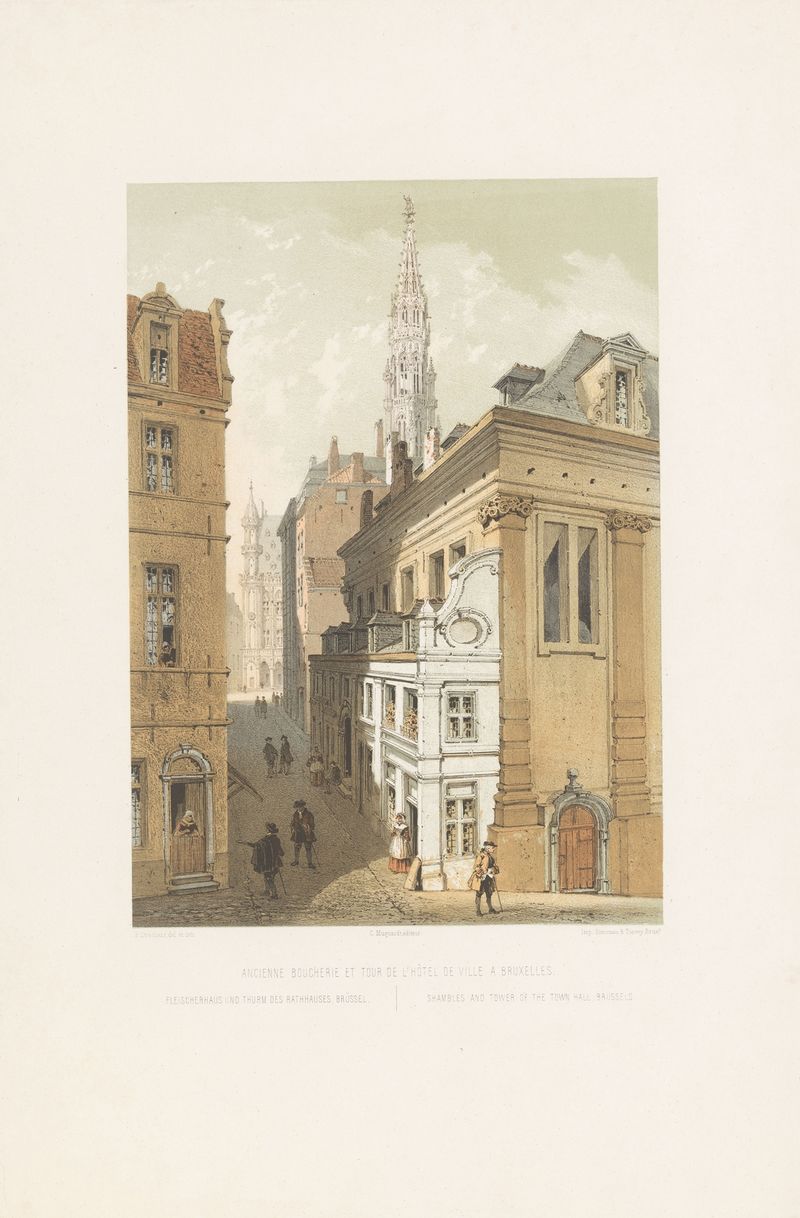
Shambles and tower of the town hall, Brussels
François Stroobant

Intérieur de l’église Grecque du Saint-Sépulcre
François Stroobant
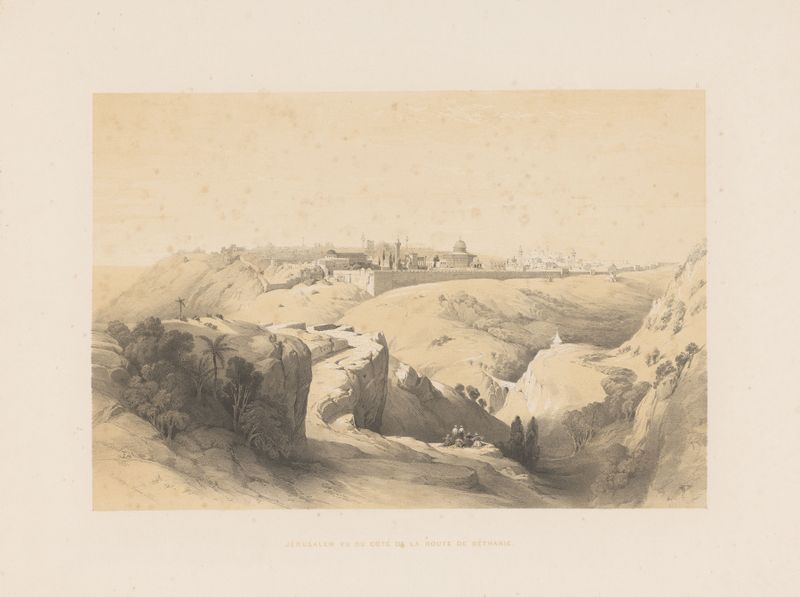
Jérusalem vu du coté de la route de Béthanie
François Stroobant

Le tabernacle du Saint-Sépulcre
François Stroobant

Town hall Brussels
François Stroobant

Fontaine de Jacob à Sichem
François Stroobant
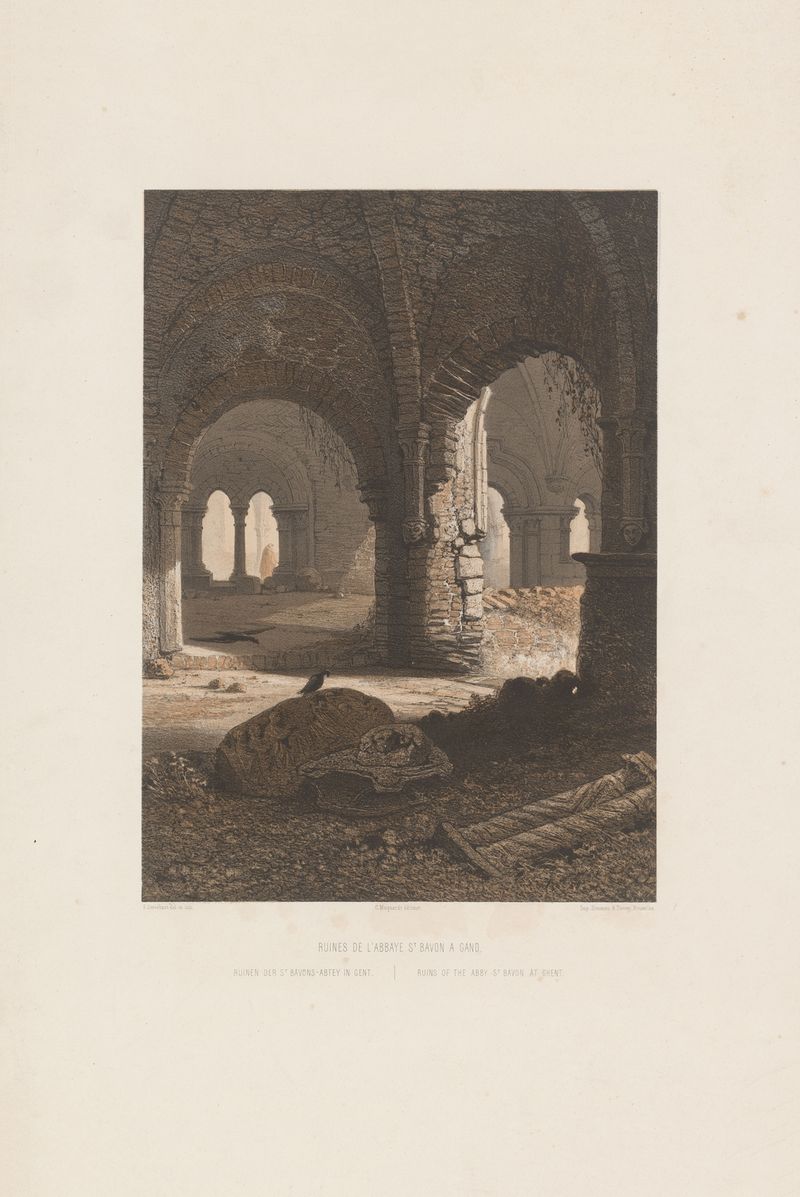
Ruins of the abby St Bavon at Ghent
François Stroobant

Vue de Naplouse
François Stroobant





