Scutolo doré, l’après-midi — History & Facts
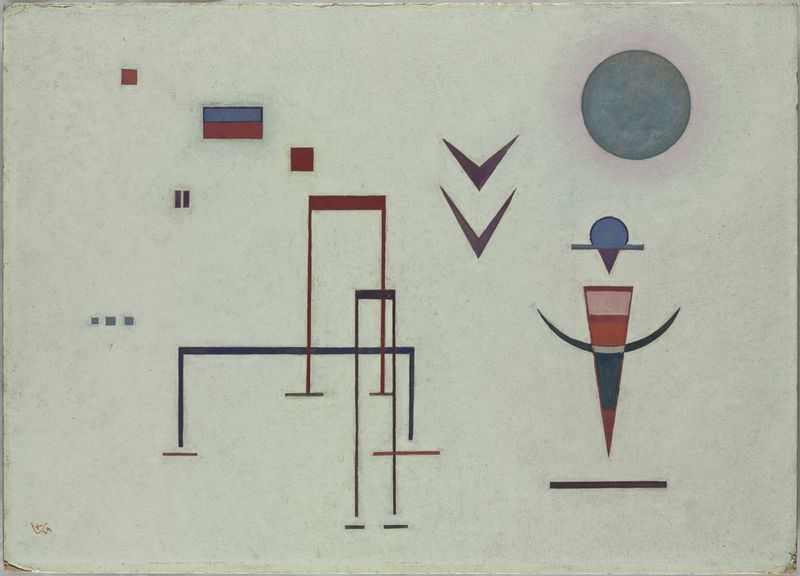
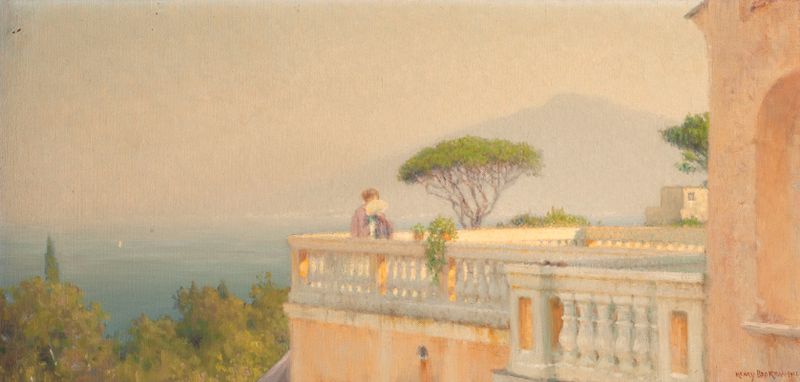
In Scutolo doré, l’après-midi, innocence unfurls like petals under a warm afternoon sun, inviting us to explore the delicate balance between simplicity and complexity. Look to the left of the canvas, where vibrant strokes of gold swirl amidst soft pastels, creating a luminous backdrop that beckons the viewer closer. Notice how the artist employs delicate brushwork to capture the play of light, imbuing the scene with an ethereal quality. The gentle hues contrast with bold shapes, suggesting a landscape both familiar and dreamlike, a space where reality is tinged with the essence of fantasy. In the foreground, subtle details emerge—a single flower with slightly frayed edges, hints of life’s fragility.
The juxtaposition of vivid colors against muted tones embodies the tension between innocence and experience, evoking memories of childhood while acknowledging the inevitable passage of time. Each brushstroke resonates with emotion, reminding us of the beauty hidden within moments of stillness and contemplation. Henry Brokman painted Scutolo doré, l’après-midi in 1921, a period marked by a post-war search for renewal in the art world. Living in Paris at the time, he was deeply influenced by the avant-garde movements and the shifting dynamics of society.
This particular work reflects not only his personal journey but also the broader cultural shifts that sought to embrace the innocence of life amid the complexities of modernity.
More Artworks by Henry Brokman
Browse all →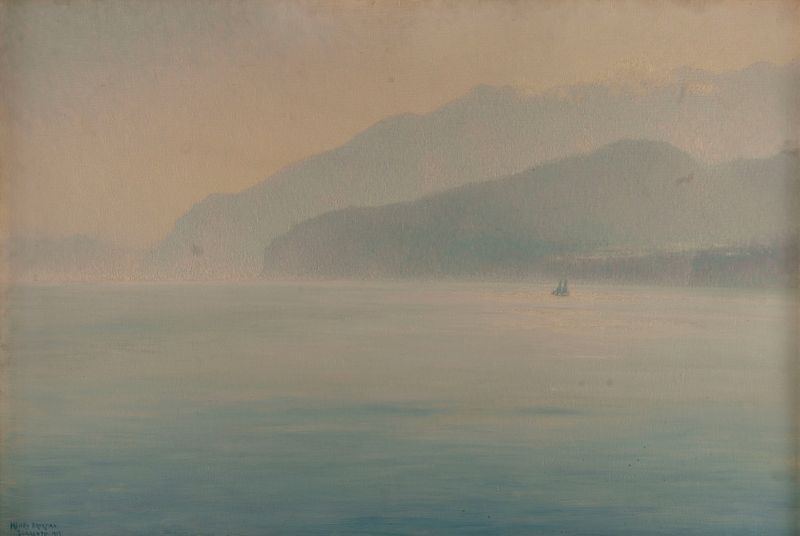
Côte De Sorrente, Bleu Et Argent
Henry Brokman
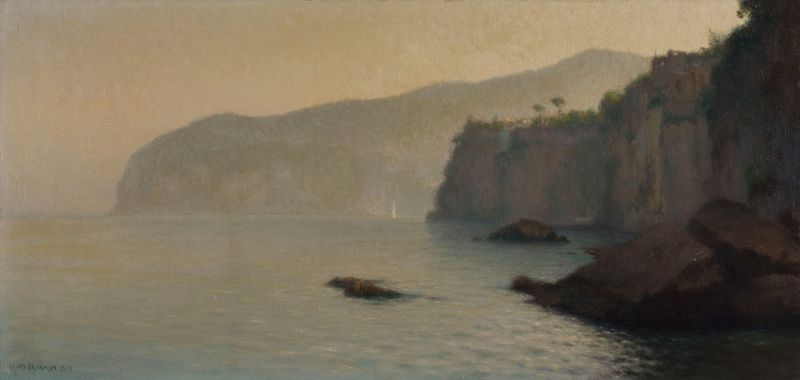
Petite côte de Sorrente (grise)
Henry Brokman
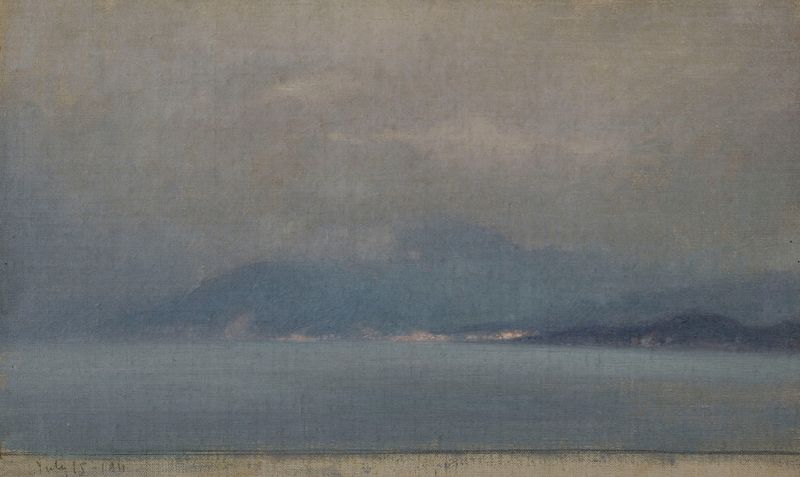
Etude de paysage
Henry Brokman
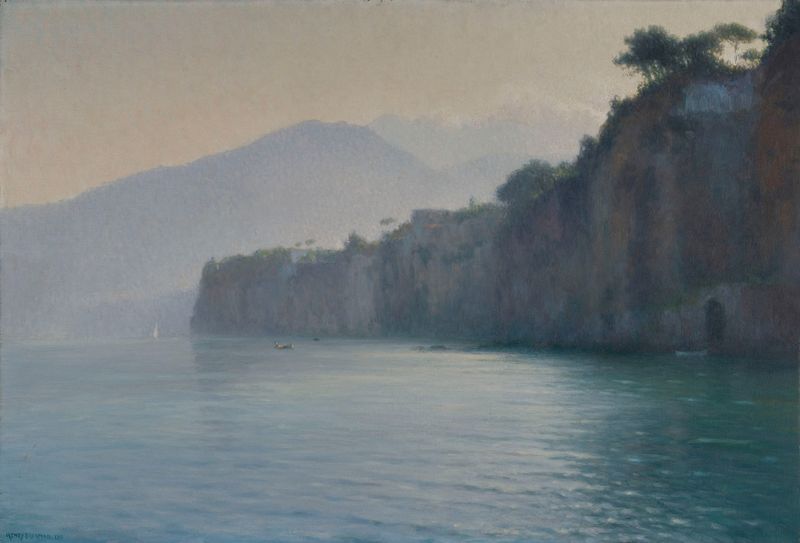
Sorrente, côte argentée
Henry Brokman
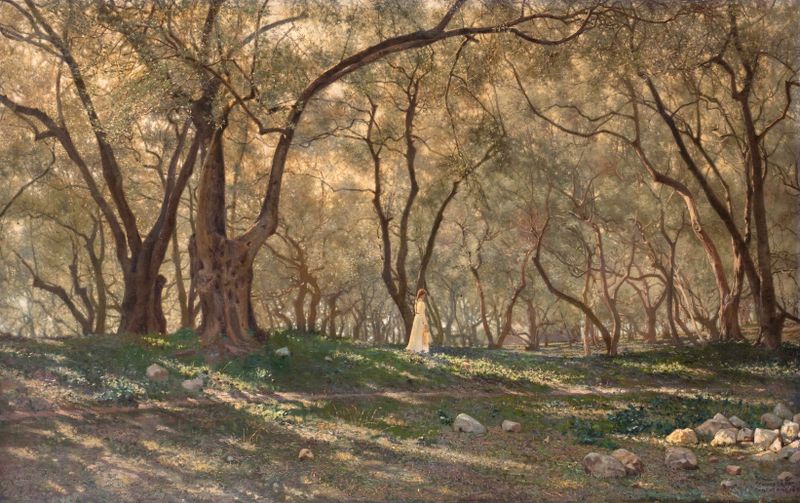
Jeune Fille Sous Les Oliviers – Menton
Henry Brokman
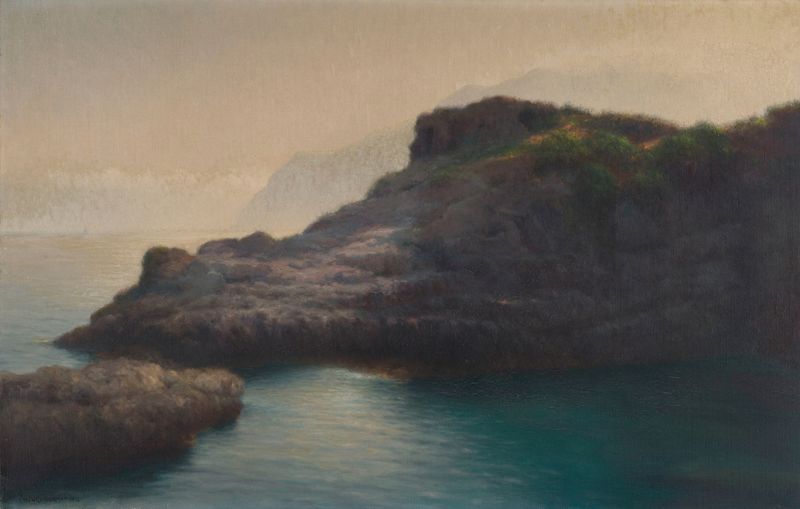
Cap de Sorrente
Henry Brokman
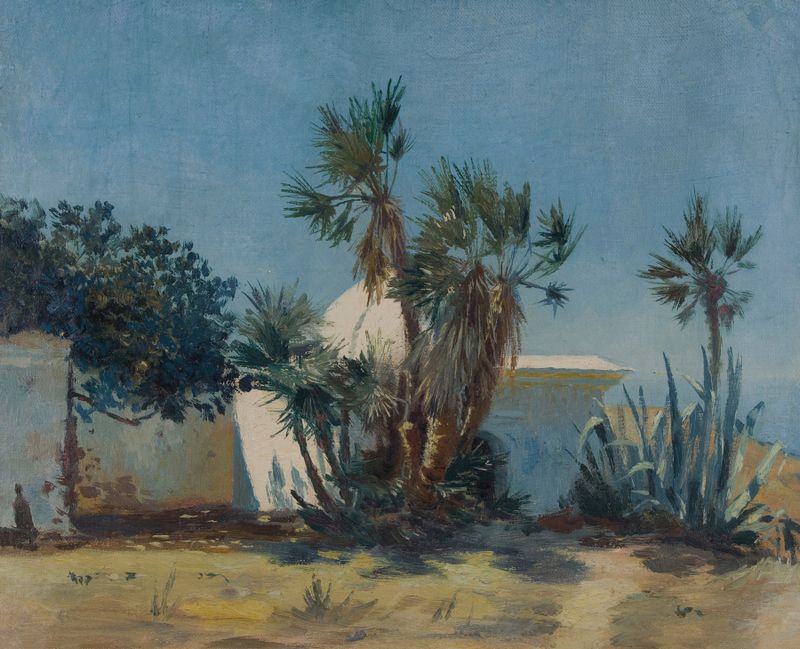
L’Oasis
Henry Brokman
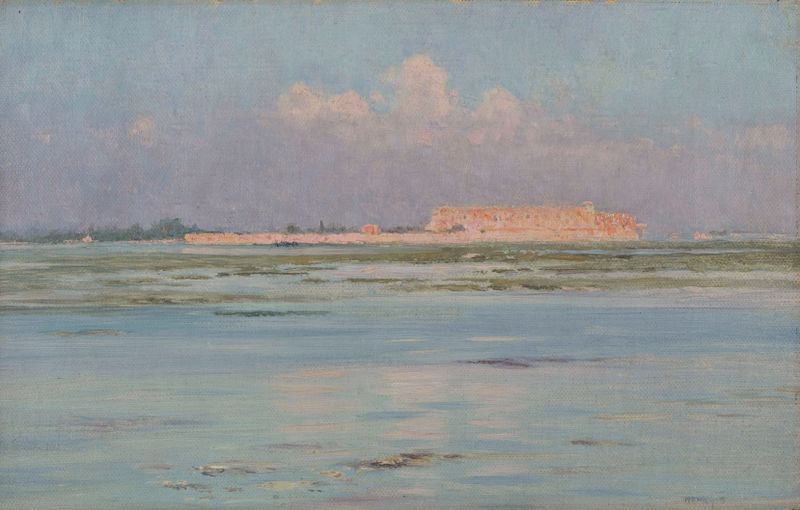
Le Temple De Louxor, Egypte
Henry Brokman
Terrasse De L’hôtel Cocumella
Henry Brokman
Rive du Nil, Egypte
Henry Brokman