
Seal Rock — History & Facts
What first grips the viewer in Seal Rock is the sense of wild, untamed energy: a green wave rears up, its crest dissolving into mist, while a colony of seals basks and barks on the sunlit rock, unconcerned by the ocean’s restless power. The seals, scattered in loose clusters, seem to animate the rock itself, their glossy bodies catching the light in warm browns and ochres. The painter leads your eye from the foreground—where a seal emerges from the churning water, a gull swooping low—to the distant cliffs, alive with birds, all under a sky that shifts from stormy drama to tranquil blue.
Every detail, from the wet sheen on the seals’ backs to the translucent green of the wave, is chosen to heighten the contrast between the calm of the animals and the perpetual motion of their world. Works like this, painted in the late nineteenth century, were often created for audiences hungry for visions of the American West’s grandeur and wildlife, a world still largely unknown to those in eastern cities. Albert Bierstadt became famous for such scenes, blending precise observation with a sense of awe that resonated with collectors and the public alike. This particular work, documented in a private collection as of June 2013, is less well-known than his monumental landscapes, but it draws from the same fascination with the borderlands of land and sea.
Today, as we look at Seal Rock, we see not just a moment on a Pacific outcrop, but a window into a time when artists and audiences alike were discovering the wild edges of a continent.
More Artworks by Albert Bierstadt

A Storm in the Rocky Mountains, Mt. Rosalie
Albert Bierstadt
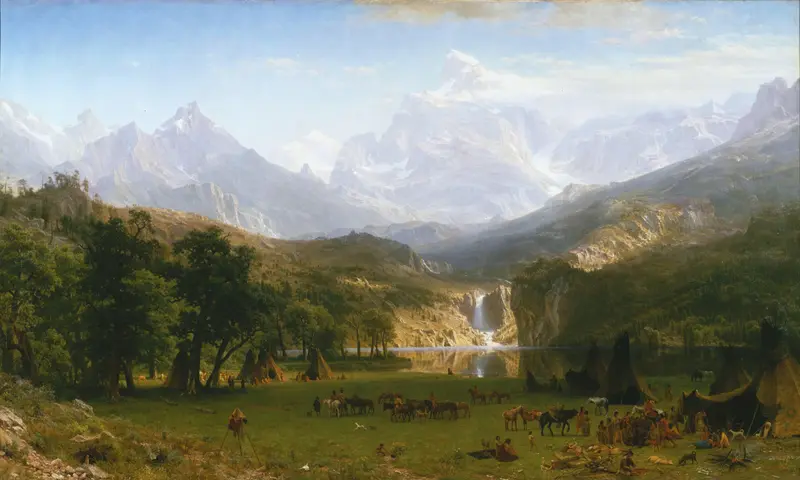
The Rocky Mountains, Lander's Peak
Albert Bierstadt
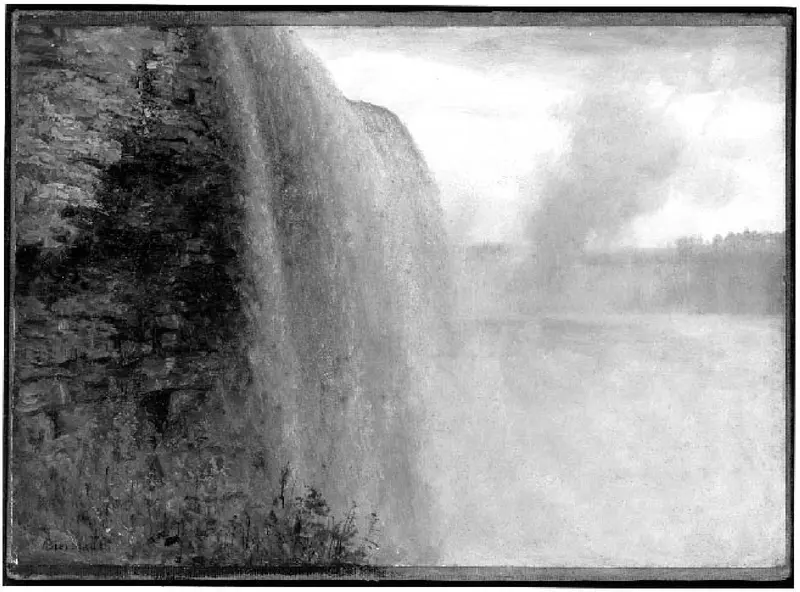
Niagara from the American Side
Albert Bierstadt
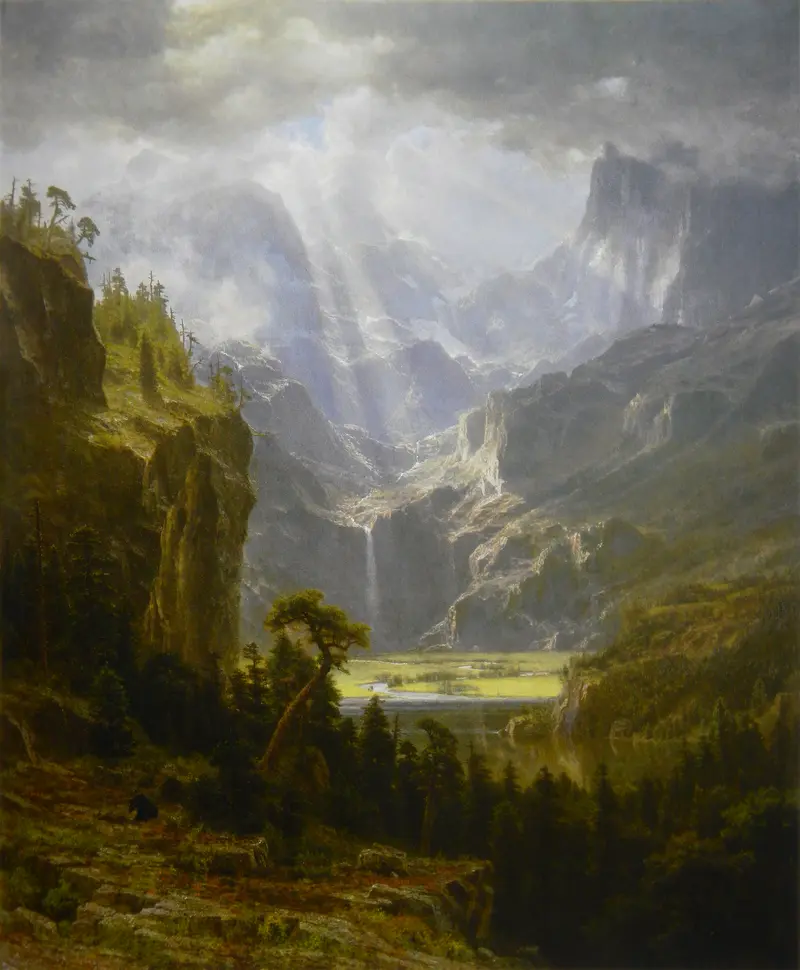
Rocky Mountains, Lander’s Peak
Albert Bierstadt

Valley of the Yosemite
Albert Bierstadt
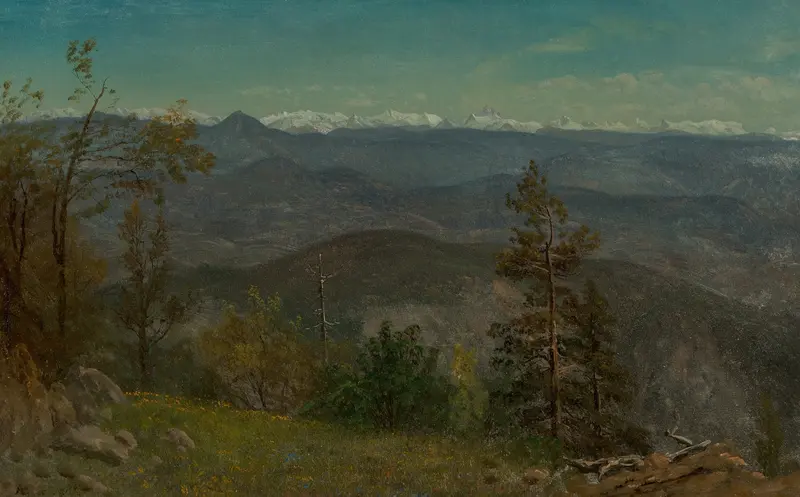
Yosemite Valley, California
Albert Bierstadt
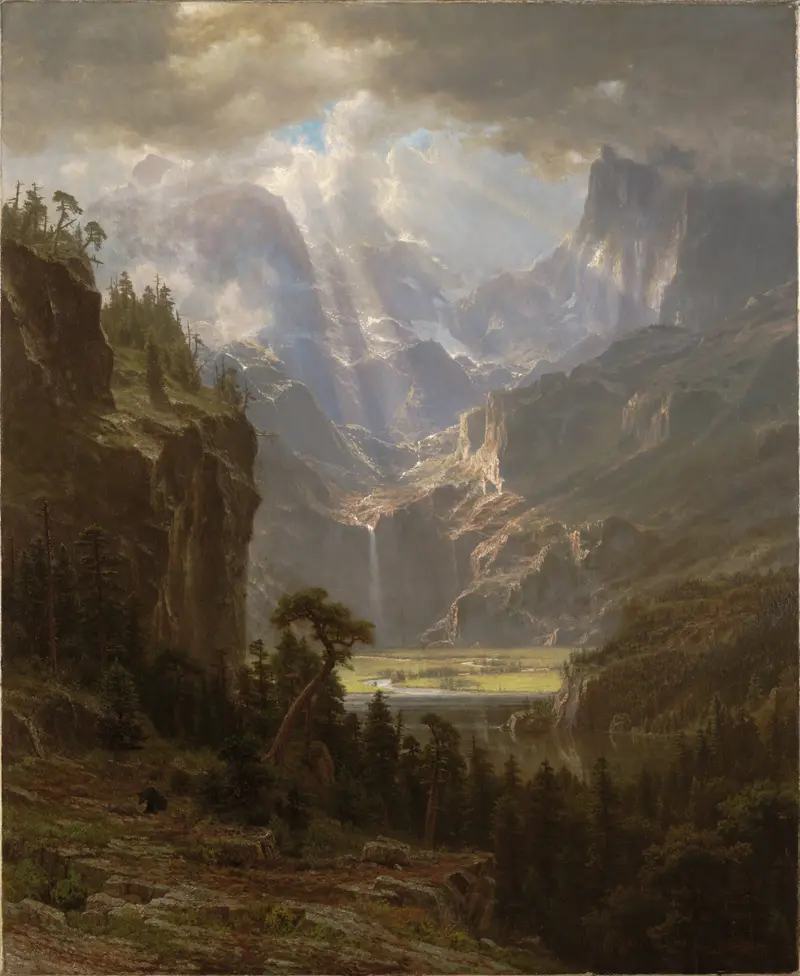
Rocky Mountains, "Lander's Peak"
Albert Bierstadt

Laramie Peak
Albert Bierstadt
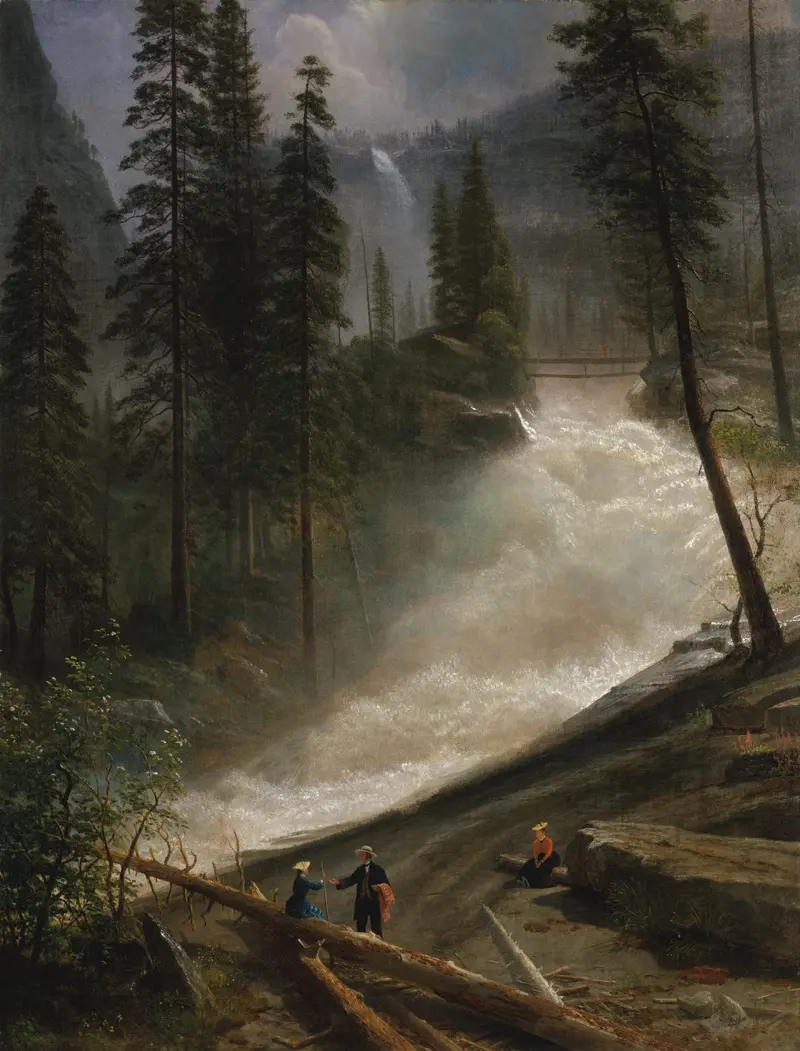
Nevada Falls, Yosemite
Albert Bierstadt
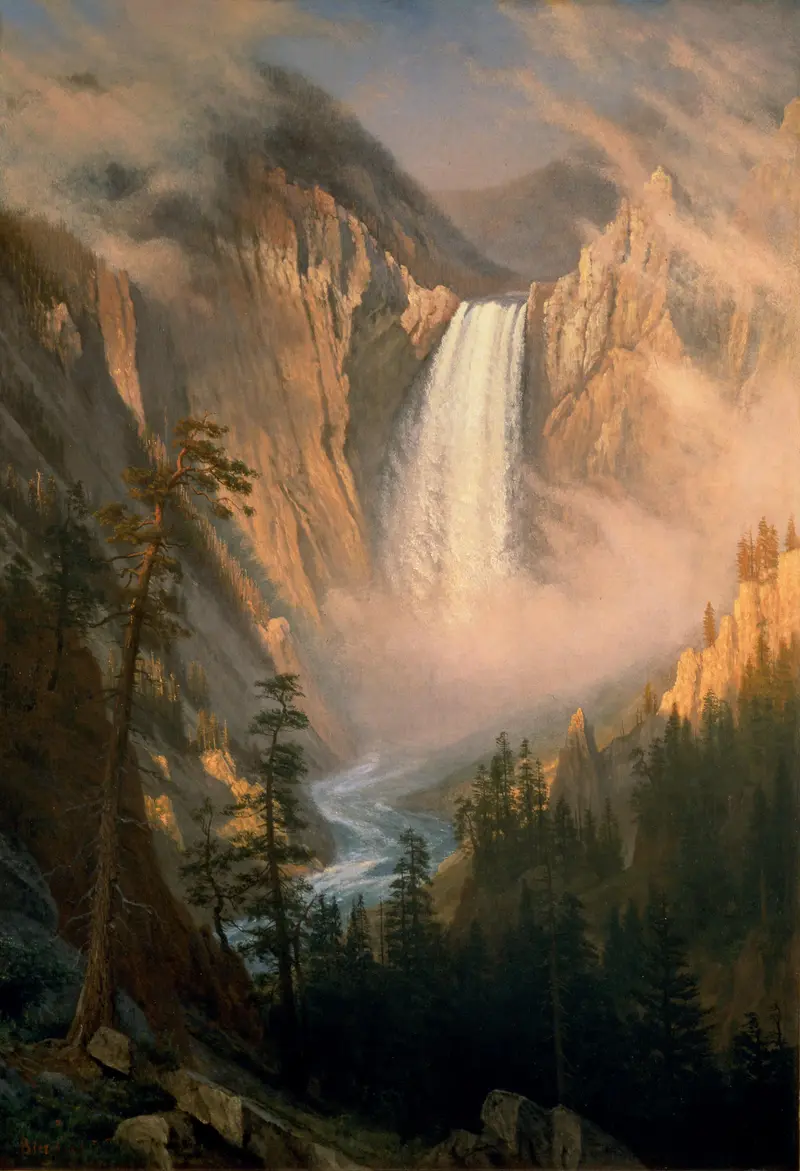
Yellowstone Falls
Albert Bierstadt





