
Seaport — History & Facts
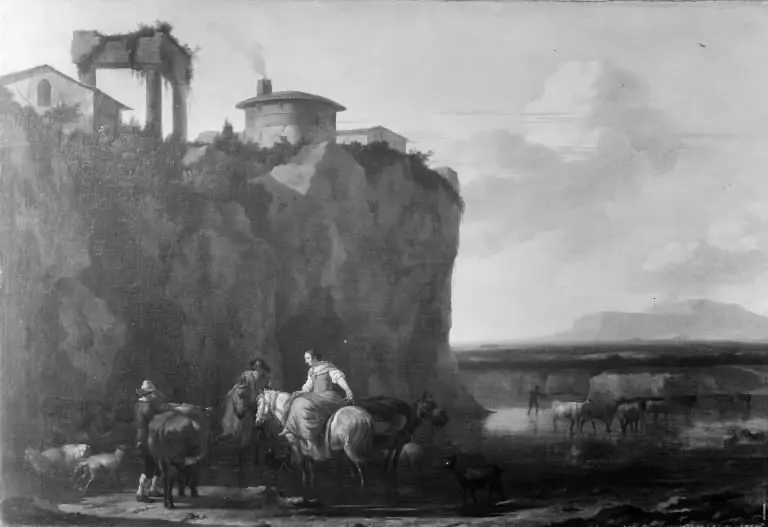
A shaft of morning light picks out the crumbling classical ruin at the painting’s right edge, where a group of travelers pause to rest, their gestures animated in quiet conversation. One figure leans forward, intent on a letter or map, while another, hat tipped back, seems to listen or perhaps offer advice. The scene opens outward from this intimate group: a dog waits nearby, and a child stands at the ready, as if the journey could resume at any moment.
Beyond, the eye is drawn to the distant bustle—wagons, horses, and ships masted against the horizon—hinting at the ceaseless movement of goods and people. The low vantage and expansive sky give the landscape a sense of openness, while the palette of earth tones and soft greys sets a mood of calm anticipation. Every detail, from the weathered stone to the loaded carts, signals a world in motion, pausing only for a breath. Painted in 1662, Seaport by Abraham Jansz.
Begeyn belongs to a tradition of Dutch Golden Age landscapes that celebrated both the reach of commerce and the rhythms of daily life. Scenes like this were prized by a new class of urban collectors—merchants, shipowners, and officials—who saw their own world reflected in the blend of industry and leisure. The genre thrived in a period when the Dutch Republic’s ports were gateways to the world, and painters responded with works that balanced documentary detail and idealized calm.
Little is recorded about the specific journey of this canvas, now in the collection of the Pinakothek, but its date places it in the heart of Begeyn’s career, when such scenes offered viewers a vision of prosperity and possibility. Stand before it, and the painting invites you to trace the paths of its travelers—and perhaps imagine your own.
More Artworks by Abraham Jansz. Begeyn

Landscape with people and cattle
Abraham Jansz. Begeyn
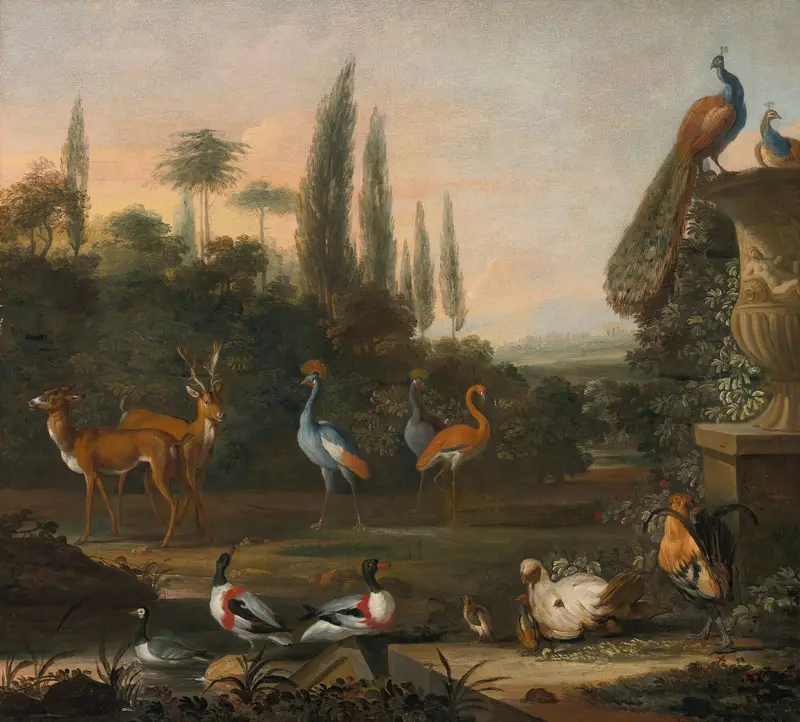
Landscape with deer and exotic birds
Abraham Jansz. Begeyn
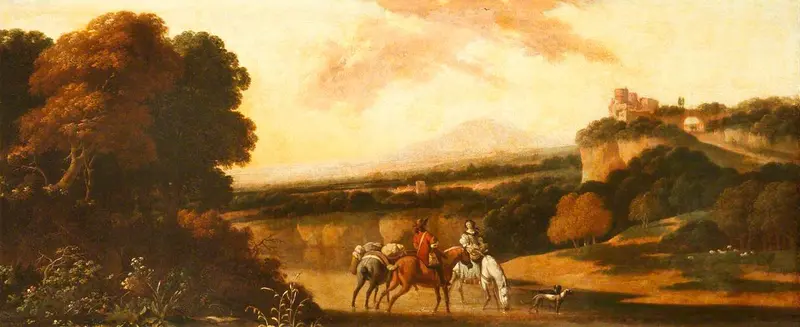
Landscape with Travellers
Abraham Jansz. Begeyn
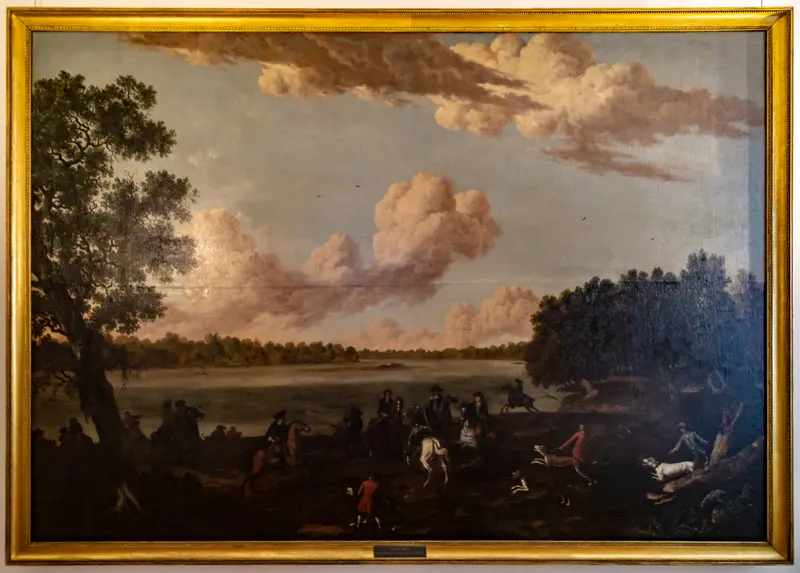
Prince Elector Frederick III of Prussia hunting at the Havel
Abraham Jansz. Begeyn
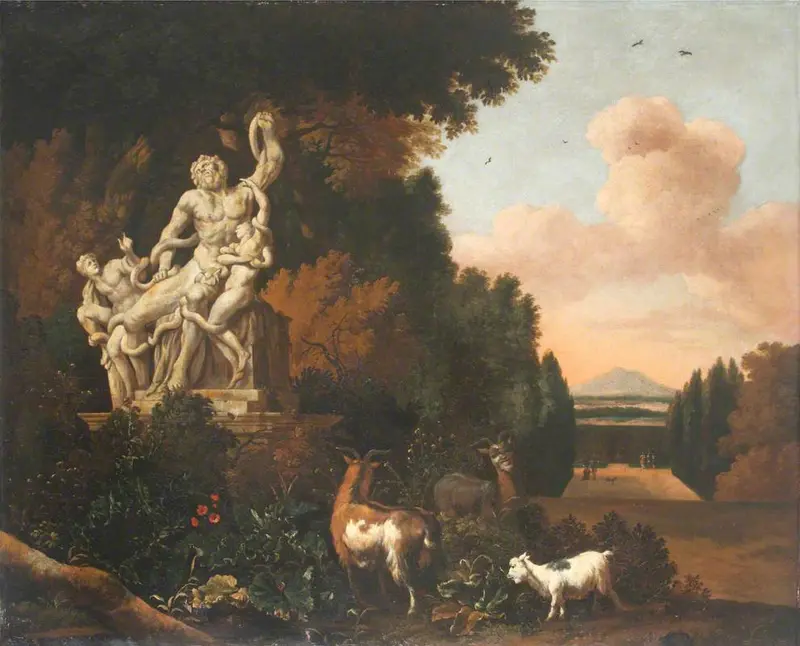
Landscape with Goats and a Statue of Laocoön
Abraham Jansz. Begeyn
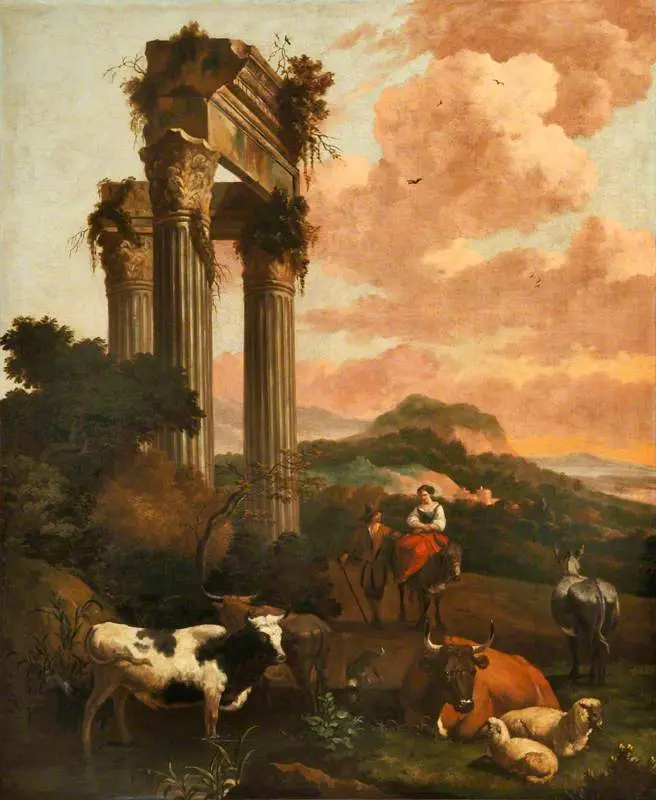
Landscape with Figures, Cattle and Sheep among Classical Ruins
Abraham Jansz. Begeyn
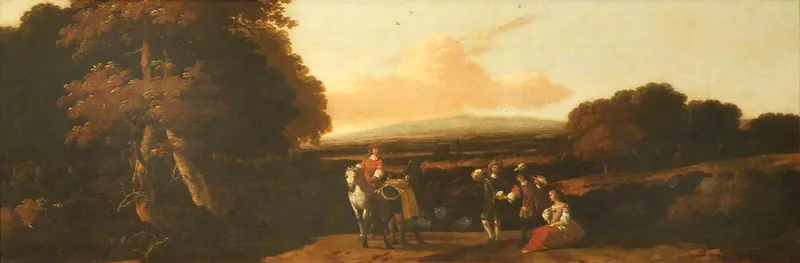
Landscape with Figures on a Road
Abraham Jansz. Begeyn
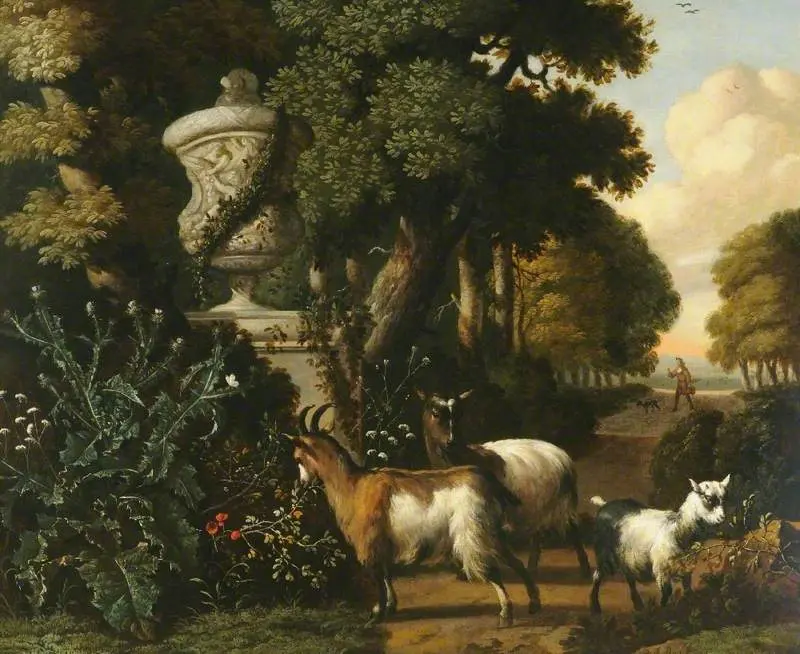
Landscape with Goats
Abraham Jansz. Begeyn
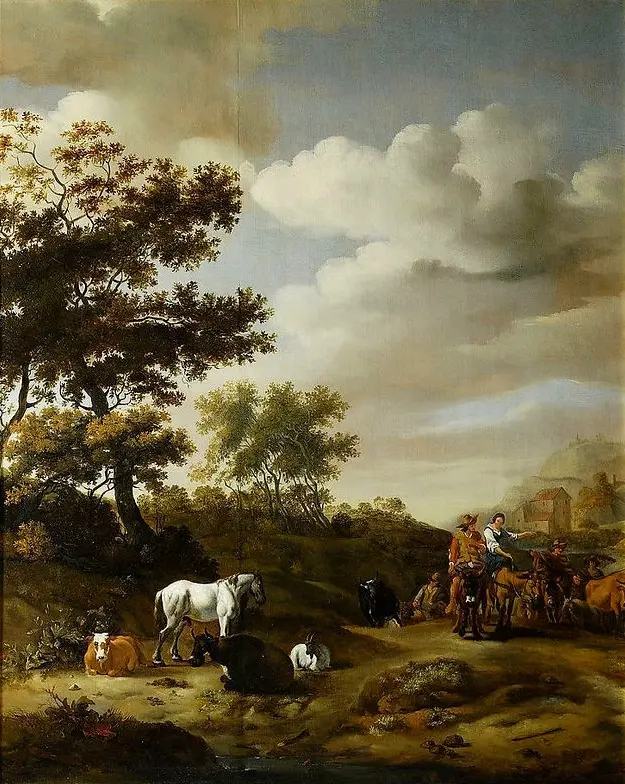
Landscape with travelers and cattle.
Abraham Jansz. Begeyn
The Ford
Abraham Jansz. Begeyn
More Landscape Art

The Starry Night
Vincent van Gogh

View of Delft
Johannes Vermeer

Water Lilies
Claude Monet

The Grand Canal, Venice, looking north-west from the Ca' Corner to the Ca' Contarini degli Scrigni, with the campanile of Santa Maria della Carità
Canaletto

Windsor Castle
Canaletto

The Grand Canal looking North-East from the Palazzo Dolfin-Manin to the Rialto Bridge
Canaletto