
Seascape — History & Facts
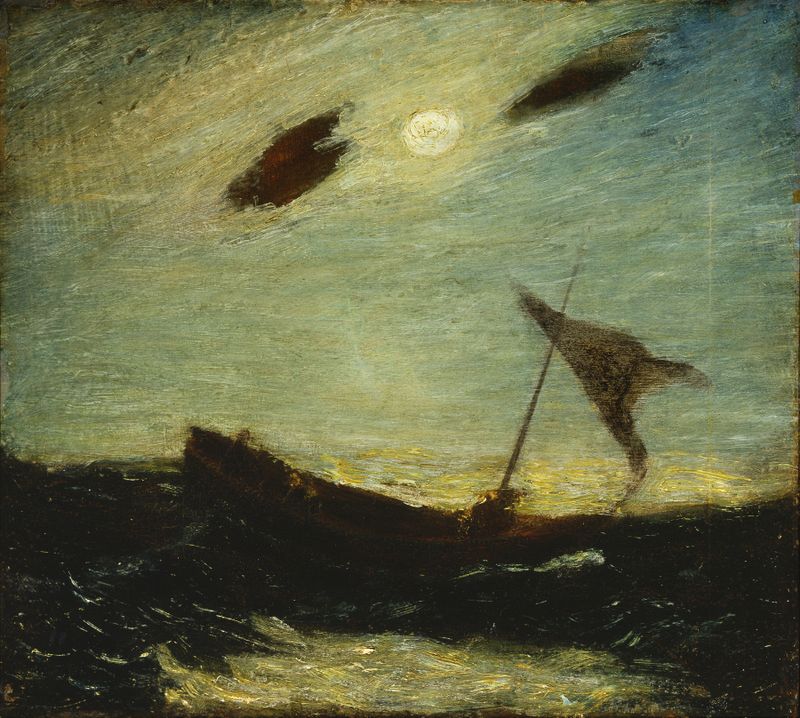
Where does light end, and longing begin? In Seascape, a world unfolds, capturing an essence of movement that seems to breathe with the tide. Look to the horizon where the tumultuous waves meet the soft glow of fading sunlight. The textured brushstrokes create a sense of turbulence, drawing the eye toward the delicate dance of foamy crests. Notice how the deep blues and greens blend seamlessly, evoking the weight of water and the vastness of the ocean, while hints of amber and gold flicker on the surface, instilling a sense of warmth amid the chaos. Within this seascape lies a profound interplay between serenity and unrest.
The contrasting elements of the stormy sky and glimmering water suggest a duality of emotions—hope amidst despair, tranquility against tumult. Small details, like the light refracting off the waves and the shadows cast by clouds, reveal a deeper narrative, inviting the viewer to ponder the connection between nature and human experience. During the late 19th century, Ryder created this piece amidst a burgeoning American art scene that embraced Romantic and Impressionist influences. While living in New York City, he sought to capture the power of nature and its emotional resonance within the soul.
This work reflects both personal longing and the broader artistic shift toward exploring the interplay of light, color, and atmosphere in expressing the sublime qualities of the natural world.
More Artworks by Albert Pinkham Ryder
Browse all →
The Toilers of the Sea
Albert Pinkham Ryder
Moonlight
Albert Pinkham Ryder

The Lorelei
Albert Pinkham Ryder

With Sloping Mast And Dipping Prow
Albert Pinkham Ryder

The Temple of the Mind
Albert Pinkham Ryder

Moonlight Marine
Albert Pinkham Ryder

The Lovers’ Boat
Albert Pinkham Ryder

Harvest
Albert Pinkham Ryder

Under a Cloud
Albert Pinkham Ryder
The River
Albert Pinkham Ryder





