
Seascape II — History & Facts
What secret hides in the quiet of the canvas? The stillness of the water speaks volumes, urging us to delve deeper into its serene embrace. Look to the left at the gentle curvature of the horizon, a delicate line where the sky and water meet in a soft gradient of blues and whites. The brushwork is fluid, a dance of pastel tones that breathes life into the scene. Notice how the dappled sunlight caresses the waves, revealing subtle hints of green and gold that shimmer like whispers across the surface.
The composition is anchored by a few wispy clouds above, framing the expansive tranquility while inviting the viewer's gaze to wander. This painting resonates with contrasts—the calmness of the sea juxtaposed against the ephemeral nature of light, suggesting a fleeting moment captured in time. The quietude invites contemplation, while the interplay of color hints at deeper emotions, perhaps reflecting the artist's personal struggles or hopes. Each stroke seems to tell a story, echoing a truth that lies beneath the surface, waiting to be uncovered. Józef Pankiewicz painted Seascape II in 1907 during a transformative period in his career, influenced by the aesthetics of Impressionism.
At that time, he was immersed in the vibrant art scene of Paris, where he encountered new techniques and ideas that shaped his approach. The world was on the cusp of modernity, and his work both reflects and challenges the artistic norms of his era, capturing a moment of beauty amidst the complexities of life.
More Artworks by Józef Pankiewicz
Browse all →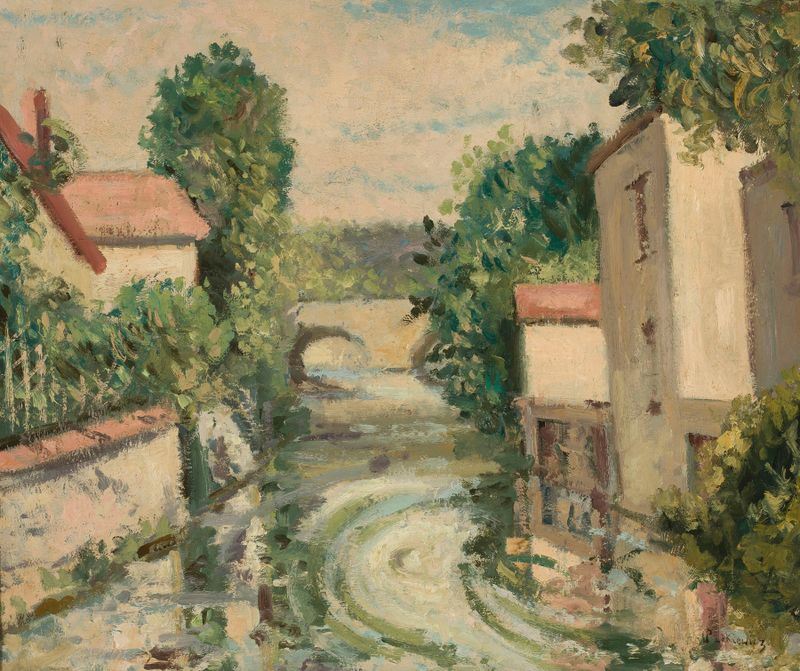
Landscape
Józef Pankiewicz

Cab in the Rain
Józef Pankiewicz
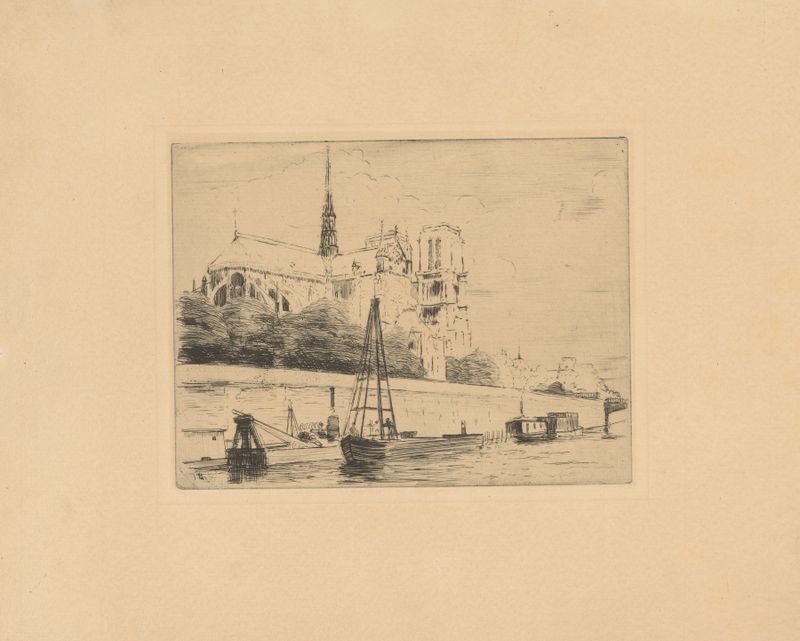
Notre Dame Cathedral in Paris
Józef Pankiewicz
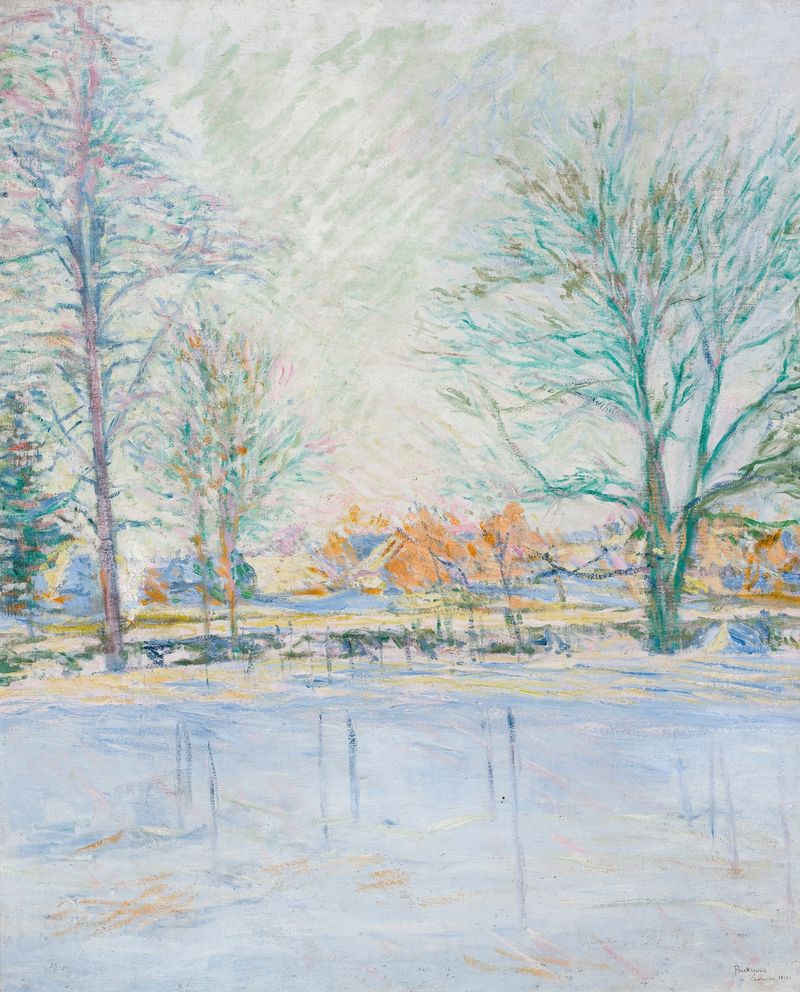
Landscape from Czarnolas
Józef Pankiewicz
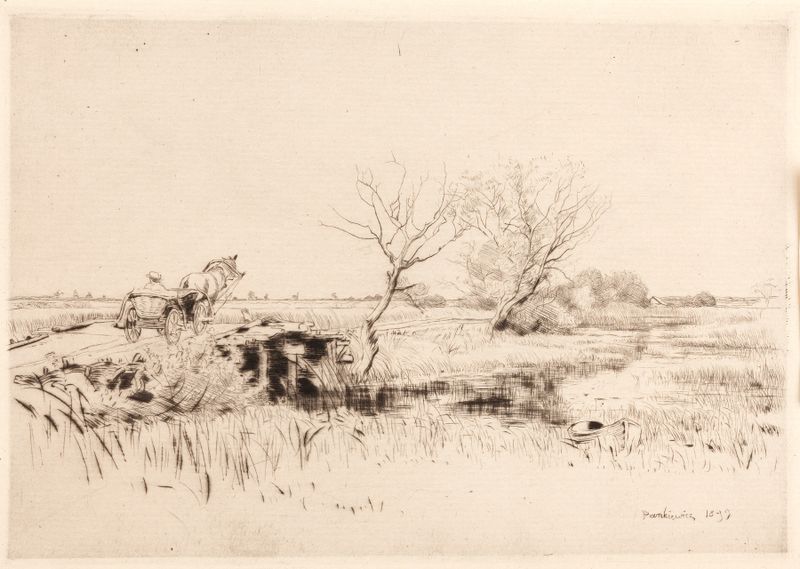
Pińsk Channel in Polesie I
Józef Pankiewicz
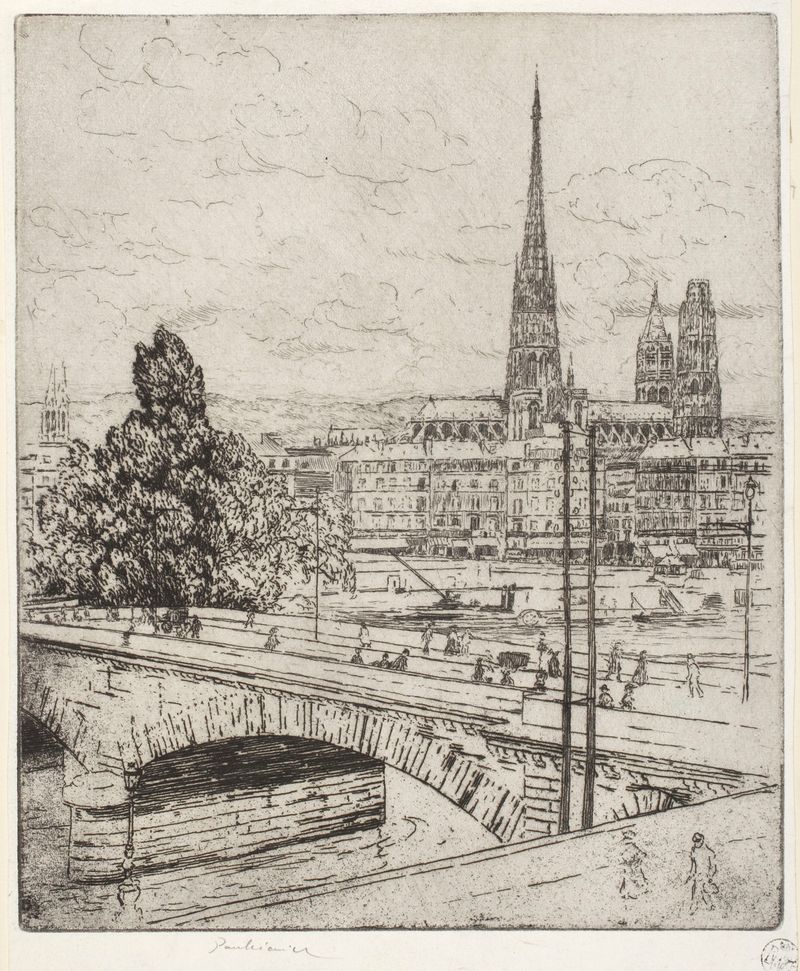
Pont Corneille in Rouen
Józef Pankiewicz
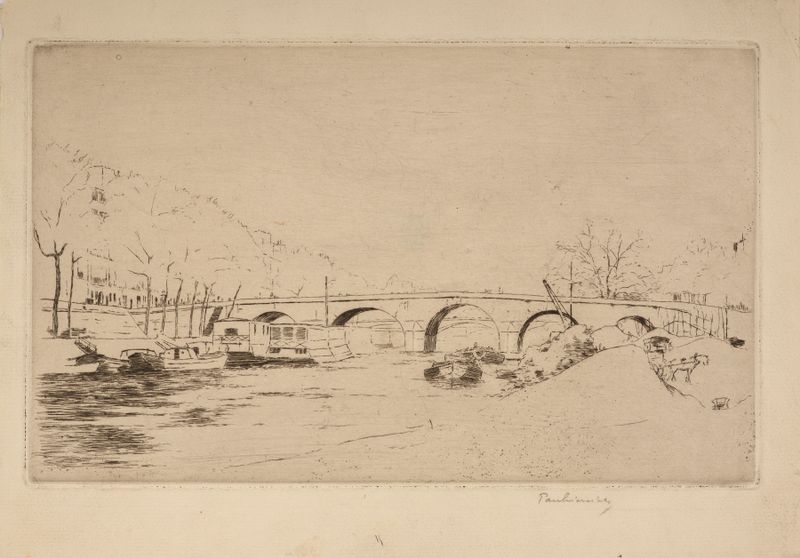
Pont Marie in Paris
Józef Pankiewicz

Rouen – portal from the Church of St Maclou
Józef Pankiewicz
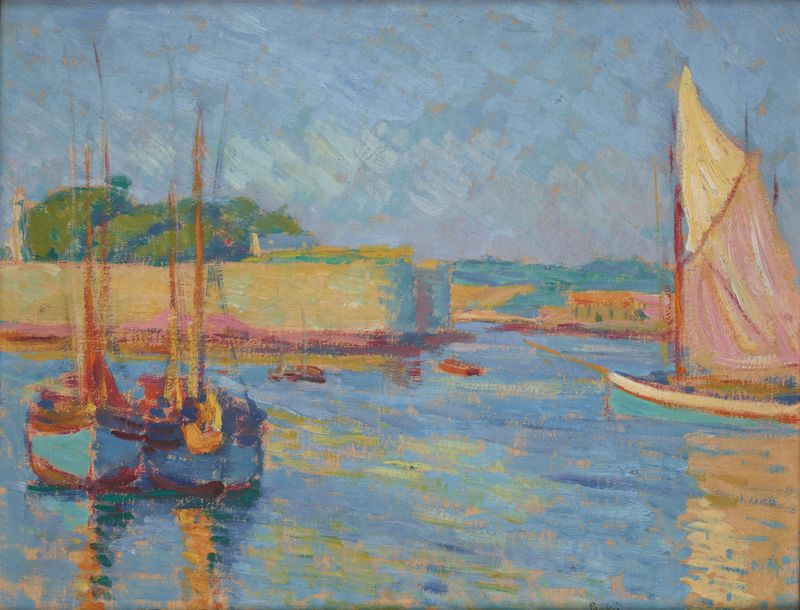
Harbour at Concarneau
Józef Pankiewicz
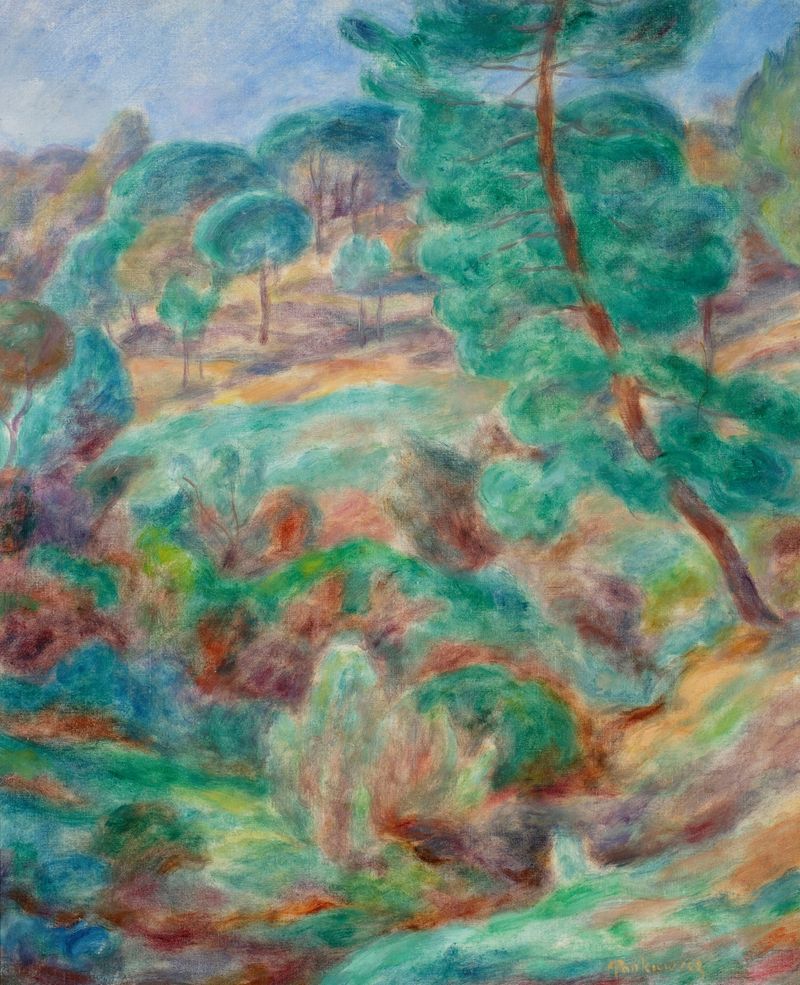
Landscape from Saint-Tropez – Stone pines
Józef Pankiewicz





