
Seascape with a Wreck — History & Facts
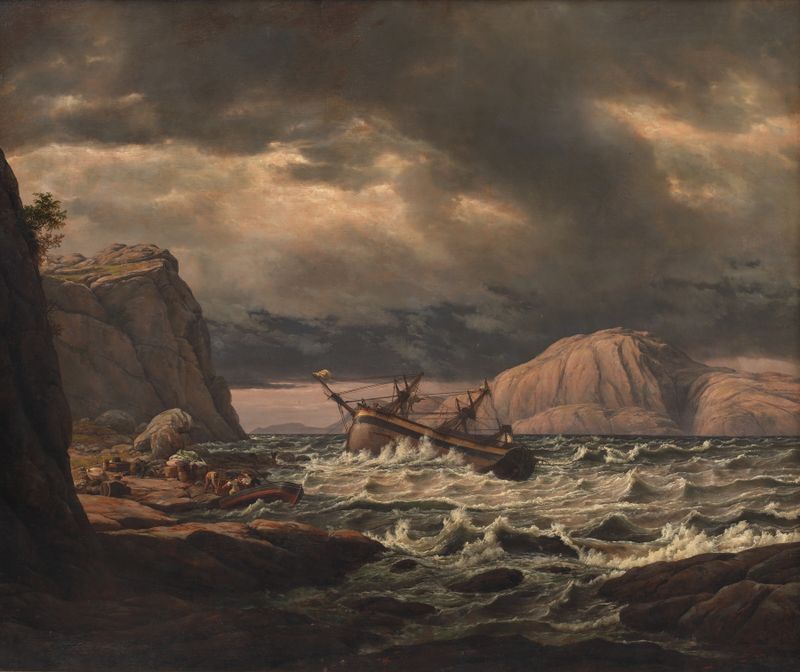
In Seascape with a Wreck, the artist transforms a moment of despair into a symphony of color and emotion. With each stroke, he captures the beauty hidden within decay, prompting us to confront the delicate balance between destruction and serenity. Look to the right at the remnants of the shipwreck, fragmented and forlorn against the tumultuous waves. Notice how the light dances upon the water, shimmering with hints of turquoise and deep navy, illuminating the chaos of the sea.
The composition boldly contrasts the dark, stormy clouds looming overhead with the vibrancy of the crashing waves, creating a dramatic tension that pulls the eye into the heart of the scene. Each brushstroke narrates a story of loss, while the palette whispers of resilience. As you delve deeper, observe the delicate interplay of man versus nature. The wreck symbolizes not only physical deterioration but also human vulnerability in the face of elemental forces.
The turbulent waves, full of energy, seem to roar against the stillness of the land, highlighting the fragility of existence. A few scattered seabirds, silhouetted against the darkening sky, embody the fleeting nature of freedom, reminding us of the inevitable cycle of destruction and rebirth. In 1831, Johan Christian Dahl painted this evocative piece in Norway, during a time when Romanticism captured the awe of nature's grandeur and unpredictability. Europe was witnessing significant artistic shifts, as artists began to express personal emotions and experiences through their work.
Dahl, often considered the father of Norwegian landscape painting, found inspiration in his homeland’s dramatic coastal scenes, reflecting the tumultuous relationship between humanity and the natural world.
More Artworks by Johan Christian Dahl
Browse all →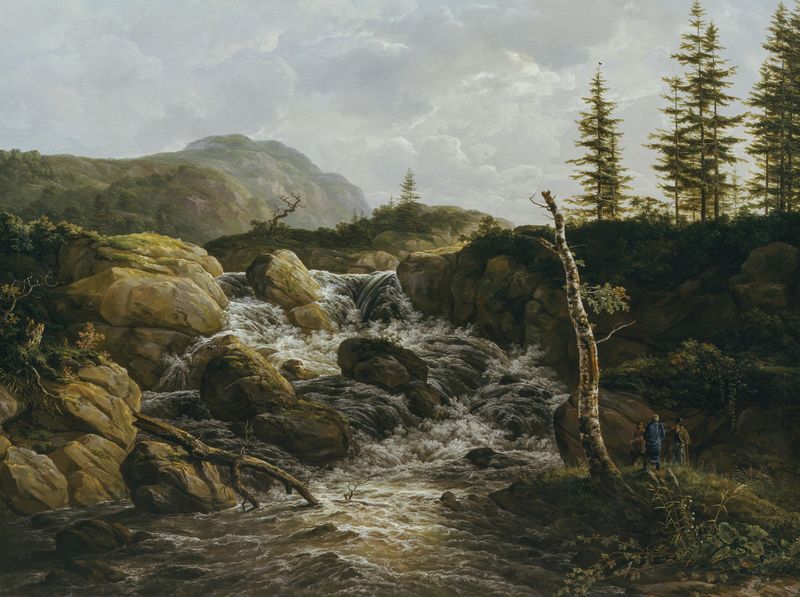
Mountainous Landscape with a Waterfall, Norway
Johan Christian Dahl
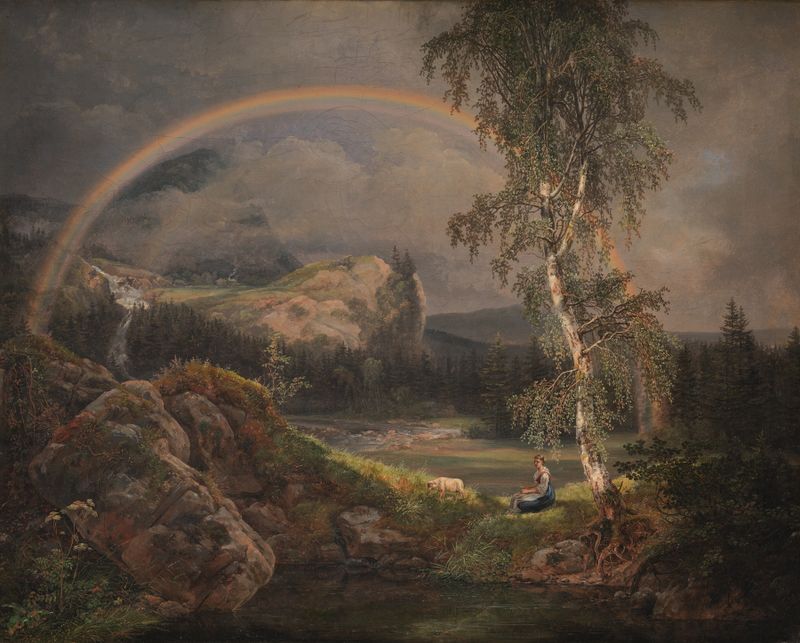
Norwegian Landscape with a Rainbow
Johan Christian Dahl
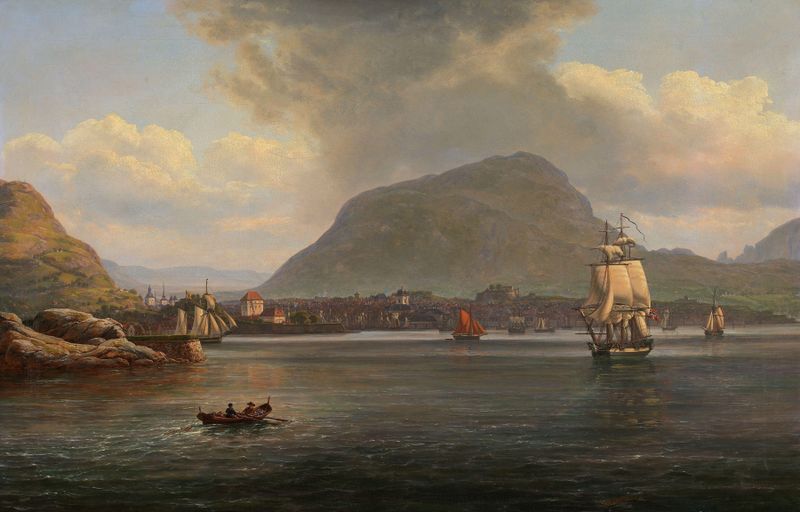
Bergen seen from the northern Inlet
Johan Christian Dahl
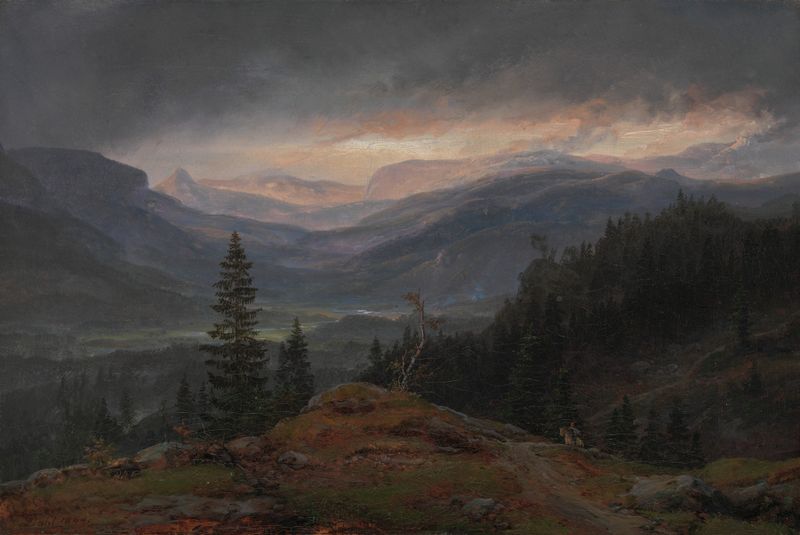
View over Hallingdal
Johan Christian Dahl
View over Øresund near the Lime Works
Johan Christian Dahl
A Shipwreck on the Coast of Norway
Johan Christian Dahl
View of a Lake, Norway
Johan Christian Dahl
The Watzmann
Johan Christian Dahl
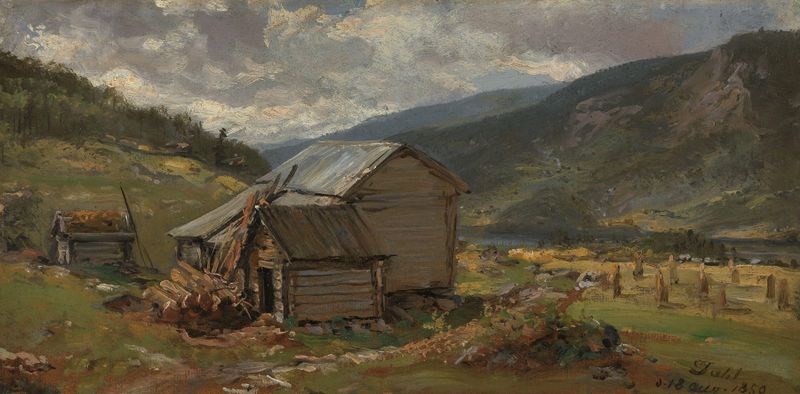
View of Hjelle in Valdres
Johan Christian Dahl

View At Skjolden In Lyster
Johan Christian Dahl





