
Seascape with Iceberg — History & Facts
In the realm of dreams, the vastness of the sea beckons, inviting contemplation and wonder. Focus first on the shimmering cerulean waters that stretch across the canvas. Notice how the sunlight dances upon the gentle waves, each brushstroke capturing the fleeting essence of the moment. To the left, an imposing iceberg rises majestically, its crisp whites and blues contrasting with the warm tones of the sky.
The horizon seems infinite, drawing your gaze into the deeper mysteries of the ocean. Digging deeper, the iceberg symbolizes fragility amidst grandeur, reflecting nature's duality of beauty and danger. The tranquil surface of the water hides the tumultuous depths below, suggesting a latent power beneath the calm. This tension between serenity and threat resonates with the viewer, evoking a sense of adventure and introspection, as if daring us to confront our own fears and dreams. Frederic Edwin Church painted Seascape with Iceberg in 1859 during a period marked by heightened interest in the American Romantic movement.
At this time, he was thriving in New York, having emerged as a leading figure in landscape painting, often capturing the splendor and complexities of nature. His works were influenced by his travels and the burgeoning fascination with the natural world, reflecting both the grandeur of creation and the human experience within it.
More Artworks by Frederic Edwin Church
Browse all →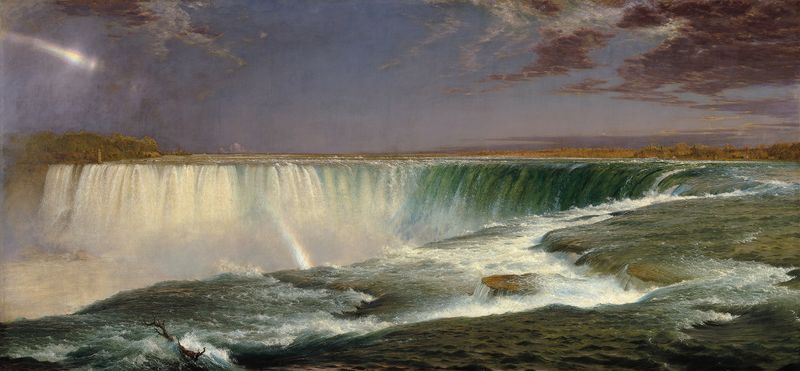
Niagara
Frederic Edwin Church

Cotopaxi
Frederic Edwin Church

Cotopaxi
Frederic Edwin Church
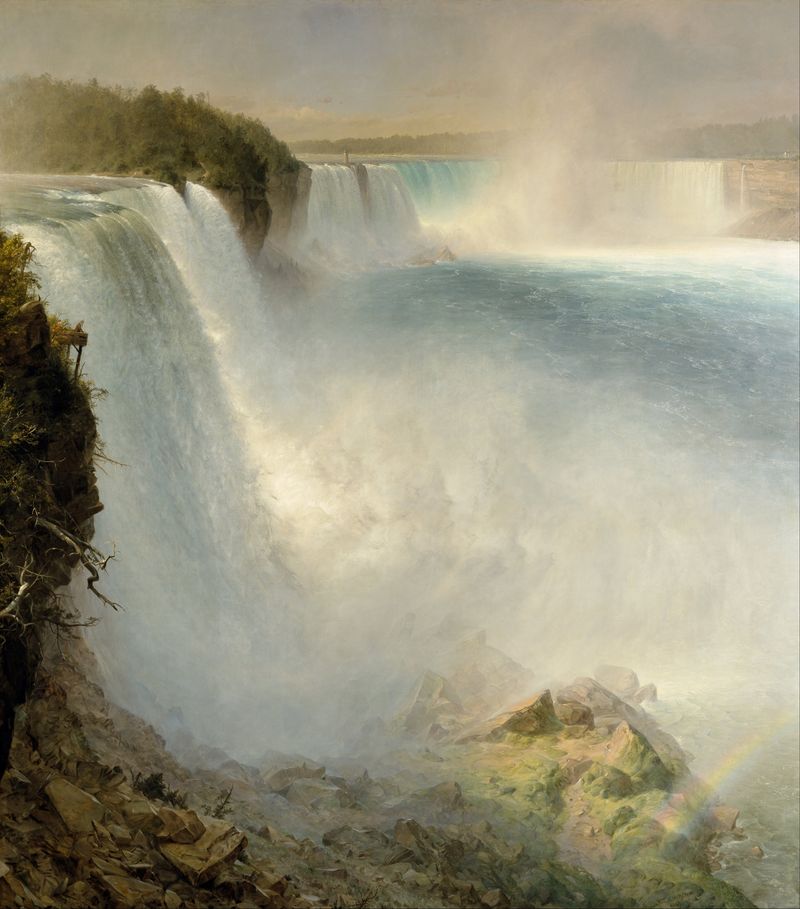
Niagara Falls, from the American Side
Frederic Edwin Church

Twilight in the Wilderness
Frederic Edwin Church

Hudson Valley at Sunset
Frederic Edwin Church

The Hintersee, near Berchtesgaden, Bavaria
Frederic Edwin Church

Mountains near Baalbec
Frederic Edwin Church

Aurora Borealis
Frederic Edwin Church

Cotopaxi
Frederic Edwin Church





