Seascape with Rocks — History & Analysis
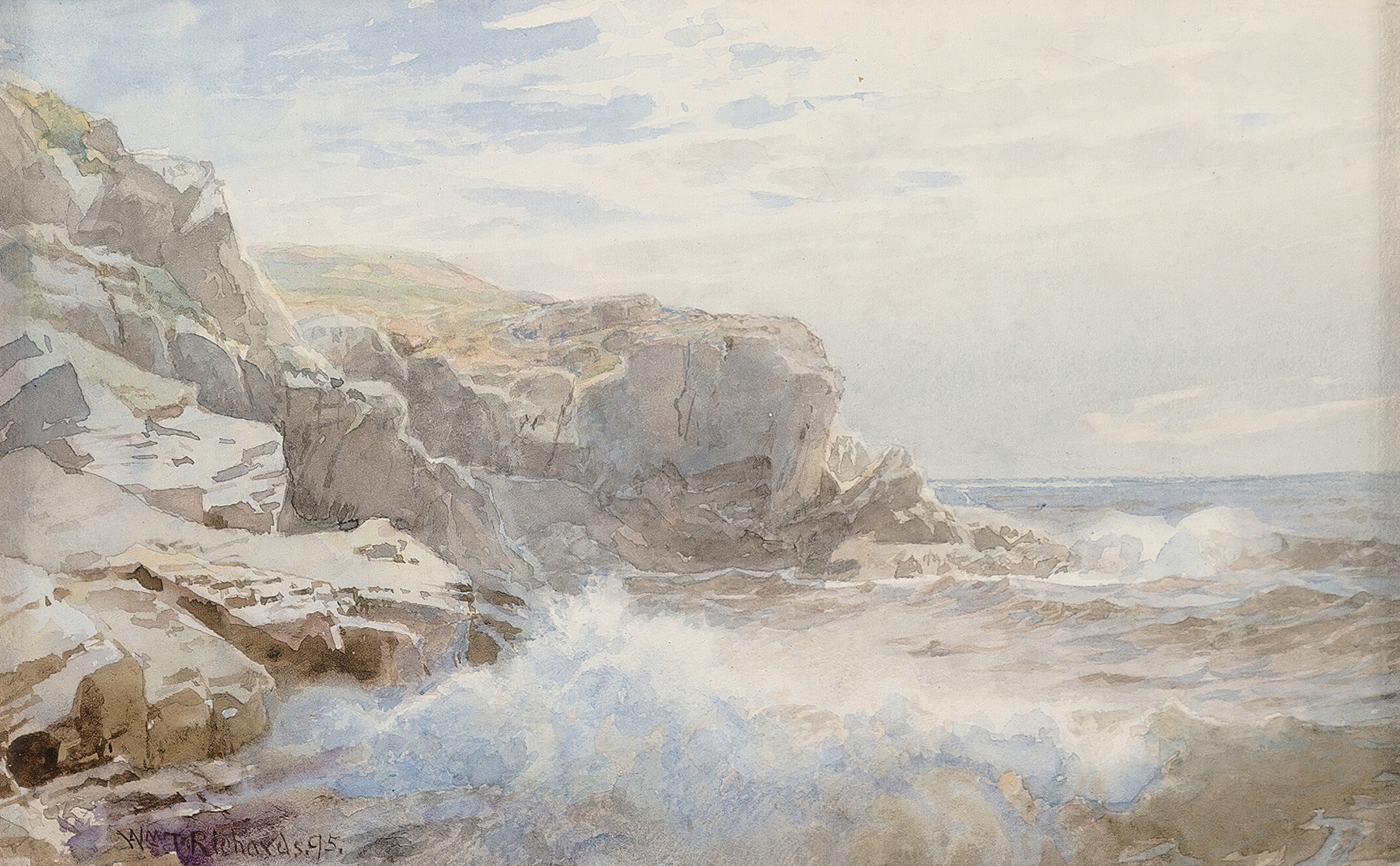
Is this a mirror — or a memory? In Seascape with Rocks, the emotional stillness of the ocean invites contemplation, evoking a profound sense of loss that resonates deeply within the viewer’s heart. Look to the tumultuous waves crashing against rugged cliffs, their frothy white edges contrasting sharply with the deep blues and greens of the water. Focus on the way the light dances across the surface, illuminating the crests and troughs, while shadows linger between the rocks, creating dramatic tension.
Notice how the composition guides your gaze toward the horizon, suggesting both an end and a beginning, a continuous cycle of ebb and flow that captures nature's unyielding power. The interplay between light and shadow conveys an emotional dichotomy — joy and sorrow, hope and despair. The persistent waves symbolize the relentless passage of time, reminding us of what is lost yet remains imprinted in our memories. The rocks themselves, steadfast and enduring, embody resilience in the face of change, standing as silent witnesses to countless stories of love and loss.
Created in the 1890s, during a time of great innovation in American art, Seascape with Rocks reflects William Trost Richards’ dedication to naturalism and detail. Living in Pennsylvania, he found inspiration in the coastal landscapes of New England, a place that mirrored his own experiences of transformation and nostalgia. This painting encapsulates both his mastery and the broader artistic movements of the era, where nature was increasingly seen as a subject worthy of reverence and exploration.