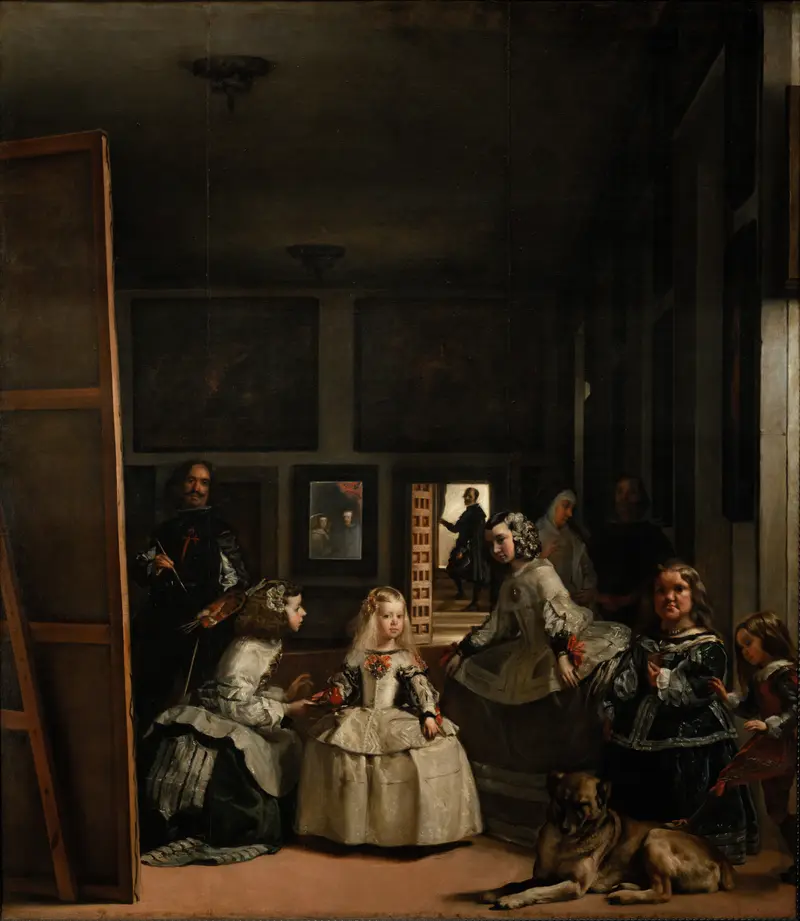
Seated Man — History & Facts
No other known work by Jules Schmalzigaug has prompted as much speculation as Seated Man. The absence of a date or clear provenance has made it a puzzle for art historians, who have debated whether it belongs to his early Antwerp years or his later Italian period. This uncertainty has only heightened the painting’s allure, as Schmalzigaug’s brief but influential career left few finished canvases behind.
The figure’s ambiguous identity—neither portrait nor obvious type—adds to the sense of enigma that surrounds the work. At the center sits a solitary man, his posture both relaxed and alert, as if caught in a moment of introspection or anticipation. The background is spare, drawing the viewer’s focus to the sitter’s sharply defined features and the play of light across his hands. The man’s gaze is averted, not meeting the viewer, suggesting a private world of thought.
Compared to the dynamic, swirling compositions of Schmalzigaug’s Futurist contemporaries, such as those seen in Umberto Boccioni’s Portrait of Ferruccio Busoni, this painting is striking for its quiet restraint and psychological depth. The subdued palette and careful modeling hint at influences from both the Belgian Symbolists and the Italian modernists Schmalzigaug admired. Little is known about the journey of Seated Man from the artist’s studio to its current home in the online gallery. No records of a commission or early exhibition survive, and the painting’s medium remains undocumented, though it is presumed to be oil on canvas.
Its anonymity in Schmalzigaug’s lifetime is not unusual; many of his works were only catalogued posthumously, as interest in his contribution to the Futurist movement revived in the late twentieth century. Today, Seated Man stands as a testament to Schmalzigaug’s ability to blend introspection with modernist experimentation, inviting viewers to linger in the unresolved space between sitter and artist.
More Artworks by Jules Schmalzigaug

A View of Scheveningen
Jules Schmalzigaug
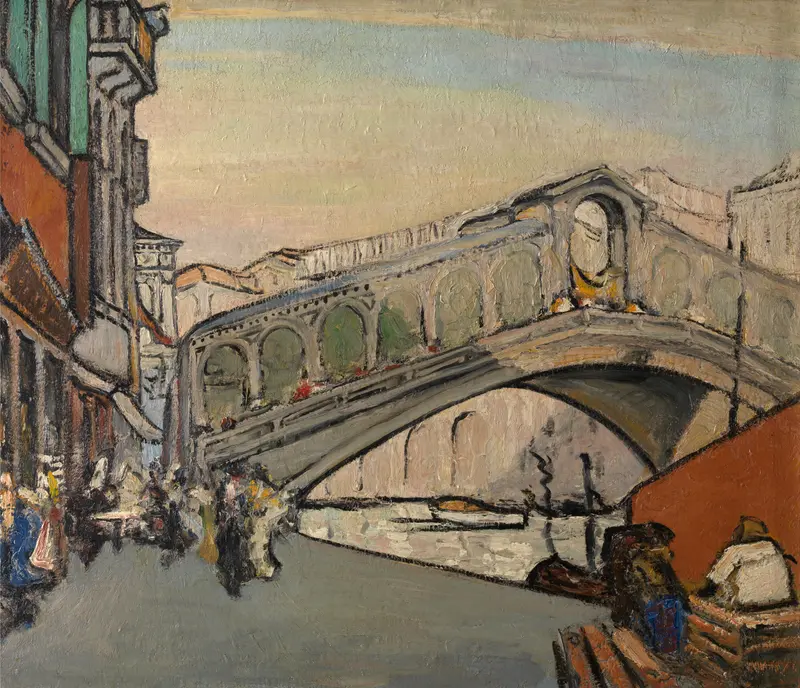
The Rialto Bridge in Venice
Jules Schmalzigaug

Abstract Bouquet
Jules Schmalzigaug
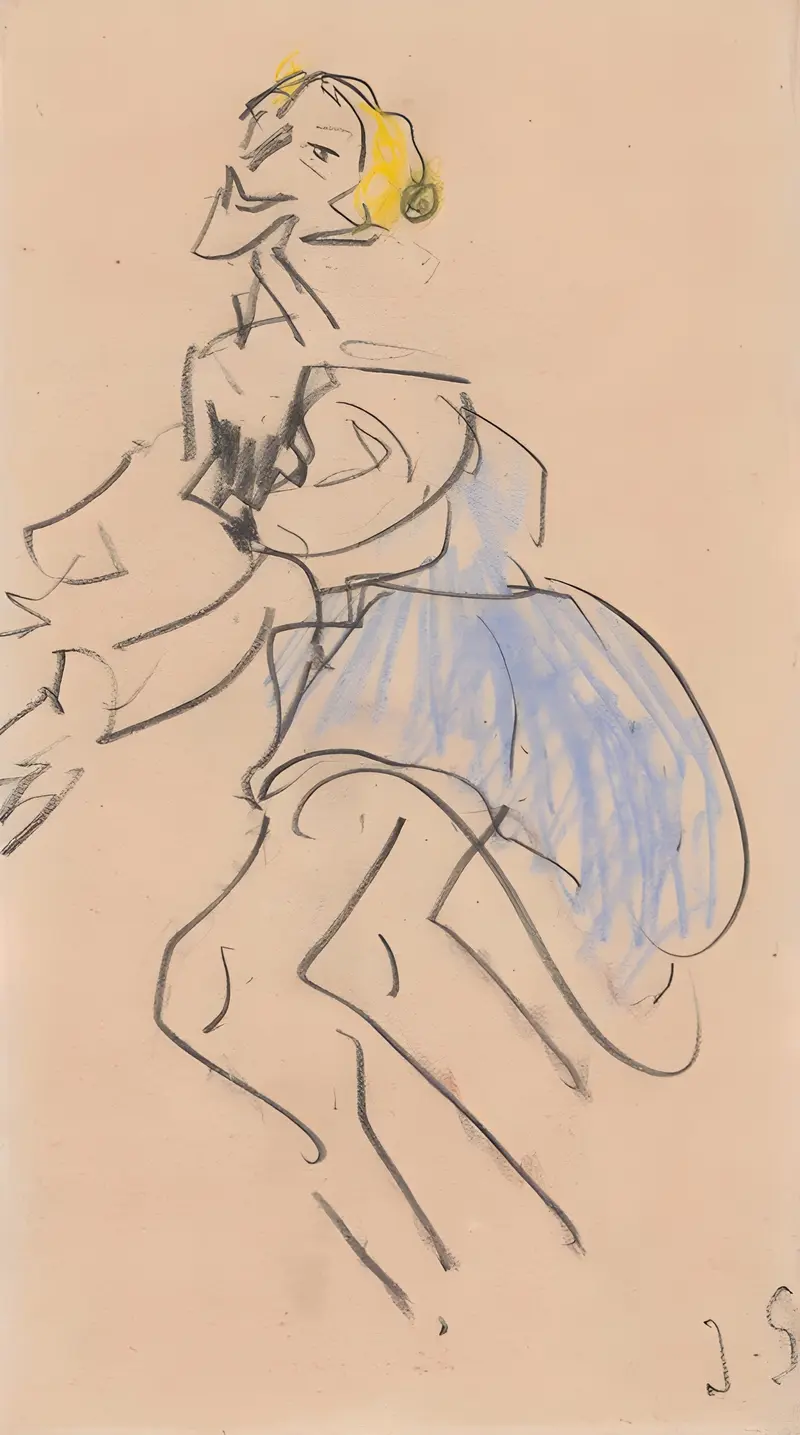
Dancer
Jules Schmalzigaug
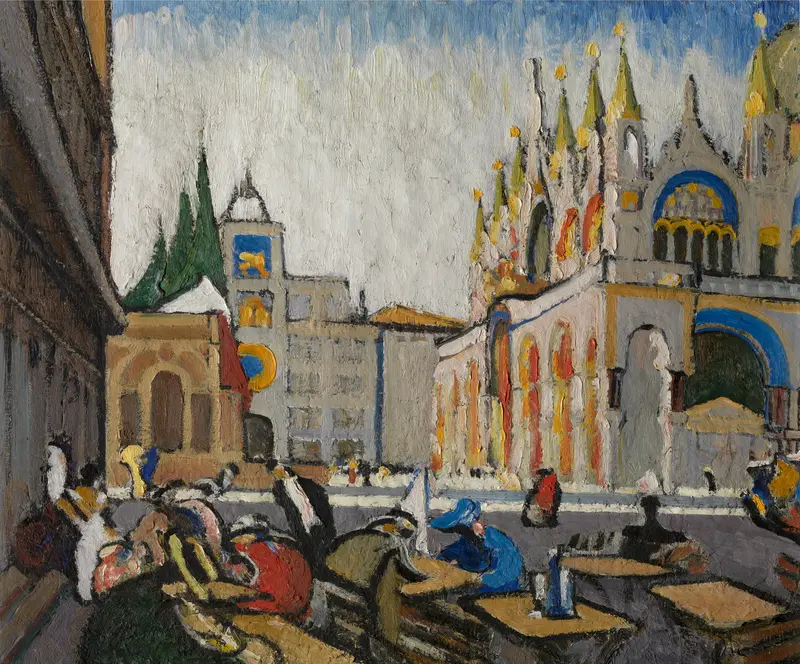
San Marco from the Piazetta
Jules Schmalzigaug
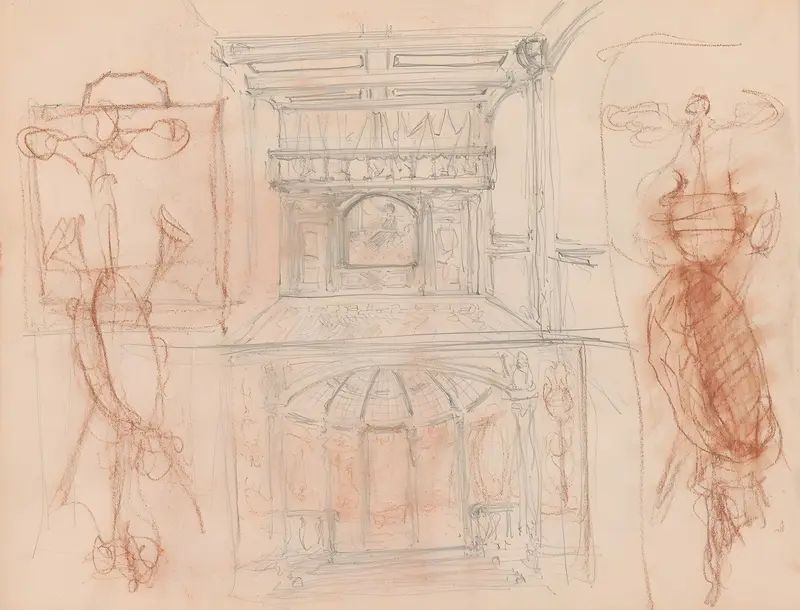
Architectural Elements
Jules Schmalzigaug
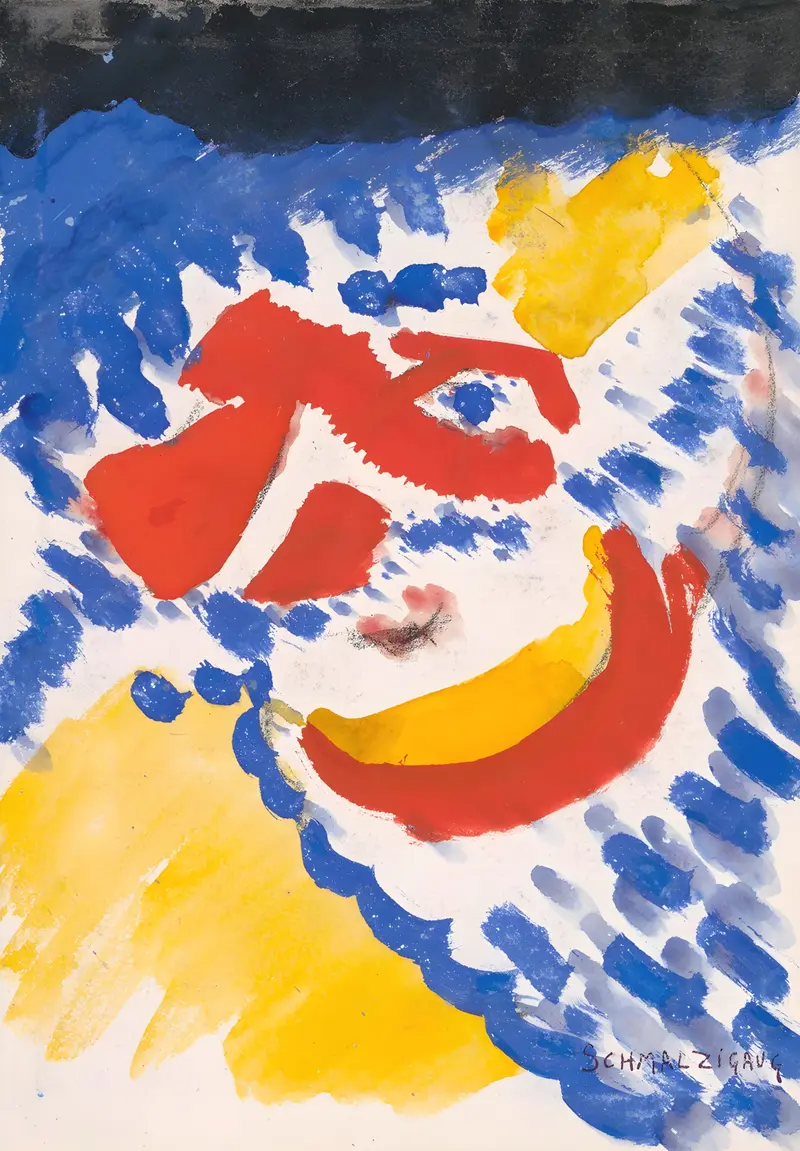
Blue, Red and Yellow Figures
Jules Schmalzigaug
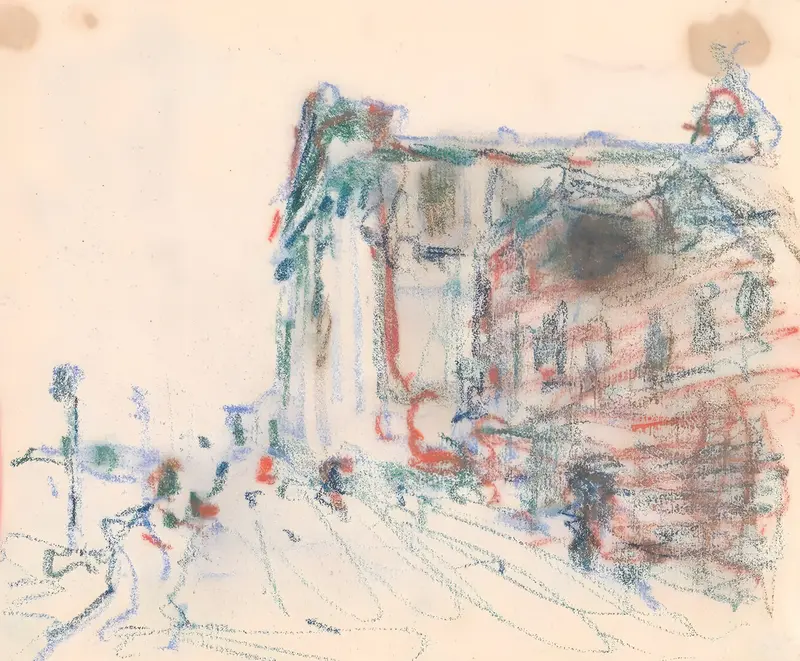
Chiesa dei Gesuati in Venice
Jules Schmalzigaug
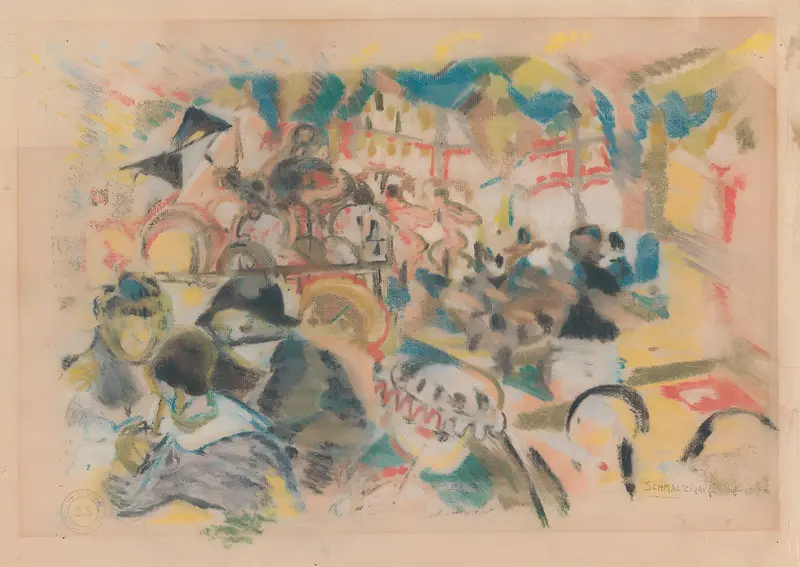
Café-chantant
Jules Schmalzigaug
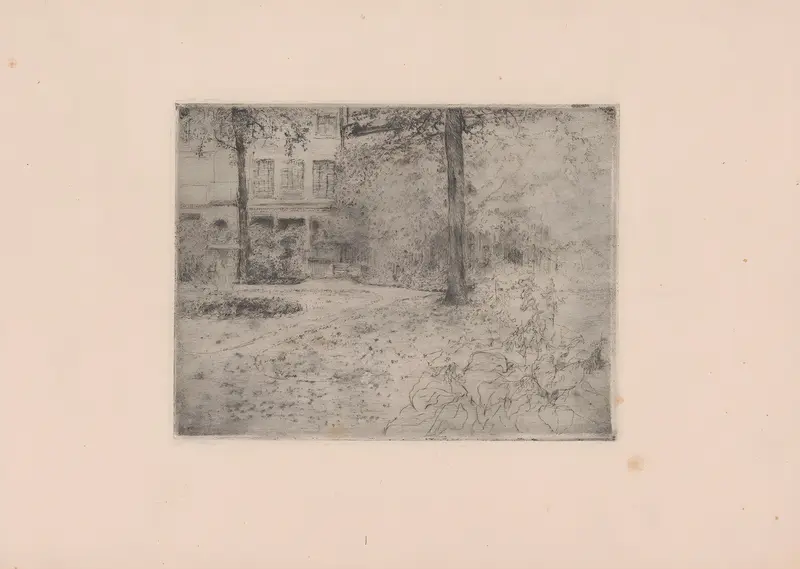
Backyard
Jules Schmalzigaug