
Self-portrait — History & Facts
What first draws the viewer in is the unwavering, almost challenging gaze that meets them across centuries. The sitter’s face emerges from a shadowed, earth-toned background, every detail of his long, flowing hair and the crisp, knotted white cravat rendered with care. Light falls directly upon his forehead and cheekbones, sculpting the features with a quiet intensity, while the mouth is set in a subtle, self-assured line.
The composition is spare, yet the sitter’s presence fills the frame: the directness of his eyes, the slight lift of an eyebrow, the meticulous attention to the luminous folds of his scarf—all conspire to create a portrait that is both intimate and quietly assertive. This is the world of the Dutch Golden Age, when artists like Adriaen van de Velde—to whom this self-portrait is attributed—were exploring new ways to capture individuality and status. Painted in the 17th century, as documented by the source, such portraits were often commissioned by prosperous citizens eager to assert their place in a rapidly changing society. The restrained palette and sober background reflect the era’s taste for understatement, while the fine detail in the sitter’s dress signals both prosperity and refinement.
History has kept few traces of this particular canvas’s journey, but its confident execution and directness invite us to linger, searching for the person behind the gaze.
More Artworks by Adriaen van de Velde

Staande stier
Adriaen van de Velde
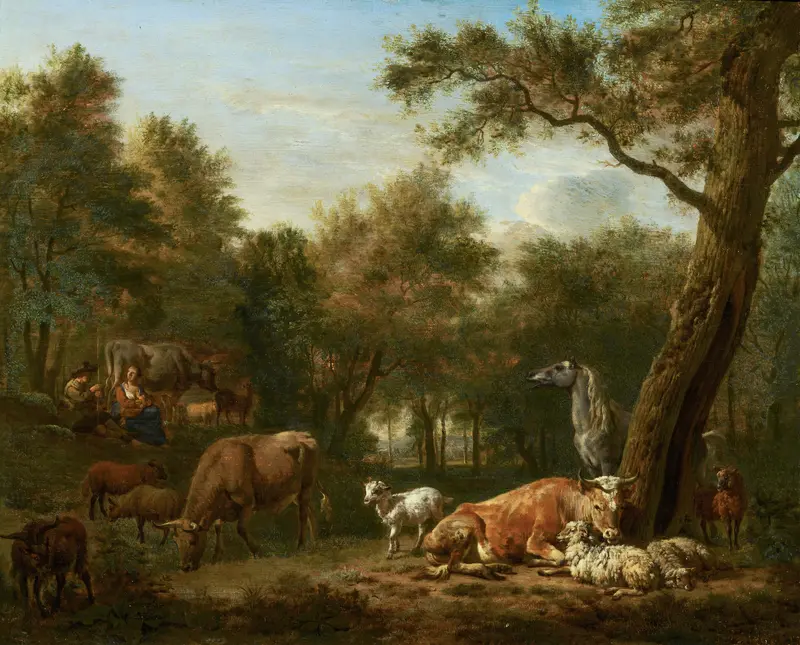
Wooded Landscape with Cattle
Adriaen van de Velde
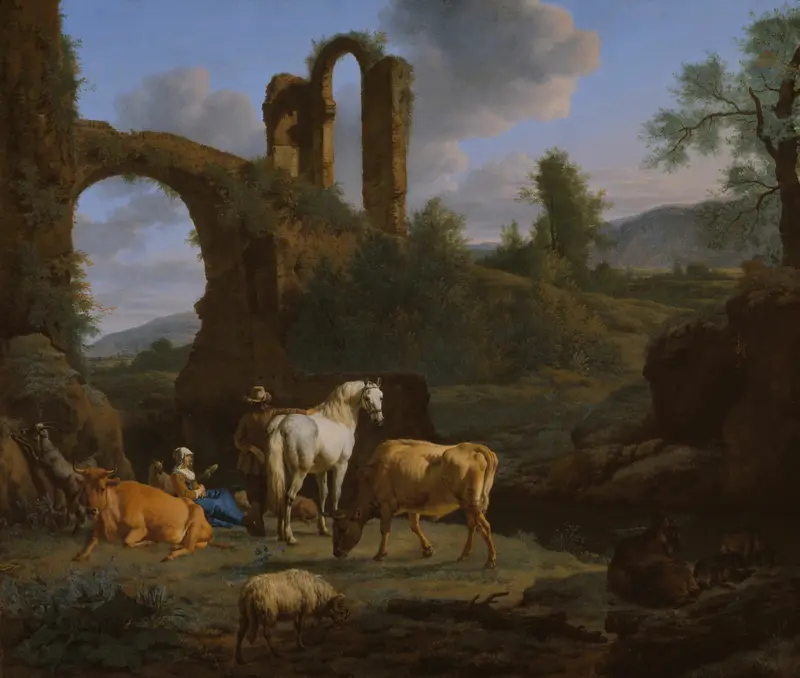
Pastoral Landscape with Ruins
Adriaen van de Velde
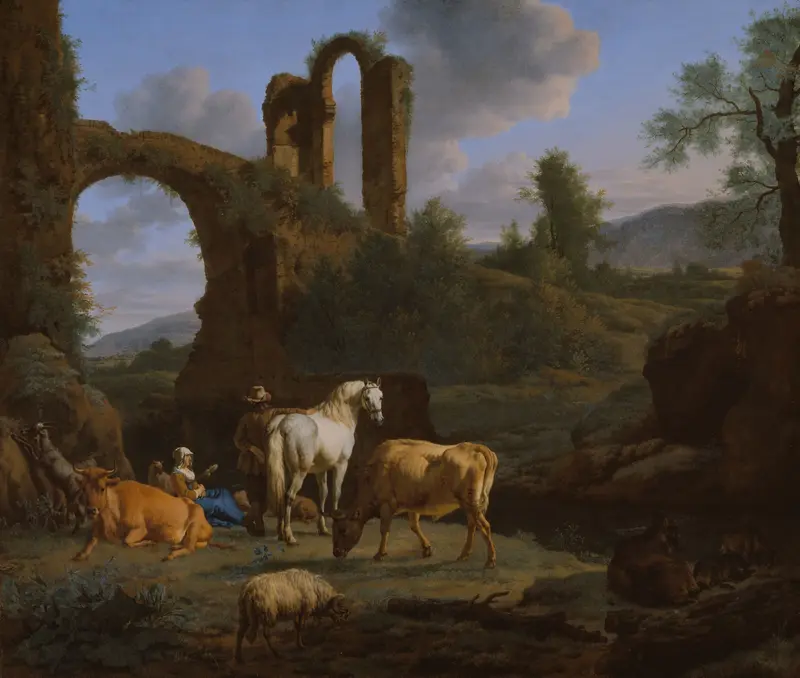
Pastoral Landscape with Ruins
Adriaen van de Velde
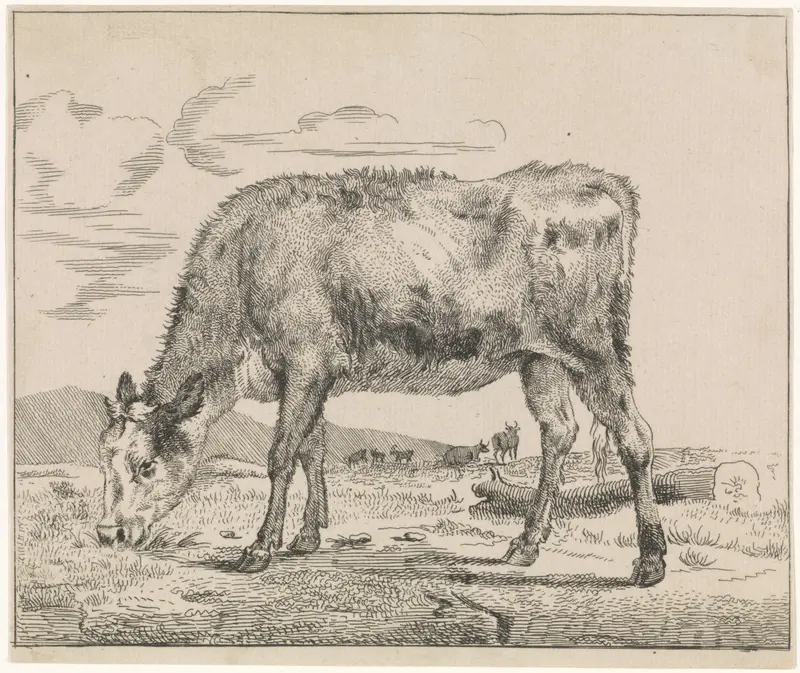
Grazend kalf
Adriaen van de Velde
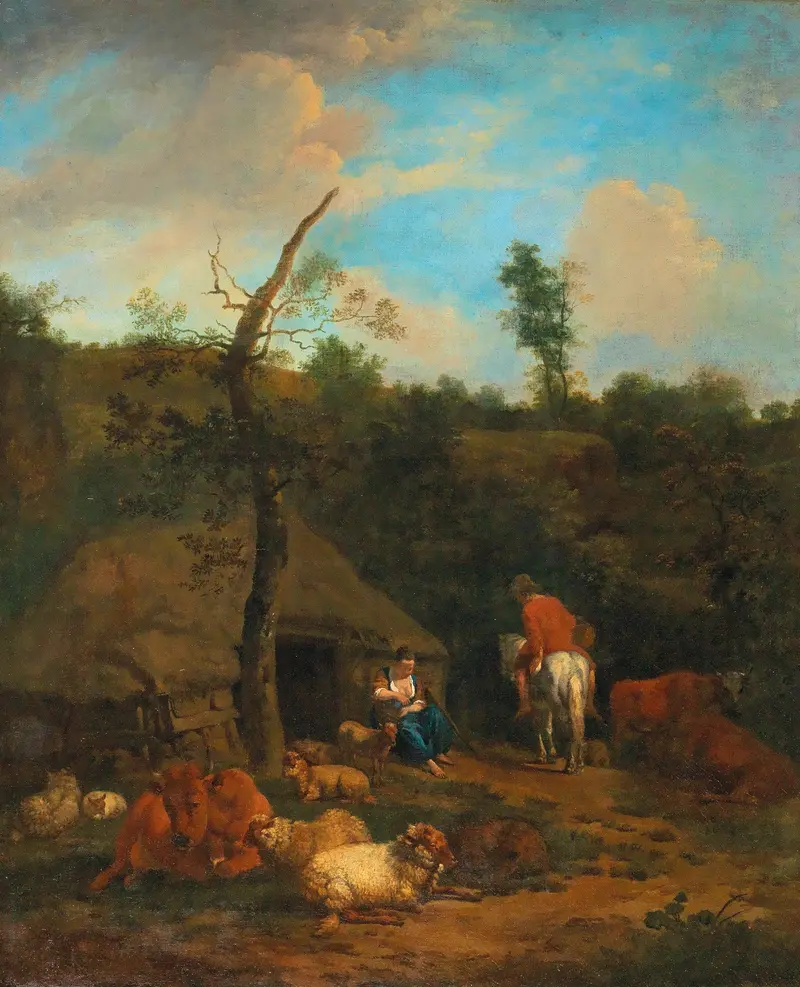
A herdsman and a shepherdess in front of a wooden farmhouse
Adriaen van de Velde
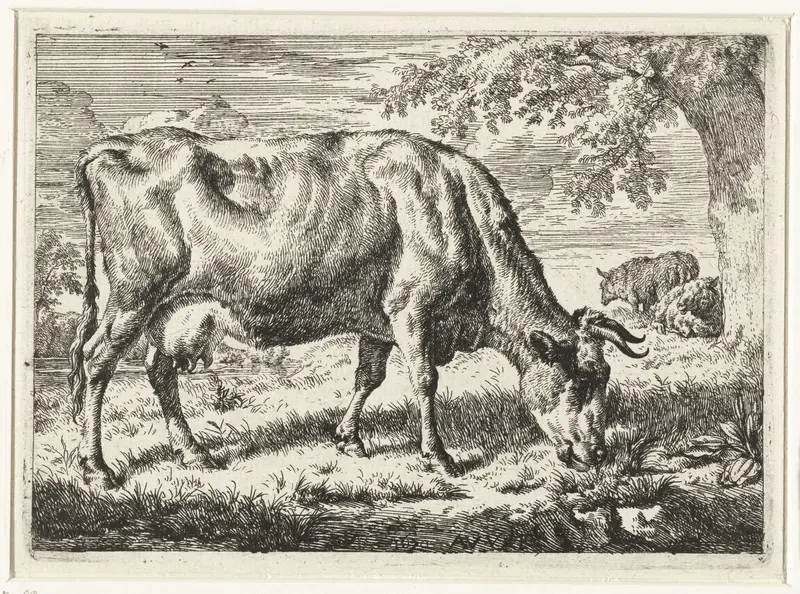
Grazende koe en twee schapen
Adriaen van de Velde
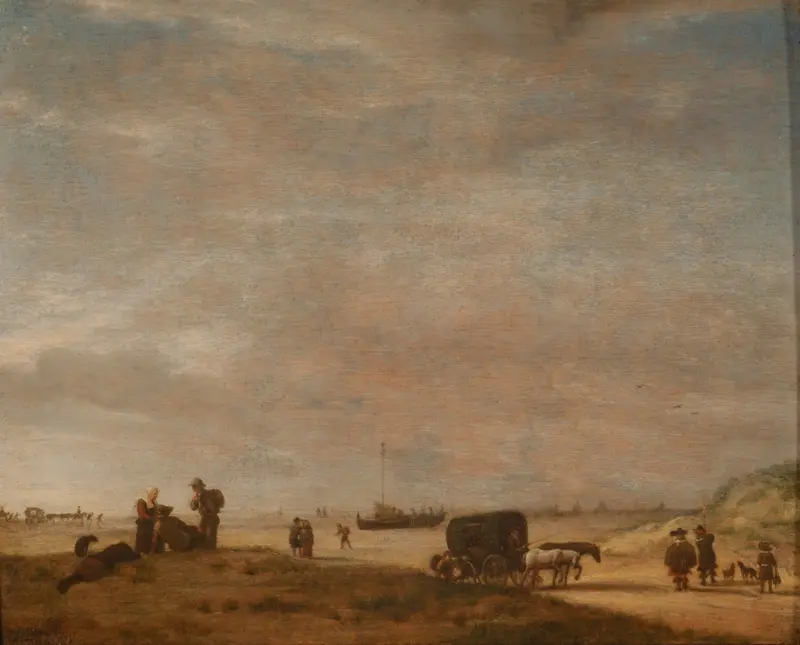
Scheveningen Beach
Adriaen van de Velde
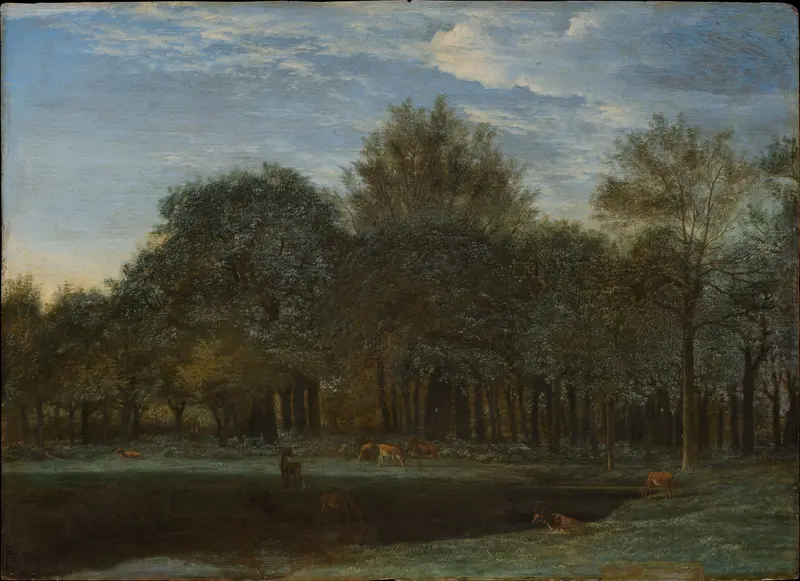
Forest Clearing with Grazing Deer
Adriaen van de Velde
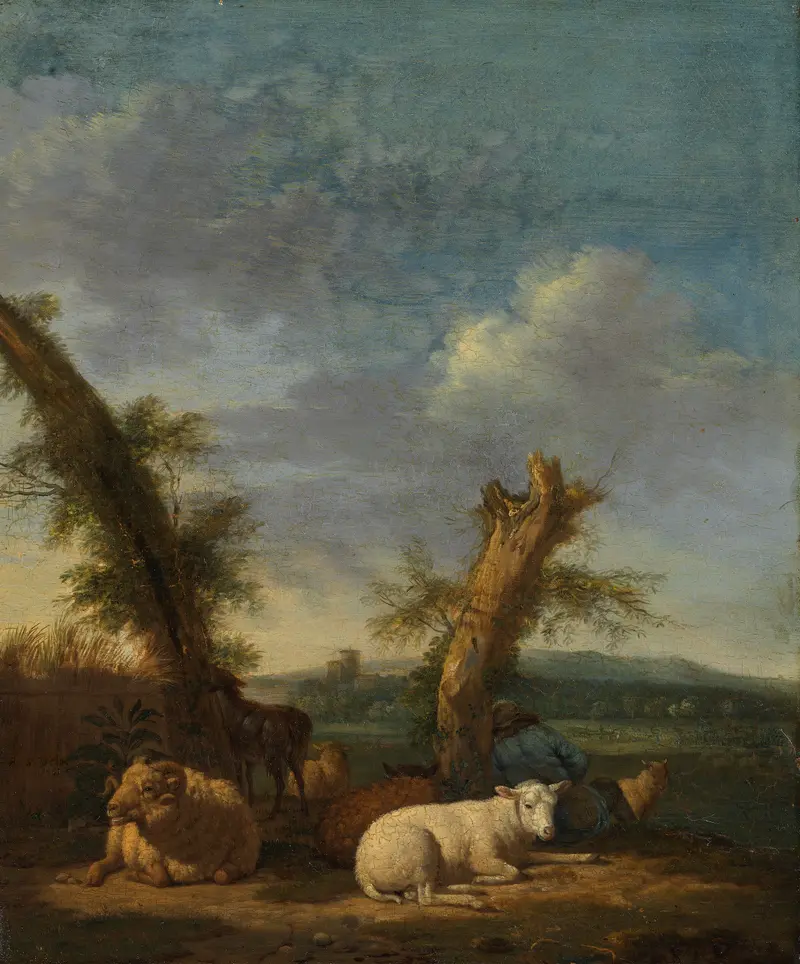
Landscape with Sheep and a Sleeping Shepherd
Adriaen van de Velde





