
Sextus verkracht Lucretia onder bedreiging met zwaard — History & Facts
What if beauty was never meant to be finished? In the timeless interplay of innocence and violation, art becomes the echo of human experience, capturing both fleeting moments and enduring truths. Begin your exploration by focusing on the stark contrast between the figures. Notice how the anguished expression on Lucretia's face draws you in, her delicate features illuminated by a soft, almost ethereal light that highlights the tragedy unfolding. The shadowy, imposing figure of Sextus looms menacingly to the left, his sword raised—a symbol of power that darkens the canvas.
This juxtaposition of light and dark not only amplifies the emotional weight of the scene but also serves as a commentary on the fragility of virtue in the face of coercion. As you delve deeper, observe the intricate details woven into the fabric of their expressions and postures. The tension between them is palpable; her fear stands starkly against his ruthless determination, creating an unsettling dynamic. The graceful folds of her drapery contrast with the rigid lines of his armor, reinforcing the themes of innocence under siege.
The interplay of texture and color reflects not just their individual stories, but also the broader societal tensions surrounding gender and power in the 16th century. Georg Pencz painted this work between 1546 and 1547, during a time when the Renaissance was giving way to new artistic explorations influenced by Reformation thought. Living in Nuremberg, Pencz was surrounded by a rich tapestry of political and social upheaval, grappling with his own artistic identity amidst the shifting currents of the time. This painting, steeped in dramatic narrative, encapsulates not only a pivotal moment from classical lore but also resonates with the anxieties and ideals permeating the culture of his day.
More Artworks by Georg Pencz
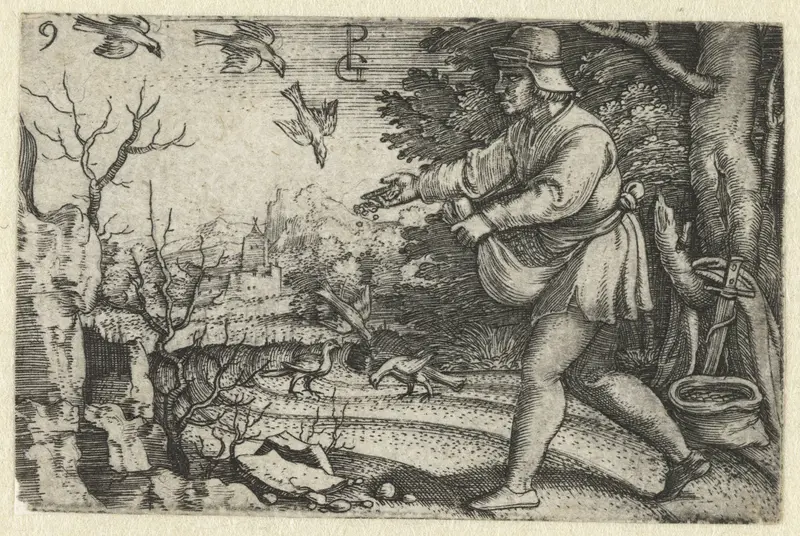
Parabel van de zaaier
Georg Pencz
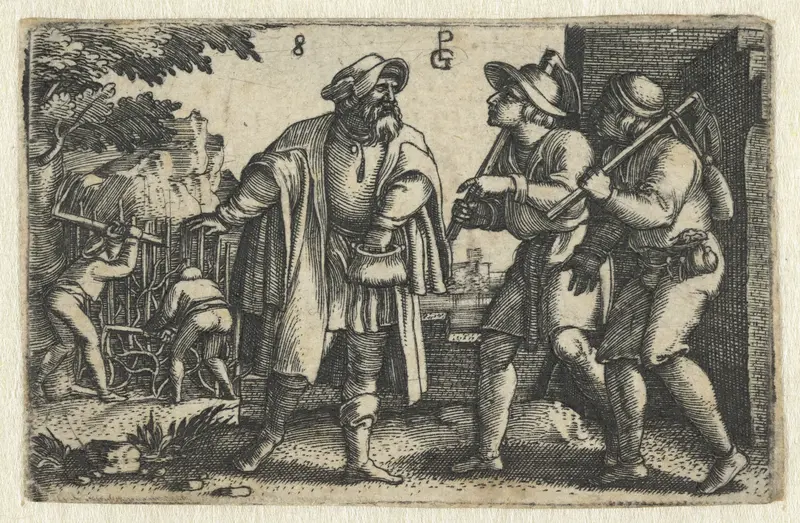
Parabel van de arbeiders in de wijngaard
Georg Pencz
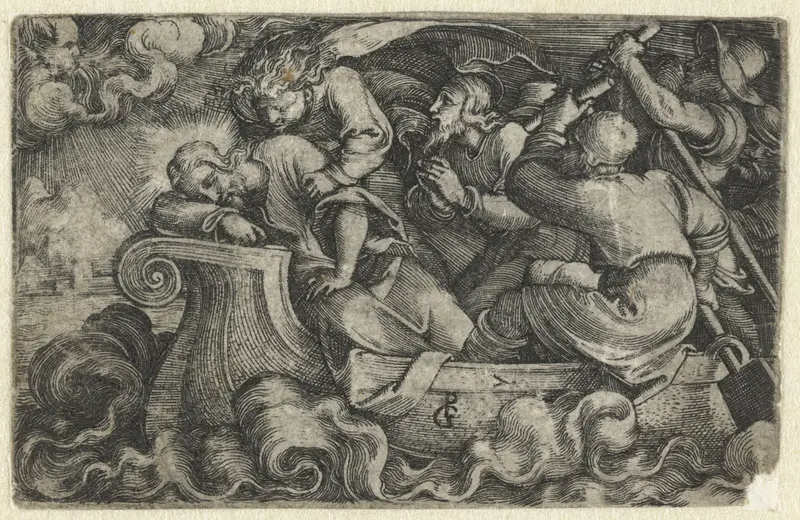
Discipelen wekken slapende Christus tijdens storm op Meer van Galilea
Georg Pencz
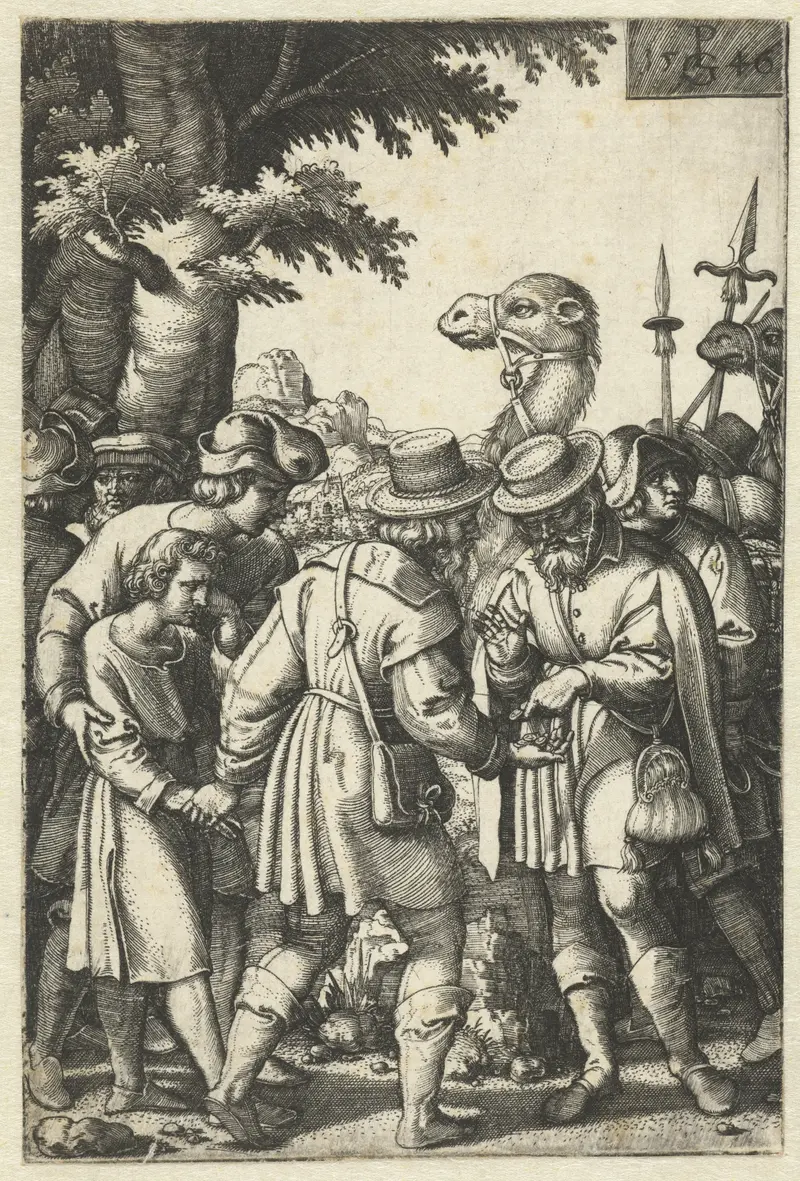
Jozef wordt verkocht aan kooplieden op weg naar Egypte
Georg Pencz
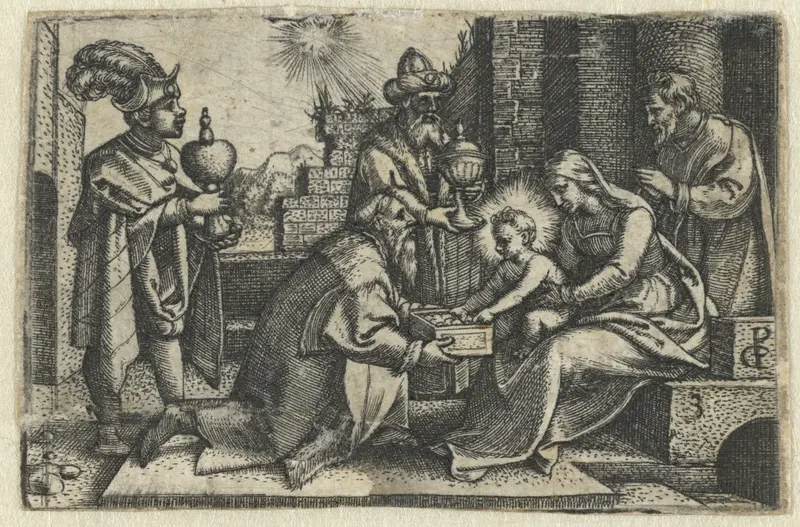
Aanbidding der koningen
Georg Pencz
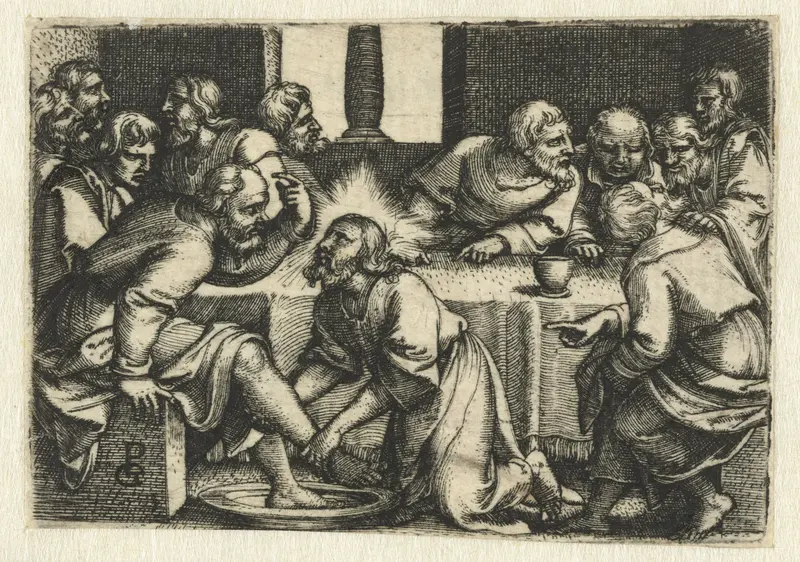
Petrus protesteert als Christus zijn voeten wast
Georg Pencz
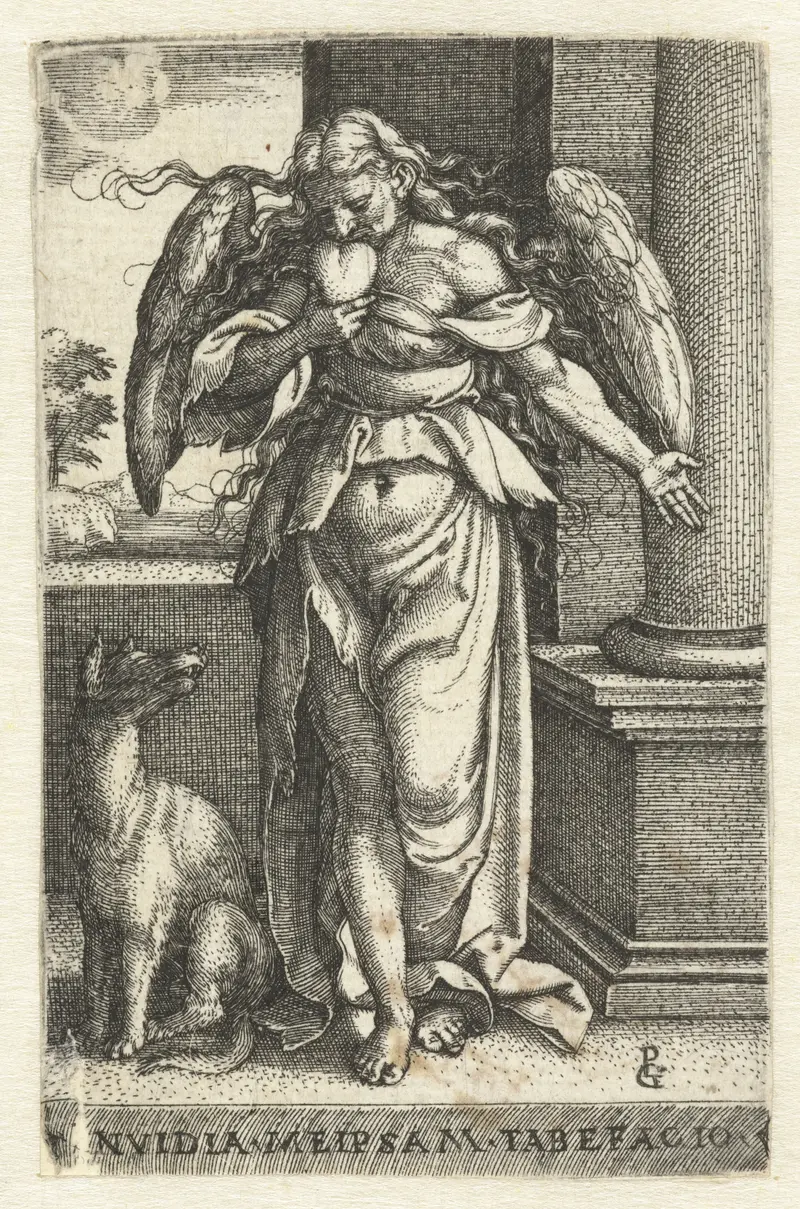
Afgunst (Invidia)
Georg Pencz
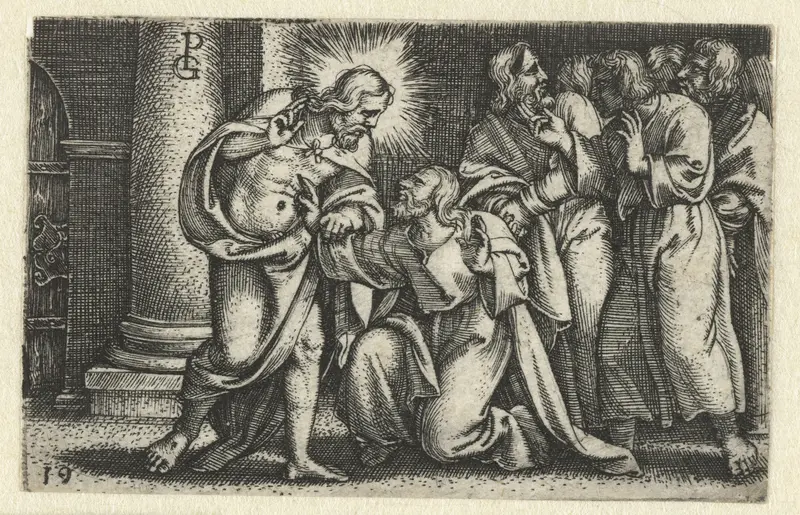
Ongelovige Thomas raakt wonden Christus aan
Georg Pencz
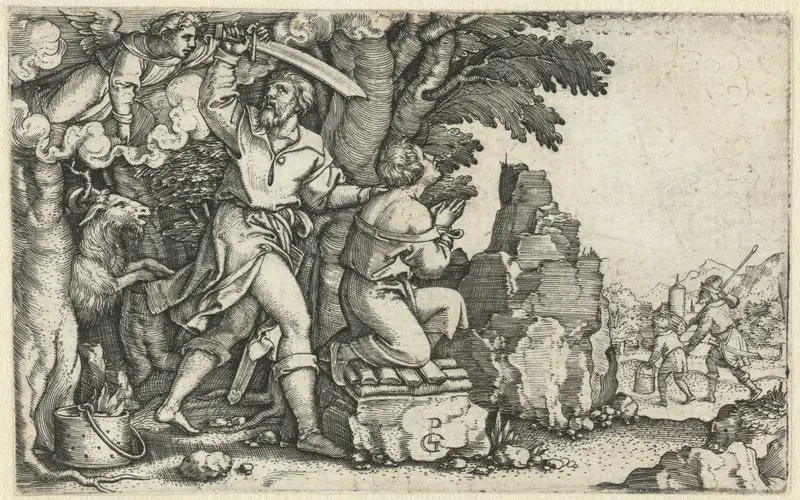
Offer van Abraham van Isaak
Georg Pencz
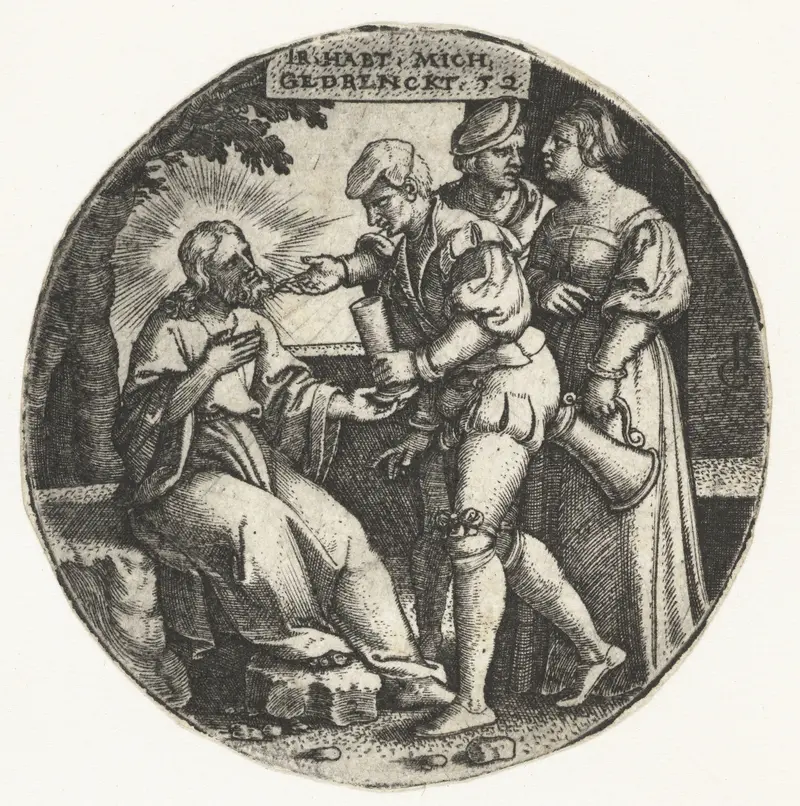
Christus heeft dorst en krijgt drinken aangeboden
Georg Pencz





