
Shady Pool, White Mountains, New Hampshire — History & Facts
What first draws the eye in Shady Pool, White Mountains, New Hampshire is the quiet drama of sunlight and shadow at the forest’s edge. Albert Bierstadt leads us into a world where the hush of water and the patience of stones are the main characters. The pool itself is a dark mirror, its surface broken only by the suggestion of gentle movement, while sunlit rocks in the foreground seem to anchor the scene in the here and now.
The careful rendering of moss, the scattered autumn leaves, and the crisp reflections invite the viewer to linger, as if waiting for a ripple or a bird to break the silence. Every detail feels chosen to slow time, to make the viewer pause and look again. Painted around 1869, this work belongs to an era when American artists like Bierstadt were capturing the nation’s wild places with a sense of discovery and reverence. The White Mountains of New Hampshire were a favorite subject for painters and travelers alike, celebrated for their rugged beauty and unspoiled forests.
While Bierstadt is best known for his sweeping views of the American West, here he turns to the intimate scale of a woodland pool, showing the same devotion to natural detail that made his larger canvases famous. Now part of the Hirshhorn Museum and Sculpture Garden Collection, the painting stands as a reminder of a moment in American art when landscape was both a scientific study and a source of wonder—inviting you to step closer and see what secrets the shadows hold.
More Artworks by Albert Bierstadt

A Storm in the Rocky Mountains, Mt. Rosalie
Albert Bierstadt
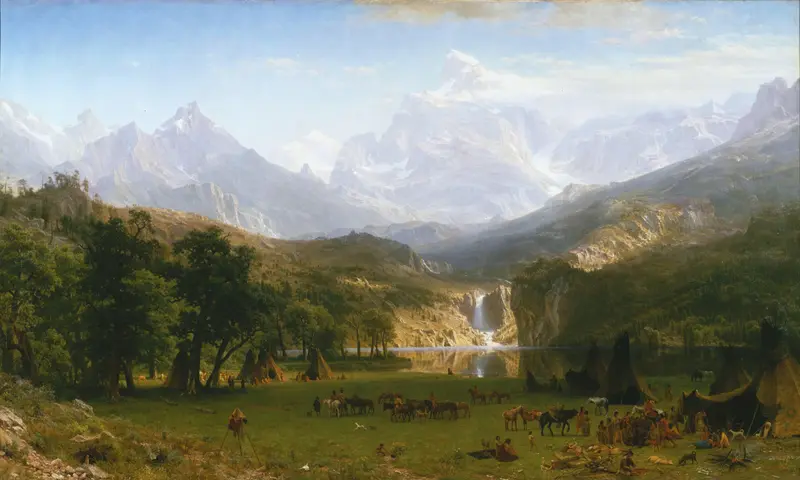
The Rocky Mountains, Lander's Peak
Albert Bierstadt
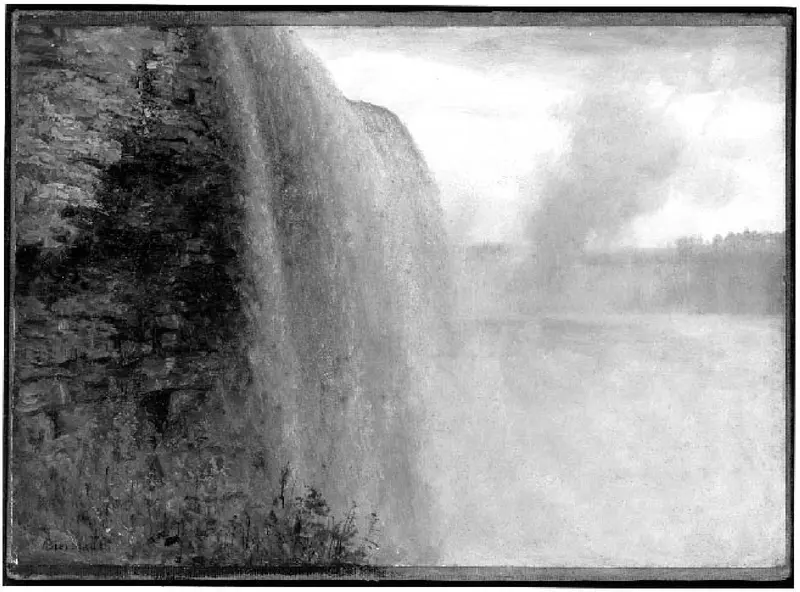
Niagara from the American Side
Albert Bierstadt
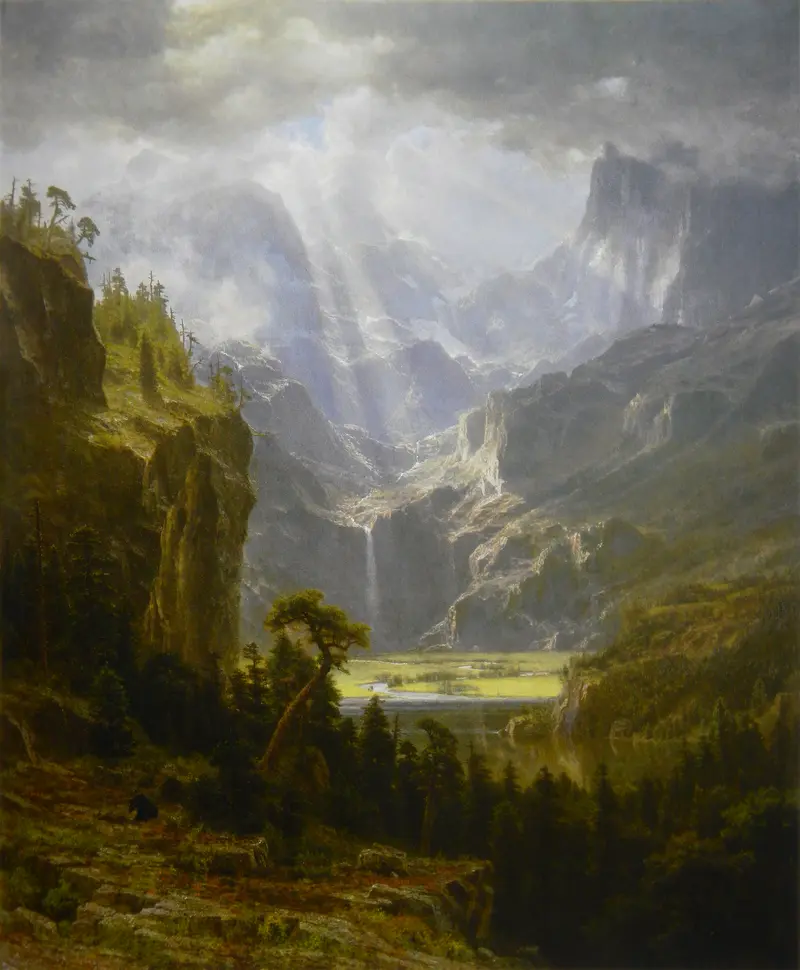
Rocky Mountains, Lander’s Peak
Albert Bierstadt

Valley of the Yosemite
Albert Bierstadt
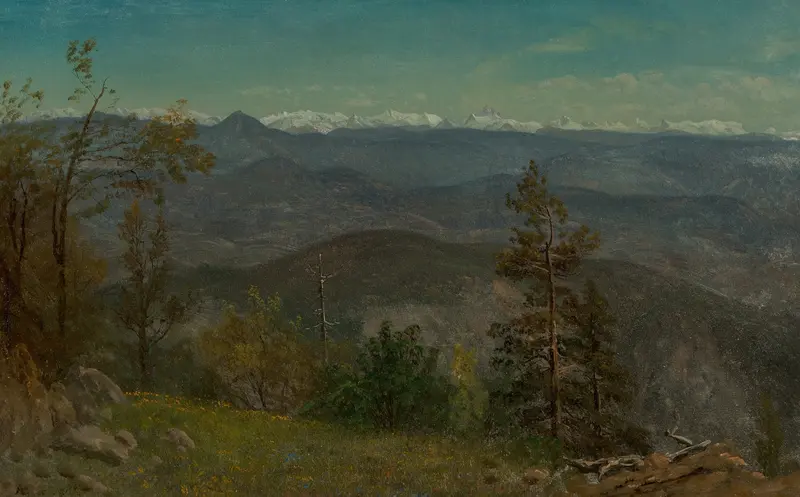
Yosemite Valley, California
Albert Bierstadt
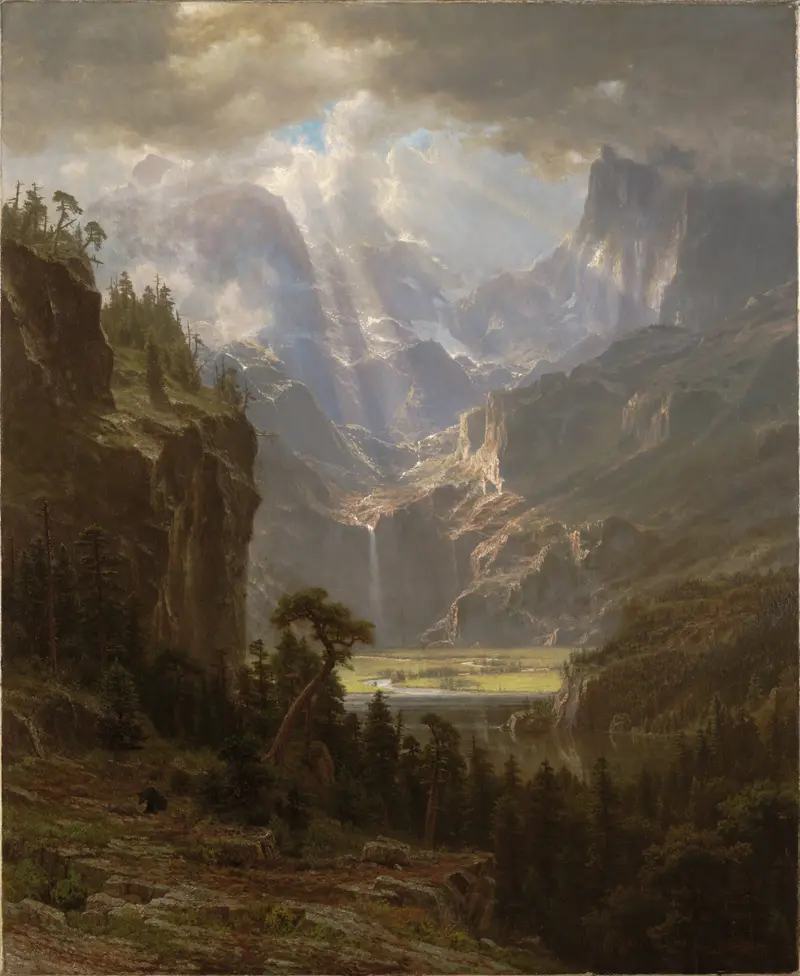
Rocky Mountains, "Lander's Peak"
Albert Bierstadt

Laramie Peak
Albert Bierstadt
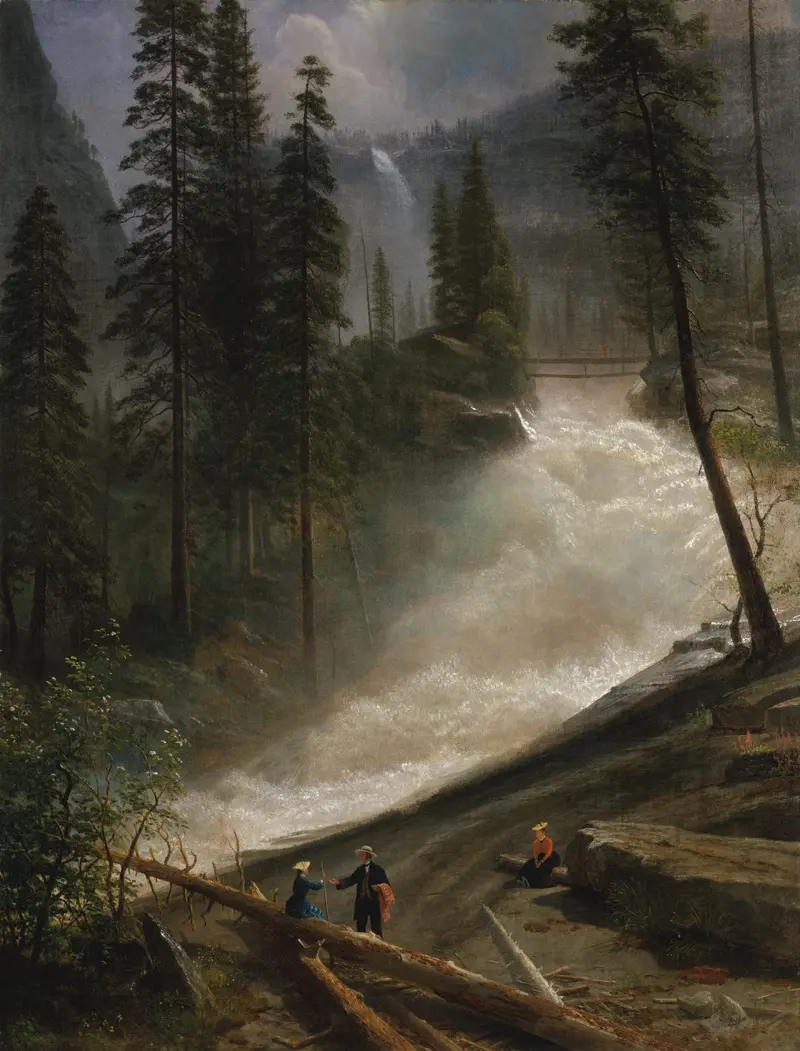
Nevada Falls, Yosemite
Albert Bierstadt
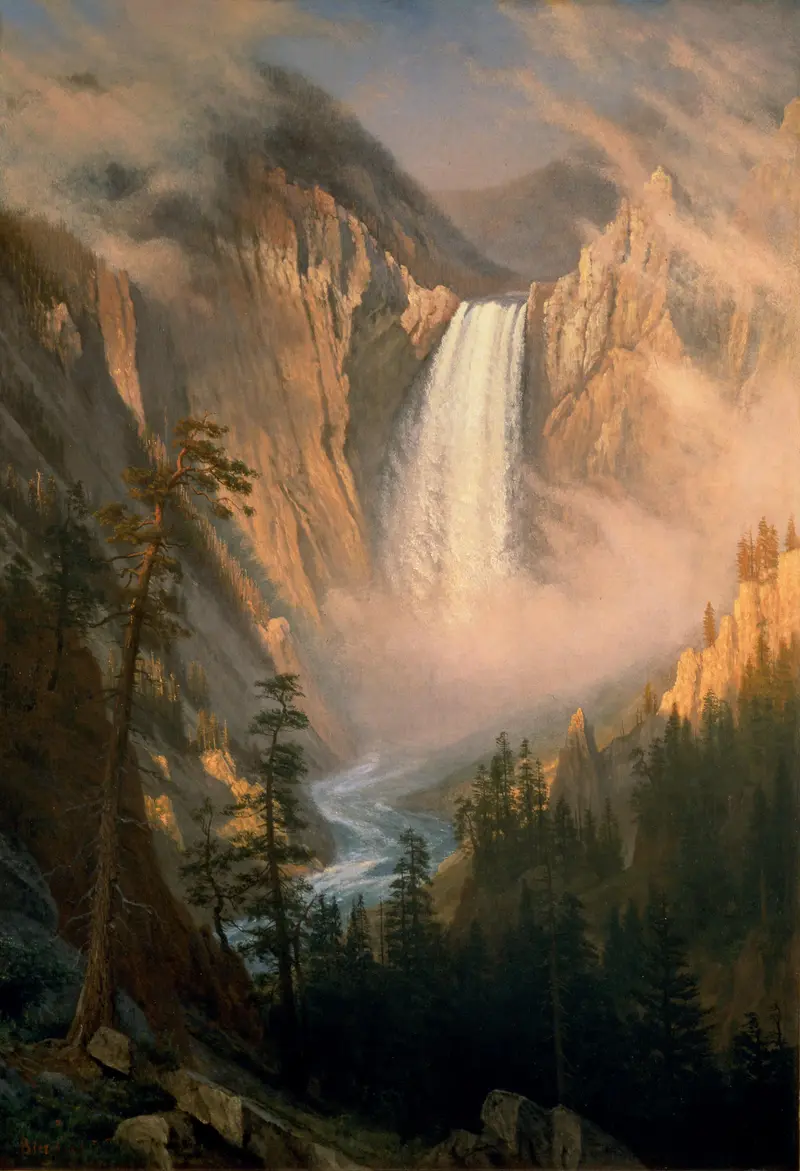
Yellowstone Falls
Albert Bierstadt
More Landscape Art

The Starry Night
Vincent van Gogh

View of Delft
Johannes Vermeer

Water Lilies
Claude Monet

The Grand Canal, Venice, looking north-west from the Ca' Corner to the Ca' Contarini degli Scrigni, with the campanile of Santa Maria della Carità
Canaletto

Windsor Castle
Canaletto

The Grand Canal looking North-East from the Palazzo Dolfin-Manin to the Rialto Bridge
Canaletto