Sheep — History & Facts
In Winslow Homer's Sheep, the interplay of light and shadow reveals the profound duality of existence, where tranquility often conceals deeper struggles. Look to the foreground, where a flock of sheep grazes peacefully on a verdant hillside. Notice how the sunlight bathes their wool in a radiant glow, creating a soft halo that contrasts sharply with the looming shadows in the background. The artist's delicate brush strokes bring texture to the sheep's fleece, while the vibrant greens of the grass draw the eye, inviting an exploration of this pastoral scene.
The careful composition channels a sense of calm, yet hints at the encroaching shadows that suggest an unseen tension. Yet, beneath the serene surface lies a complexity. The shadows loom not only in the physical landscape but also evoke feelings of uncertainty and transience. The sheep, though seemingly safe, are vulnerable to the darker elements of nature—predators, storms, or the inevitability of change.
This delicate balance of light and dark forces the viewer to confront the duality of life, where peace may often be a precursor to turmoil. In 1878, Homer painted this work during a time when he was immersing himself in the rural landscapes of New England. The post-Civil War era was marked by a striving for simplicity and clarity, reflecting broader societal desires for healing and renewal. As he captured these quiet moments, the artist conveyed not just an idyllic scene, but the complexities of life that linger beneath the surface, a poignant reminder of the beauty and shadows that coexist.
More Artworks by Winslow Homer
Browse all →
The Gulf Stream
Winslow Homer
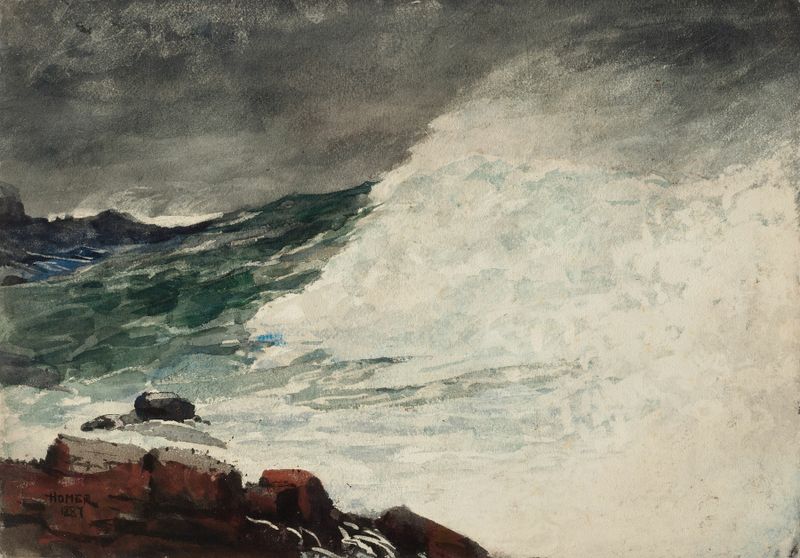
Prout’s Neck, Breaking Wave
Winslow Homer
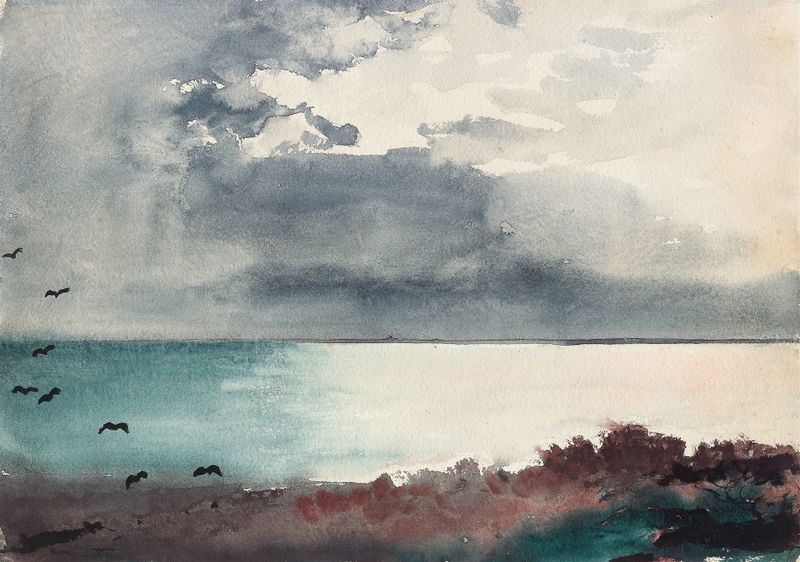
Breaking Storm, Coast of Maine
Winslow Homer
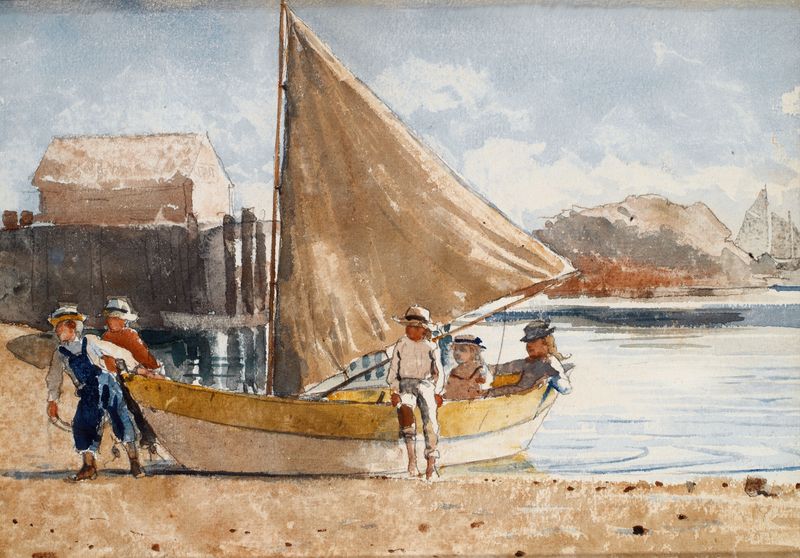
Summertime
Winslow Homer
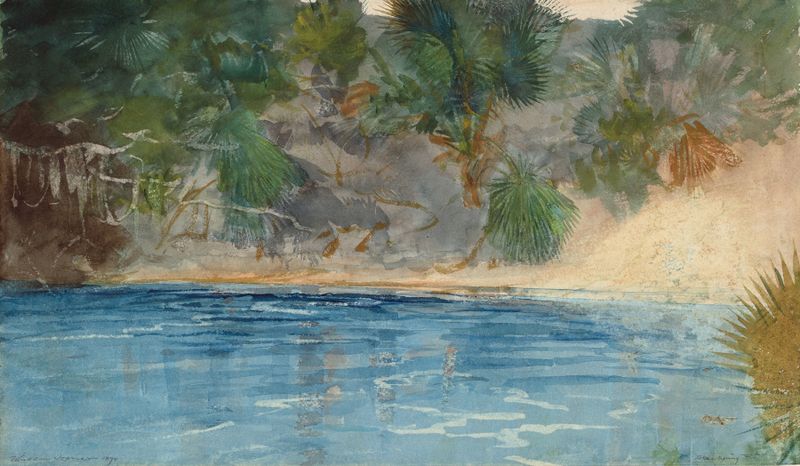
Blue Spring, Florida
Winslow Homer
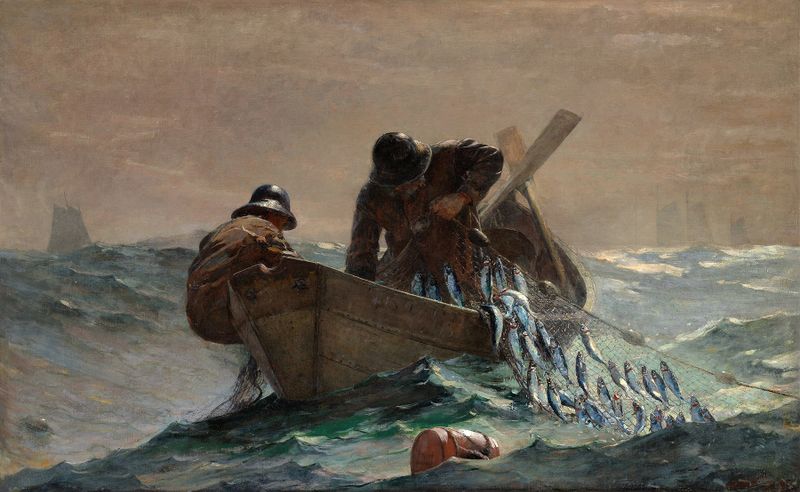
The Herring Net
Winslow Homer
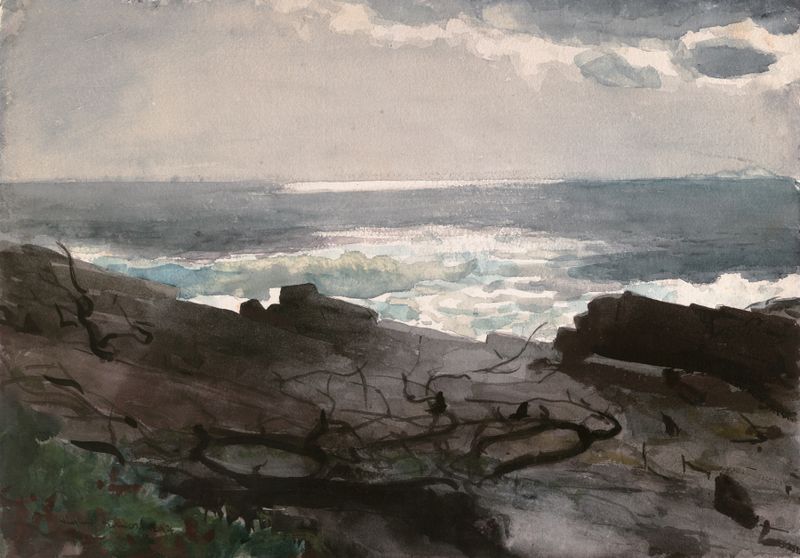
Sunshine and Shadow, Prout’s Neck
Winslow Homer
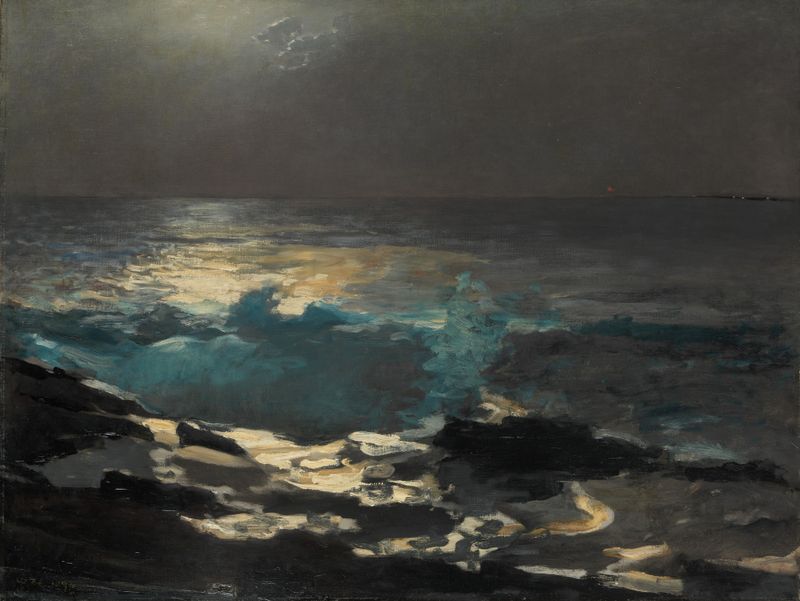
Moonlight, Wood Island Light
Winslow Homer
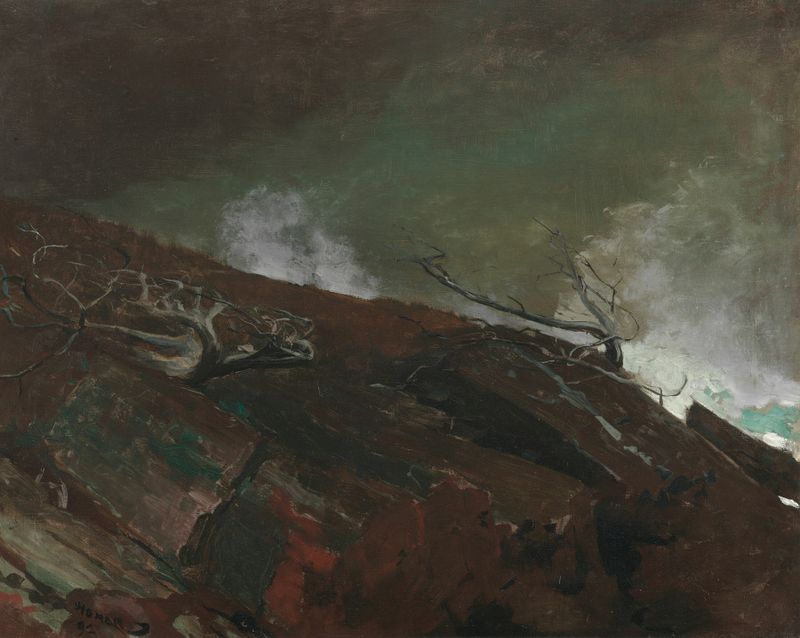
Coast of Maine
Winslow Homer
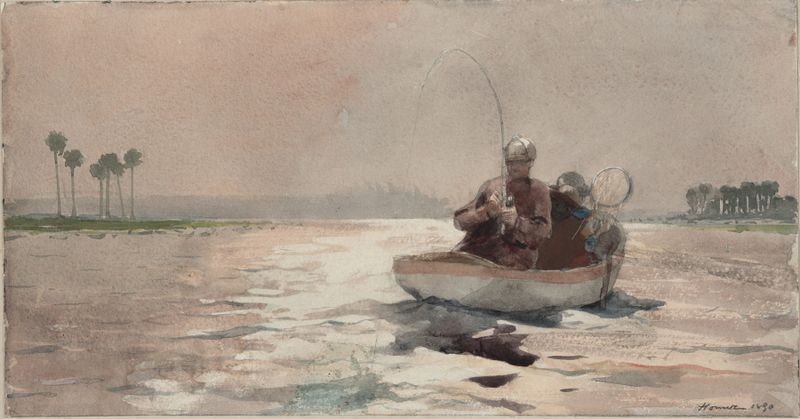
Bass Fishing – Florida
Winslow Homer