
Ship-Breakers, Pimlico — History & Facts
Could a single brushstroke hold eternity? The essence of loneliness seeps through the crevices of Ship-Breakers, Pimlico, evoking the silent struggles of existence amidst industrial decay. Look to the left at the towering ship carcasses, their rusted shells looming like forgotten titans. The stark contrasts between the deep, brooding shadows and the muted grays of the steel evoke a sense of desolation. Notice how the brushwork becomes almost frenetic in places, capturing not just the physicality of the ships but also the emotional weight of their abandonment, a poignant reminder of human ambition now laid to waste. Within this desolate scene, one can sense the tension between man and machine, life and lifelessness.
The silhouettes of workers, dwarfed by the colossal vessels, embody a shared solitude, as if their labor echoes the futility of their endeavors. The industrial backdrop serves as both a stage and a prison, hinting at the isolation prevalent in urban life, while each detail reveals the delicate interplay of hopelessness and resilience. In 1928, Joseph Pennell painted this work during a time of economic uncertainty in post-war Britain. The art world was shifting with the rise of modernism, yet Pennell clung to the remnants of traditional techniques, marrying them with contemporary themes.
This piece crystallizes his observations of the changing landscape, reflecting both the bustling activity of ship-breaking and the profound loneliness that often lurked within it.
More Artworks by Joseph Pennell
Browse all →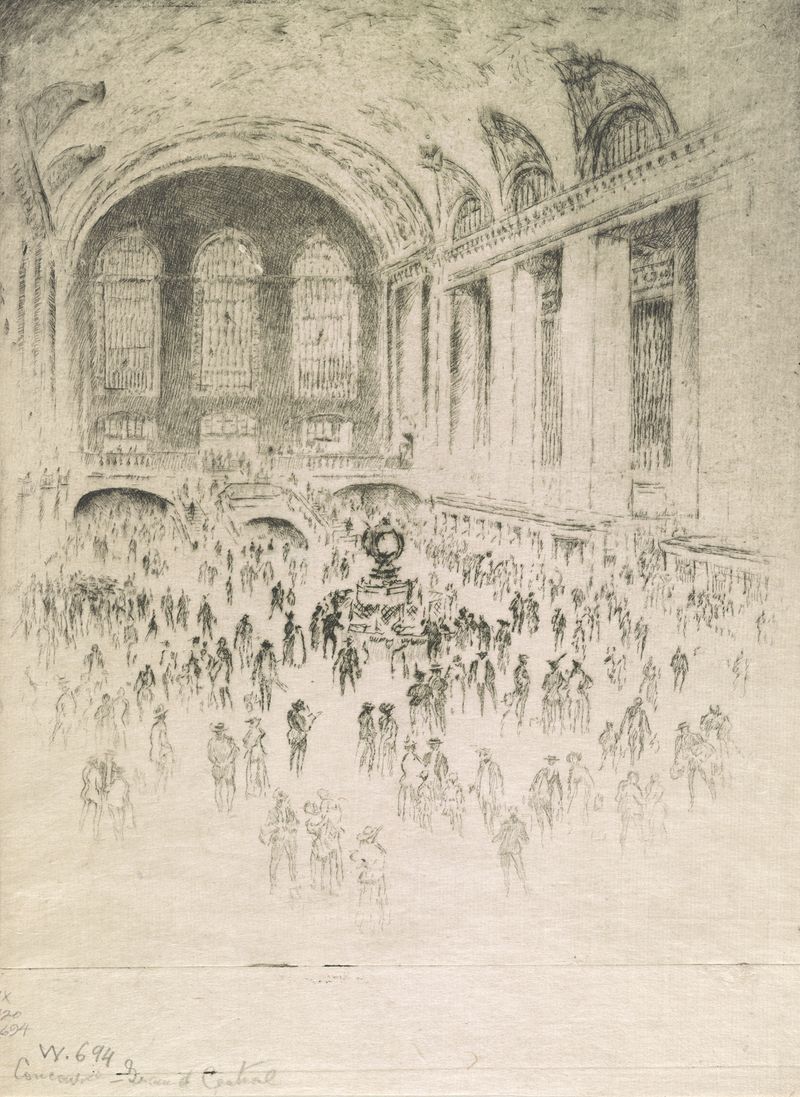
Concourse, Grand Central
Joseph Pennell
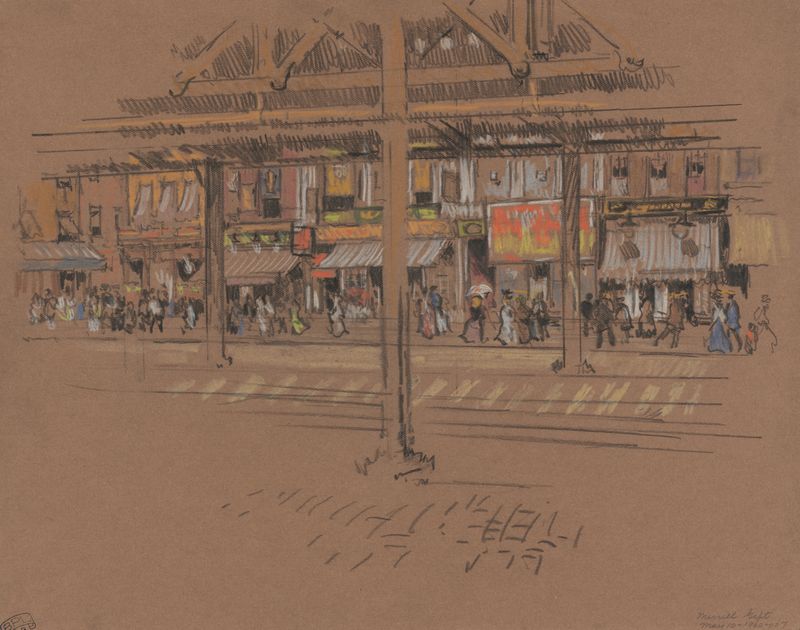
Sixth Avenue
Joseph Pennell
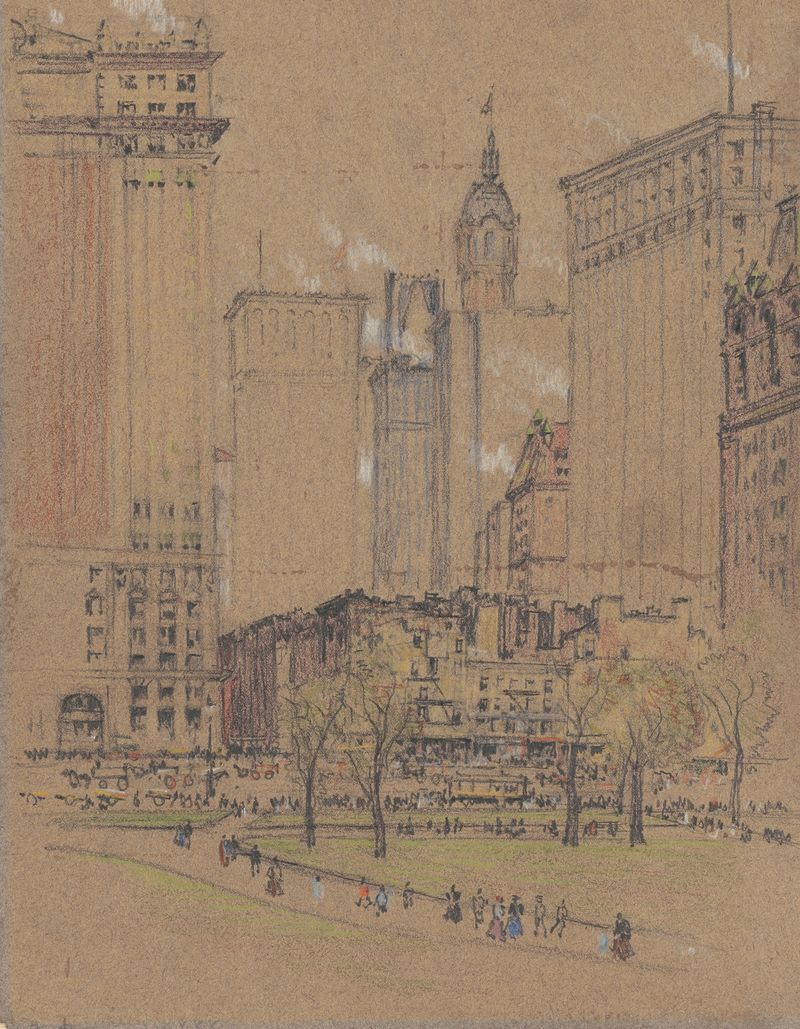
New York,the Old and the New
Joseph Pennell
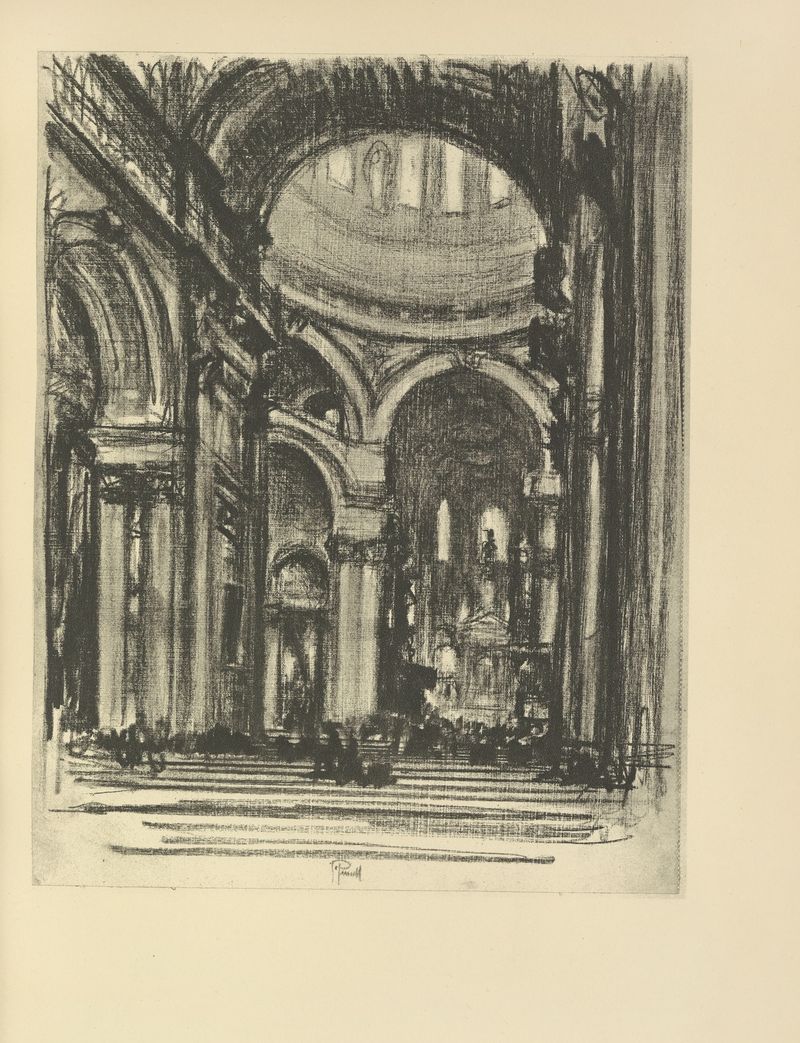
St. Paul’s, The Nave
Joseph Pennell
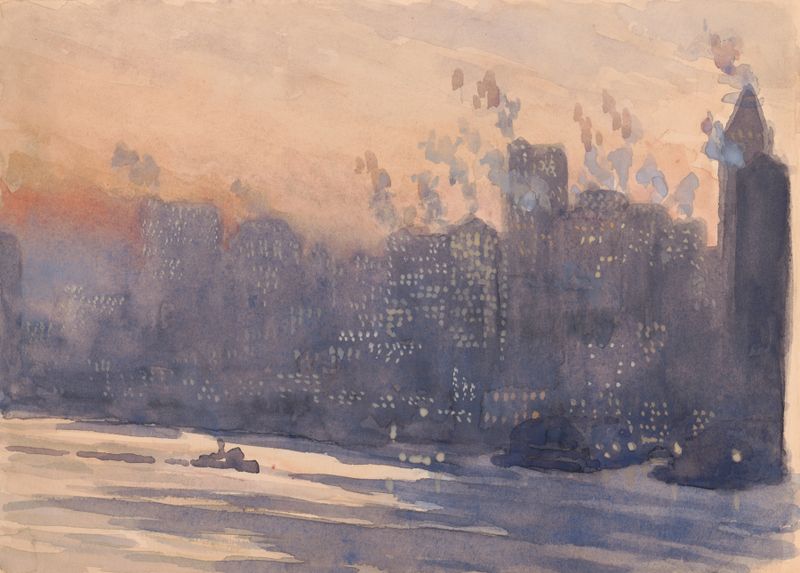
New York City harbor and skyline at night
Joseph Pennell
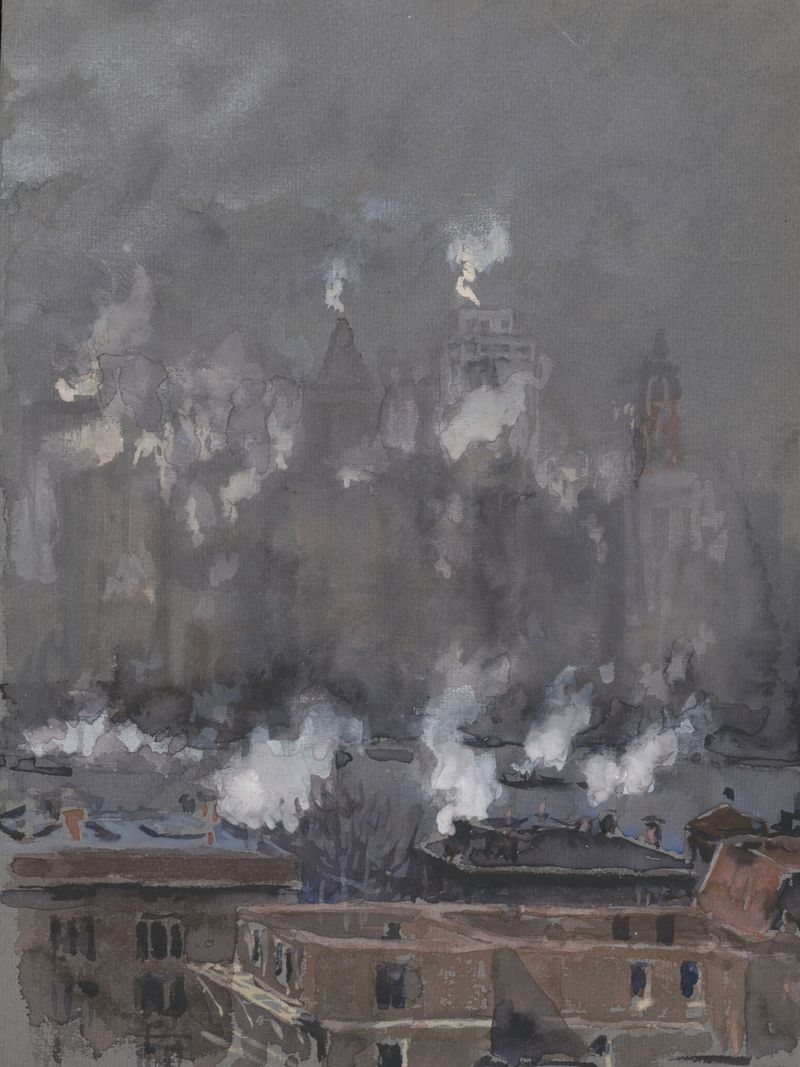
Smoke and fog on gray day, New York City
Joseph Pennell
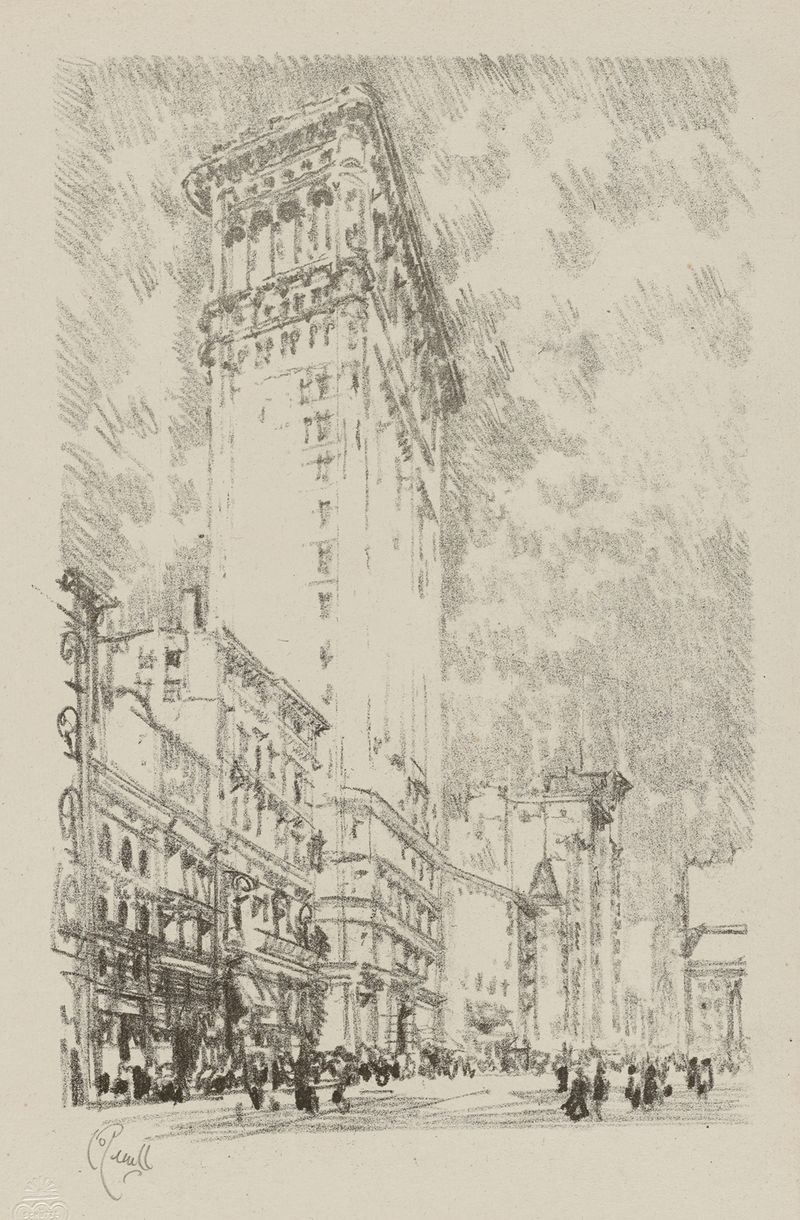
The Flat Iron
Joseph Pennell
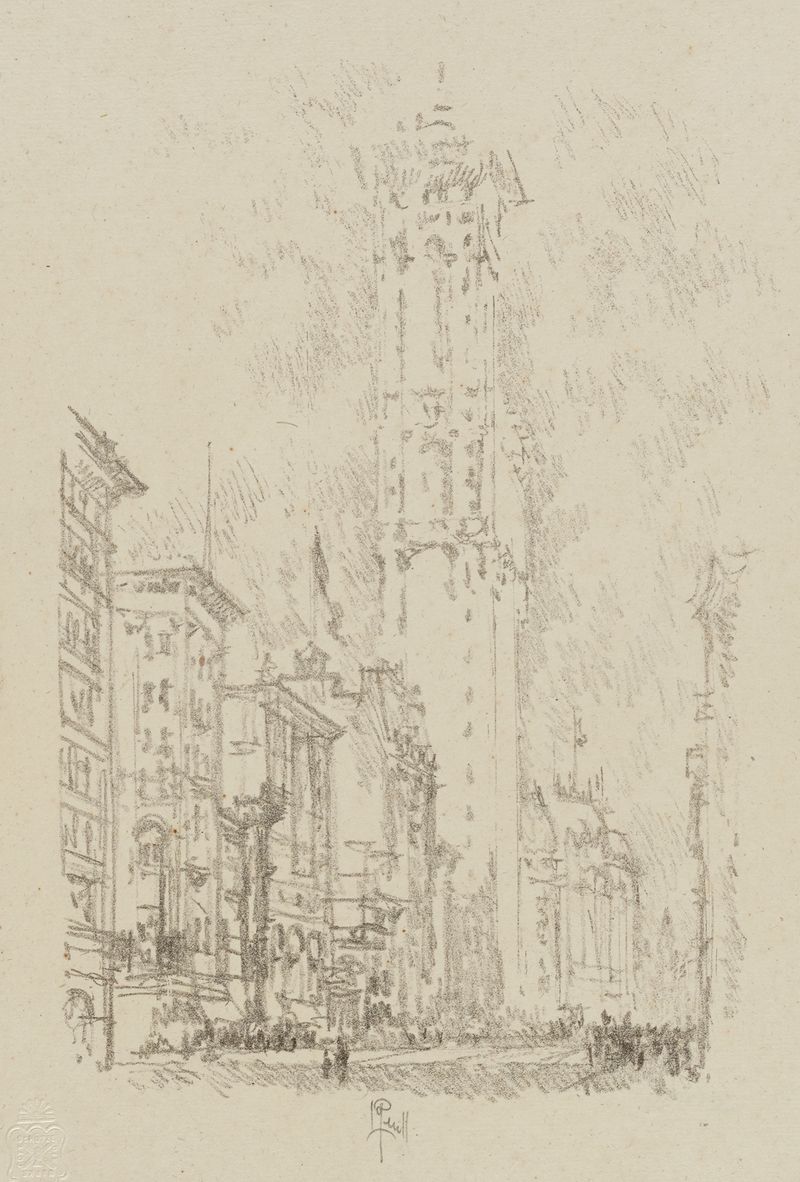
The Times Building
Joseph Pennell
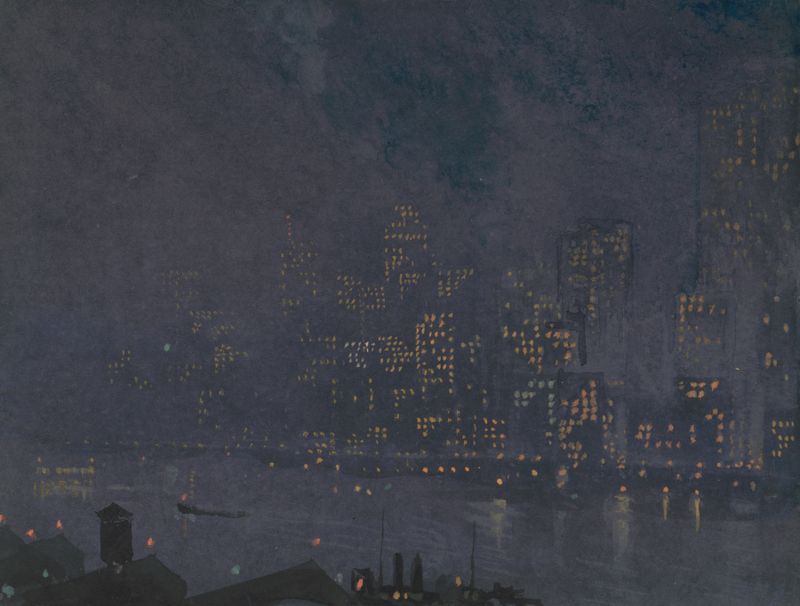
Skyscrapers at night
Joseph Pennell

St. James’ Park
Joseph Pennell





