
Shōki, the Demon Queller — History & Facts
Few figures in Japanese folklore have inspired as many images as Shōki the Demon Queller, but Katsushika Hokusai’s Shōki, the Demon Queller stands out for its enigmatic origins—neither its exact medium nor its commission are securely documented, and the work is often cited as a rare example of Hokusai’s engagement with heroic legend outside his famous landscapes. The subject, Shōki, was especially popular during the Edo period as a talisman against evil, yet Hokusai’s interpretation remains distinctive for its psychological depth. Scholars have long debated whether this piece was created as a private commission or as part of a larger series dedicated to legendary heroes. The scene captures Shōki at the very instant he confronts a lurking demon, sword raised in a gesture both protective and threatening.
Hokusai’s Shōki is rendered with a wild beard and fierce eyes, his robes swirling with energy—visual cues that signal both supernatural power and human determination. The demon, cowering at Shōki’s feet, is diminished in scale and painted with exaggerated features, emphasizing the hero’s dominance. Unlike the more decorative and static Shōki images by Utagawa Kuniyoshi, Hokusai’s version is alive with movement, the tension between hero and monster heightened by bold brushwork and dramatic contrasts of light and shadow. The journey of Shōki, the Demon Queller as an object is shrouded in some uncertainty.
Although its early provenance is unclear, the painting is now recognized as an important example of Hokusai’s late-period exploration of legendary themes, a departure from his celebrated Thirty-Six Views of Mount Fuji. The work’s style and subject suggest it was produced in the early 19th century, during a time when talismanic images of Shōki were in high demand, particularly around the Boys’ Festival in May. Today, it is held in a private collection, occasionally loaned for exhibitions, and continues to intrigue viewers with its blend of folklore, artistry, and mystery.
More Artworks by Katsushika Hokusai

The Great Wave off Kanagawa
Katsushika Hokusai
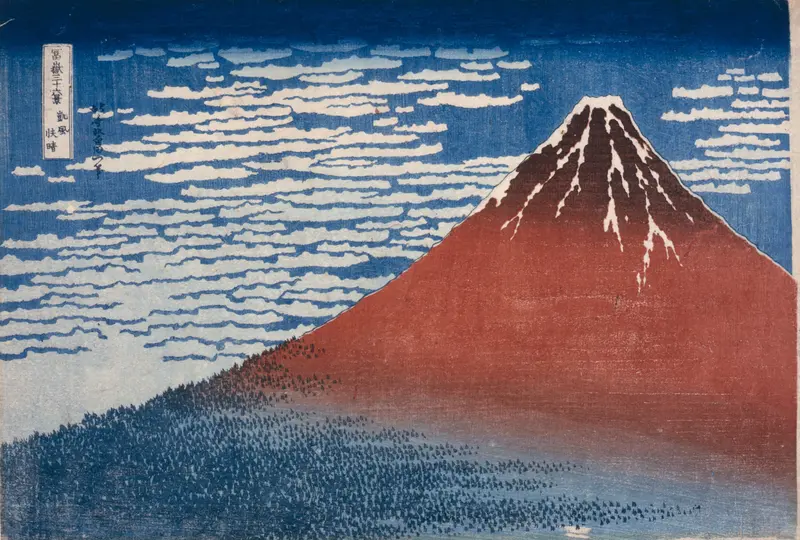
Fine Wind, Clear Morning (Red Fuji)
Katsushika Hokusai
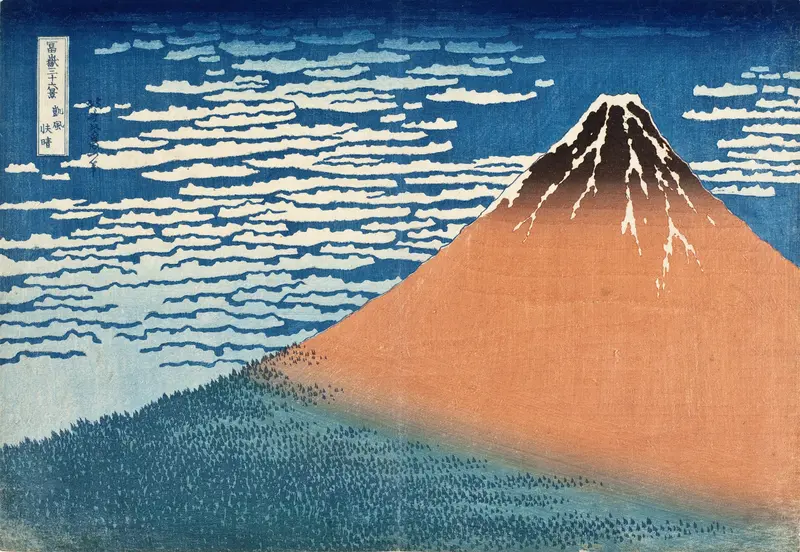
South Wind, Clear Dawn
Katsushika Hokusai
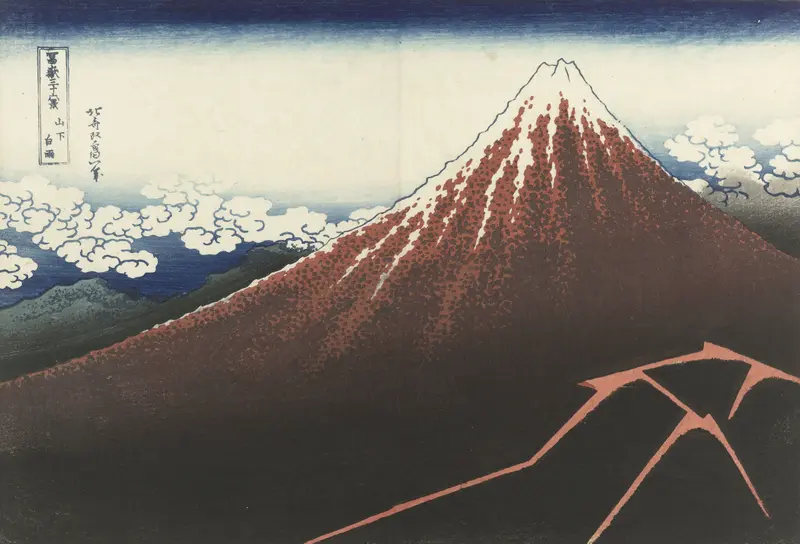
Rainstorm Beneath the Summit
Katsushika Hokusai
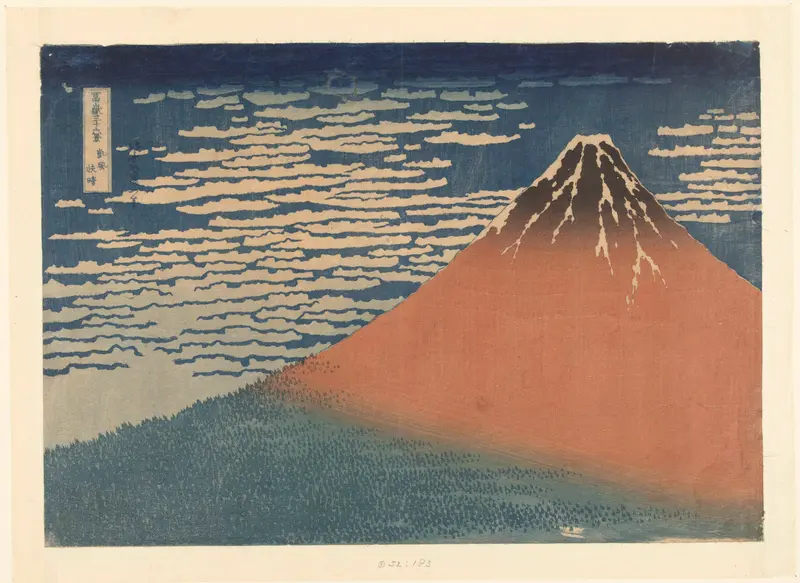
Clear Weather with a Southerly Wind
Katsushika Hokusai
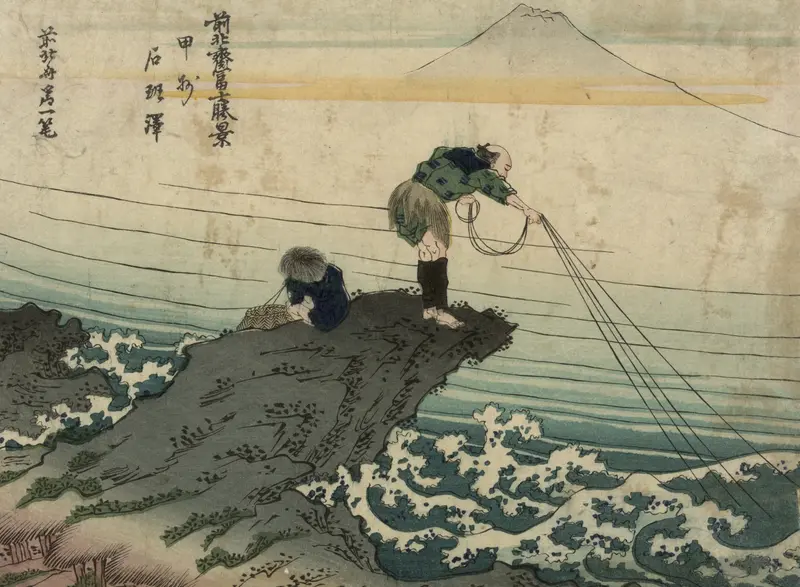
Kōshū kajikazawa
Katsushika Hokusai
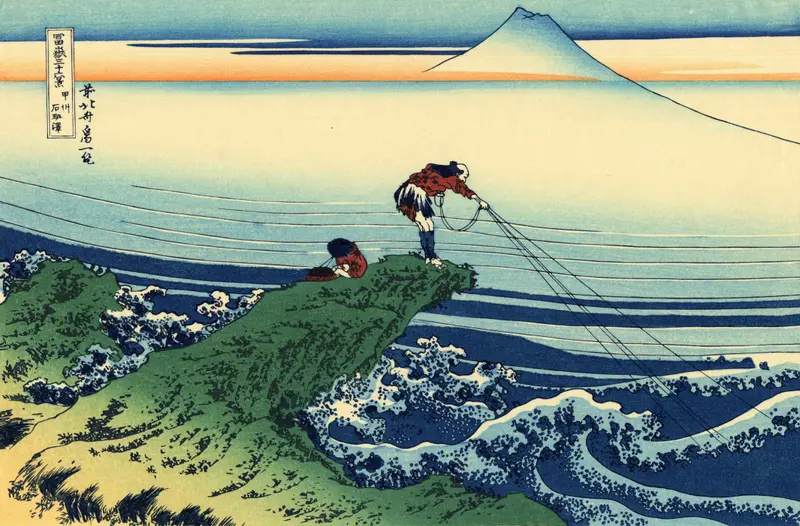
Kōshū kajikazawa 2
Katsushika Hokusai
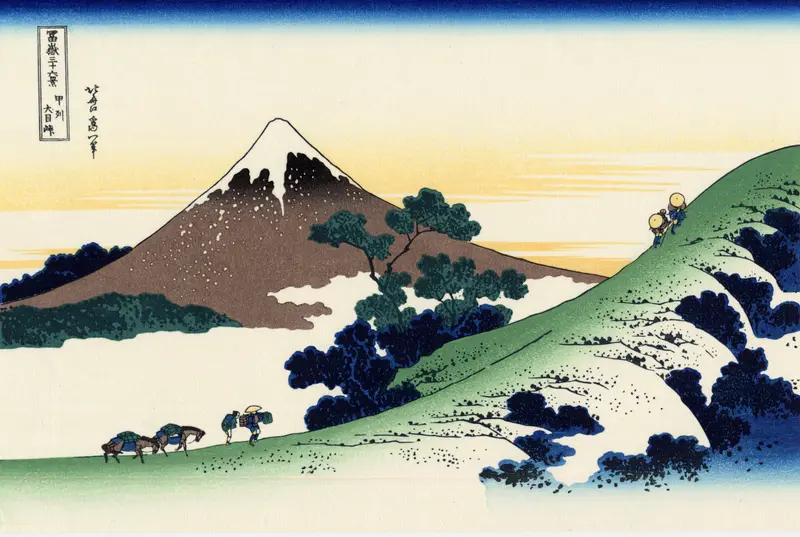
Inume Pass in Kai Province (Kôshû inume-tôge)
Katsushika Hokusai

Yoro Falls in Mino Province (Mino no Yoro no taki), from the series "A Tour of Waterfalls in Various Provinces (Shokoku taki meguri)"
Katsushika Hokusai
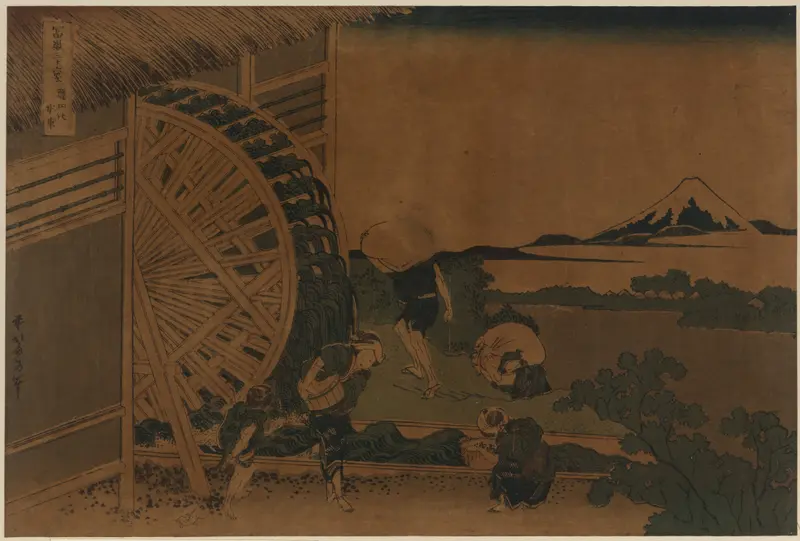
Onden no suisha
Katsushika Hokusai





