
Short Cuts — History & Facts
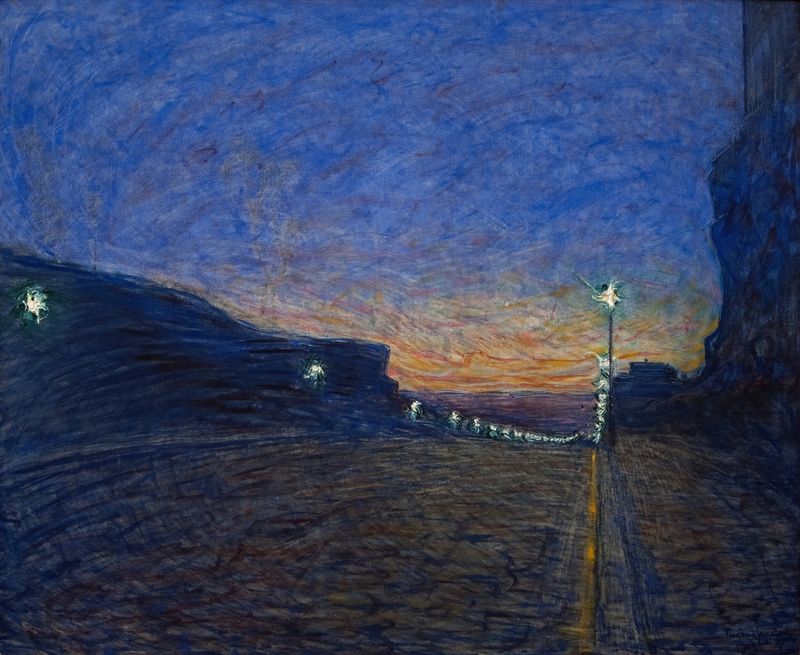
What if beauty was never meant to be finished? In Short Cuts, a fleeting moment captures the essence of an unfinished journey, inviting the viewer to ponder the legacies we leave behind. Look to the left at the soft blush of the flowing fabric, its delicate drapery accentuating the figures' serene poses. Notice how the light cascades across their faces, illuminating their features with a gentle warmth while casting shadows that suggest depth and introspection. The muted palette, dominated by soft blues and warm whites, provides a tranquil backdrop that enhances the painting's delicate emotional resonance, inviting us to linger in its quiet moment. Beneath the surface of this tranquil scene lies a tension between stillness and movement.
The figures, seemingly at peace, embody a pause in time that resonates with the fragility of existence. Their expressions convey a quiet longing or contemplation, suggesting that their beauty is transient and ephemeral. Each brushstroke contributes to the sense of a legacy that may never be fully realized, inviting reflection on what it means to capture a moment that is inherently fleeting. Eugène Jansson painted Short Cuts in 1901 during a period of artistic exploration in Sweden, where he sought to express emotional depth through color and form.
This was a time marked by the transition from the historicism of previous eras to the modernist movements that would soon reshape the art world. Jansson's work reflects both personal introspection and the broader cultural shifts occurring at the turn of the century, as artists began to grapple with themes of impermanence and the human experience.
More Artworks by Eugène Jansson
Browse all →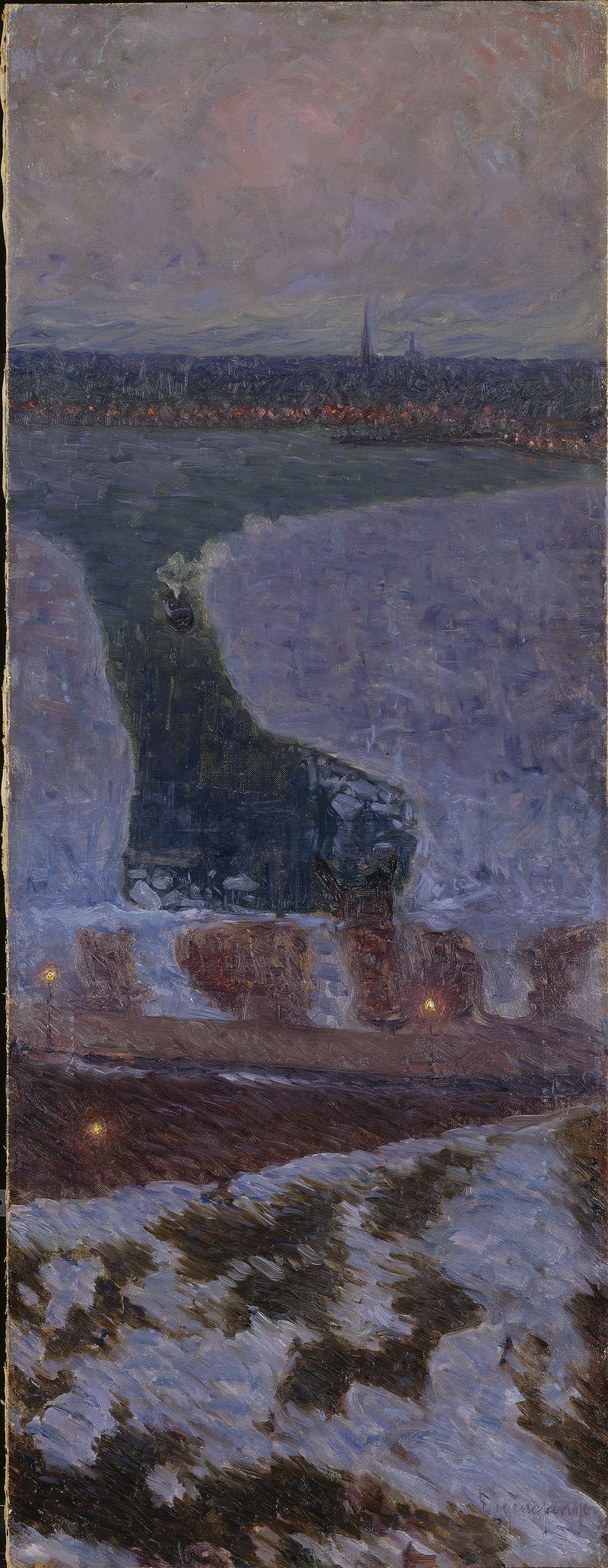
Riddarfjärden. A Stockholm
Eugène Jansson
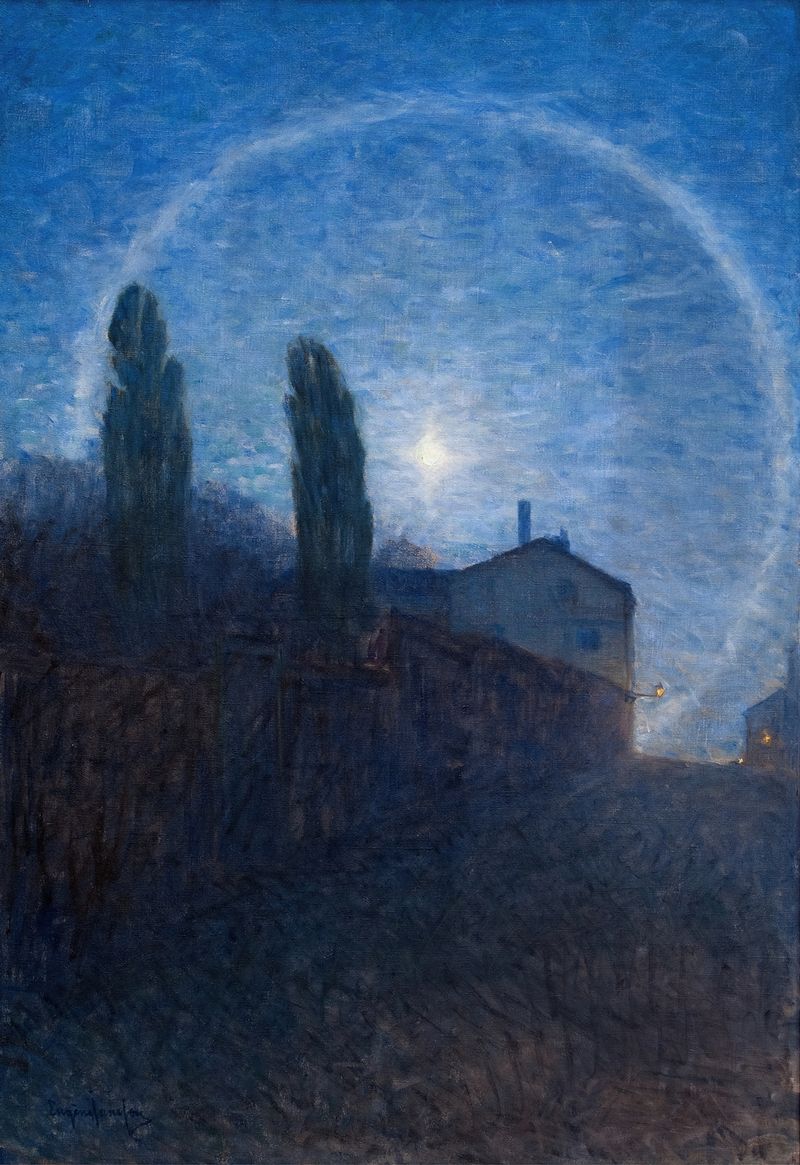
Lunar Halo
Eugène Jansson
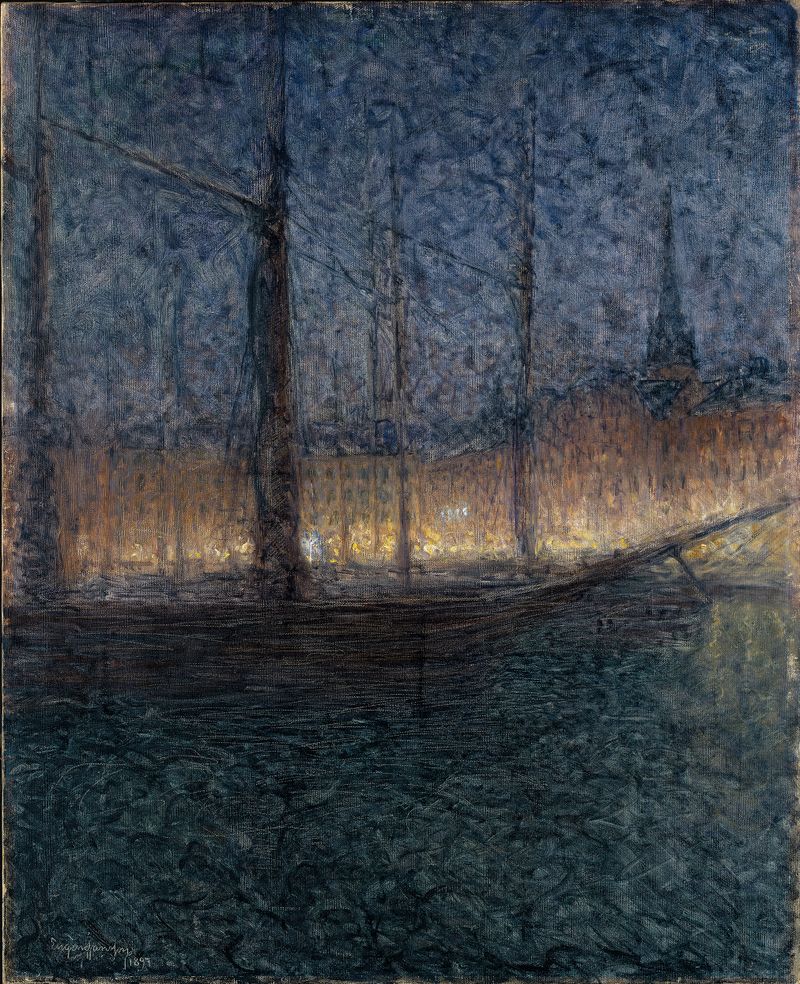
Evening in Kornhamnstorg, Stockholm
Eugène Jansson
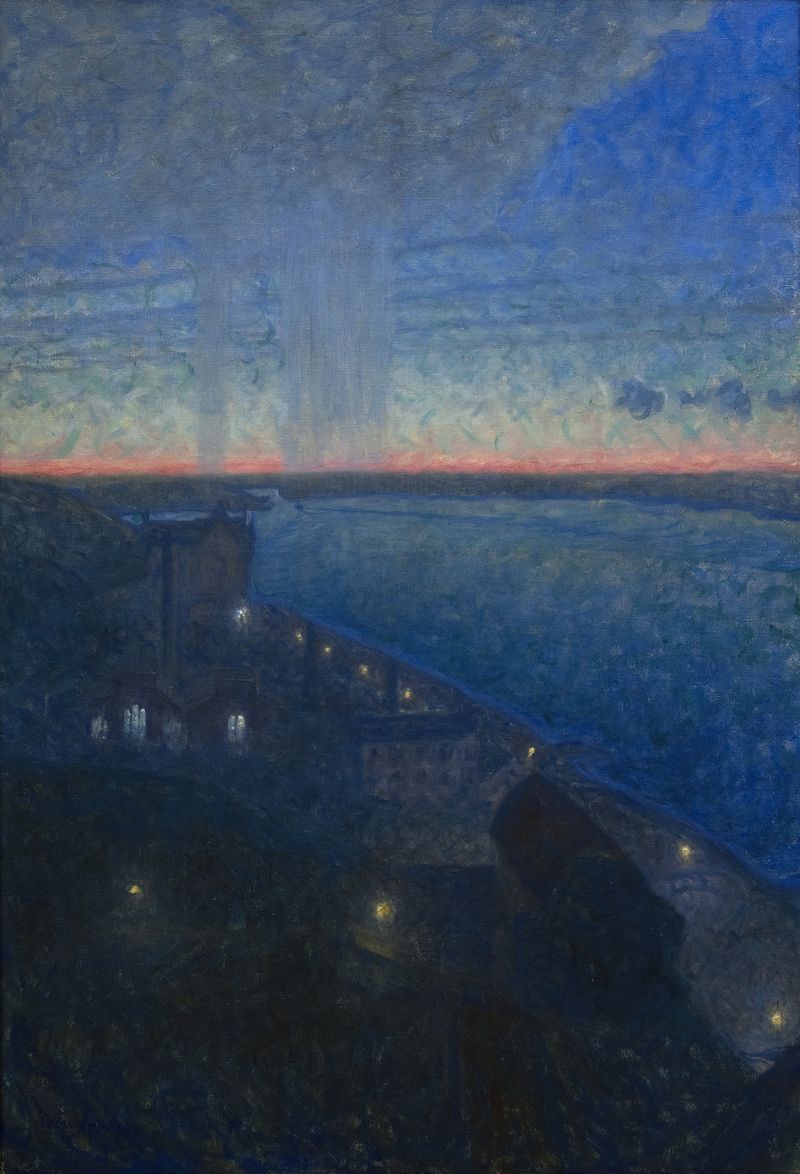
Söder Mälarstrand
Eugène Jansson
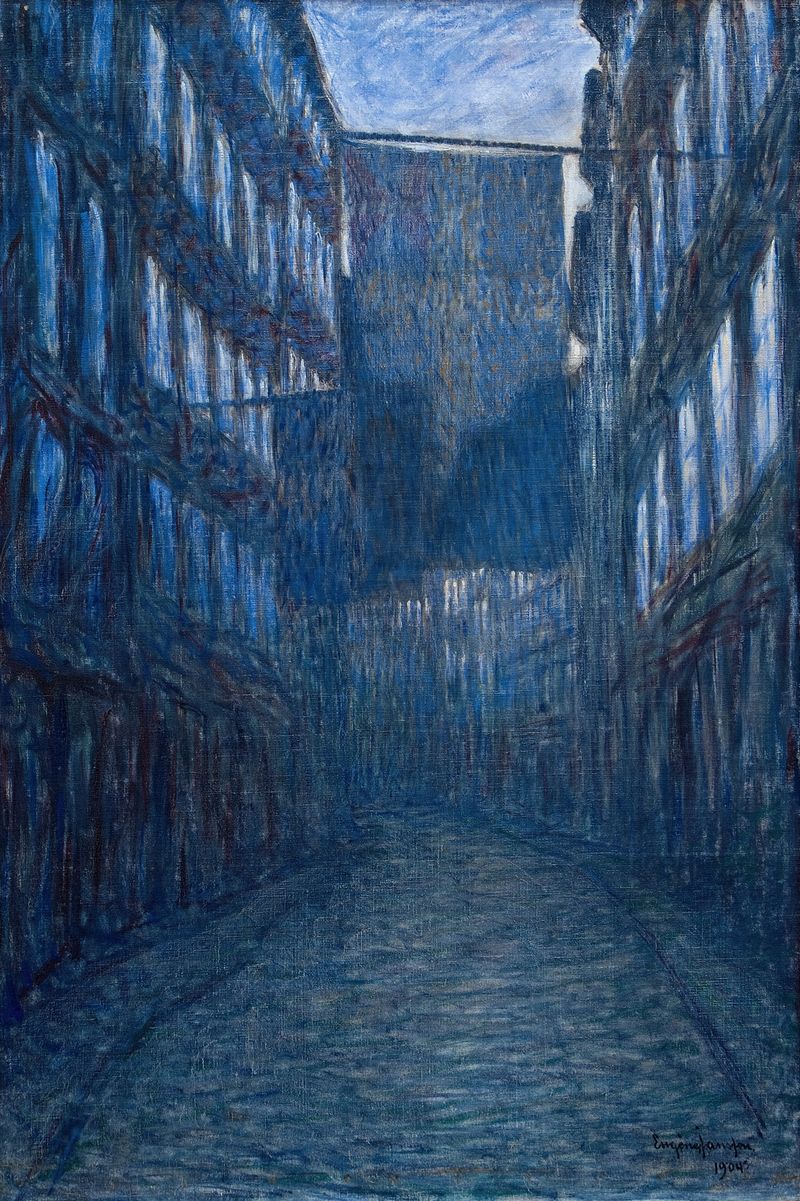
Österlånggatan
Eugène Jansson
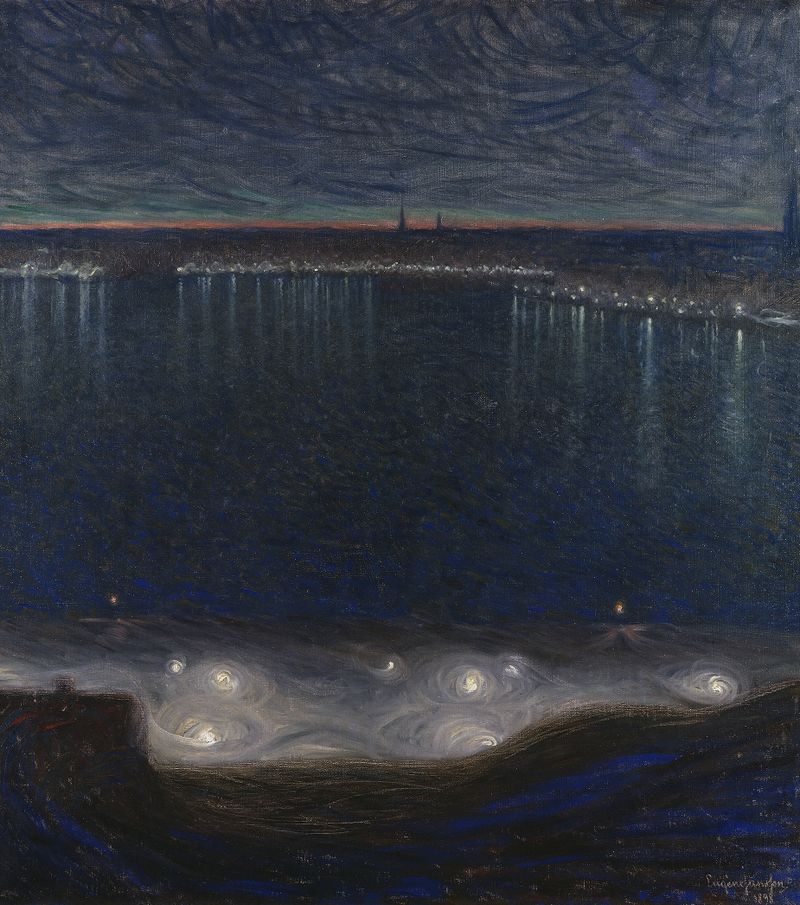
Riddarfjärden, Stockholm
Eugène Jansson
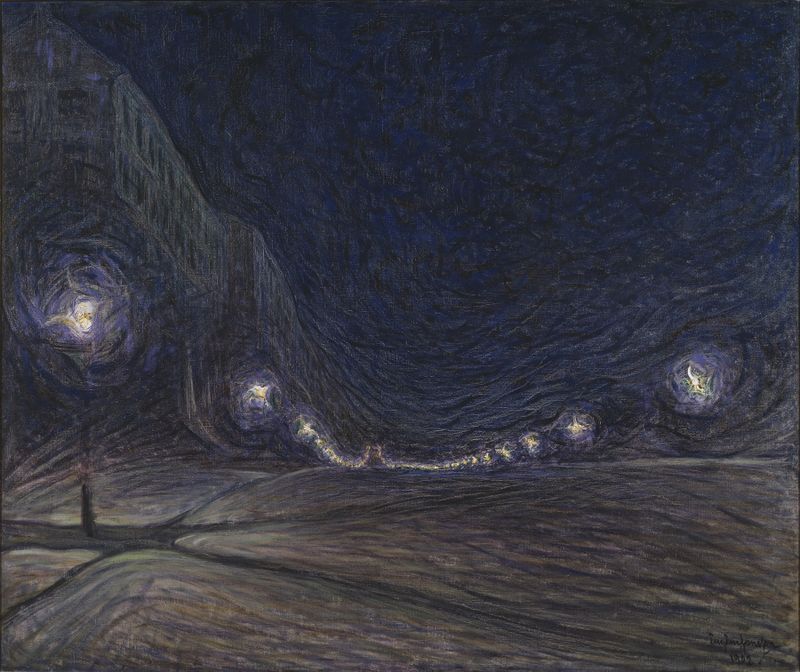
Hornsgatan by Night
Eugène Jansson
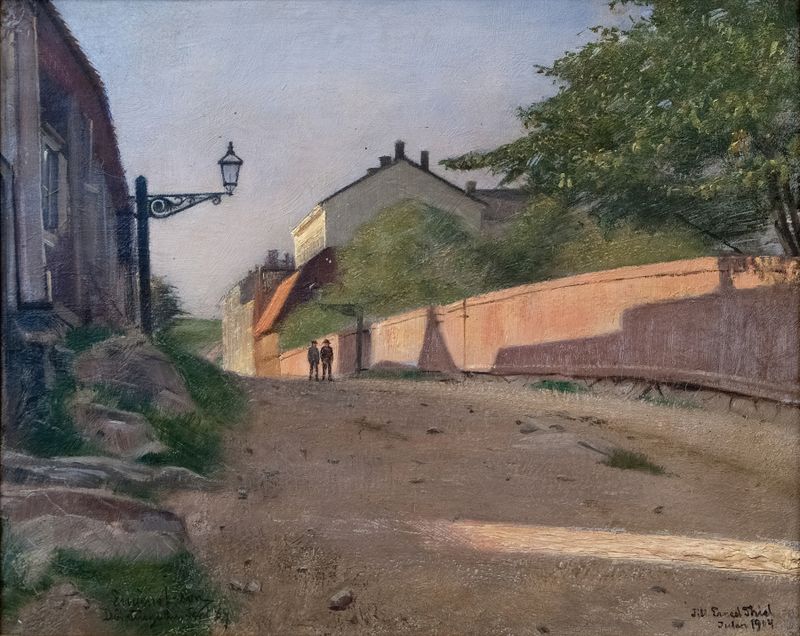
Döbelnsgatan
Eugène Jansson
Hornsgatan
Eugène Jansson
Nocturne
Eugène Jansson





