
Sierra Nevada Morning — History & Facts
Light breaks through a tumult of clouds, spilling across distant peaks and drawing the eye to a hidden world beyond the trees. The drama of the sky is matched by the hush below: three deer pause at the water’s edge, caught in the first warmth of morning. Every detail in Sierra Nevada Morning is a deliberate invitation—notice how the slant of sunlight not only illuminates the mountains but also sets the rhythm for the entire scene, guiding your gaze from the shadowed forest to the glowing valley.
The trees, touched with autumn’s fire, lean in as if listening to the silence, while the water mirrors both the clarity and mystery of the landscape. Painted in 1870, this work belongs to a moment in American art when painters like Albert Bierstadt sought to capture the vastness and promise of the West. Such landscapes were more than decoration: they were arguments for preservation, records of exploration, and, for many, a vision of paradise just out of reach. Bierstadt’s mastery lies in his ability to balance grandeur with intimacy—his mountains soar, but it is the quiet presence of the deer and the play of light that anchor the viewer in the present.
The painting now resides in the collection of the Gilcrease Museum, a fitting home for a work that bridges the wildness of nature and the ambitions of a young nation. Step closer, and let your eye wander; the story here is one of discovery, both in the world and within the painting itself.
More Artworks by Albert Bierstadt

A Storm in the Rocky Mountains, Mt. Rosalie
Albert Bierstadt
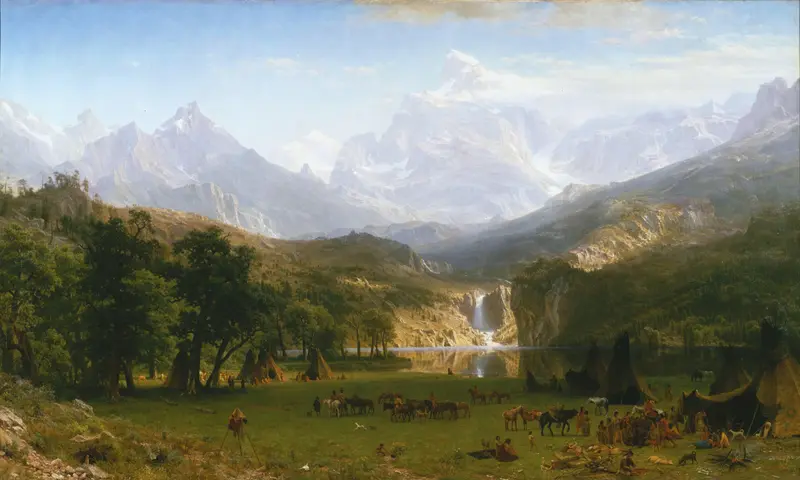
The Rocky Mountains, Lander's Peak
Albert Bierstadt
Niagara from the American Side
Albert Bierstadt
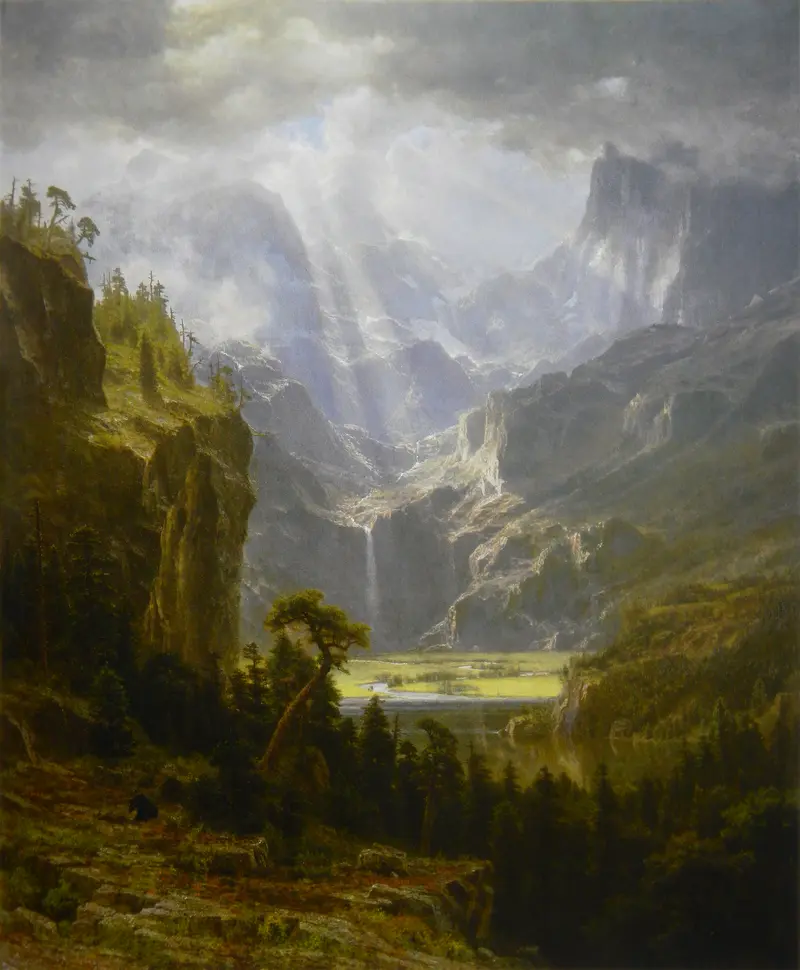
Rocky Mountains, Lander’s Peak
Albert Bierstadt

Valley of the Yosemite
Albert Bierstadt
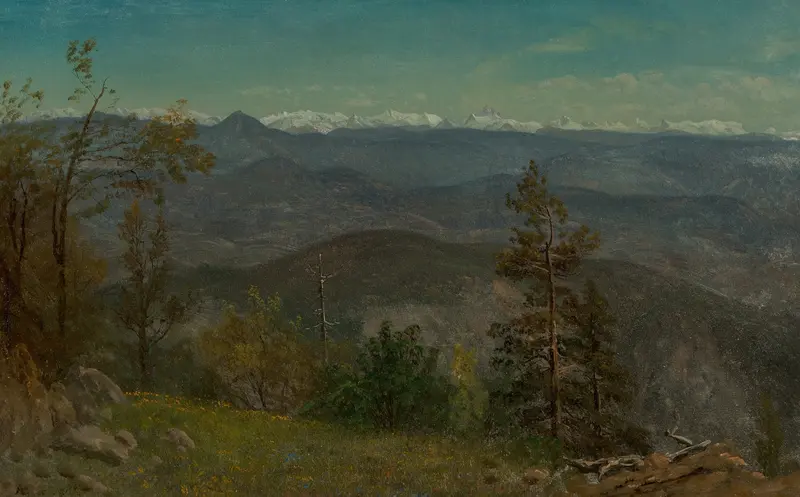
Yosemite Valley, California
Albert Bierstadt
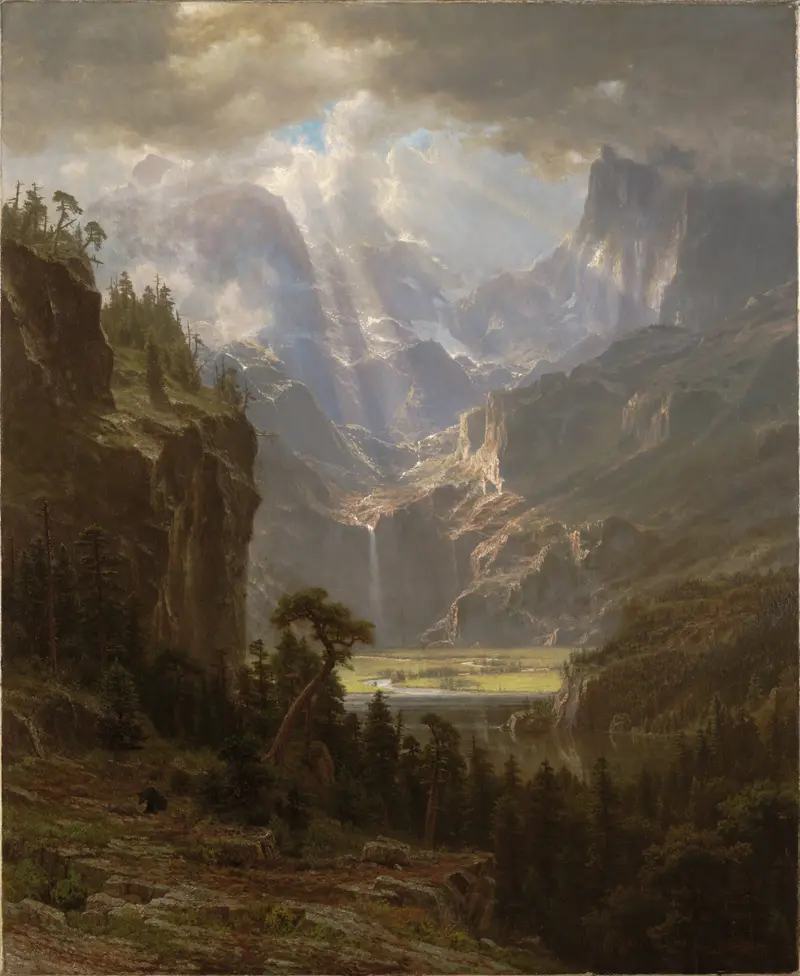
Rocky Mountains, "Lander's Peak"
Albert Bierstadt

Laramie Peak
Albert Bierstadt
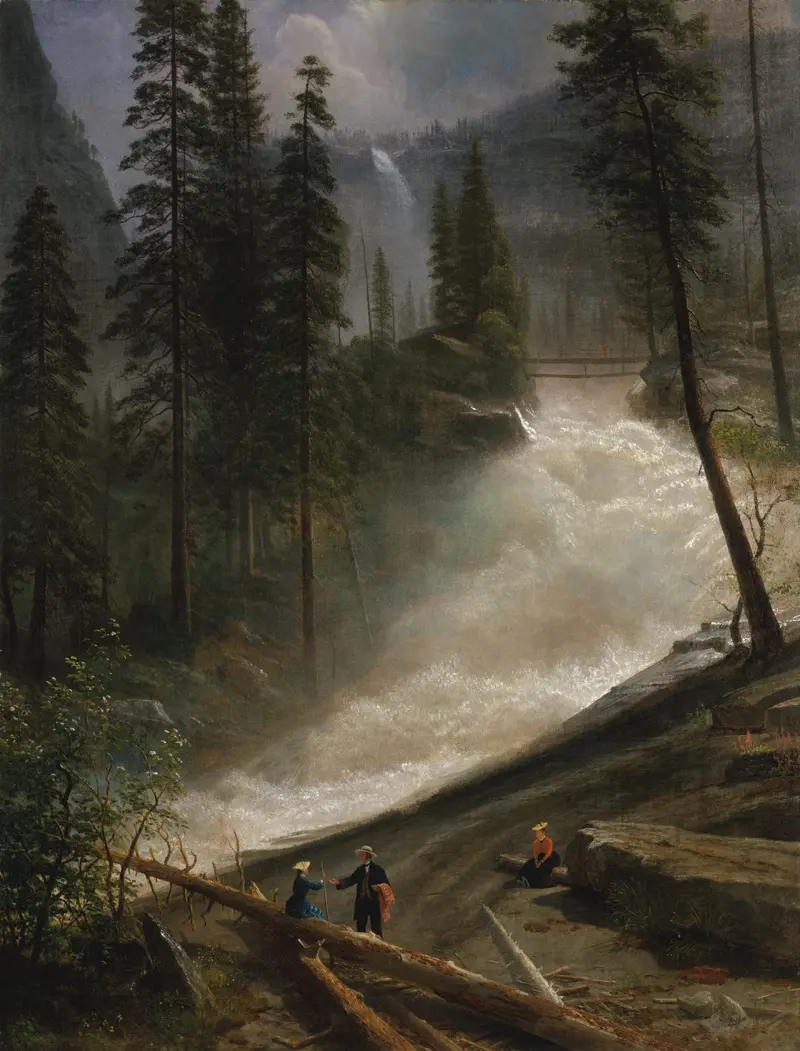
Nevada Falls, Yosemite
Albert Bierstadt
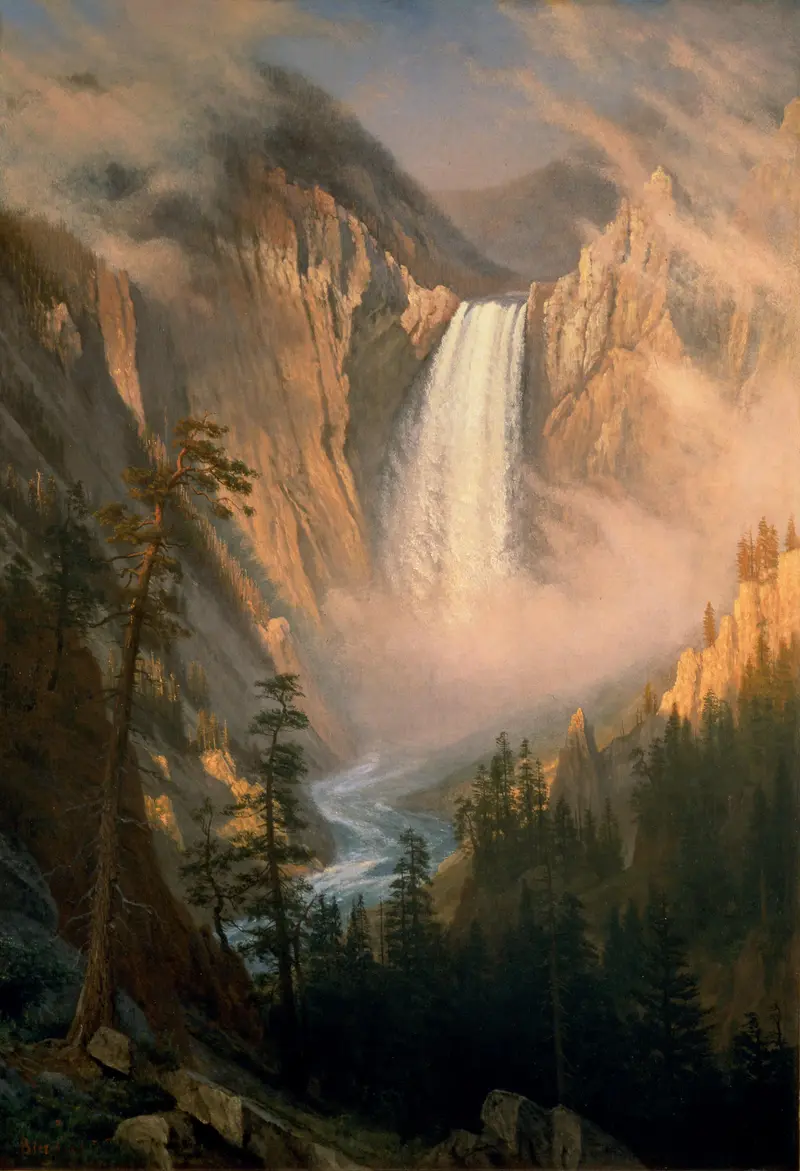
Yellowstone Falls
Albert Bierstadt
More Landscape Art

The Starry Night
Vincent van Gogh

View of Delft
Johannes Vermeer

Water Lilies
Claude Monet

The Grand Canal, Venice, looking north-west from the Ca' Corner to the Ca' Contarini degli Scrigni, with the campanile of Santa Maria della Carità
Canaletto

Windsor Castle
Canaletto

The Grand Canal looking North-East from the Palazzo Dolfin-Manin to the Rialto Bridge
Canaletto