Siesta on Öland — History & Facts
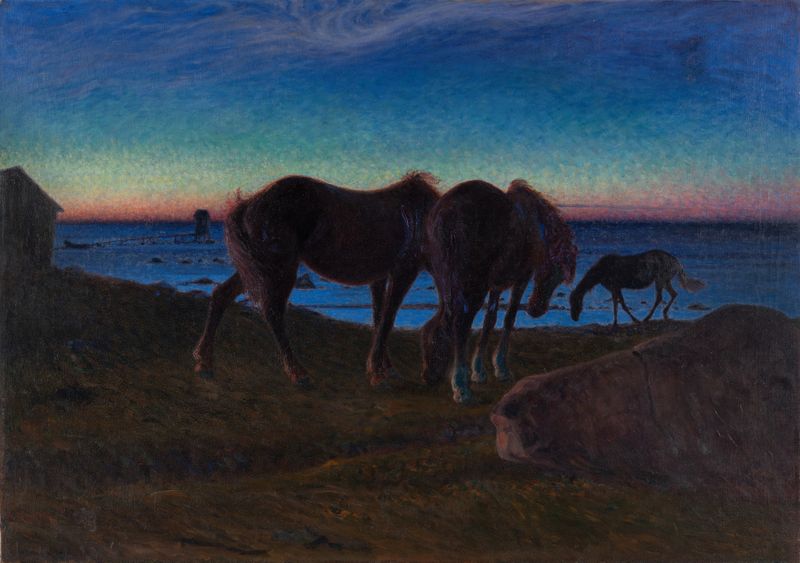
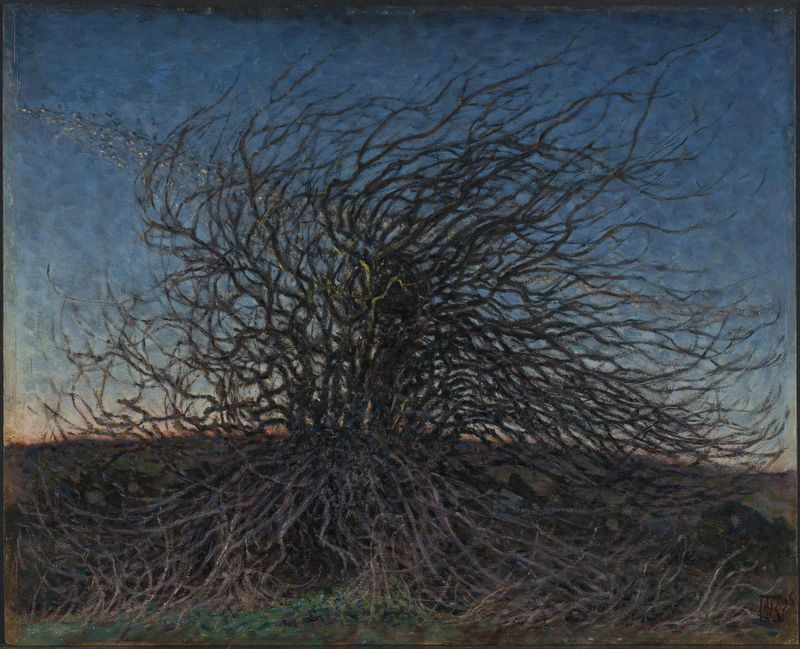
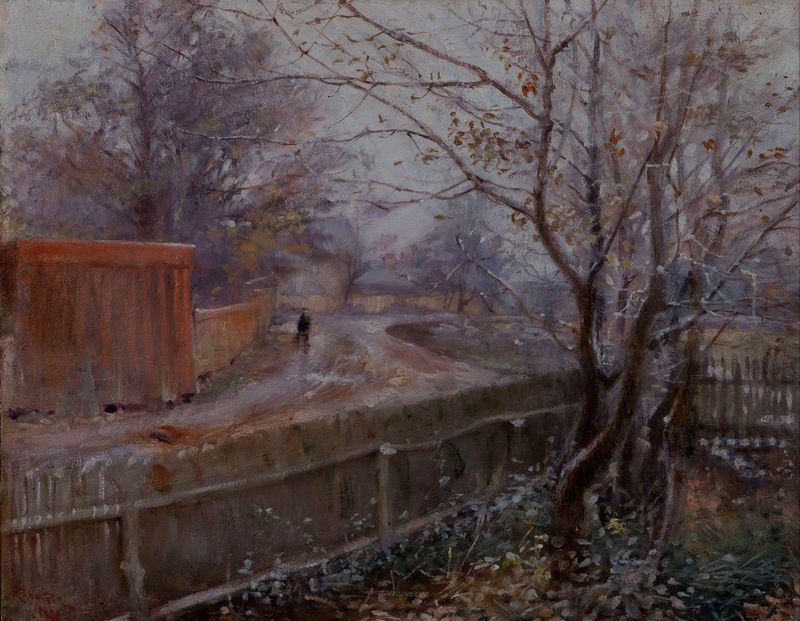
Could a single brushstroke hold eternity? In Siesta on Öland, the essence of a fleeting moment is preserved, inviting us to contemplate the weight of legacy in the simplest of acts. Look to the sun-drenched foreground where a figure reclines, seemingly lost in the embrace of a tranquil afternoon. The soft strokes of ochre and gold dance across the canvas, capturing the warmth of sunlight filtering through the trees. Notice how the light falls upon the textured fabric of the figure’s attire, illuminating their repose against the vibrant greens and blues of nature.
The composition effortlessly guides the eye from the peaceful subject to the expansive landscape, creating a harmony that speaks of both solitude and connection. Beneath the surface lies a rich tapestry of meaning. The act of resting is juxtaposed with the vivid life surrounding; the stillness of the figure contrasts with the dynamic swirls of nature, hinting at the eternal cycle of life and the quiet moments that shape our existence. Additionally, the choice of palette evokes nostalgia, suggesting a longing for simpler times whilst also anchoring the viewer in the present—a delicate balance of memory and immediacy. In 1901, Nils Kreuger captured this serene vignette on the island of Öland, a place that inspired many artists during the Swedish summer.
At this time, he was emerging as a significant figure in the Swedish art scene, transitioning towards plein air painting, which emphasized direct observation of nature. His work reflected a broader movement towards Impressionism in Sweden, capturing not just scenes but the profound emotional resonance of lived experience.