
Sketch for "The Last of the Buffalo" — History & Facts
The drama of the chase grips you before you even notice the brushwork: a rider, bare-chested and poised, leans forward on a white horse as it collides with a massive buffalo. The horse's muscles bunch and twist with tension, its hooves barely touching the earth, while the hunter’s arm, feathered lance raised high, becomes a living extension of the weapon itself. Bierstadt’s sketch holds nothing back—every line and patch of color is urgent, direct, and alive with movement.
The light breaks through the clouds at the top, catching the rider and his mount in a sudden, almost theatrical spotlight, as if nature itself is watching this moment of struggle and skill. This work emerges from the late nineteenth century, a time when American artists like Albert Bierstadt turned their eyes westward, capturing the landscapes and peoples that, in their view, defined a vanishing frontier. Painted around 1888, and now part of the Whitney Gallery of Western Art Collection, this sketch is a fragment of a much larger conversation—one about the fate of the buffalo, the lives of Native hunters, and the rapid changes sweeping across the plains. History has kept few traces of the individual stories behind such sketches, but the sense of urgency and loss is unmistakable.
Stand before it and let your eye follow the arc of the lance, the tension in the horse’s flank, and the gathering dusk behind them—each detail a testament to a world on the edge of memory.
More Artworks by Albert Bierstadt

A Storm in the Rocky Mountains, Mt. Rosalie
Albert Bierstadt
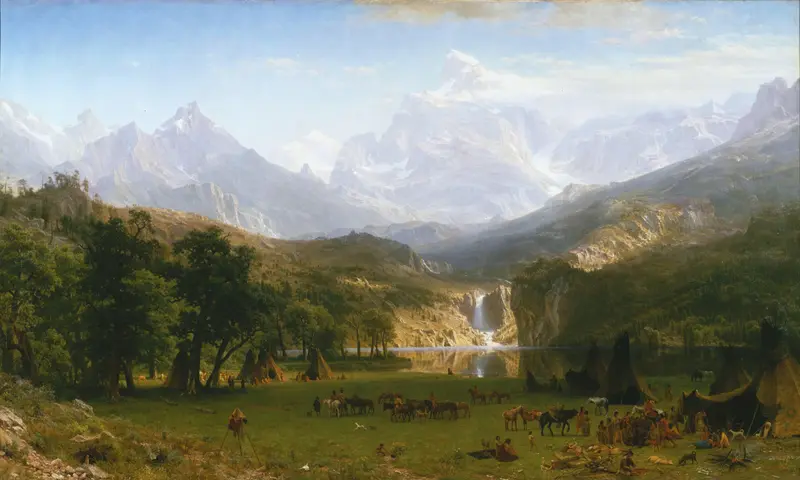
The Rocky Mountains, Lander's Peak
Albert Bierstadt
Niagara from the American Side
Albert Bierstadt
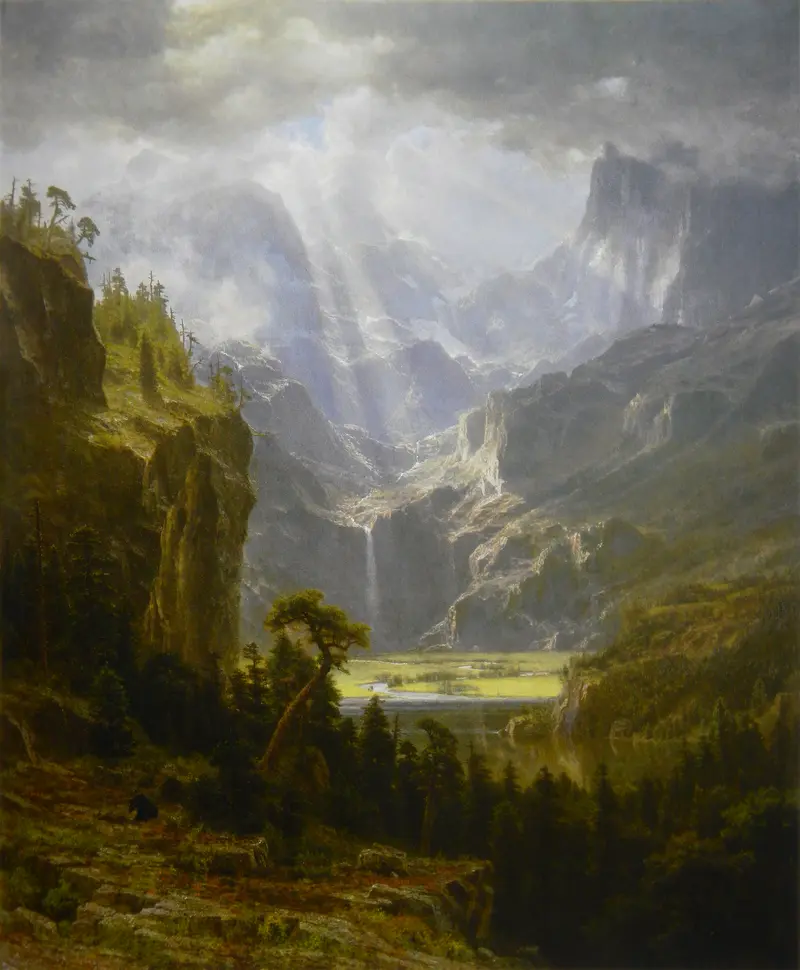
Rocky Mountains, Lander’s Peak
Albert Bierstadt

Valley of the Yosemite
Albert Bierstadt
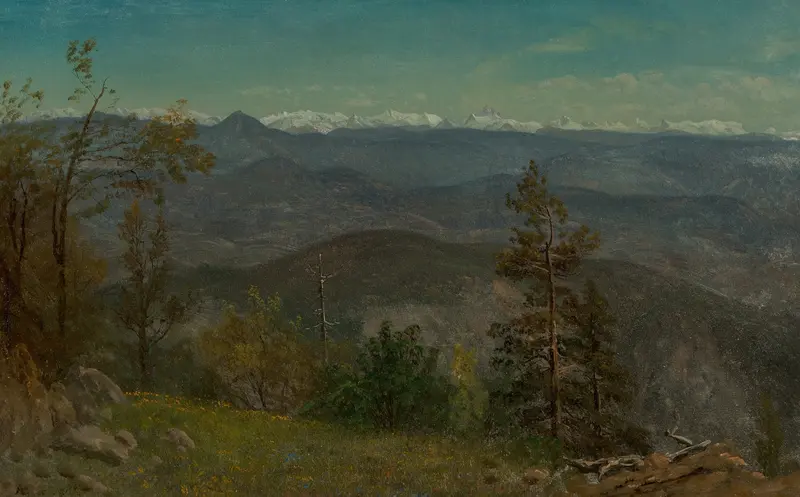
Yosemite Valley, California
Albert Bierstadt
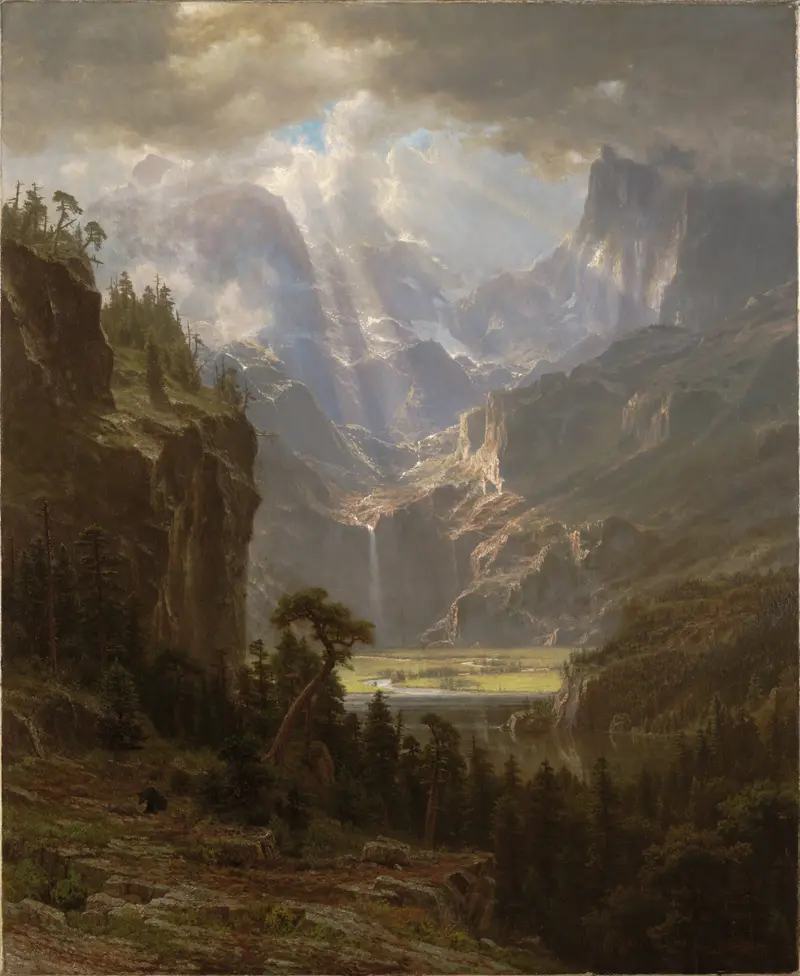
Rocky Mountains, "Lander's Peak"
Albert Bierstadt

Laramie Peak
Albert Bierstadt
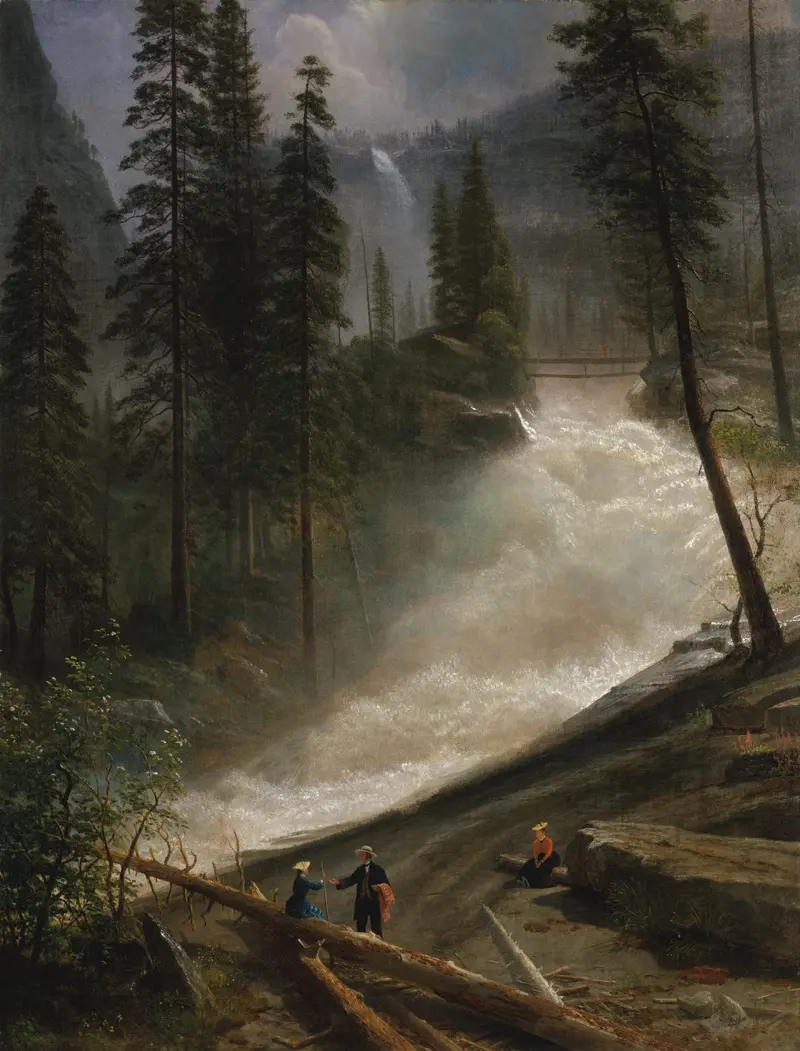
Nevada Falls, Yosemite
Albert Bierstadt
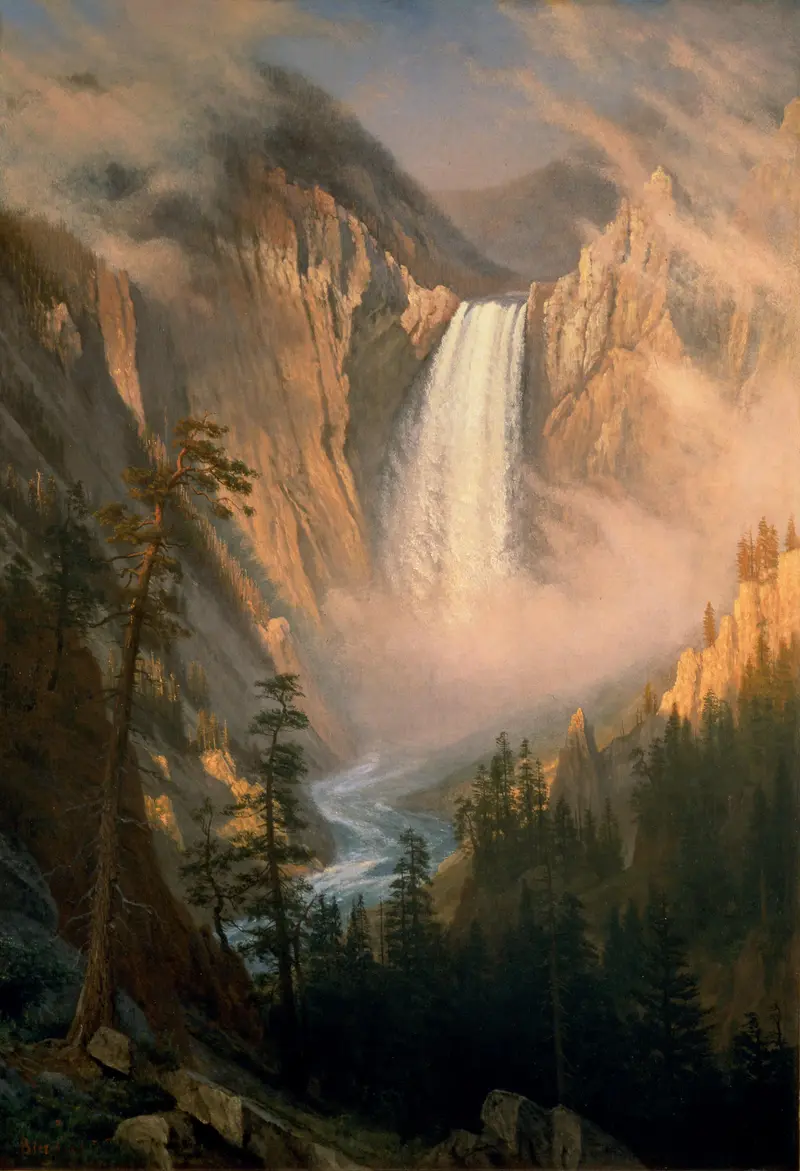
Yellowstone Falls
Albert Bierstadt



