
Sketch of a Cottage Yard — History & Facts
Can beauty exist without sorrow? In Sketch of a Cottage Yard, the interplay of light and shadow invites us to explore the delicate balance between joy and melancholy. Look to the left at the modest cottage, its weathered walls bathed in warm sunlight, while the surrounding foliage dances in gentle whispers. The painter's quick brushstrokes capture the soft contours of the landscape, creating a vibrant tapestry of greens and browns that pulsates with life. The brightness of the flowers, punctuating the earthy tones, draws the eye upward, guiding us to the distant trees that watch over this tranquil retreat. Yet within this serene setting lies an emotional complexity.
The shadows cast by the trees hint at the passage of time, suggesting that even in beauty, there is an underlying sense of transience. The placement of the cottage, both inviting and isolated, speaks to the human condition—of yearning for connection while grappling with solitude. This duality reminds us that joy often coexists with a touch of sorrow, a theme that resonates deeply within the viewer's heart. Created around 1876, during a period of experimentation in American art, the artist found himself at the forefront of a movement that sought to depict everyday life with authenticity.
Living in a rapidly changing world, he was drawn to the beauty of nature and the simplicity of rural life, responding to the broader cultural shift towards realism. This work encapsulates his distinctive ability to blend technical skill with emotional depth, capturing a moment that is both intimate and universally relatable.
More Artworks by Winslow Homer
Browse all →
The Gulf Stream
Winslow Homer
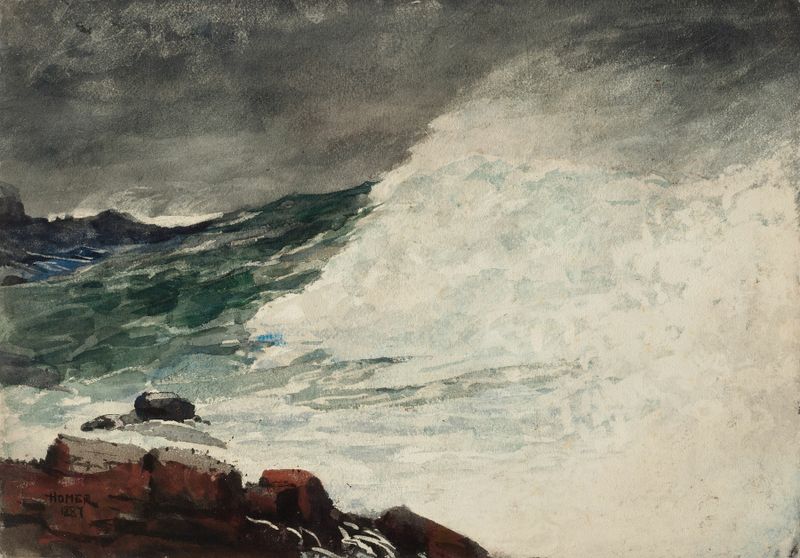
Prout’s Neck, Breaking Wave
Winslow Homer
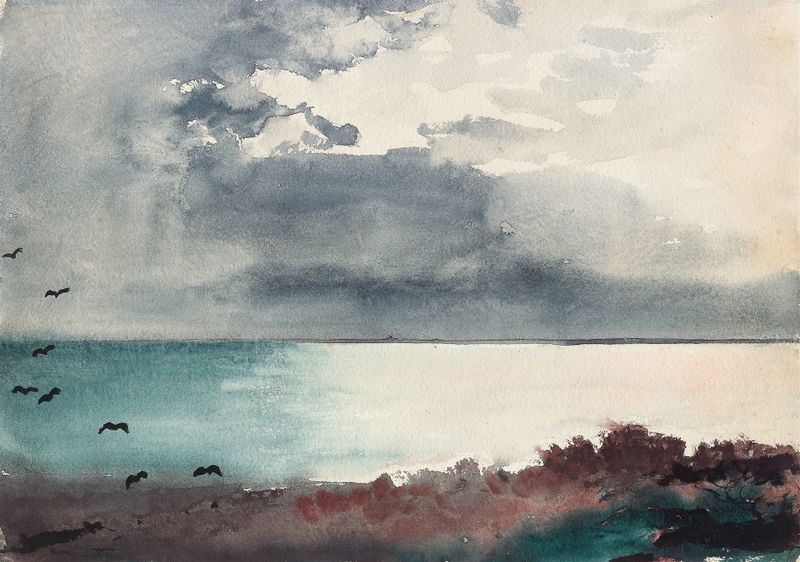
Breaking Storm, Coast of Maine
Winslow Homer
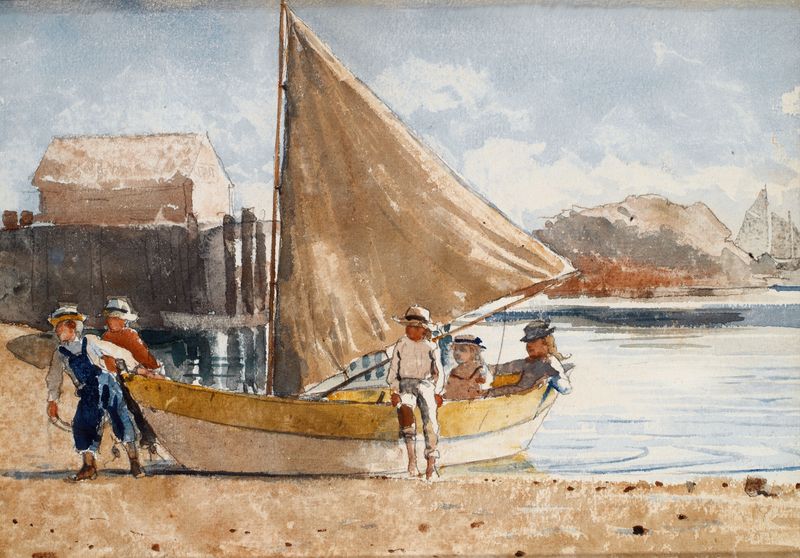
Summertime
Winslow Homer
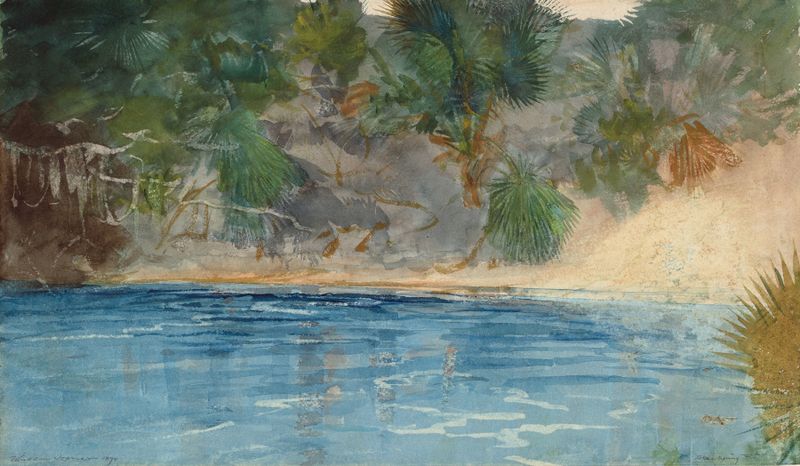
Blue Spring, Florida
Winslow Homer
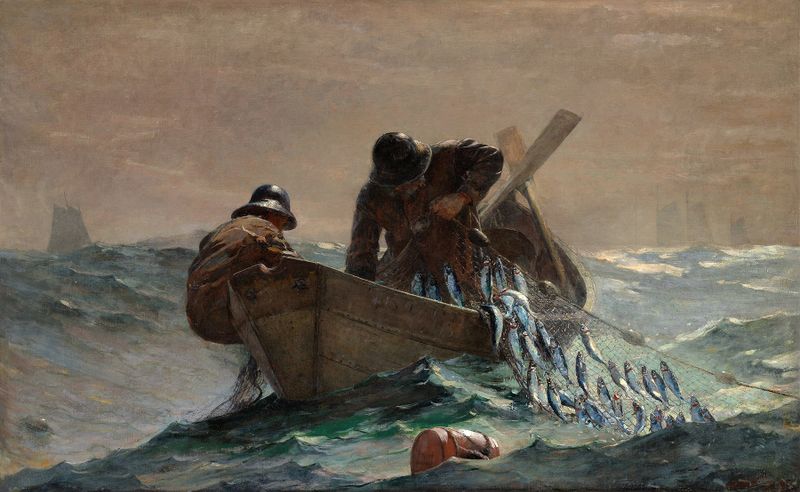
The Herring Net
Winslow Homer
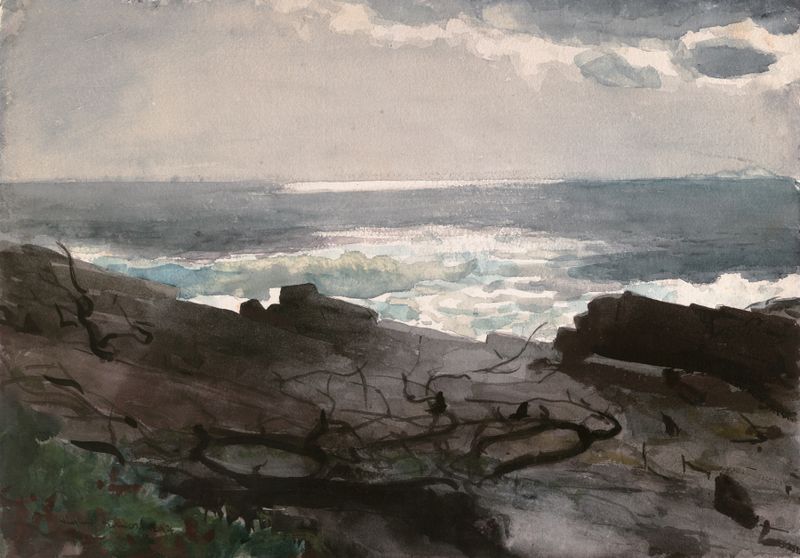
Sunshine and Shadow, Prout’s Neck
Winslow Homer

Moonlight, Wood Island Light
Winslow Homer
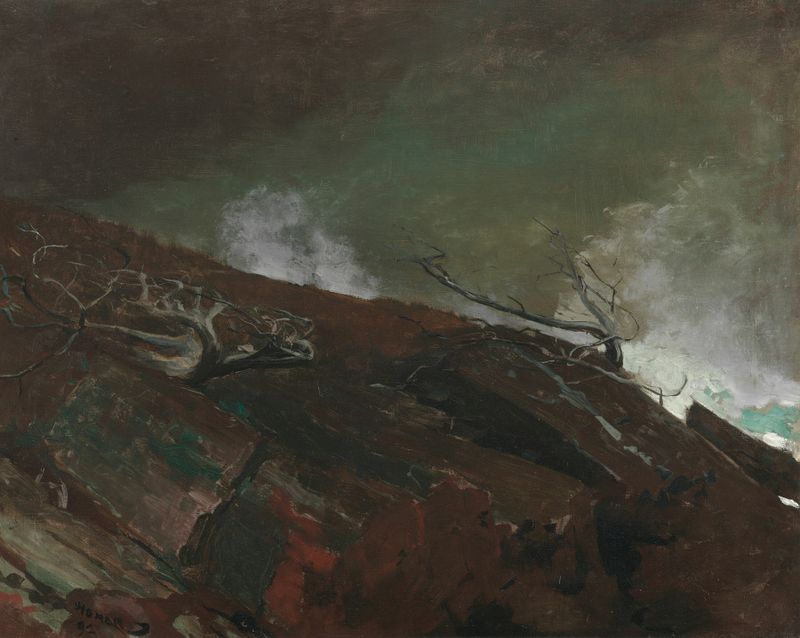
Coast of Maine
Winslow Homer
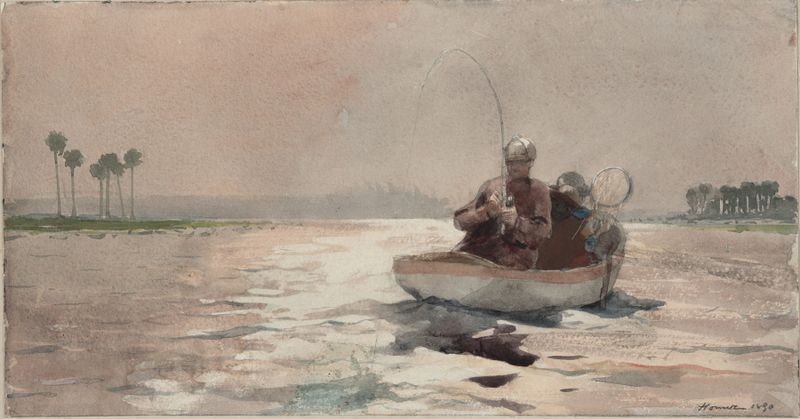
Bass Fishing – Florida
Winslow Homer





