
Skirmishers on the outskirts of towns — History & Facts
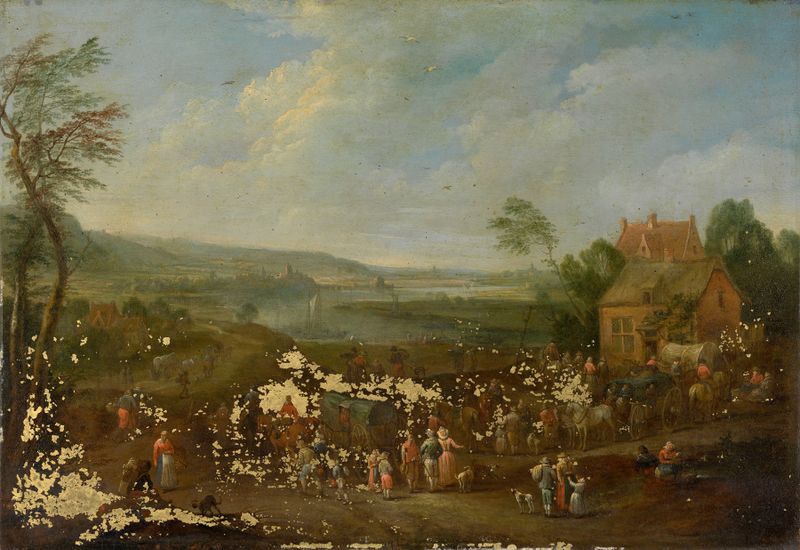
In this swirling chaos of life lies the beauty of decay — a haunting reminder of what was and what remains. How does a moment of strife reflect a deeper truth about humanity’s fragility? Look to the bottom center of the canvas, where the figures of skirmishers emerge, their postures taut with anxiety and alertness. The muted colors of earth and ash contrast sharply with the vibrant strokes that outline their forms, suggesting both urgency and disarray.
Notice how the brushwork captures the tension in their gestures, as if the very air around them vibrates with the anticipation of conflict. The background blurs into indistinct shapes, evoking a sense of disintegration that mirrors the emotional turmoil present in the scene. The juxtaposition of life and decay is palpable here. Each skirmisher’s expression carries the weight of dread, hinting at the futility of their struggle.
The surrounding decay — crumbling buildings and wilted foliage — becomes a character in its own right, a testament to the ravages of time and war. This tension reflects a universal truth about humanity: in our quest for dominance, we often forget the cost of our pursuits, leaving behind ruins where once there was life. Created during an unspecified time in Karel Breydel’s career, Skirmishers on the outskirts of towns embodies the complex interplay of conflict and the passage of time in a rapidly changing world. While not much is documented about his life at this moment, it aligns with the broader exploration of realism and emotional depth that permeated art during his era, as artists sought to confront the chaos of their times through poignant depictions of human experience.
More Artworks by Karel Breydel
Browse all →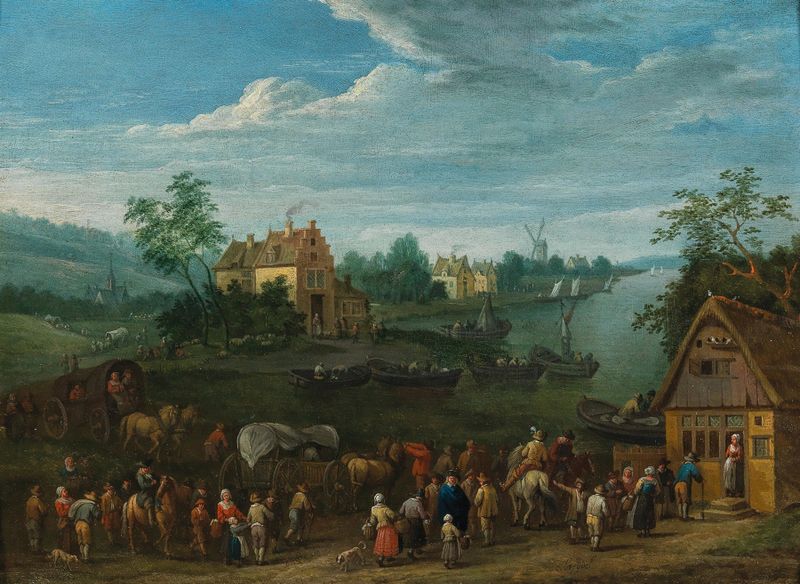
A river landscape with travellers in the foreground
Karel Breydel
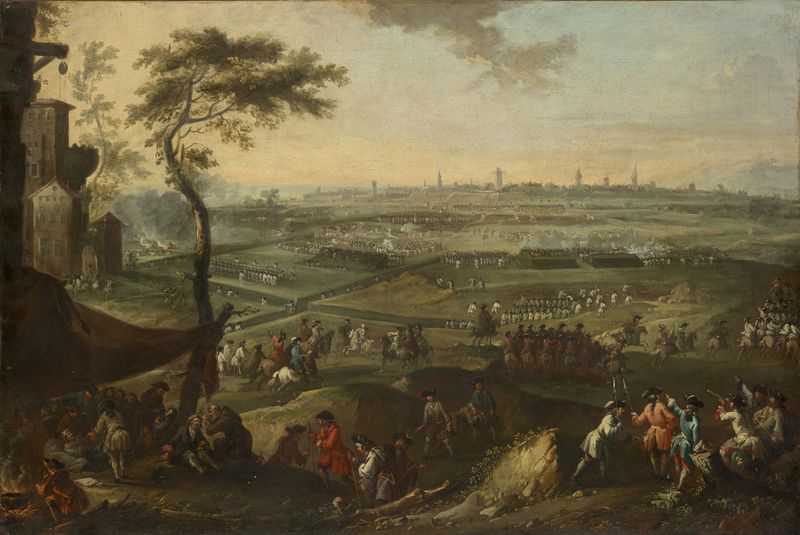
Siege of a Town
Karel Breydel

Skirmishers on the outskirts of towns II
Karel Breydel
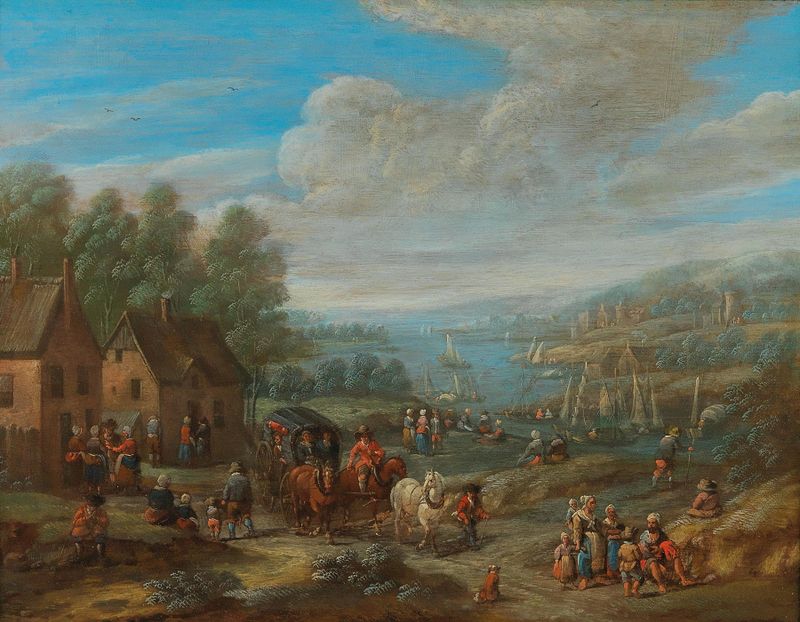
A river landscape with a village and travellers
Karel Breydel

Landscape with Figures
Karel Breydel
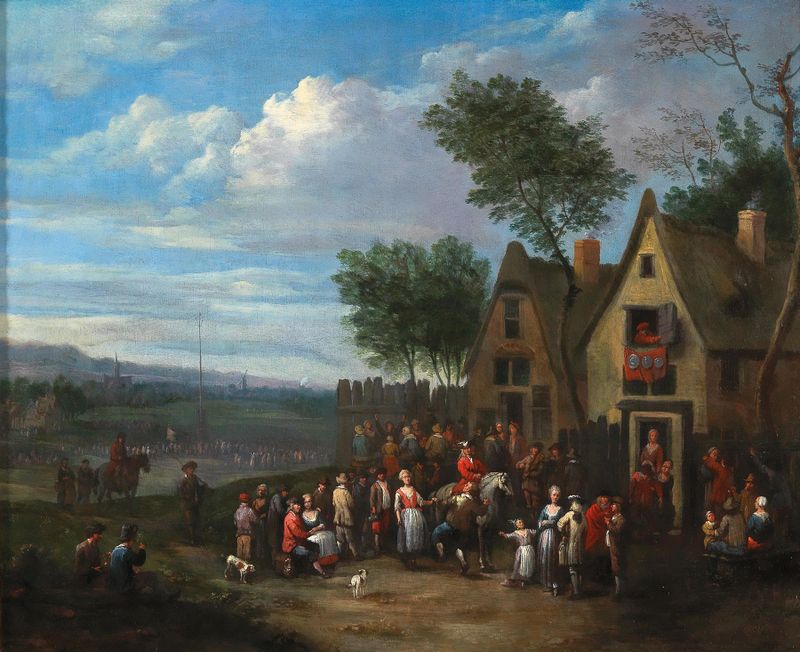
A landscape with peasants
Karel Breydel
Landscape with Figures
Karel Breydel
More Historical Art
Browse all →
The Night Watch Militia Company of District II under the Command of Captain Frans Banninck Cocq
Rembrandt van Rijn
Lincoln Memorial
Henry Bacon
The Third of May 1808
Francisco de Goya

Isaac and Rebecca, Known as ‘The Jewish Bride’
Rembrandt van Rijn
The Charge of the Mamelukes (1814)
Francisco de Goya

De vier ruiters van de apocalyps
Albrecht Dürer