
Sleeping Venus Surprised by Satyrs — History & Facts
When Sleeping Venus Surprised by Satyrs emerged in Rome around 1626, it marked one of the earliest known mythological canvases by Nicolas Poussin, a French artist then forging his reputation among the city’s cosmopolitan patrons. The subject—a sleeping goddess discovered by mischievous woodland creatures—was a daring choice, echoing the sensual themes favored by collectors but also inviting debate about the boundaries of decorum in art. This painting’s precise commission remains uncertain, but its boldness and classical references quickly drew attention in the circles of Cardinal Francesco Barberini, who admired Poussin’s ability to blend learned myth with vivid storytelling. The moment Poussin chooses is one of tension and intrusion: Venus, goddess of love, lies asleep in a secluded landscape, her body relaxed and exposed to the viewer’s gaze.
Two satyrs, half-man and half-goat, creep forward, their eyes wide with curiosity and mischief as they pull back a drapery or leafy branch to reveal her. The contrast between Venus’s serene vulnerability and the satyrs’ eager movement is heightened by the play of light—her pale skin illuminated against the darker, earthy tones of the forest. The roses scattered at her feet and the drowsy putto nearby hint at love’s pleasures and dangers.
Unlike Titian’s Sleeping Venus, where the goddess slumbers undisturbed, Poussin injects narrative drama, inviting the viewer to witness the instant before innocence is lost. The painting’s early history is shrouded in some uncertainty, as is often the case with Poussin’s Roman period works. While it does not appear in the earliest inventories of major patrons, it was likely circulated among private collectors who prized such mythological scenes for their erudition and sensuality. Over the centuries, the canvas has been attributed and reattributed, reflecting shifts in taste and scholarship about Nicolas Poussin’s evolving style.
Today, Sleeping Venus Surprised by Satyrs stands as a testament to the artist’s early mastery of mythological storytelling and his engagement with the intellectual and artistic ferment of early seventeenth-century Rome. Its current whereabouts and medium are not definitively recorded, but its influence can be traced in later treatments of Venus and the satyrs by both French and Italian painters.
More Artworks by Nicolas Poussin

Spring
Nicolas Poussin
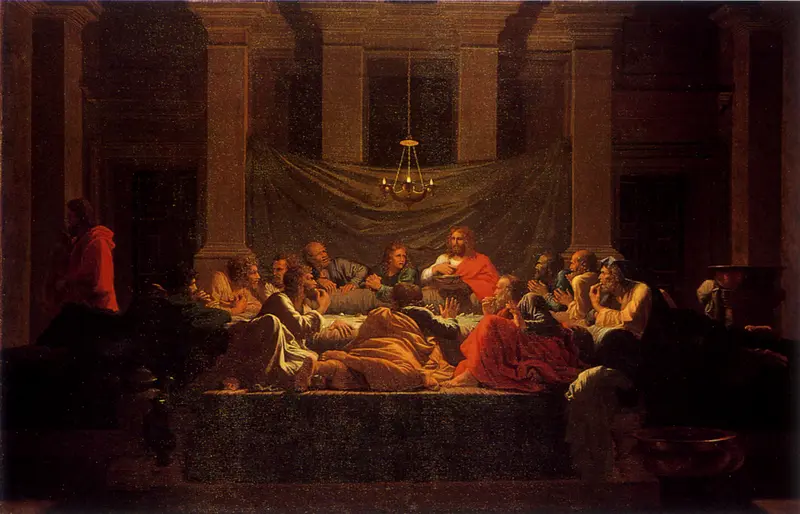
The Sacrament of the Holy Eucharist
Nicolas Poussin
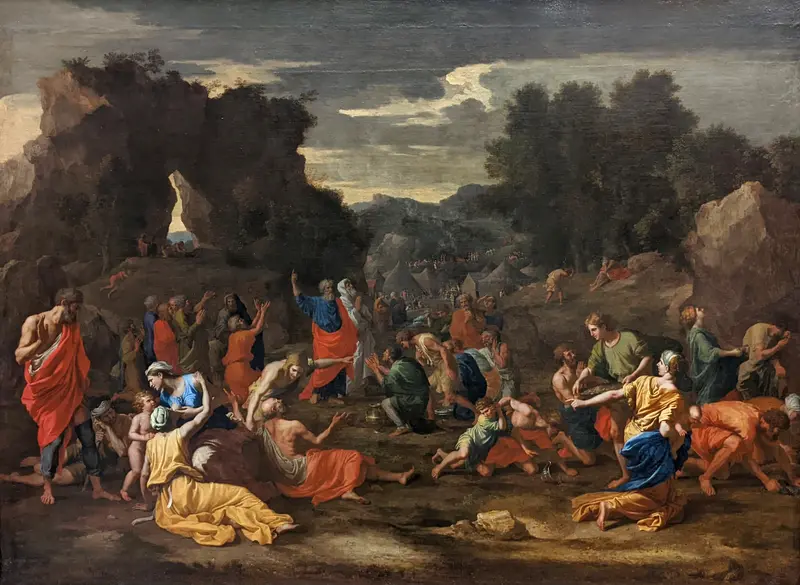
The Israelites gathering Manna in the Desert
Nicolas Poussin
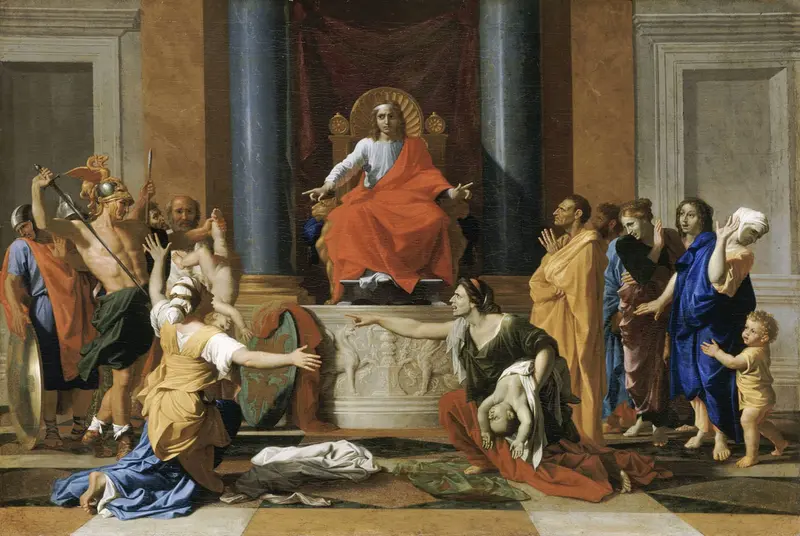
The Judgment of Solomon
Nicolas Poussin
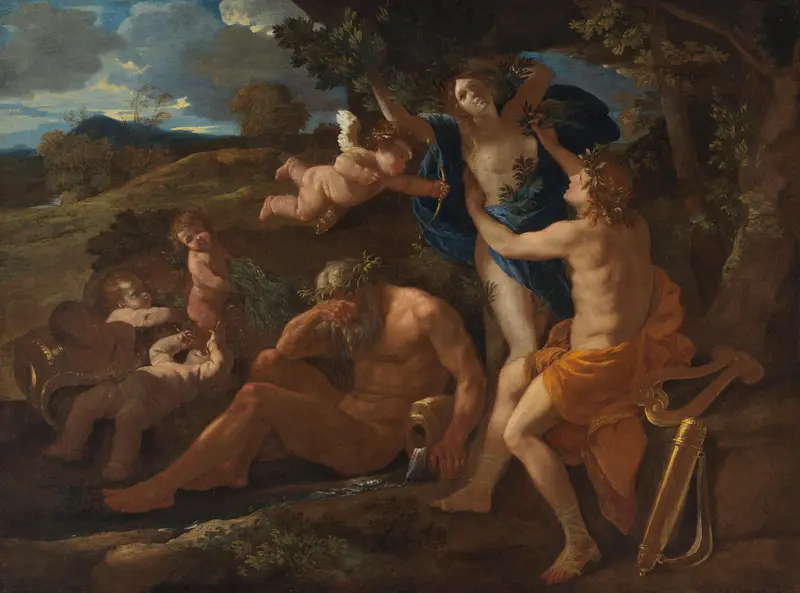
Apollo and Daphne
Nicolas Poussin

The Nurture of Jupiter
Nicolas Poussin

Ordination
Nicolas Poussin
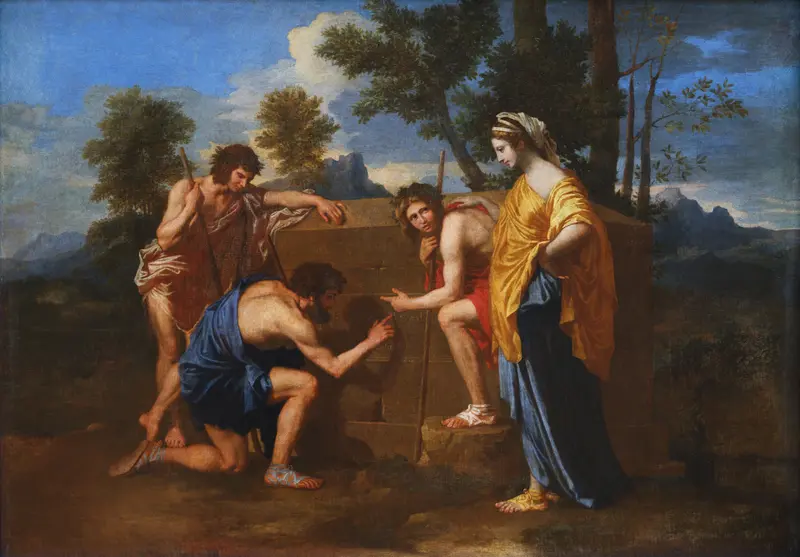
Et in Arcadia ego
Nicolas Poussin
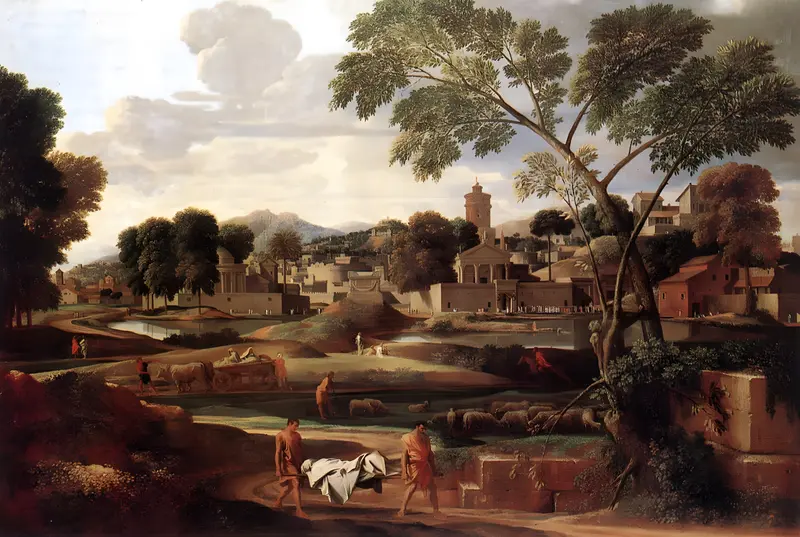
The Funeral of Phocion
Nicolas Poussin
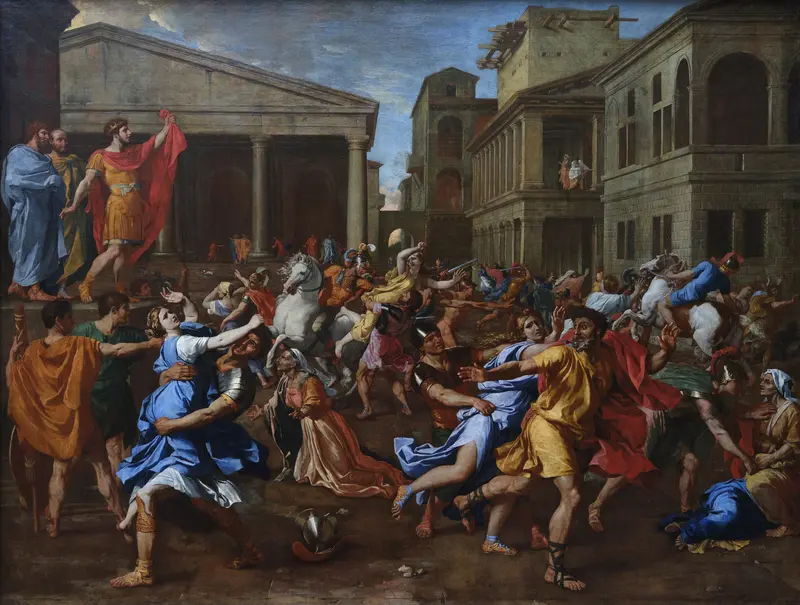
The Rape of the Sabine Women
Nicolas Poussin





