
Small Tree in Late Autumn — History & Facts
In Small Tree in Late Autumn, the viewer is greeted by a solitary tree, its branches bare against a backdrop of warm autumn colors. The leaves, now fallen, create a carpet of earthy tones beneath the tree. The sky is painted in soft hues, suggesting the fading light of the season.
Schiele's use of color emphasizes the transition from life to dormancy, capturing the essence of late autumn. The painting is characterized by Schiele's distinctive brushwork, which is both expressive and deliberate. The tree is rendered in a way that highlights its skeletal form, contrasting with the vibrant colors of the ground. The composition is simple yet powerful, drawing the viewer's eye directly to the tree.
This work exemplifies Schiele's ability to convey emotion through the natural world. Egon Schiele was a key figure in the Expressionist movement, known for his raw and emotional style. Small Tree in Late Autumn reflects his fascination with nature and its cycles. Interestingly, this painting was created during a period when Schiele was exploring themes of isolation and introspection.
The solitary tree serves as a metaphor for the artist's own feelings of solitude during this time.
More Artworks by Egon Schiele

Lovers
Egon Schiele
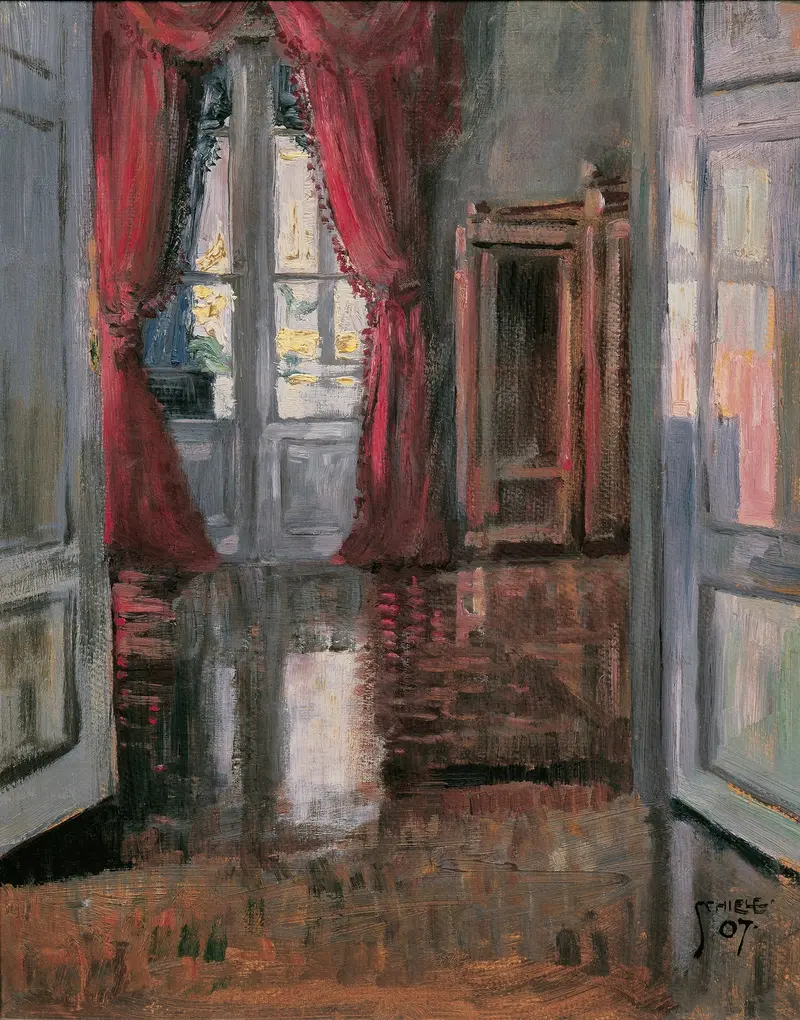
Blick in die Wohnung von Leopold und Marie Czihaczek
Egon Schiele
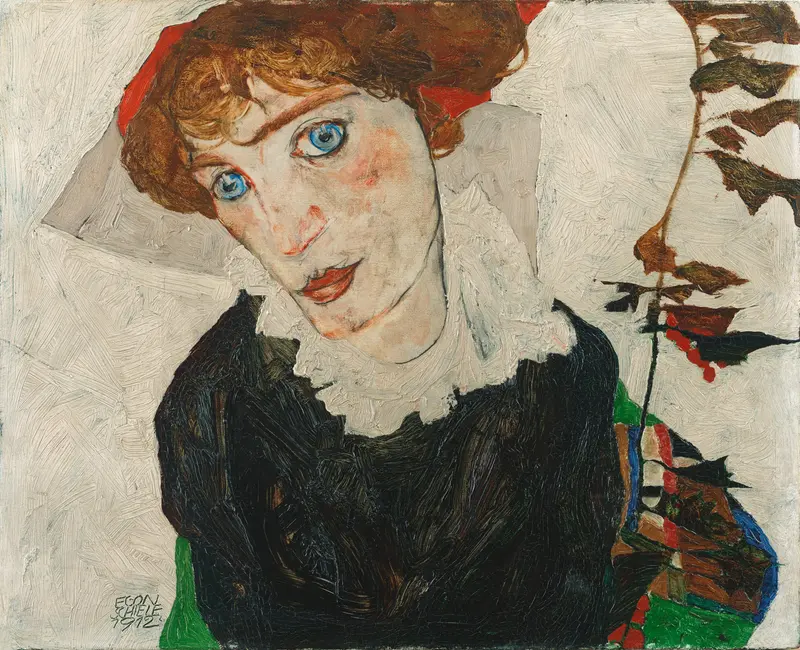
Portrait Of Wally Neuzil
Egon Schiele
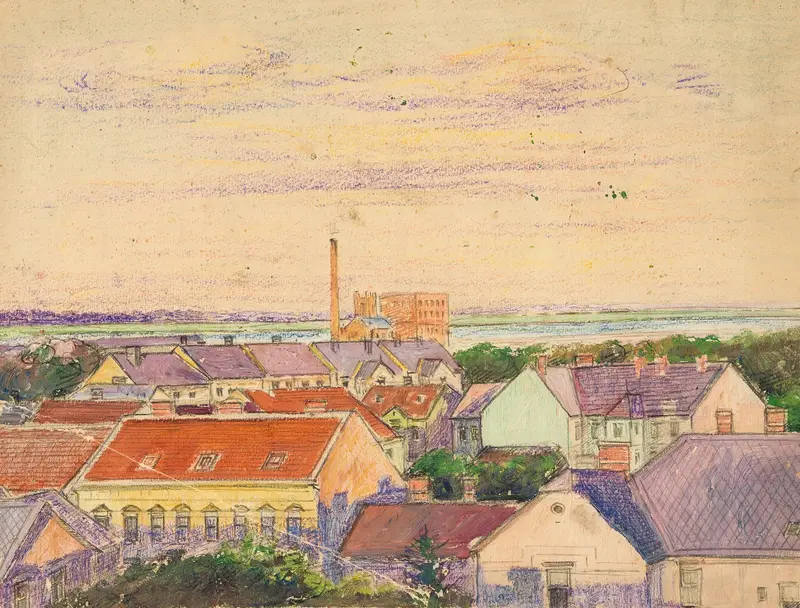
Stadtansicht
Egon Schiele
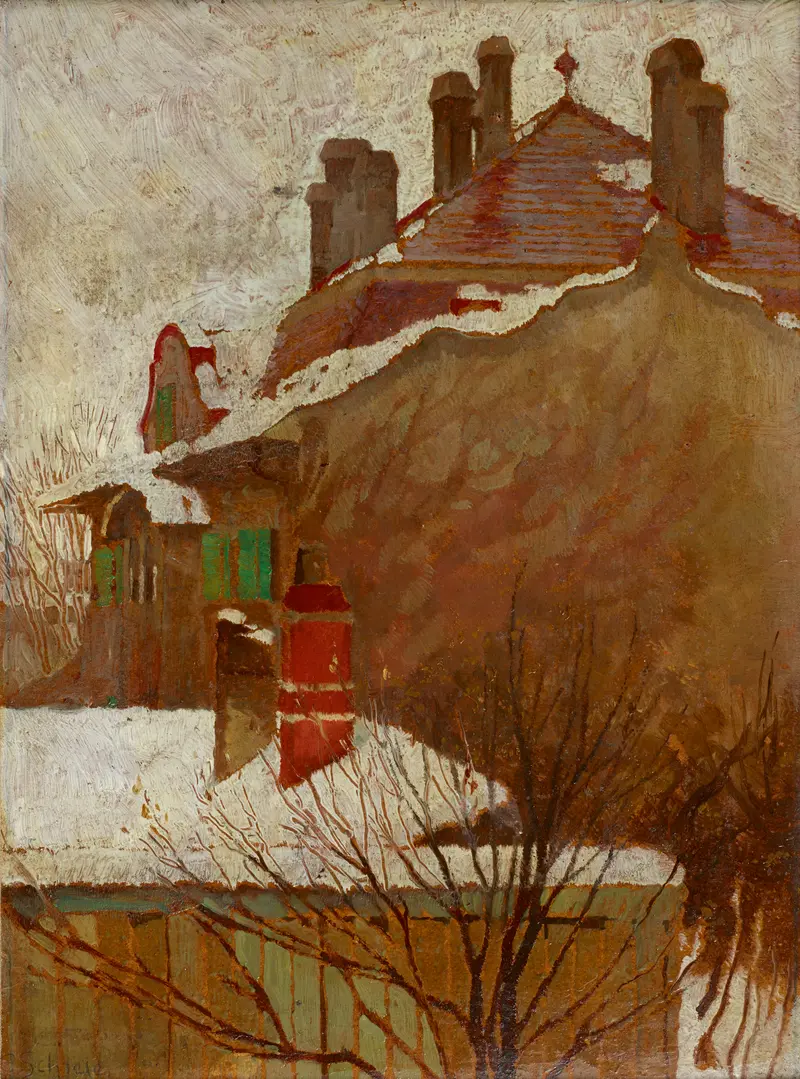
Häuser im Winter (Blick aus dem Atelier)
Egon Schiele
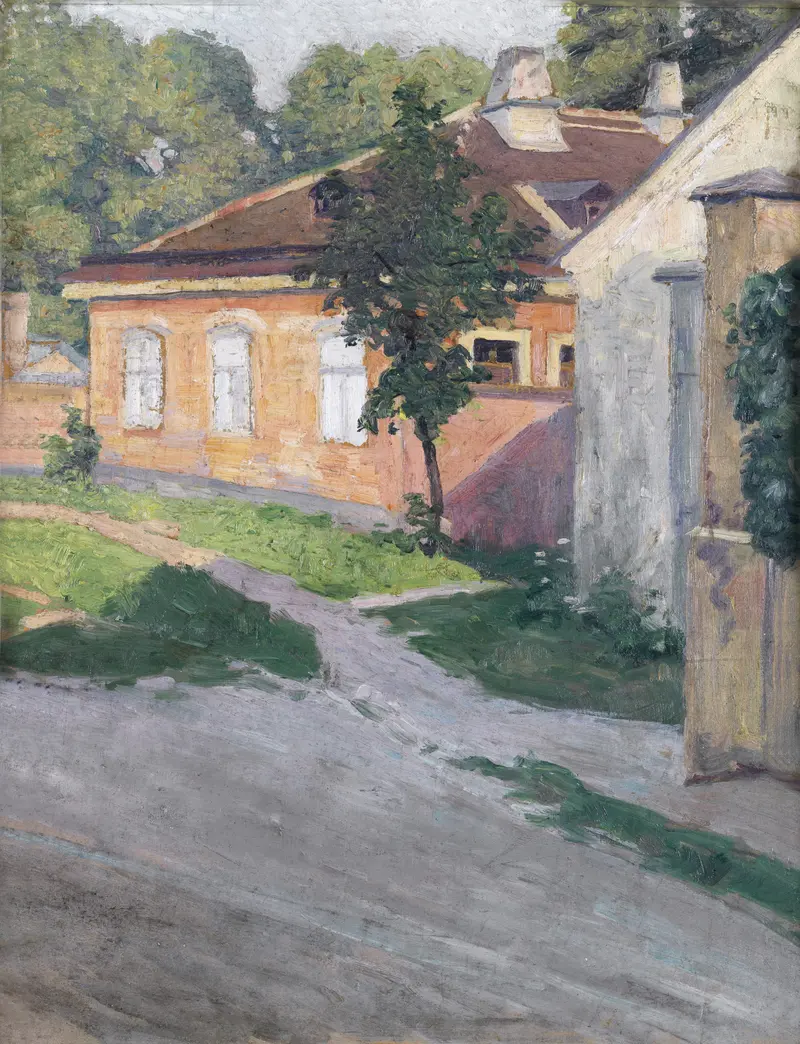
Haus In Hütteldorf (House In Hütteldorf)
Egon Schiele
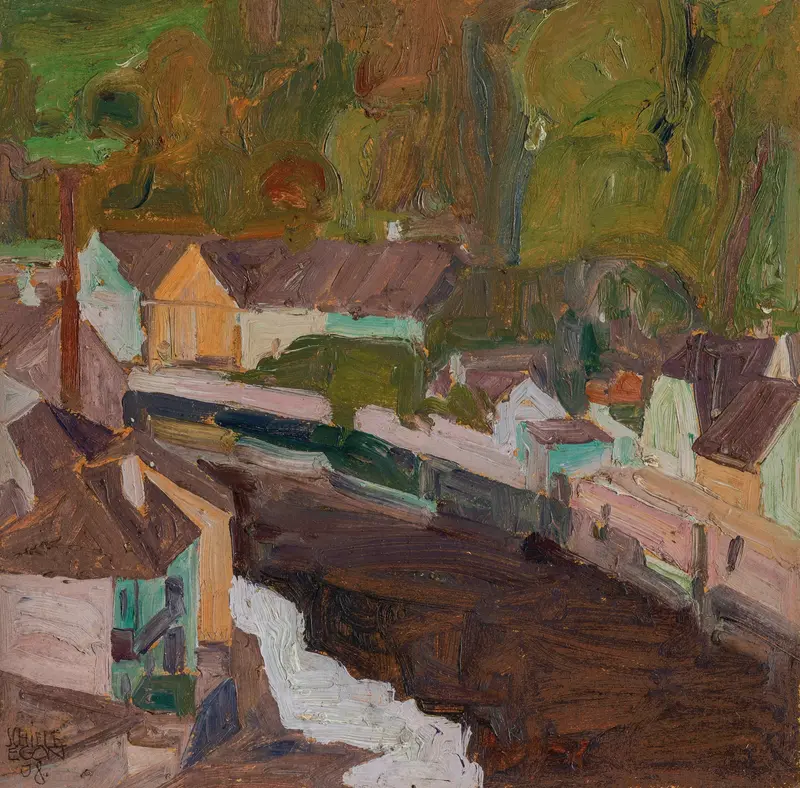
Dorf am Fluss II
Egon Schiele
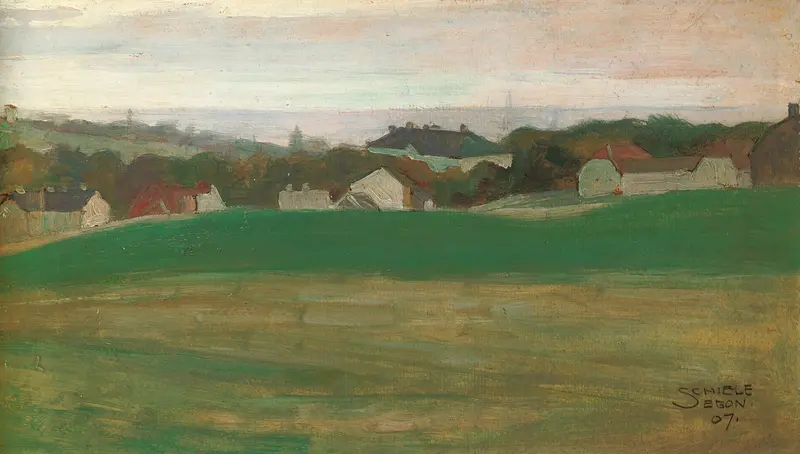
Wiese mit Dorf im Hintergrund II
Egon Schiele
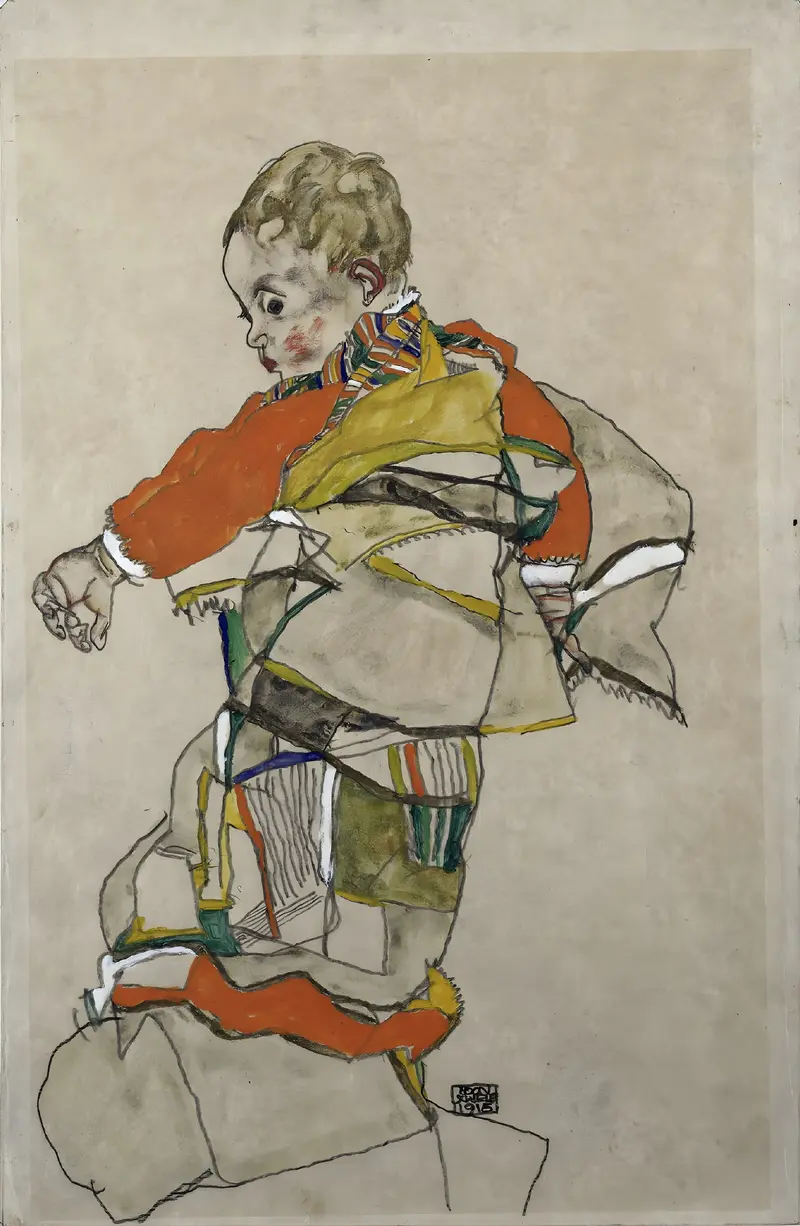
Portrait of a Child (Anton Peschka, Jr.)
Egon Schiele
The Embrace
Egon Schiele
More Landscape Art

The Starry Night
Vincent van Gogh

View of Delft
Johannes Vermeer

Water Lilies
Claude Monet

The Grand Canal, Venice, looking north-west from the Ca' Corner to the Ca' Contarini degli Scrigni, with the campanile of Santa Maria della Carità
Canaletto

Windsor Castle
Canaletto

The Grand Canal looking North-East from the Palazzo Dolfin-Manin to the Rialto Bridge
Canaletto