
Snowdon — History & Facts
In the stark beauty of the natural world, the unseen scars of a turbulent past often linger, evoking both wonder and unease. Look to the distant peaks, where the jagged silhouettes of Snowdon rise sharply against a moody sky. The artist’s brush strokes capture the interplay of light and shadow, with a delicate mist swirling around the mountain’s base. Notice how the muted palette of deep greens and grays sets a tone of haunting serenity, tempered by the urgency of impending storm clouds overhead.
Each stroke conveys a sense of looming chaos, as if the mountain itself stands witness to unspoken histories. Delve deeper, and you will find contrasts that reveal layers of meaning. The foreground flourishes with vibrant foliage, life teeming bravely in the shadow of the looming mountain—an emblem of resilience amidst the violence of nature. This juxtaposition speaks to the duality of existence: the tranquil beauty of the landscape intertwined with the fierce forces that shape it.
The very air seems charged with an electric tension, a testament to the tumultuous narratives that echo through time. Created in 1805, this piece emerged during a formative period for its creator, who was deeply entrenched in the Romantic movement. At the time, de Loutherbourg was exploring the emotional resonance of landscapes, reflecting a broader cultural shift towards the sublime. His work resonates with the larger artistic dialogue of the era, grappling with the intersection of beauty and violence, as the world faced the tumult of political and natural upheaval.
More Artworks by Philip James de Loutherbourg
Browse all →
Iron Works, Colebrook Dale
Philip James de Loutherbourg
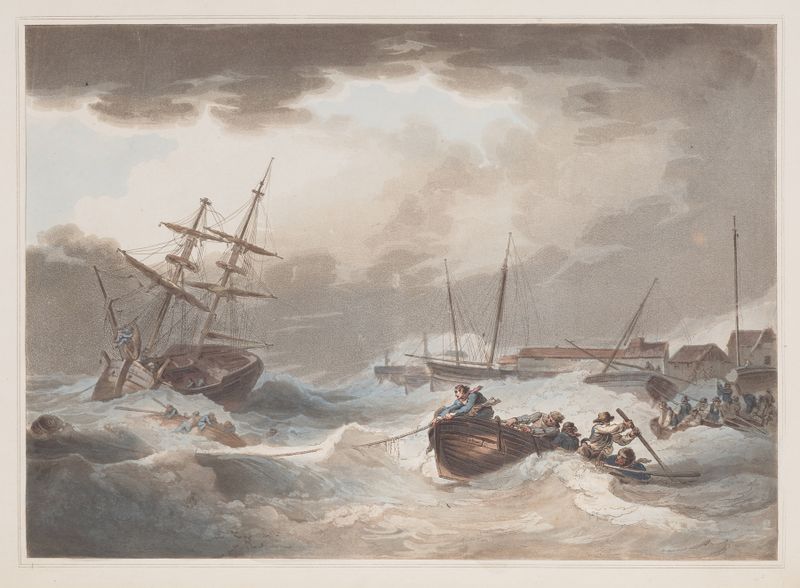
Storm off Margate
Philip James de Loutherbourg
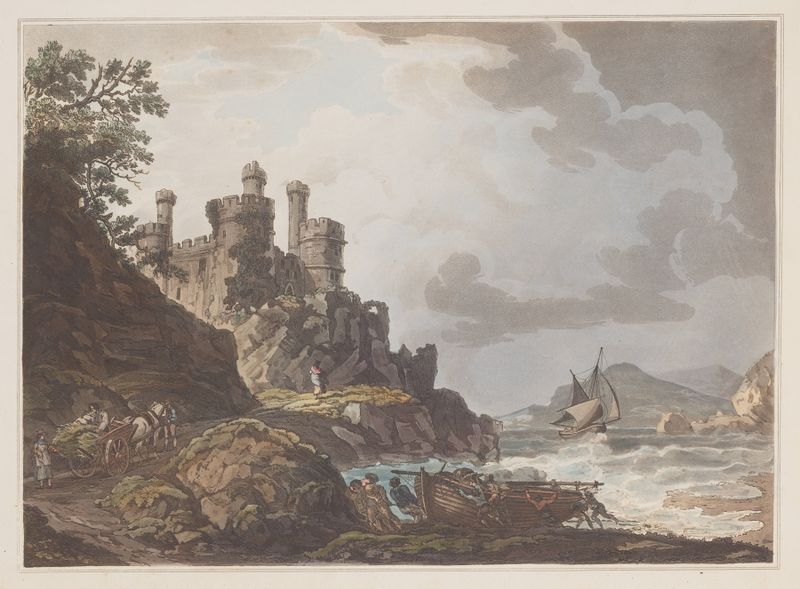
Conway Castle
Philip James de Loutherbourg
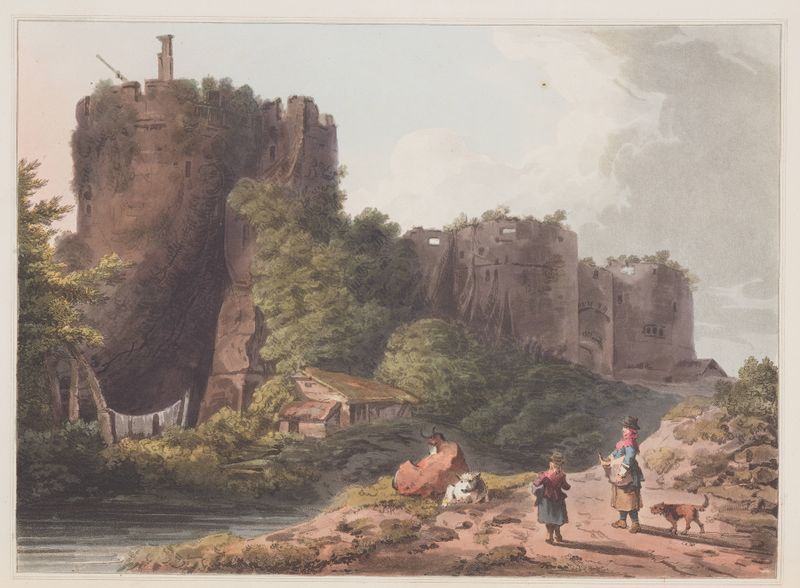
Chepstow Castle in Monmouthshire
Philip James de Loutherbourg
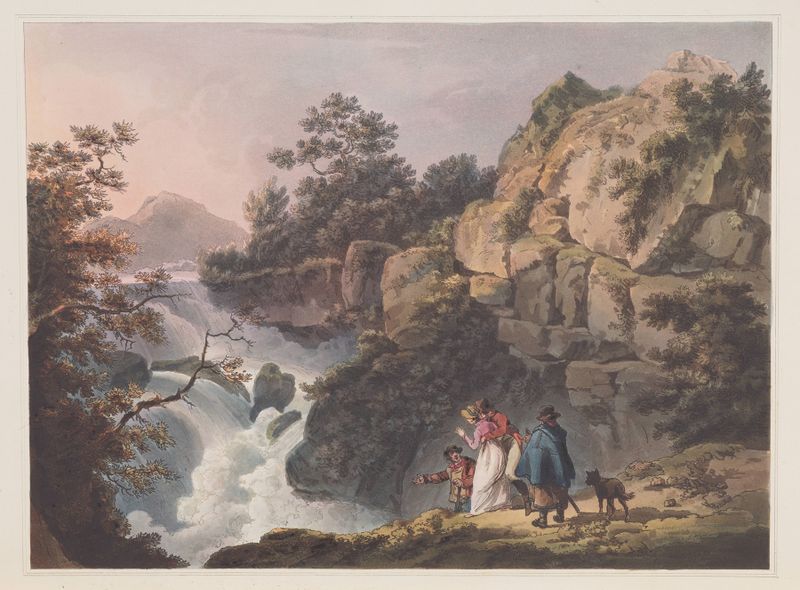
Cataract on the Llugwy
Philip James de Loutherbourg

Tintern Abbey
Philip James de Loutherbourg

Visitor to a Moonlit Churchyard
Philip James de Loutherbourg

A Storm at the Entrance of a Mediterranean Port
Philip James de Loutherbourg
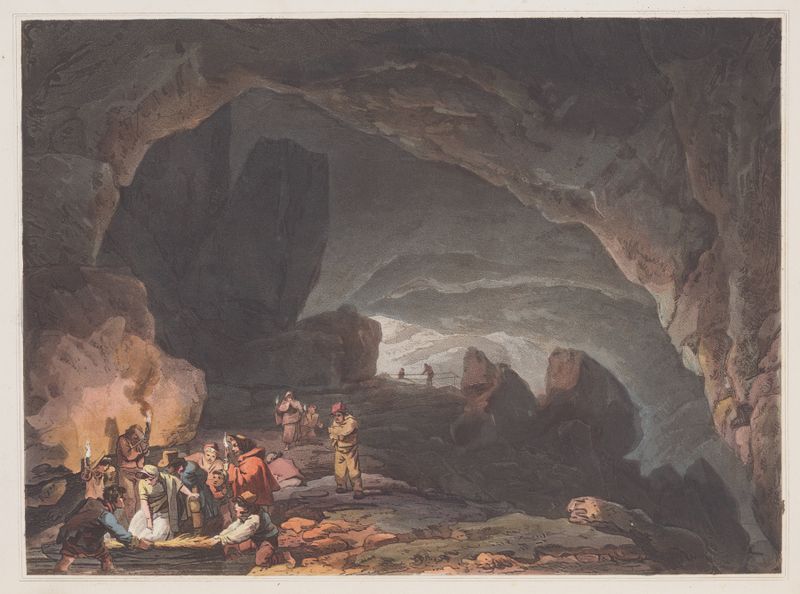
Peak’s Hole, Derbyshire
Philip James de Loutherbourg
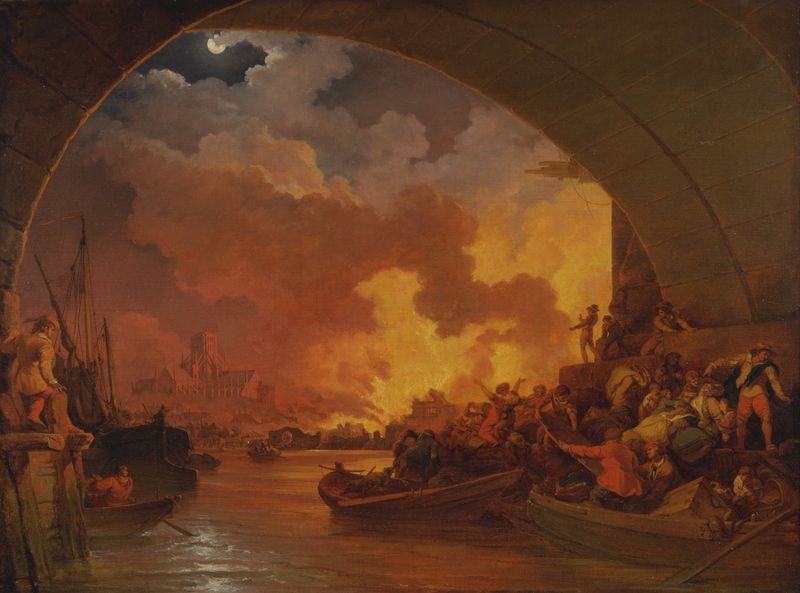
The Great Fire of London
Philip James de Loutherbourg





