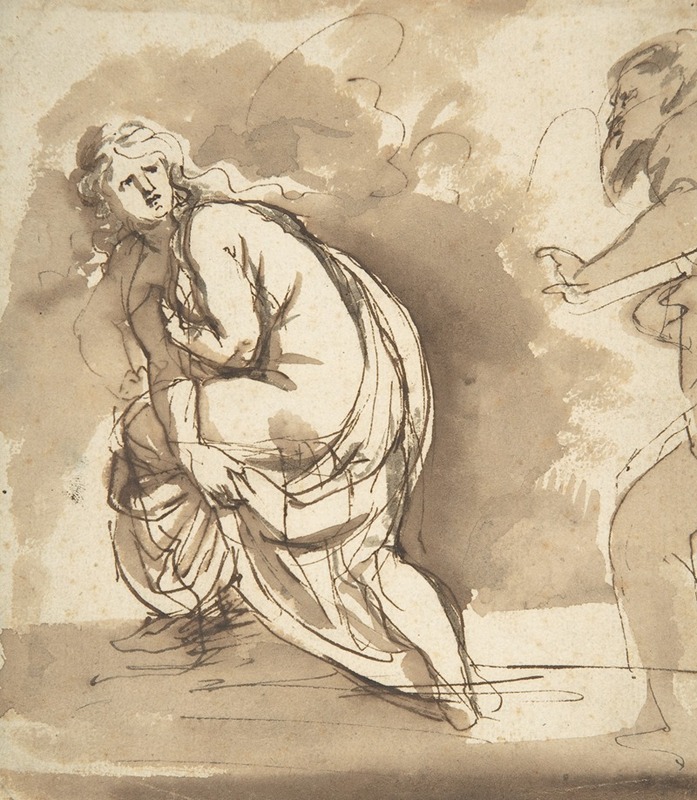
Discover insights about this artwork
Sphinx with Two Bodies — History & Facts
In Sphinx with Two Bodies, Wenceslaus Hollar presents a striking image of a sphinx with two distinct bodies. The colors are muted, predominantly featuring shades of brown and gray, which evoke a sense of antiquity. The figure is set against a simple background that emphasizes its unusual form.
The sphinx's facial features are detailed, while the bodies appear intertwined, creating a sense of mystery. This artwork is an etching, a technique that allows for fine details and textures. Viewers can observe the intricate lines that define the sphinx's features and the surrounding elements. The etching technique also contributes to the overall depth of the image, giving it a layered appearance.
Hollar's skill in this medium is evident in the precision of the lines and the careful shading. Wenceslaus Hollar was a renowned Czech artist known for his detailed etchings and engravings. This work, created in the 1650s, reflects the Baroque fascination with mythological themes and intricate detail. An interesting fact about this etching is that it showcases Hollar's ability to blend classical mythology with his unique artistic style.
The sphinx itself is a symbol of mystery and enigma, fitting well within the Baroque tradition.
More Artworks by Wenceslaus Hollar
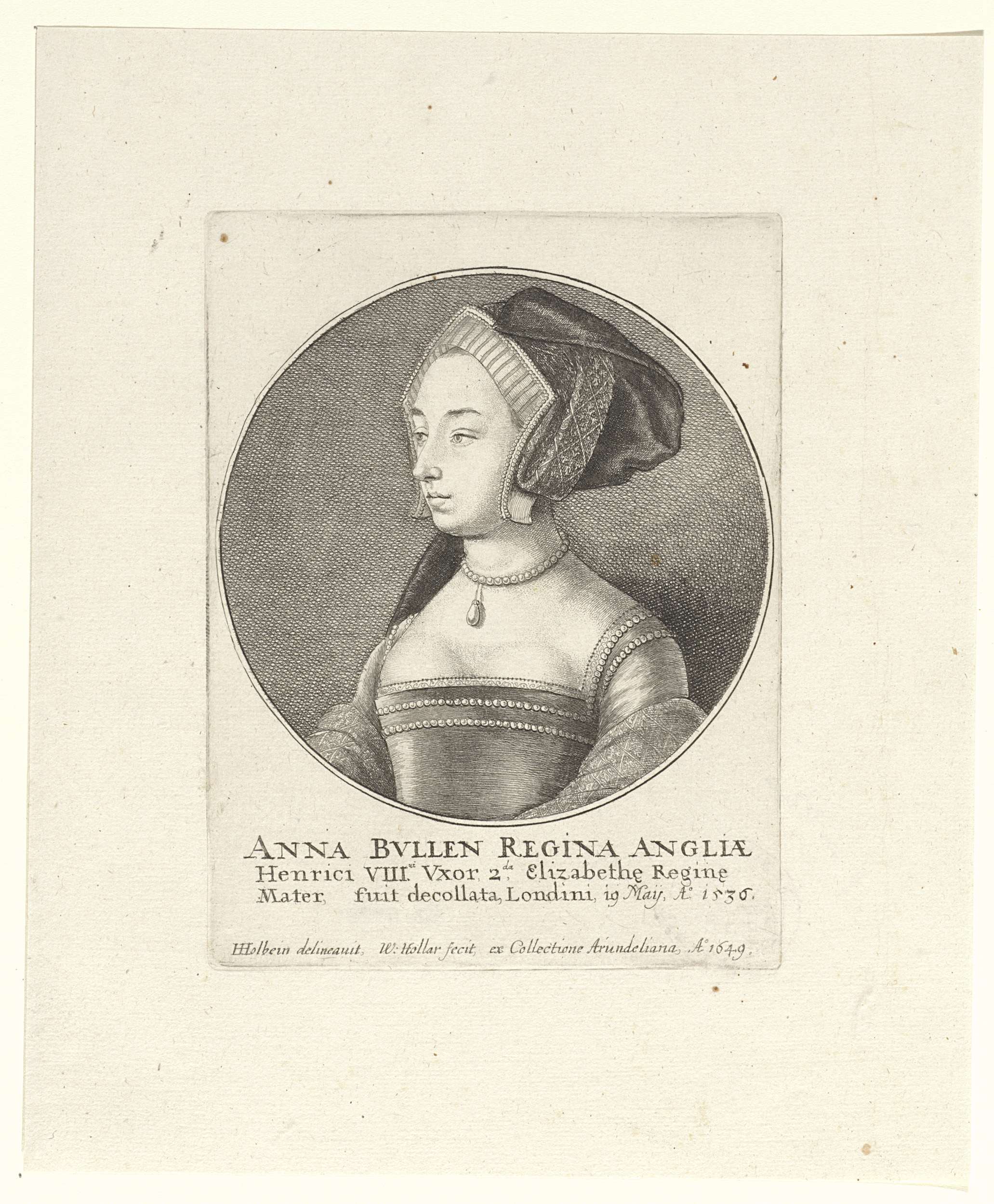
Portret van Anna Boleyn, koningin van Engeland
Wenceslaus Hollar
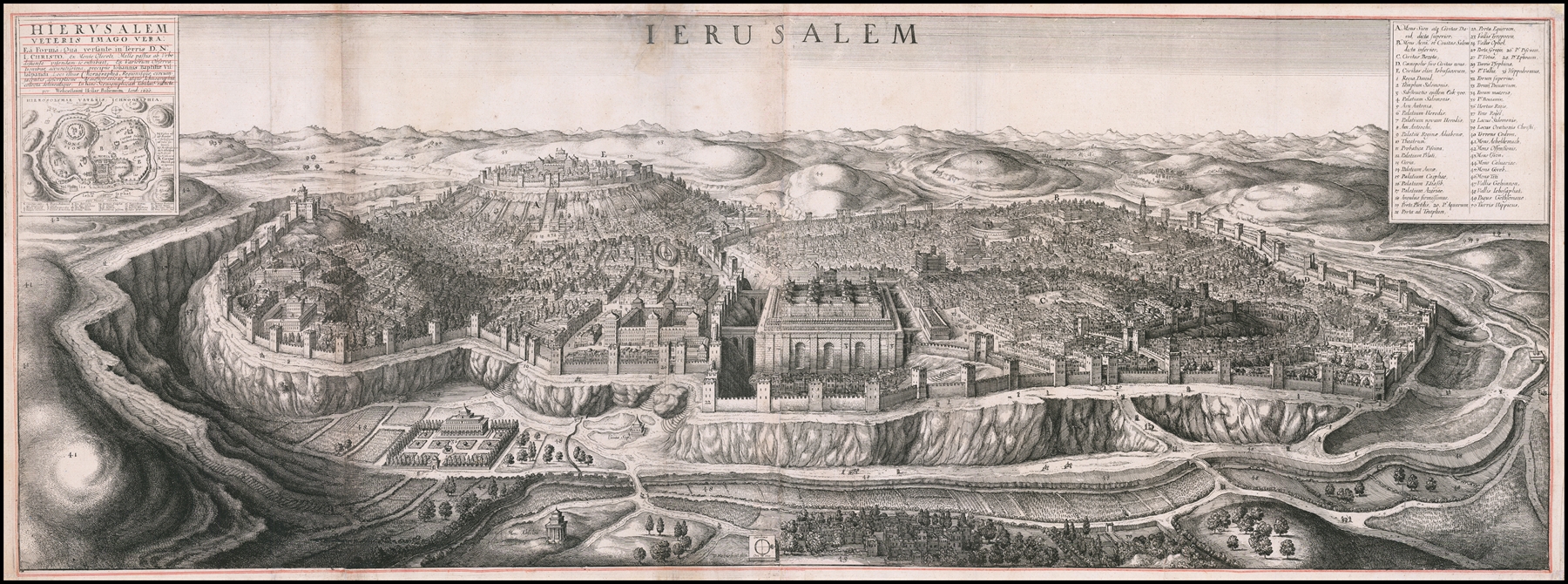
Bird’s eye view of Jerusalem
Wenceslaus Hollar
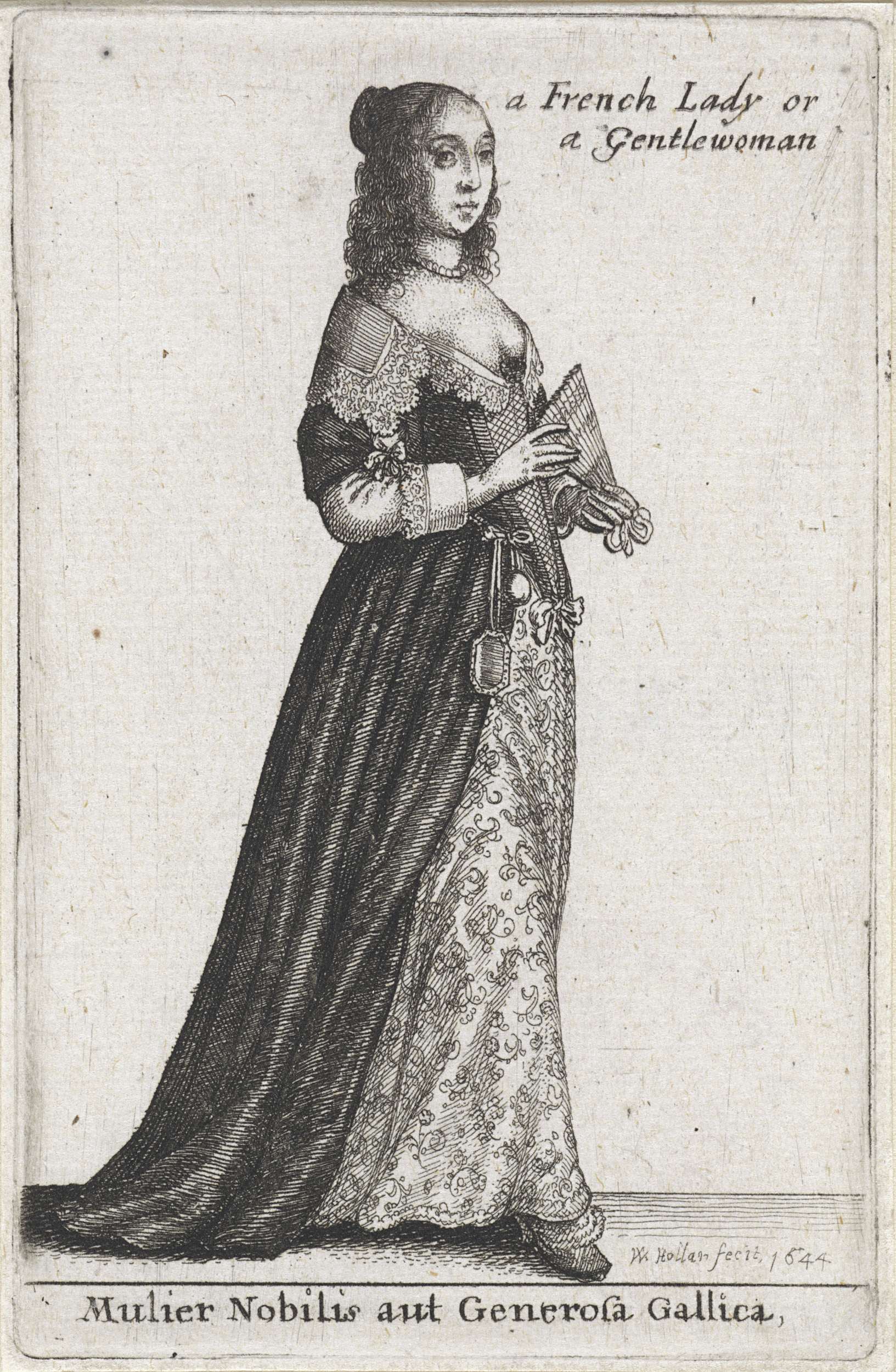
Mulier Nobilis aut Generosa Gallica / a French Lady or Gentlewoman
Wenceslaus Hollar
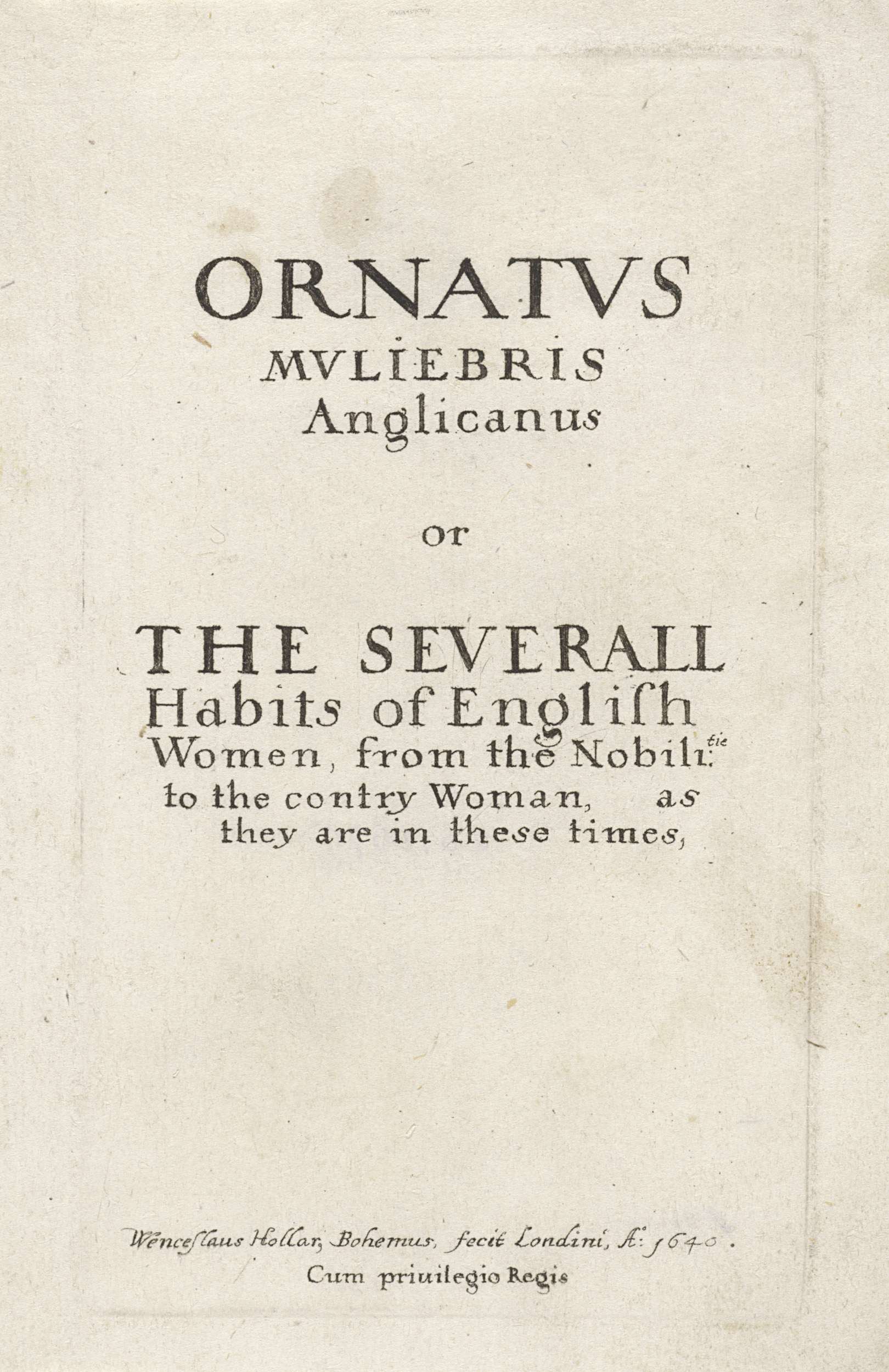
Titelprent voor: Ornatus Muliebris Anglicanus
Wenceslaus Hollar
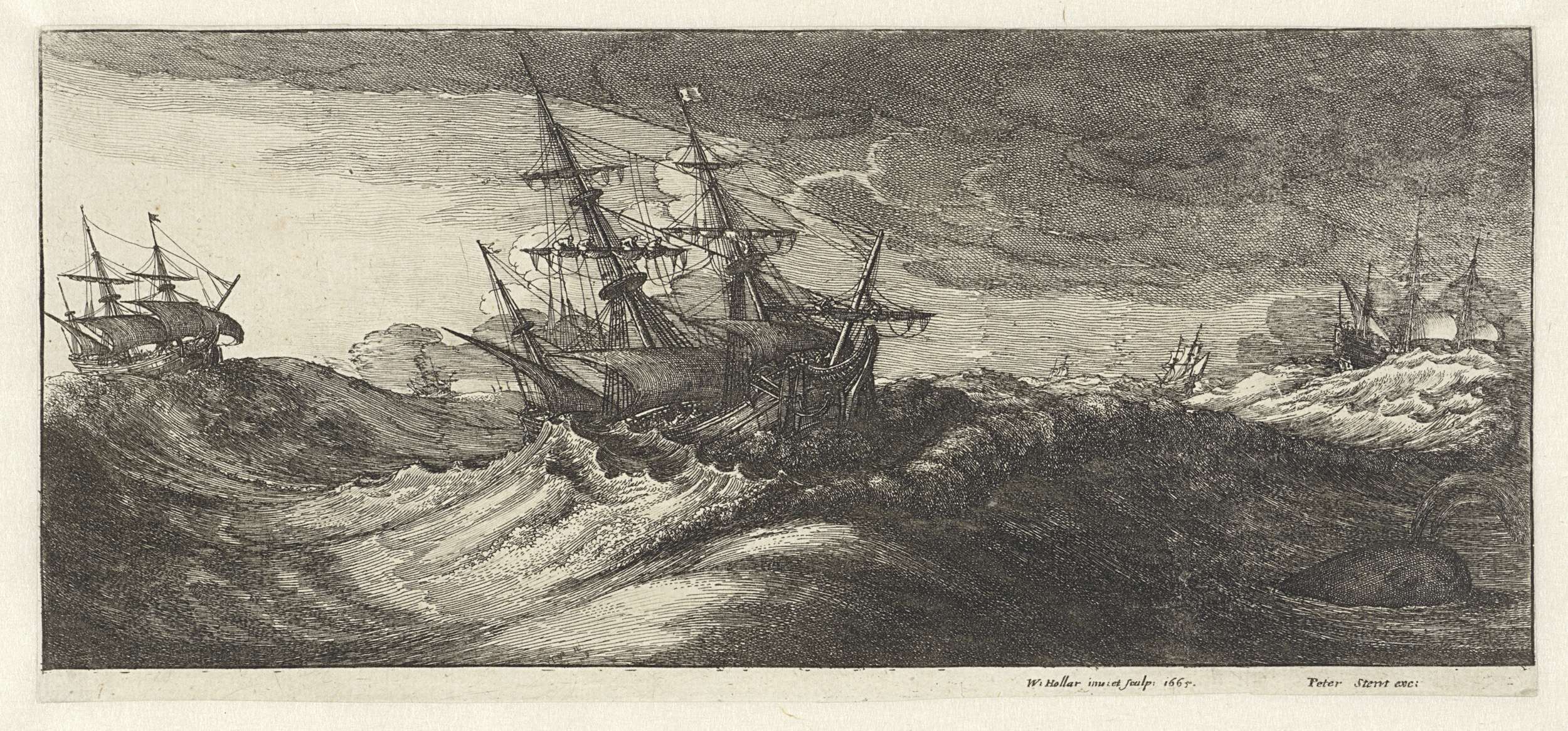
Oorlogsschepen en een walvis in een zeestorm
Wenceslaus Hollar
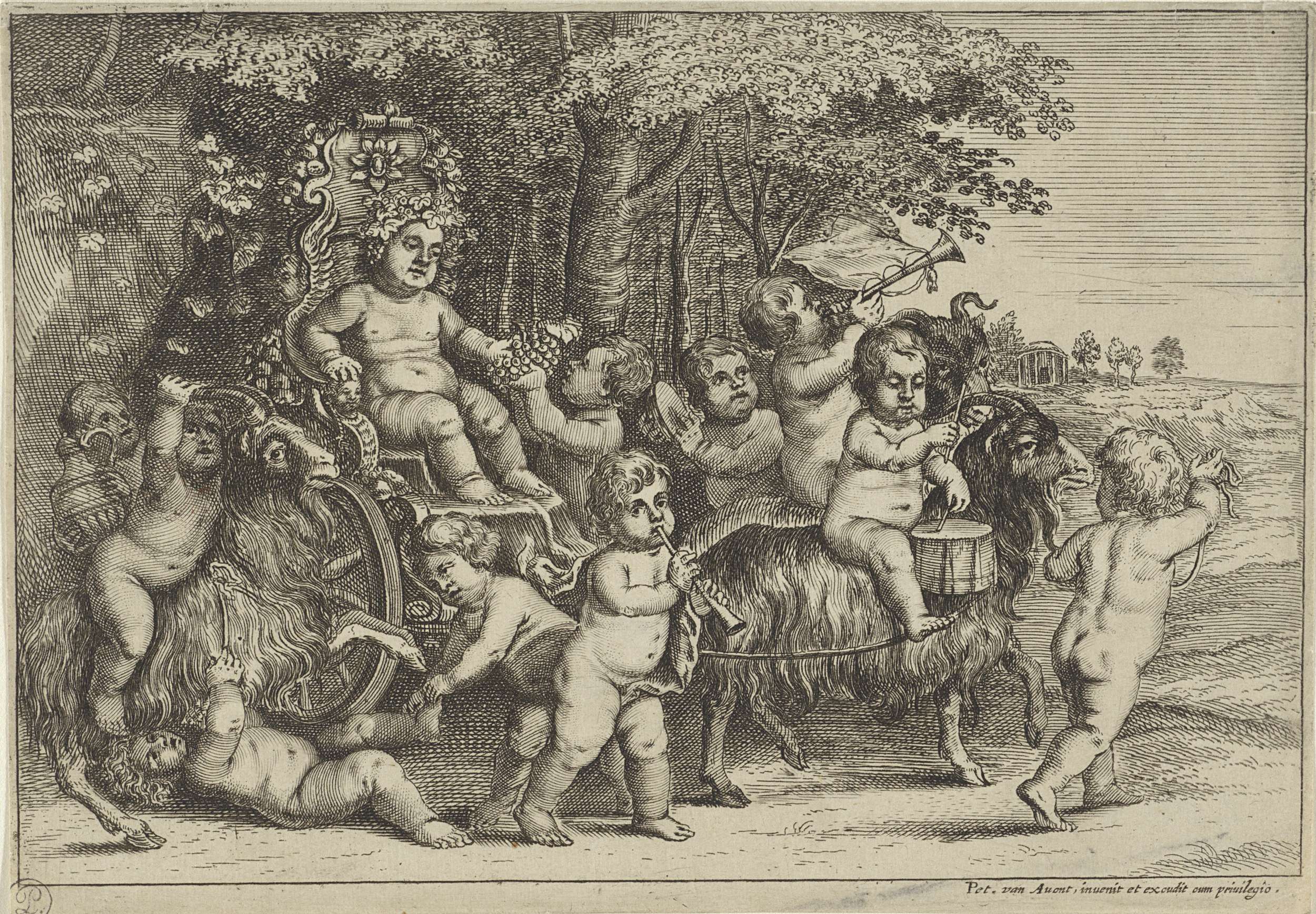
Optocht van bacchant en jongetjes op geiten
Wenceslaus Hollar
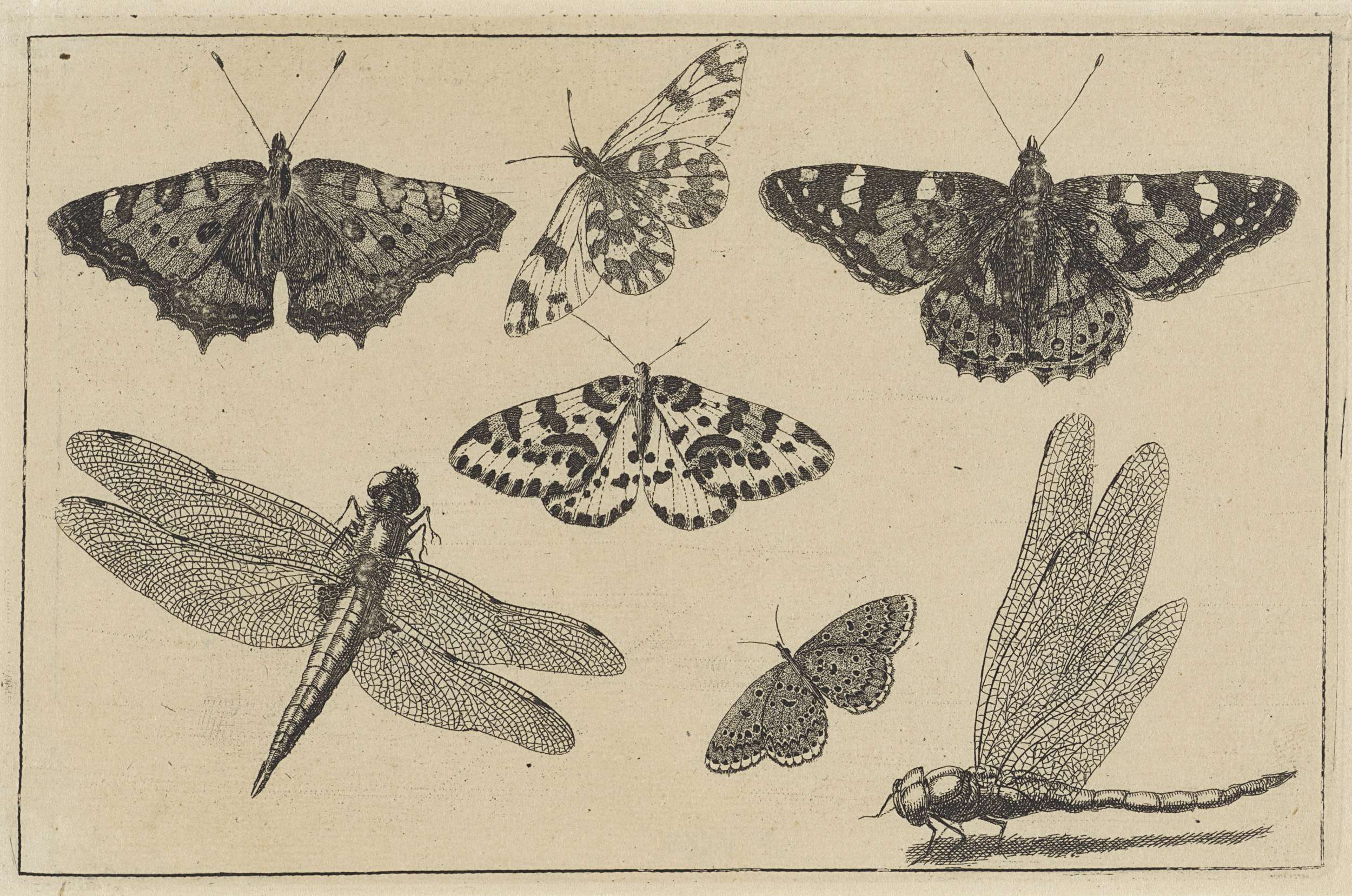
Twee libellen en vijf vlinders
Wenceslaus Hollar
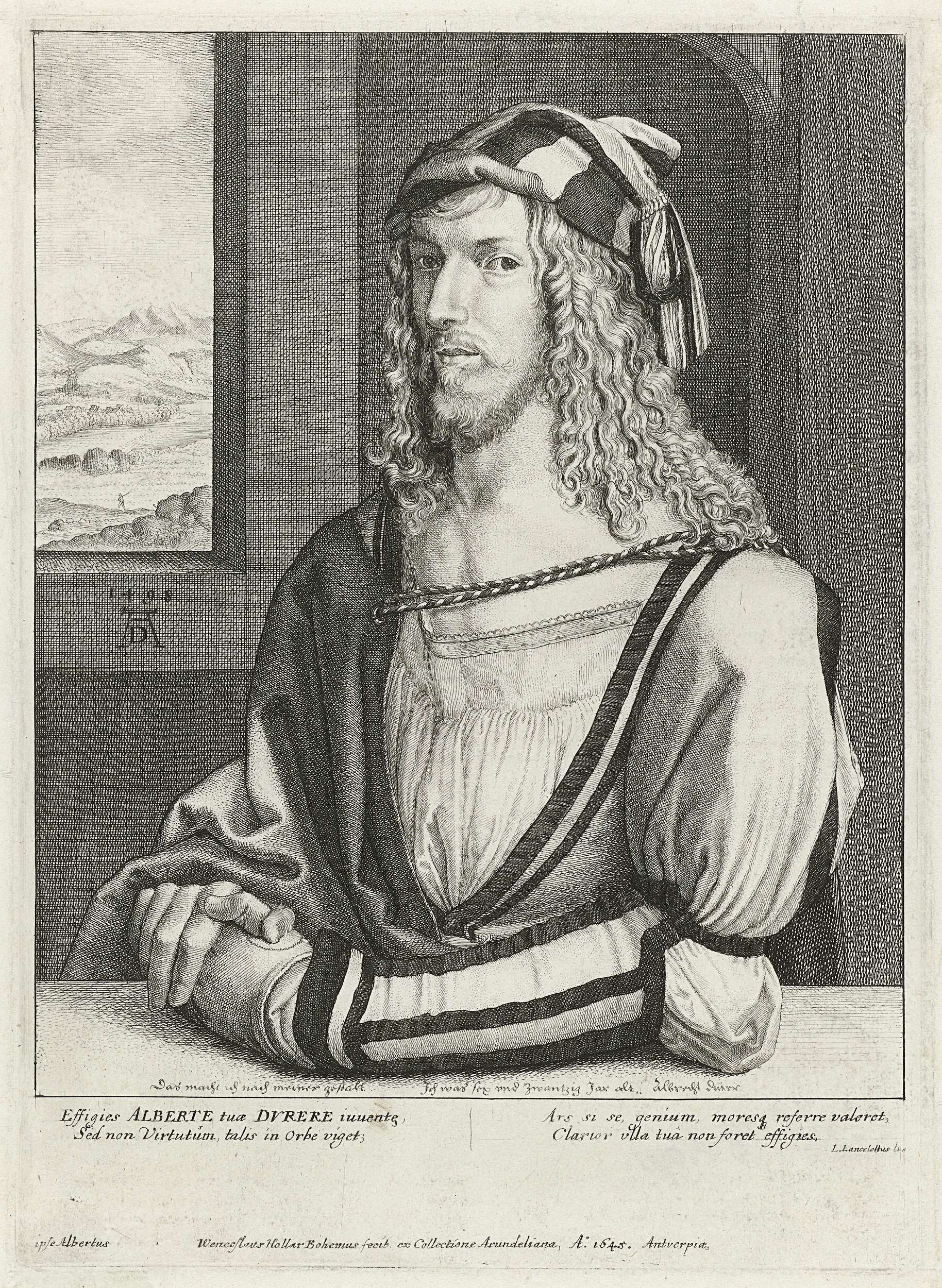
Portret van Albrecht Dürer
Wenceslaus Hollar
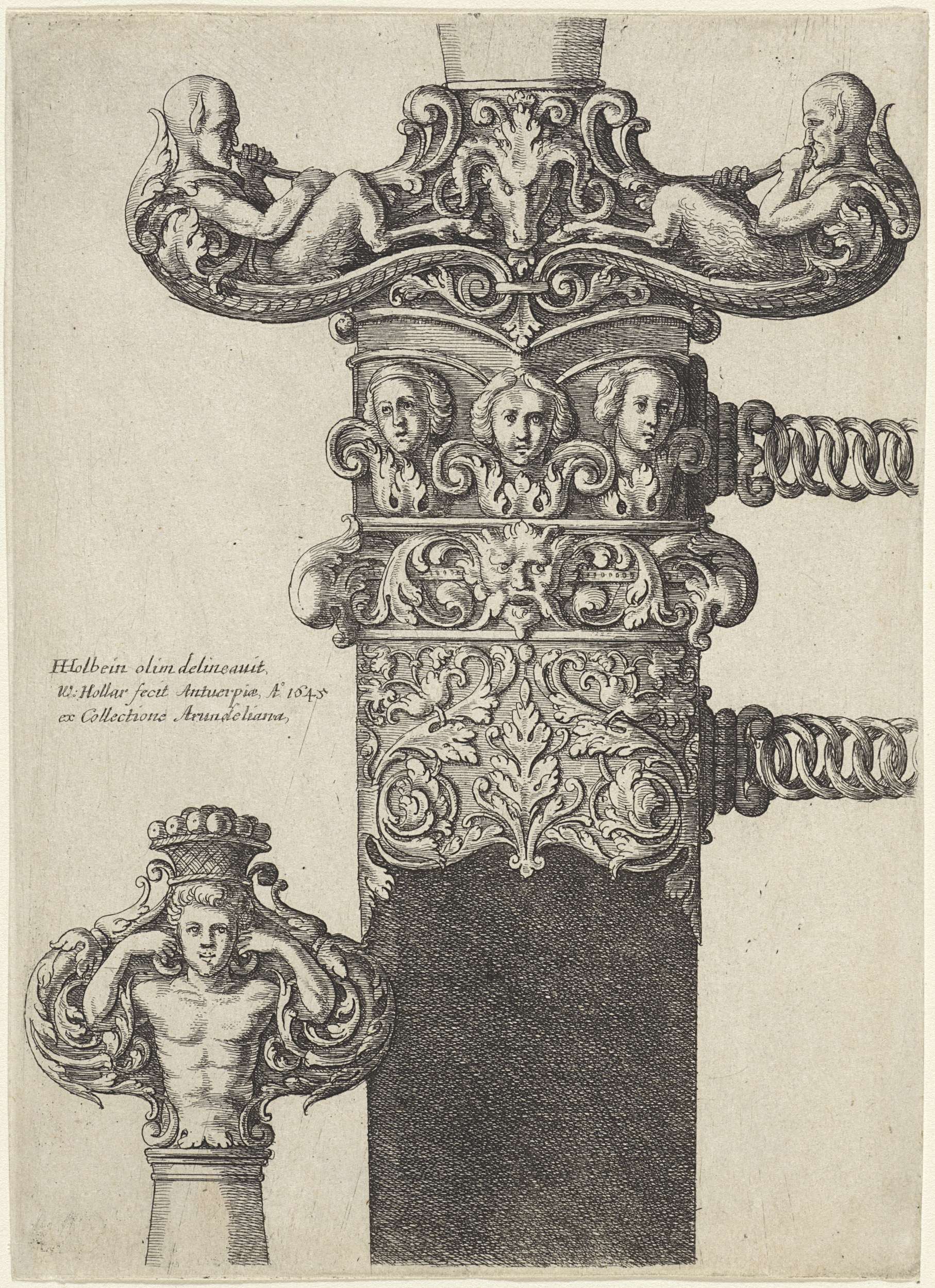
Ornamenteel ontwerp voor een dolk
Wenceslaus Hollar
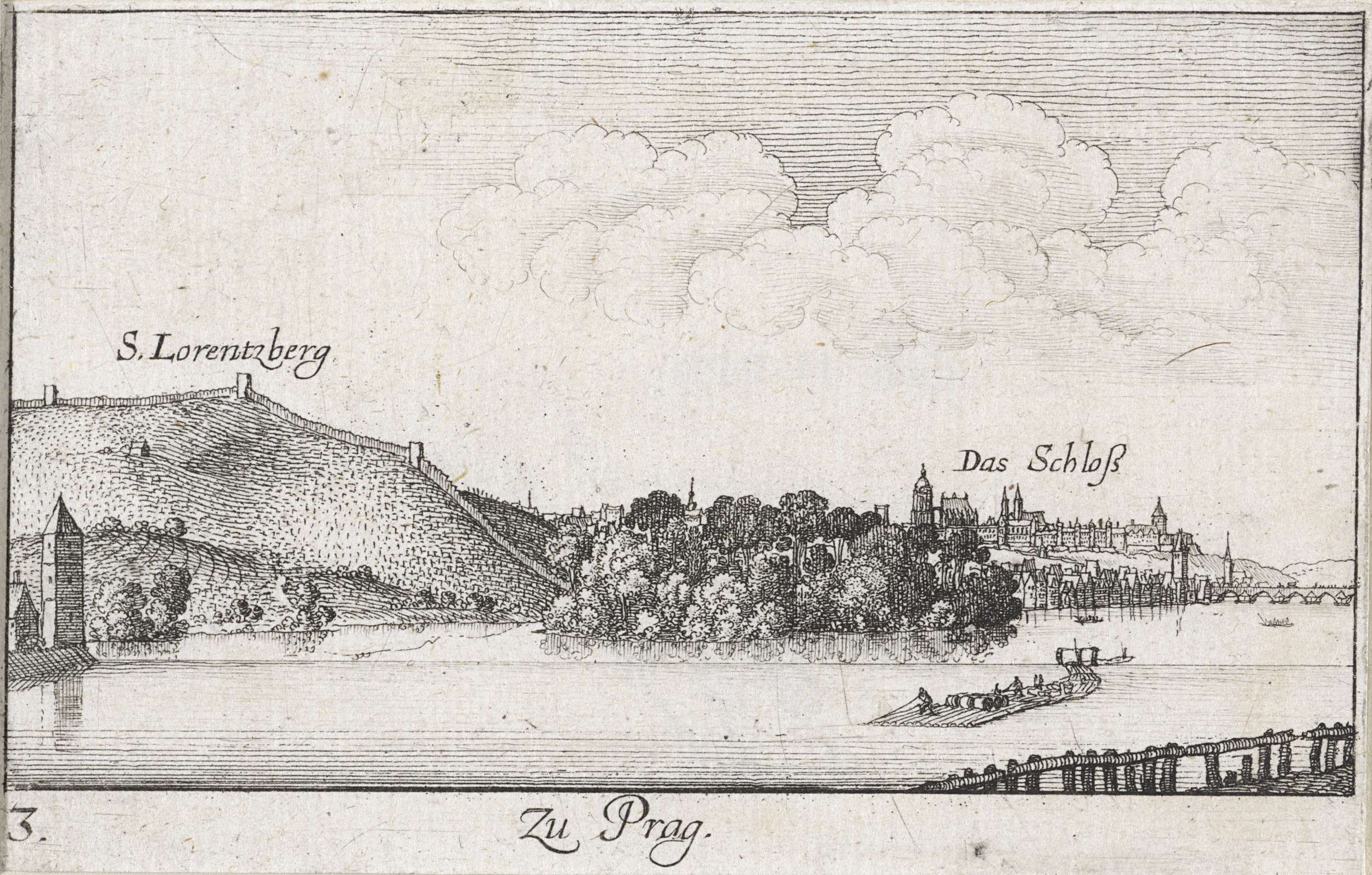
Gezicht op Praag vanaf de Moldau
Wenceslaus Hollar