Spring — History & Facts
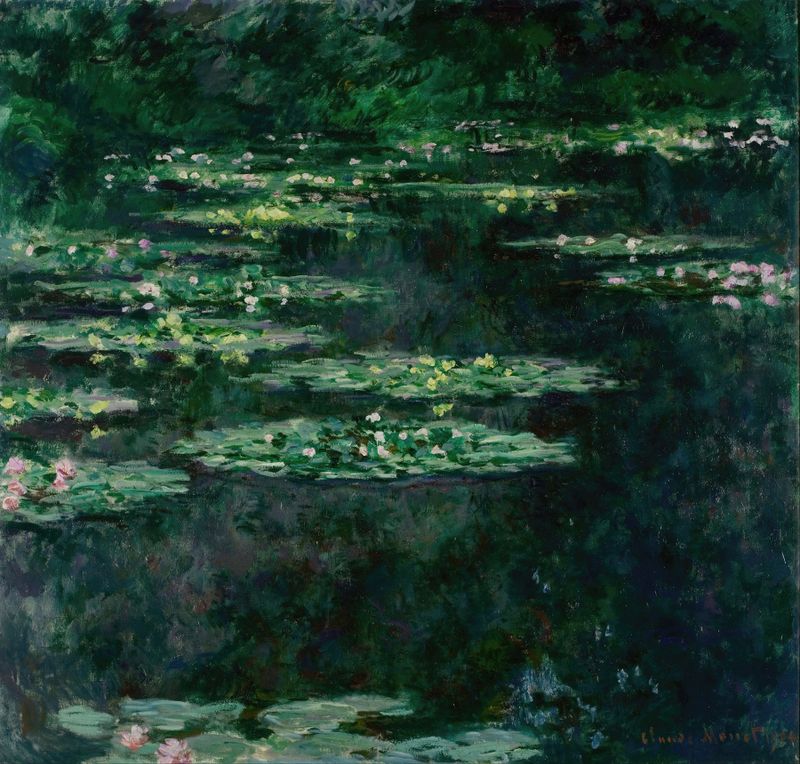
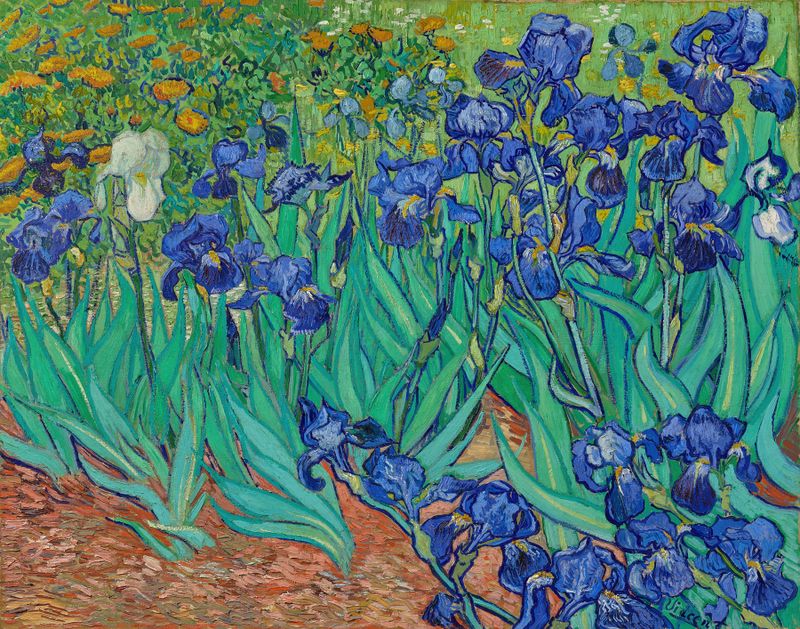
Can beauty exist without sorrow? In Spring, the interplay of light and shadow suggests a captivating tension, whispering secrets of nature’s cycle while hinting at a deeper obsession within the creative heart. Look to the left at the delicate blossoms, their soft pink and white petals poised against a backdrop of verdant greens. The brushwork is both fluid and precise, inviting you to trace the contours of each flower and the gentle sway of the surrounding grass. Notice how the light dances across the canvas, illuminating the vibrant hues while casting subtle shadows that ground the scene in reality.
This careful balance of color and technique breathes life into the moment, encapsulating the ephemeral beauty of spring. Yet, beneath the surface lies a complex emotional landscape. The juxtaposition of blooming flowers against a muted background evokes a sense of longing, as if the artist is grappling with the fleeting nature of beauty itself. The vibrant blossoms may symbolize hope and renewal, but their transience also speaks to a deeper awareness of decay and loss, reflecting the artist's obsession with nature's duality.
Each stroke conveys a moment suspended in time, echoing the inevitable cycle of life and death. Auguste Louis Lepère created Spring around 1909, during a period of artistic exploration that saw him delving into themes of nature and the human experience. Living in France, he was influenced by the burgeoning movements of Impressionism and Post-Impressionism, which emphasized personal expression and the importance of capturing the moment. In this piece, he masterfully blends these influences, creating a work that is both a celebration of life and a poignant reminder of its impermanence.
More Artworks by Auguste Louis Lepère
Browse all →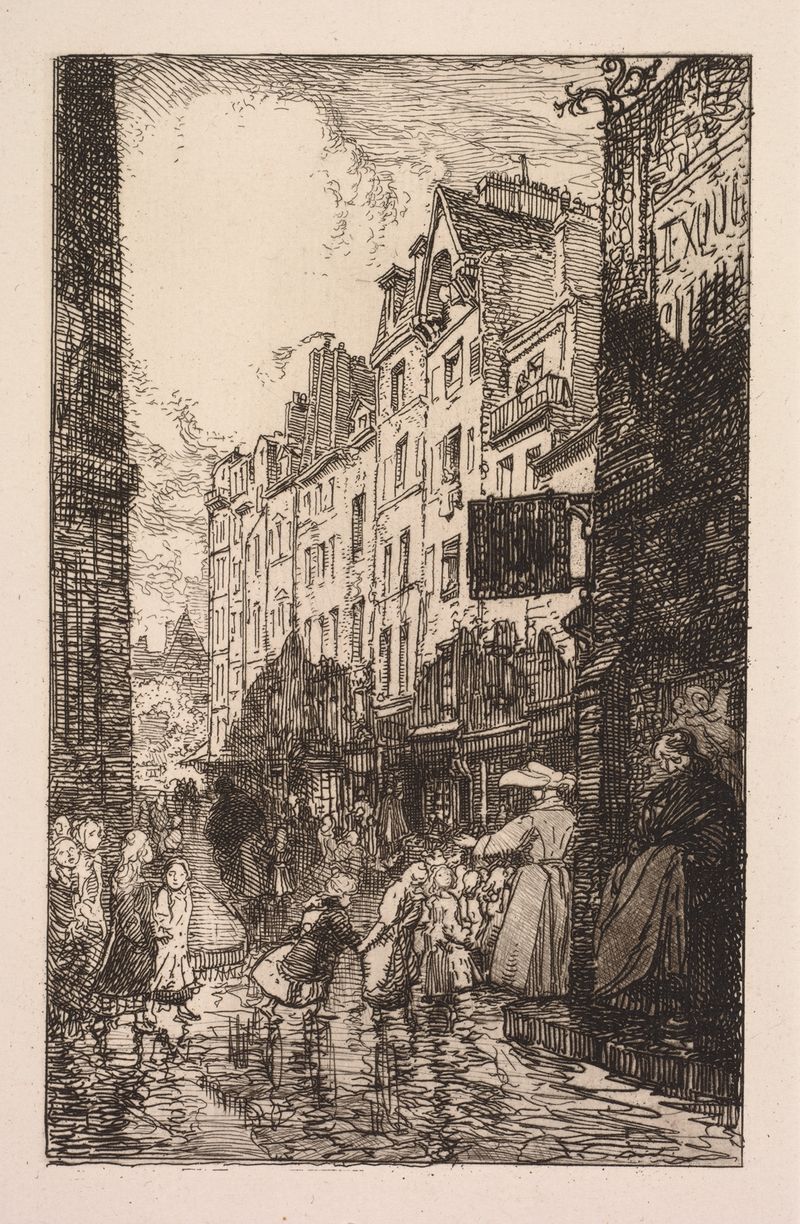
La Rue des Prêtres Saint-Séverin
Auguste Louis Lepère
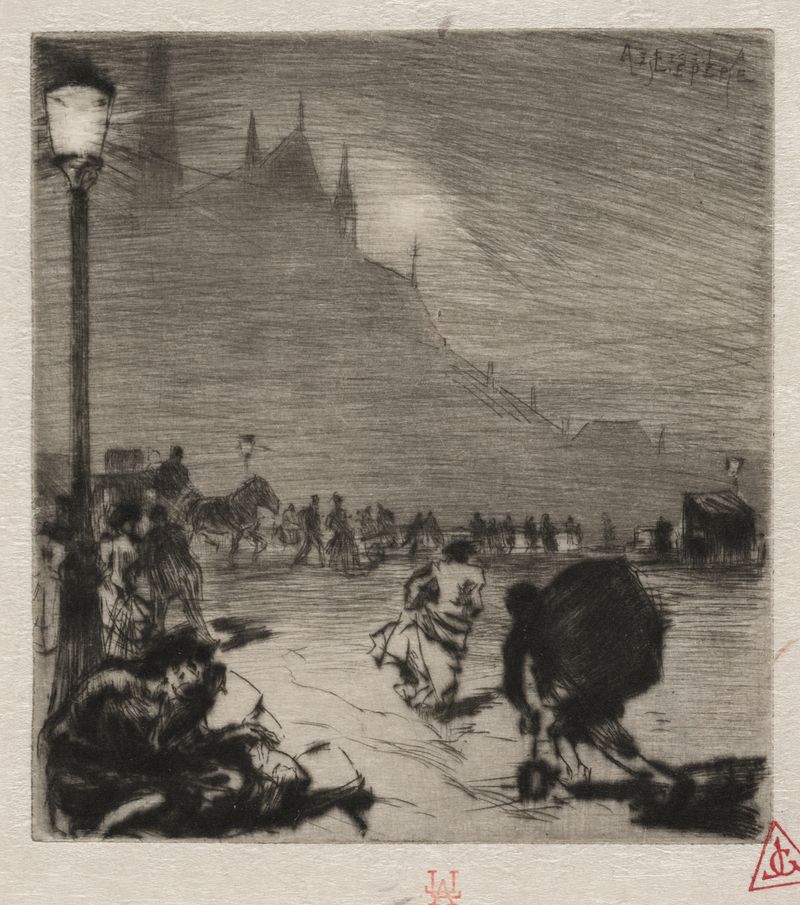
Au Coin du Pont-aux-Doubles
Auguste Louis Lepère
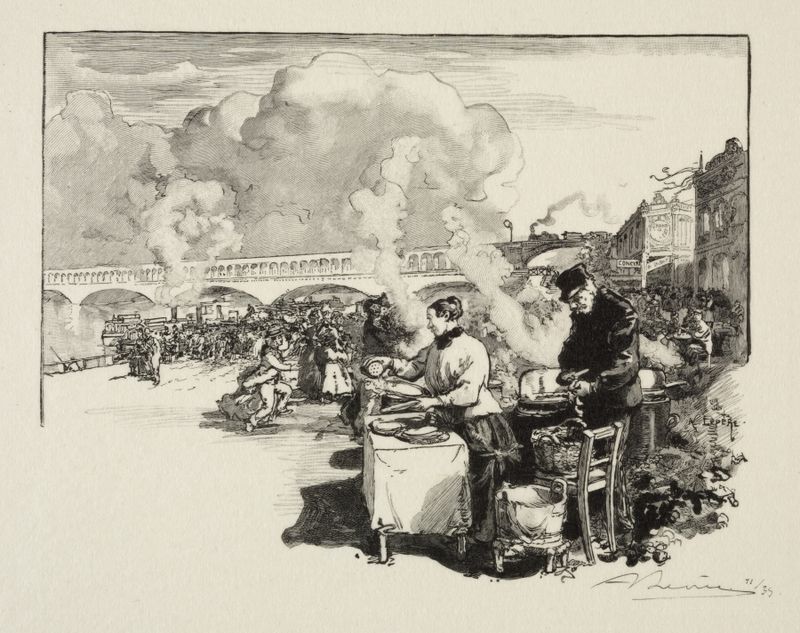
Debarcadère des bateaux-omnibus
Auguste Louis Lepère

La Seine, au quai de la Rapée
Auguste Louis Lepère
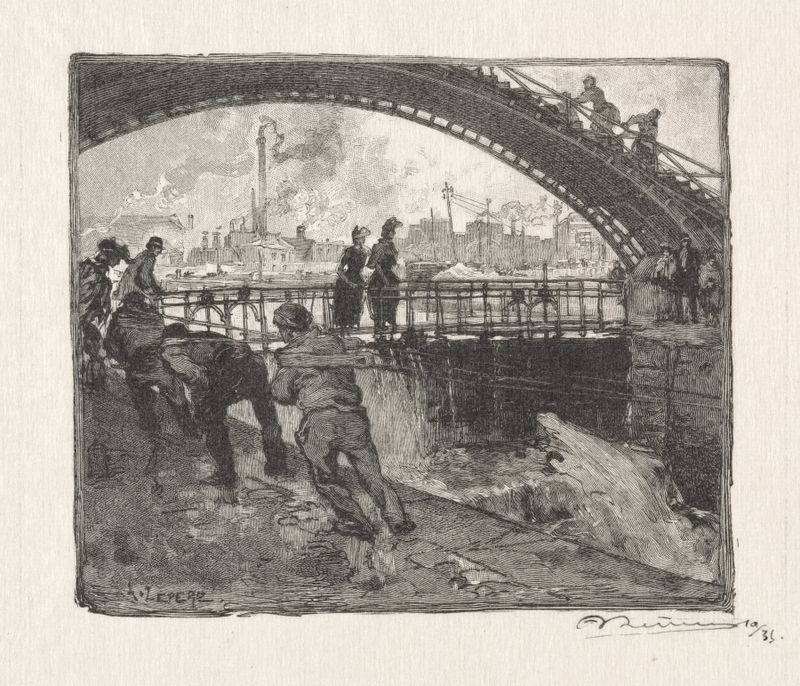
L’Ecluse du Canal St. Martin
Auguste Louis Lepère

Le Boulevard Montmartre, le Soir
Auguste Louis Lepère

Une Chasse au Mont Gérard
Auguste Louis Lepère
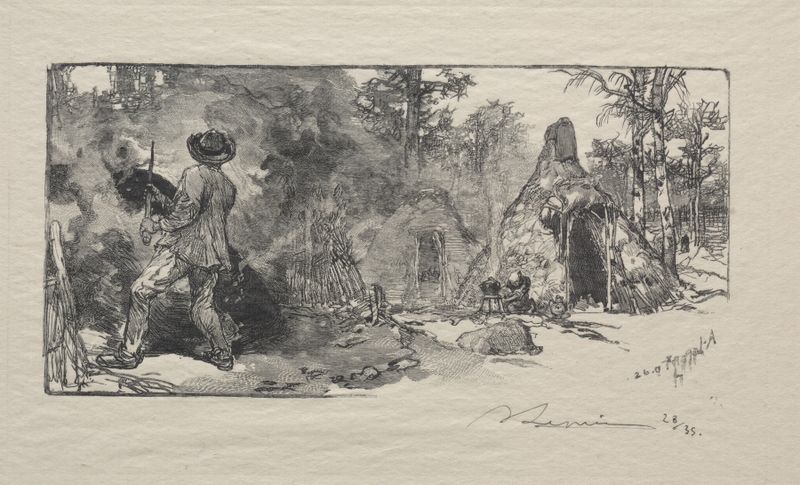
Les Charbonniere
Auguste Louis Lepère
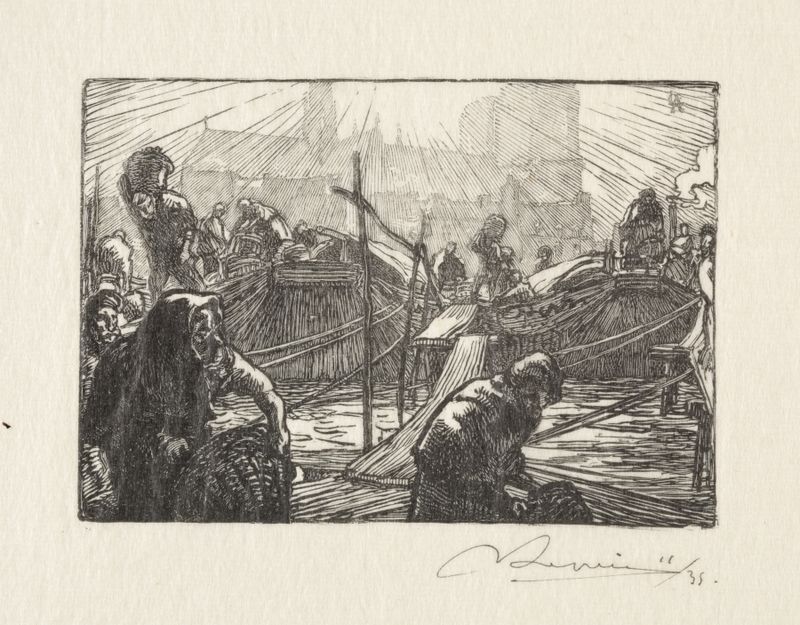
Notre Dame vue du Marché aux pommes
Auguste Louis Lepère

Le Palais des Arts Liberaux, Intèrieur
Auguste Louis Lepère