
Spring — History & Facts
In Spring, Edvard Munch presents a vibrant scene filled with lush greens and blooming flowers. The colors are bright and lively, suggesting the renewal of life. The composition features organic forms that intertwine, creating a sense of movement and growth.
This painting embodies the essence of the season, celebrating nature's awakening. The painting is executed in oil on canvas, showcasing Munch's characteristic brushwork and use of color. The dimensions are approximately 90 x 70 cm, making it a medium-sized work. The vibrant palette includes various shades of green, yellow, and pink, enhancing the feeling of spring.
Viewers can observe the fluidity of the lines and the dynamic arrangement of the elements. Edvard Munch is best known for his exploration of psychological themes and emotional depth. Spring reflects a more optimistic side of his work, focusing on nature's beauty. Interestingly, this piece aligns with the Symbolism movement, which sought to express ideas and emotions through vivid imagery.
Munch's ability to convey the essence of spring is a testament to his skill as an artist.
More Artworks by Edvard Munch

The Scream
Edvard Munch

The Scream (1910 version)
Edvard Munch

Despair
Edvard Munch

The Day After
Edvard Munch
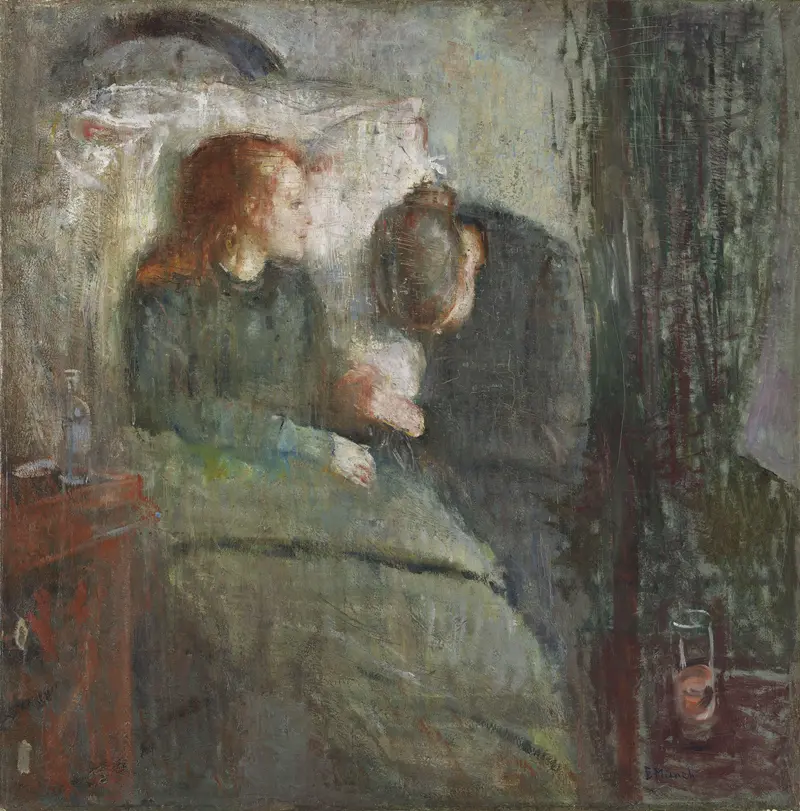
The Sick Child
Edvard Munch
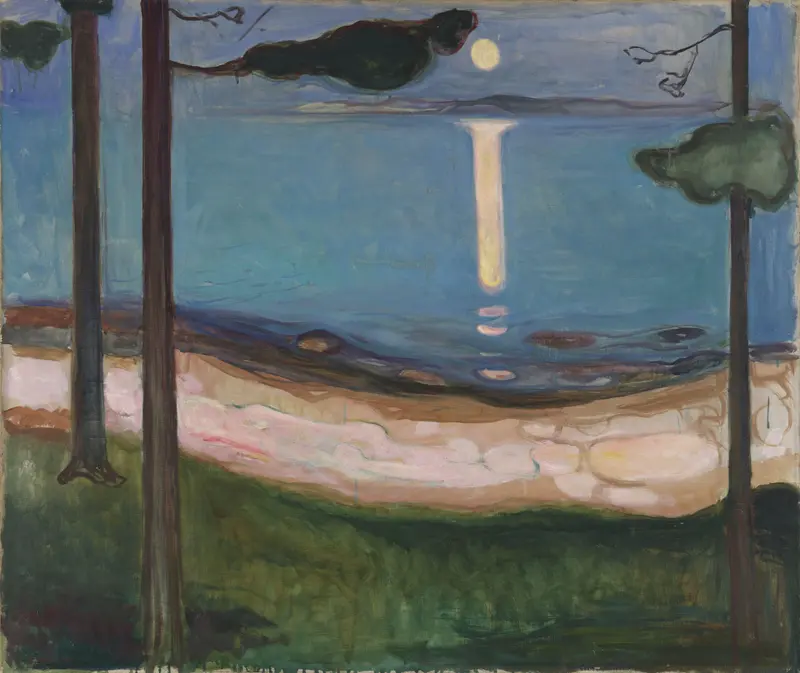
Moonlight
Edvard Munch
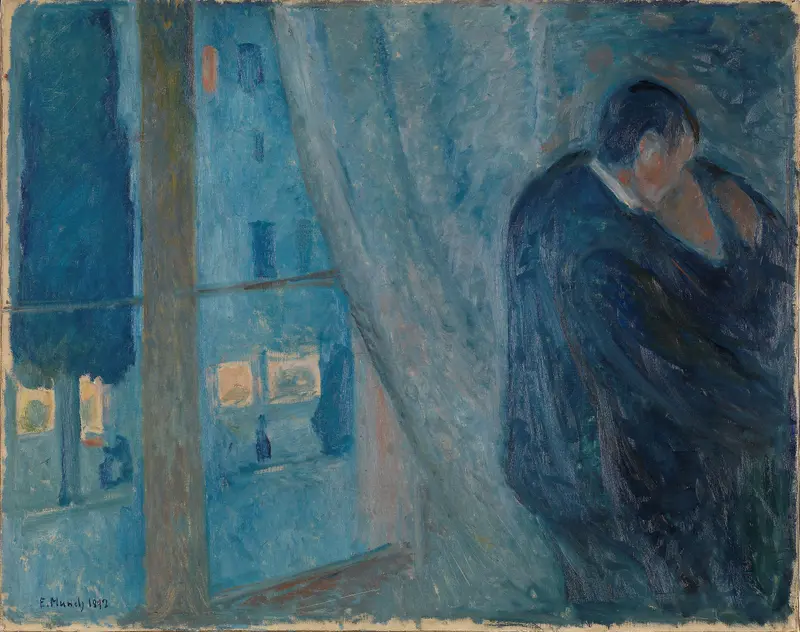
The Kiss
Edvard Munch
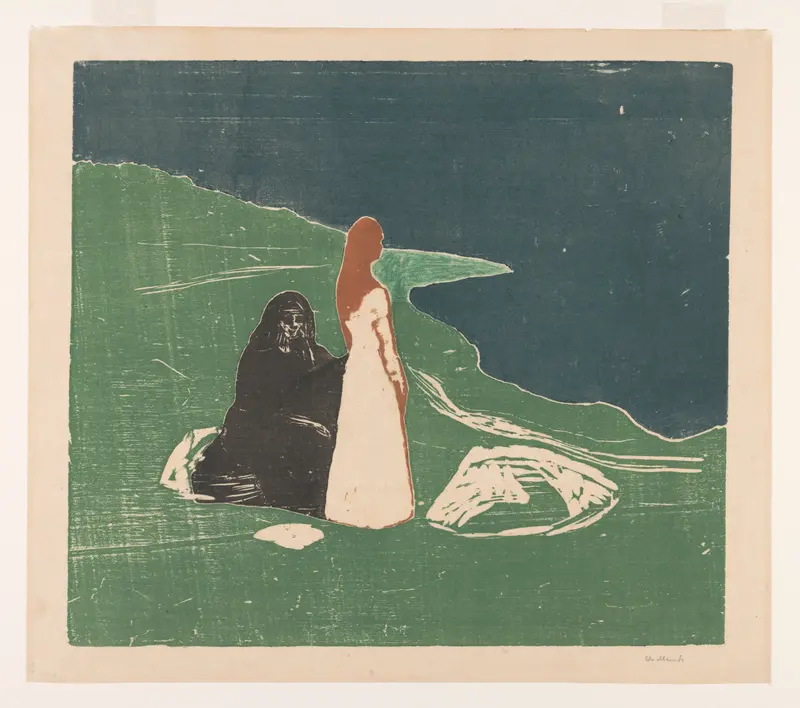
Two Women on the Shore
Edvard Munch
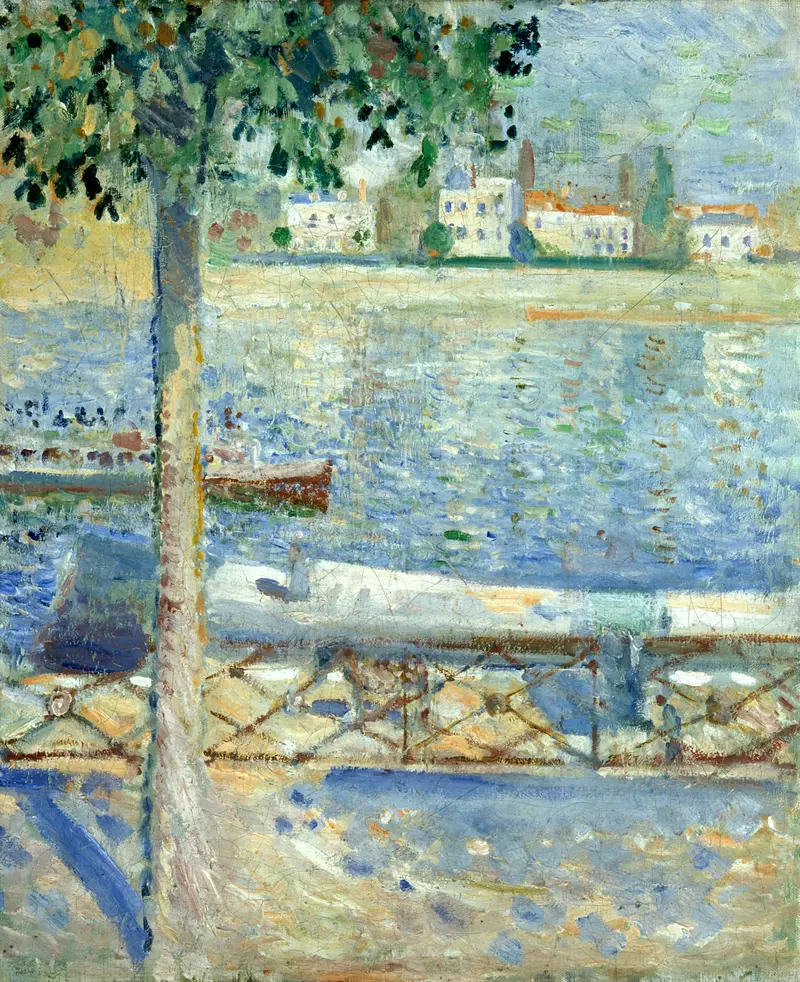
The Seine At Saint-Cloud
Edvard Munch
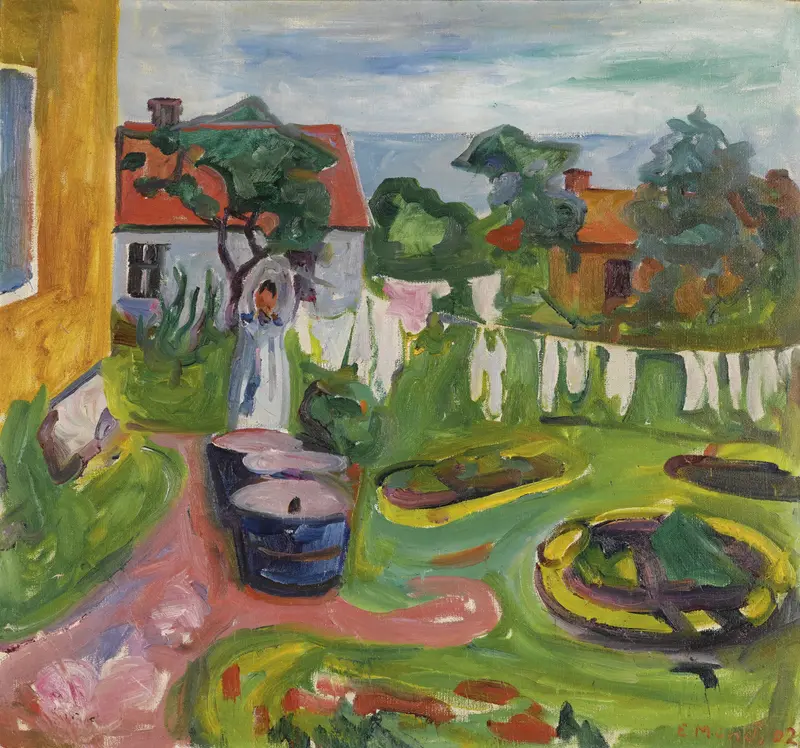
Klestørk I Åsgårdstrand (Clothes On A Line In Åsgårdstrand)
Edvard Munch



