Spring (sketch) — History & Facts
A languid figure stretches in the grass, arm raised to gather blossoms, while another, half-draped, turns away to play a pipe. The air seems thick with the hush of afternoon and the promise of music, the kind that belongs to no particular hour. The painter’s brush lingers on the pale, drowsy skin, the soft moss, and the pink haze of flowers overhead, inviting the eye to wander slowly from figure to foliage to sky.
Light falls gently, washing out sharp lines and leaving only the essentials—gesture, color, and the suggestion of a breeze. This is a world suspended between waking and dreaming, where the figures are less characters in a story than emblems of a mood: the easy pleasures and idle reveries of spring. Painted in 1862, Spring (sketch) by Arnold Böcklin belongs to a moment in European art when myth and nature often mingled, and artists sought to escape the strictures of academic history painting. Böcklin, known for his fascination with myth and landscape, here offers not a narrative but an atmosphere, a fleeting impression of Arcadian ease.
Such works were rarely grand commissions; instead, they were often created for private collectors or as studies for larger compositions, reflecting the shifting tastes of a society eager for both fantasy and the solace of nature. Little is recorded about the journey of this particular sketch, now in a Swiss collection, but its quiet charm asks the viewer to linger, as if spring itself might last a moment longer.
More Artworks by Arnold Böcklin

Die Toteninsel III
Arnold Böcklin
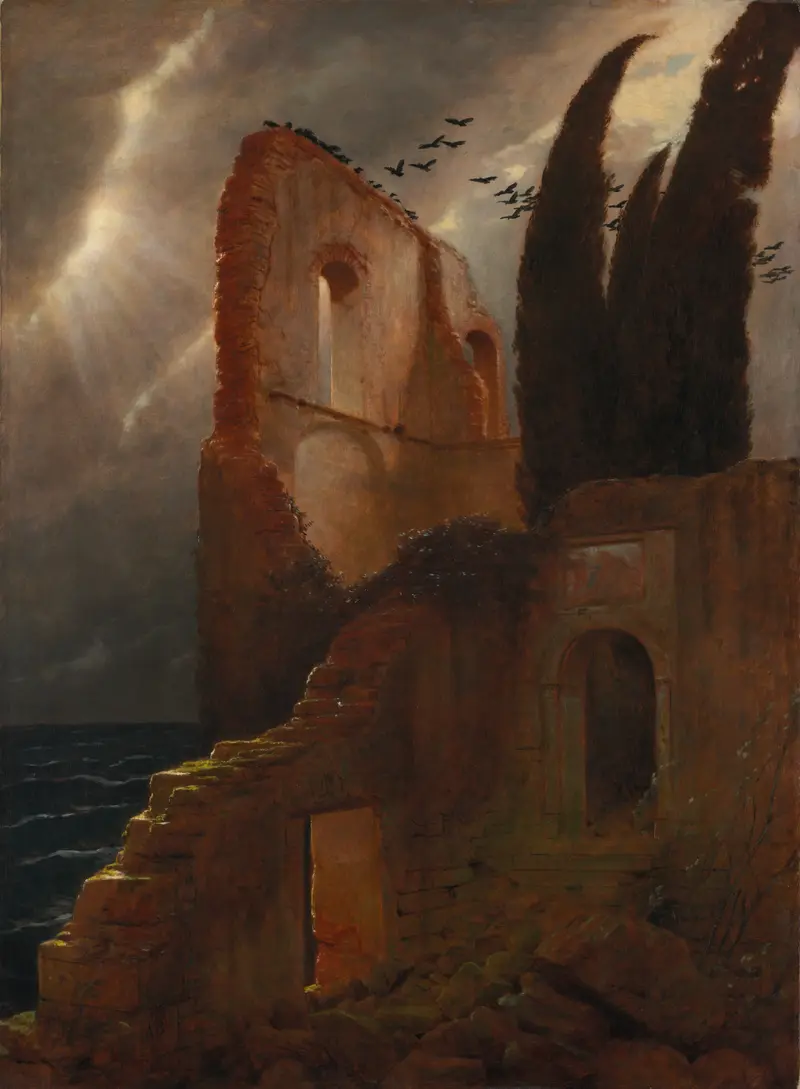
Ruin by the Sea
Arnold Böcklin
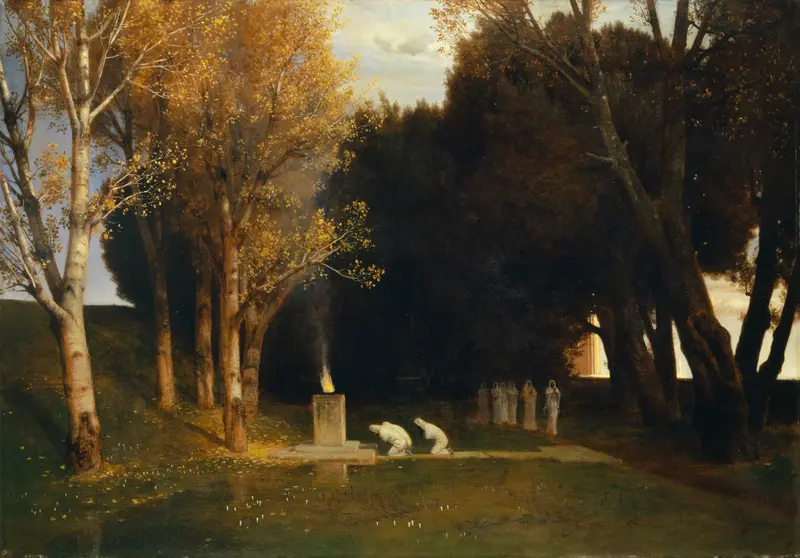
The Sacred Grove
Arnold Böcklin
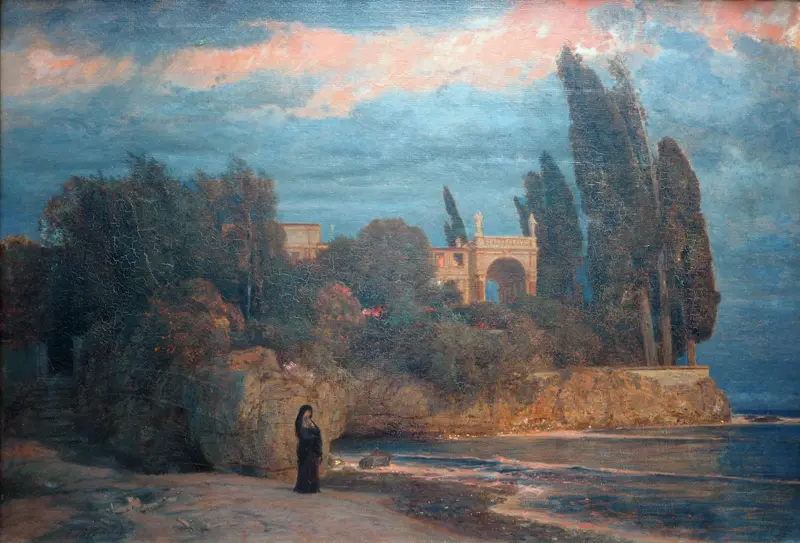
Villa by the Sea
Arnold Böcklin
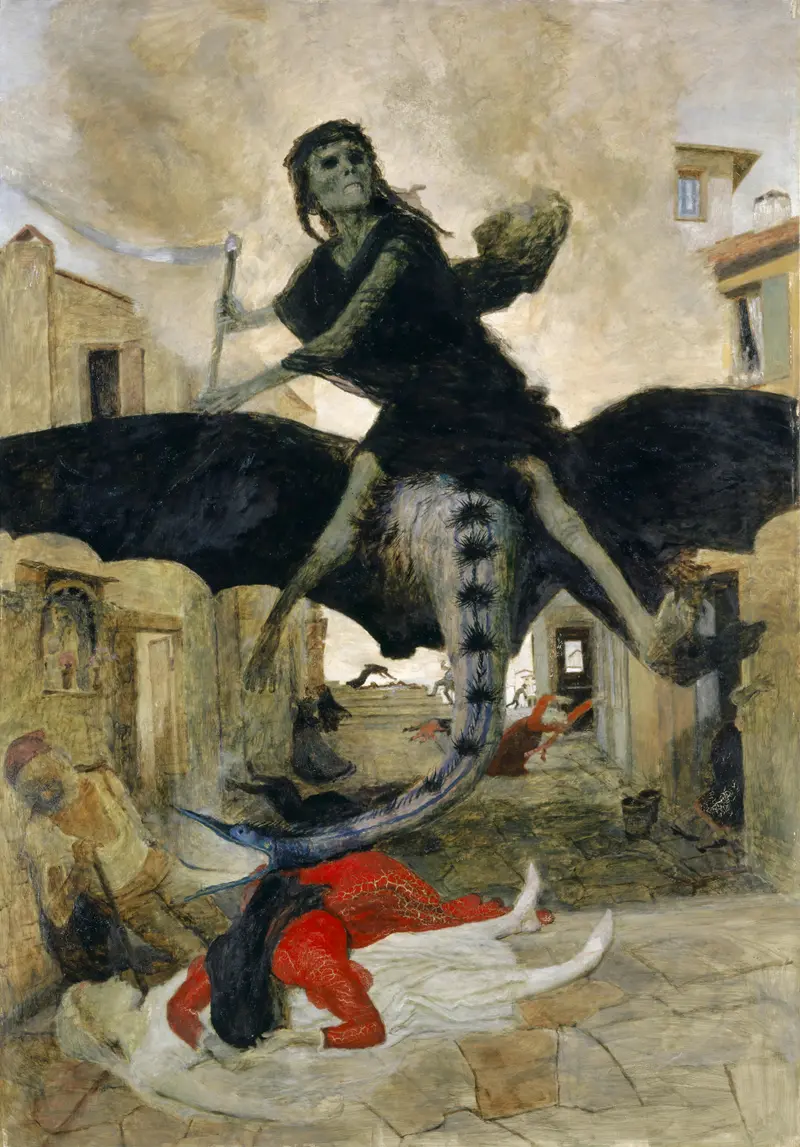
The Plague
Arnold Böcklin
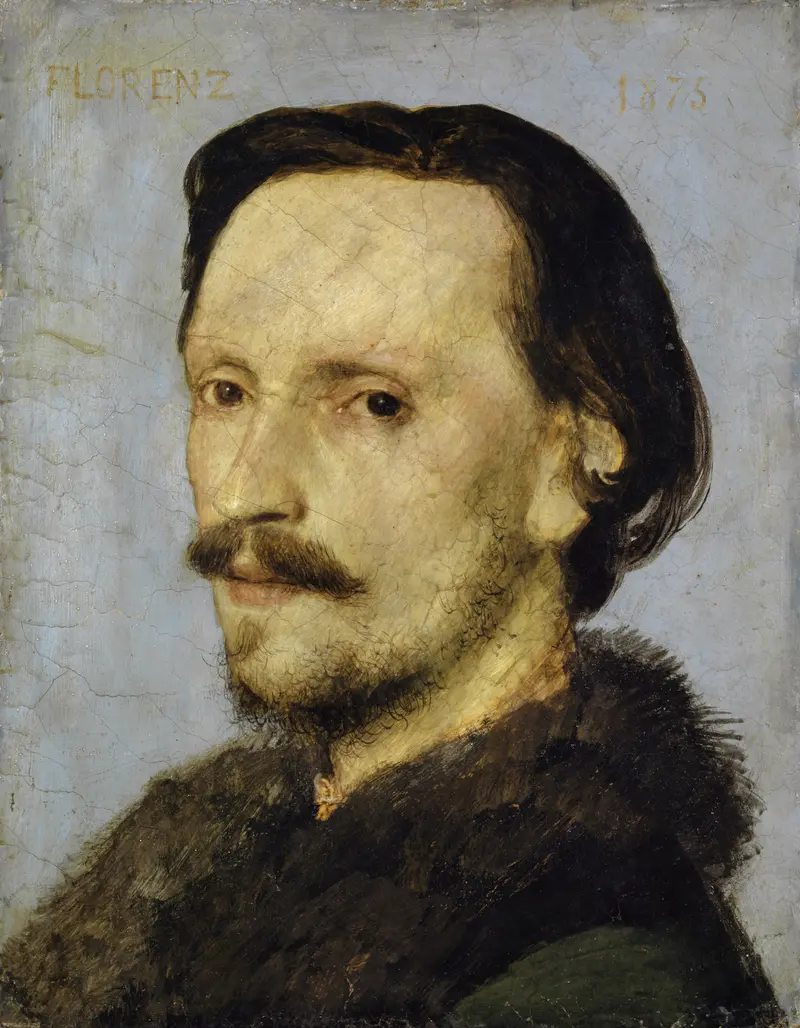
Böcklin Bildnis des Kunsthistorikers Adolph Bayersdorfer, 1875
Arnold Böcklin
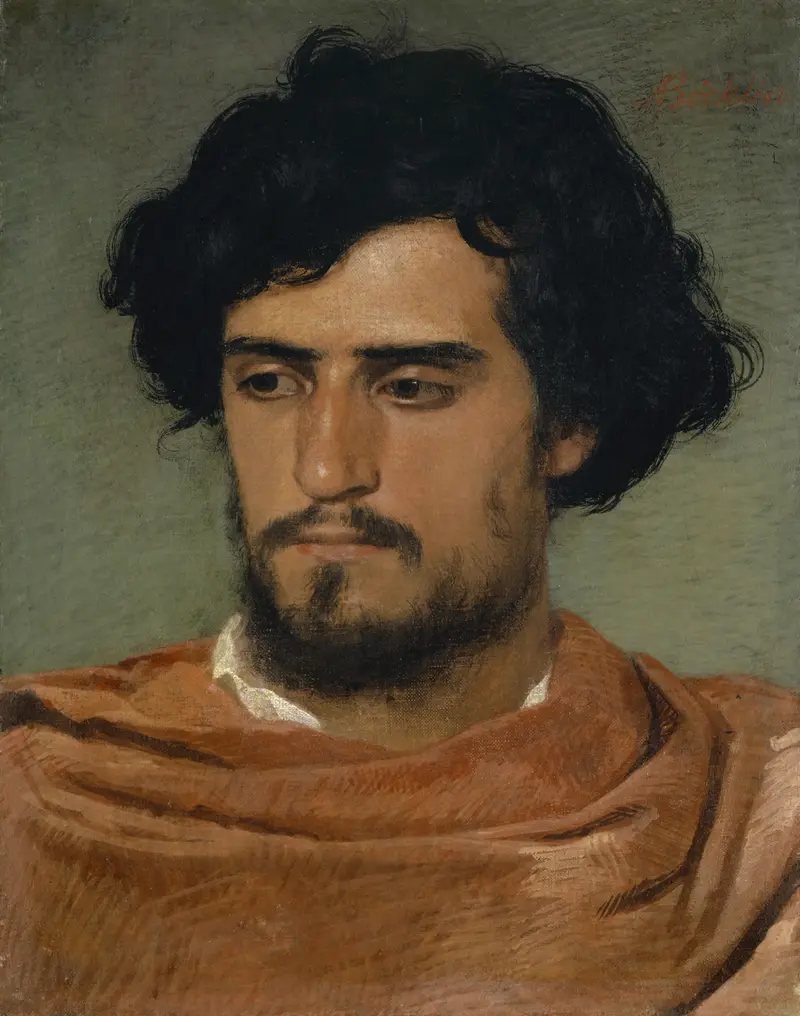
Head of a Roman
Arnold Böcklin
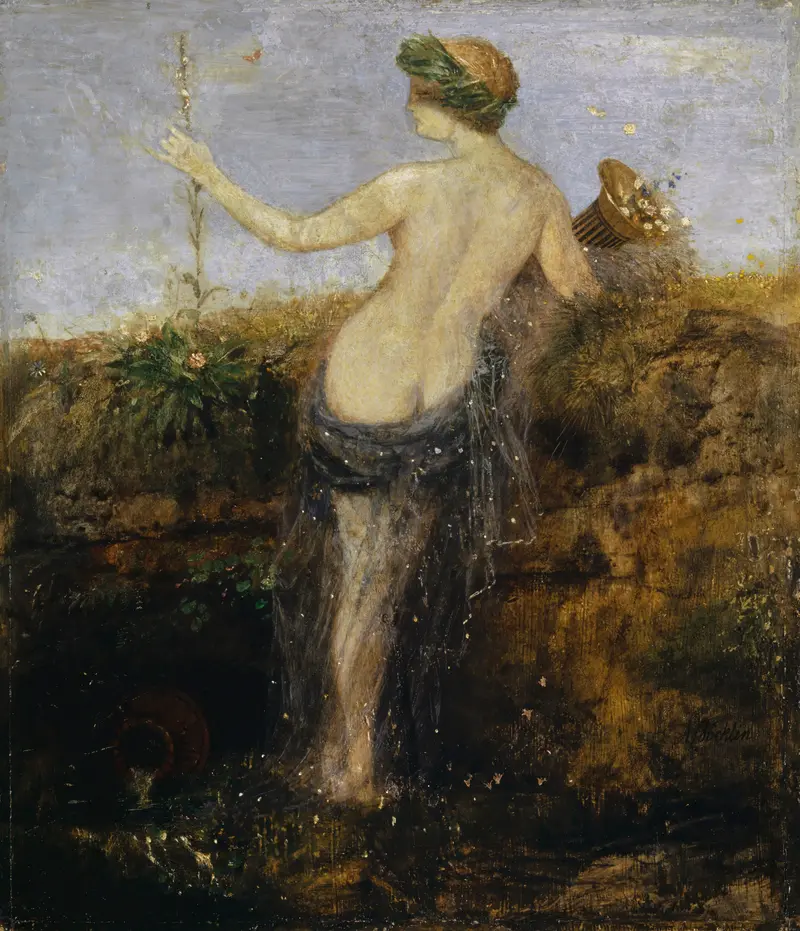
Nymphe with Horn of Plenty
Arnold Böcklin
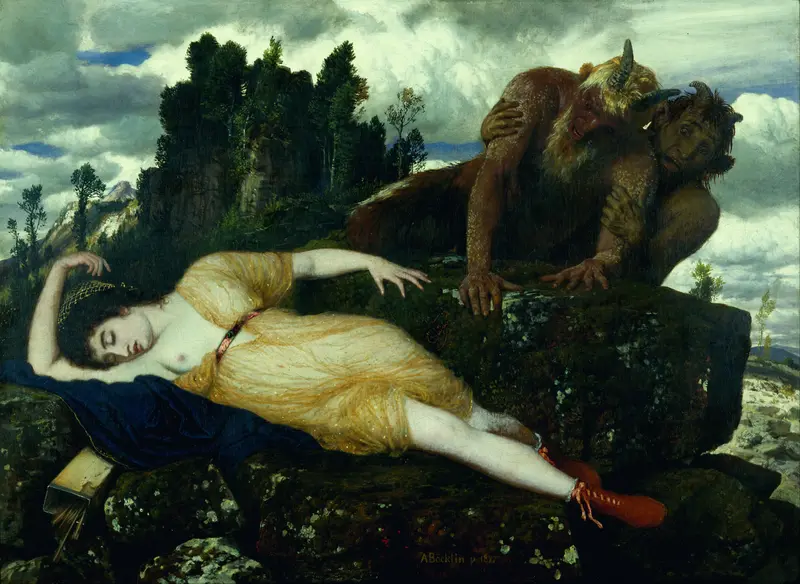
Sleeping Diana Watched by Two Fauns
Arnold Böcklin
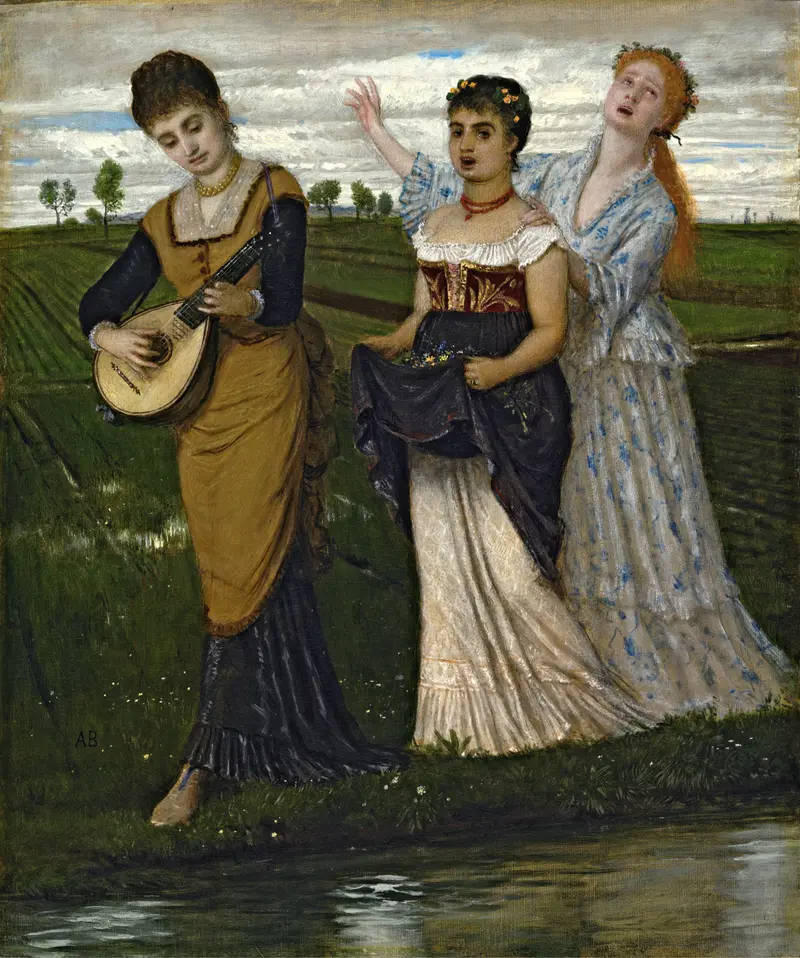
Spring (Songs of Spring)
Arnold Böcklin