
Springtime in Essoyes — History & Facts
In Springtime in Essoyes, time unfurls like petals in bloom, capturing both the fleetingness of nature and the enduring spirit of joy. Look to the left at the vibrant splashes of color that define the lush landscape, where blossoms burst forth in lively pinks and whites against the deep greens of grass. Notice how the light dances across the scene, illuminating the figures beneath the gentle arch of trees. Each stroke is fluid, almost musical, suggesting a moment alive with laughter and movement, as if the air itself is painted with the scent of fresh blooms. In this enchanting tableau, the contrast between the joyous crowd and the serene countryside paints a vivid picture of harmony.
The figures, with their animated gestures, reflect a carefree celebration of life, while the tranquil backdrop serves as a reminder of the passage of time—how moments of happiness, like the seasons, are ephemeral yet profoundly significant. Look closely, and you may see the play of light and shadow that hints at both warmth and a whisper of nostalgia, urging us to cherish the present. In 1900, Renoir was living in Essoyes, a place that inspired a significant shift in his work. The artist sought solace in the countryside, moving away from the urban scenes of his early career.
This period marked a transition toward a lighter palette and a focus on the joys of everyday life, reflecting broader movements in art as impressionists sought to capture the transient beauty of moments, even as the world around them continued to change.
More Artworks by Pierre-Auguste Renoir
Browse all →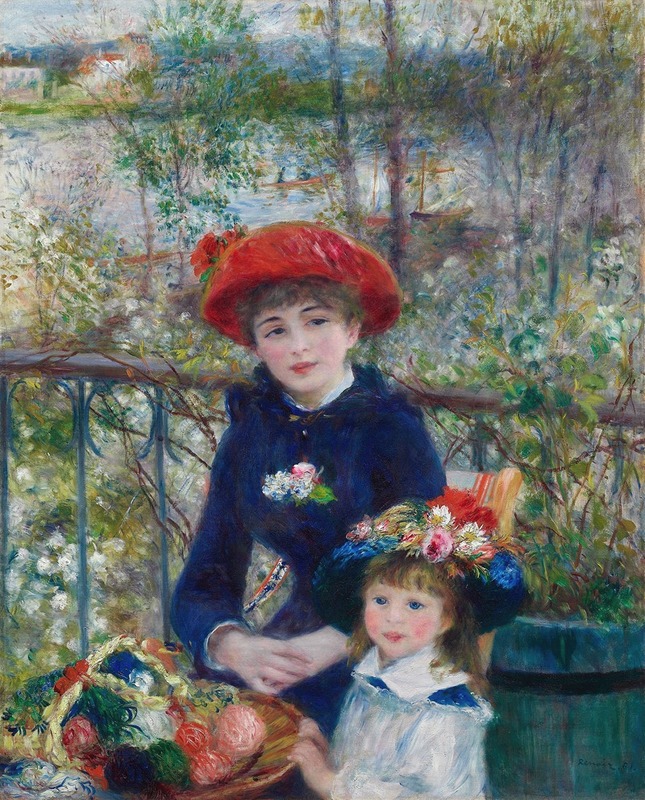
Two Sisters (On the Terrace)
Pierre-Auguste Renoir
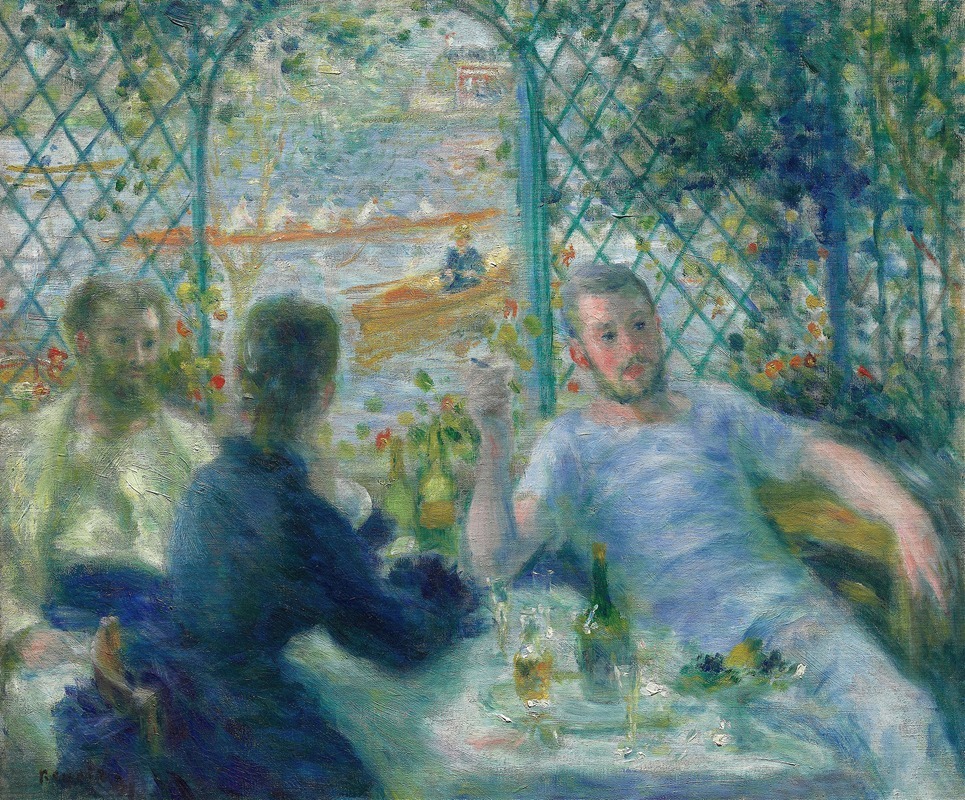
Lunch at the Restaurant Fournaise (The Rowers' Lunch)
Pierre-Auguste Renoir
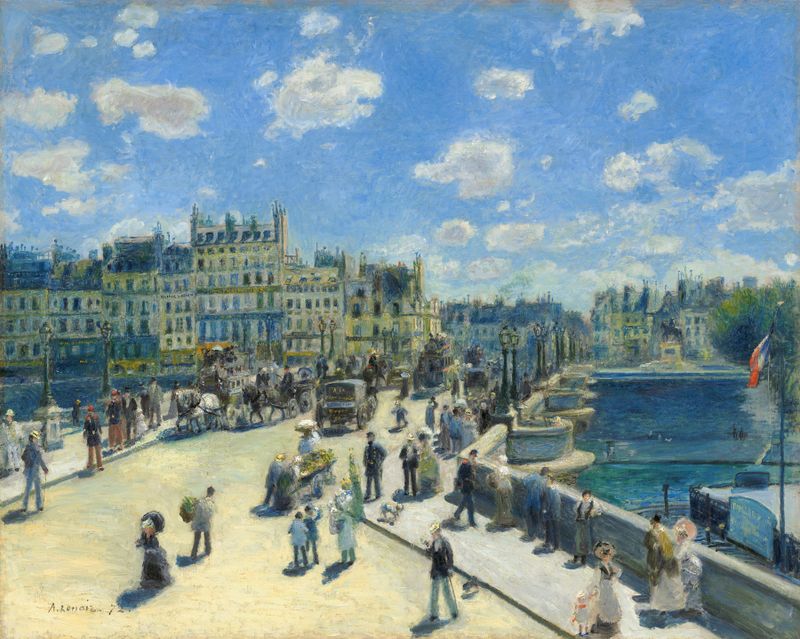
Pont Neuf, Paris
Pierre-Auguste Renoir
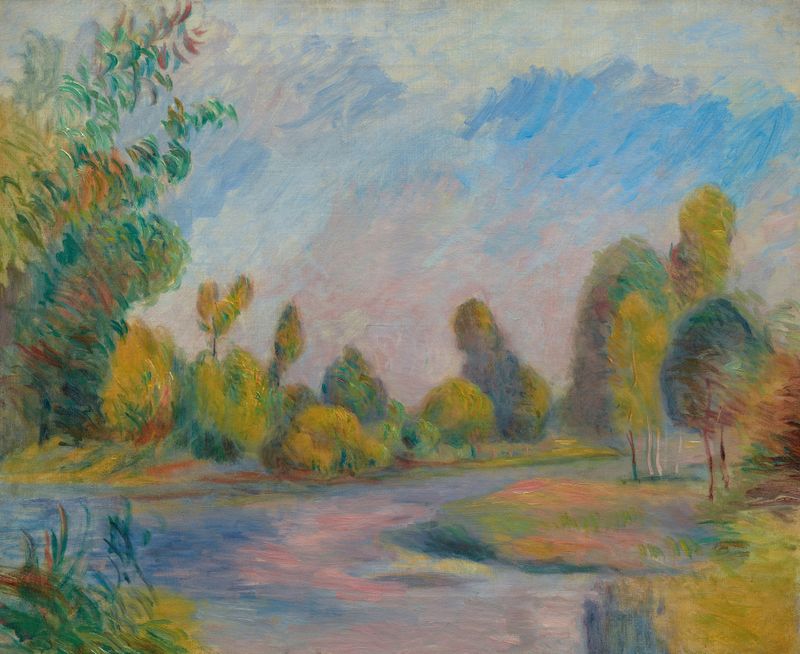
Au bord de la rivière
Pierre-Auguste Renoir

Near the Lake
Pierre-Auguste Renoir
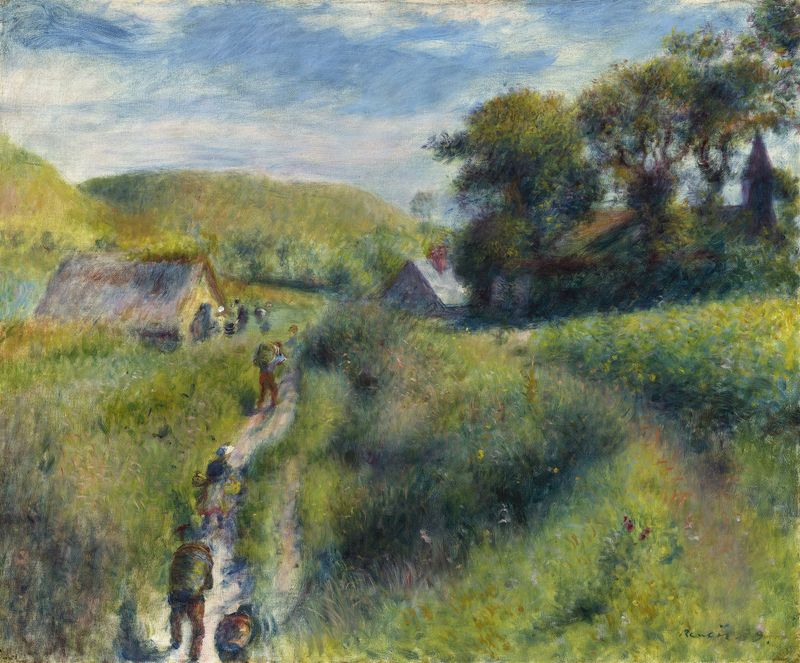
The Mussel Harvest
Pierre-Auguste Renoir

The Seine at Chatou
Pierre-Auguste Renoir
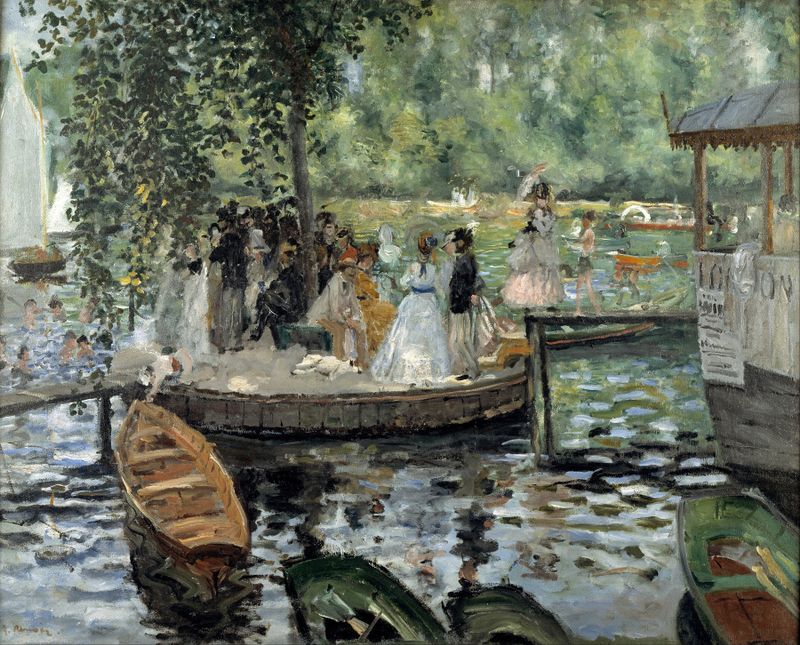
La Grenouillère
Pierre-Auguste Renoir
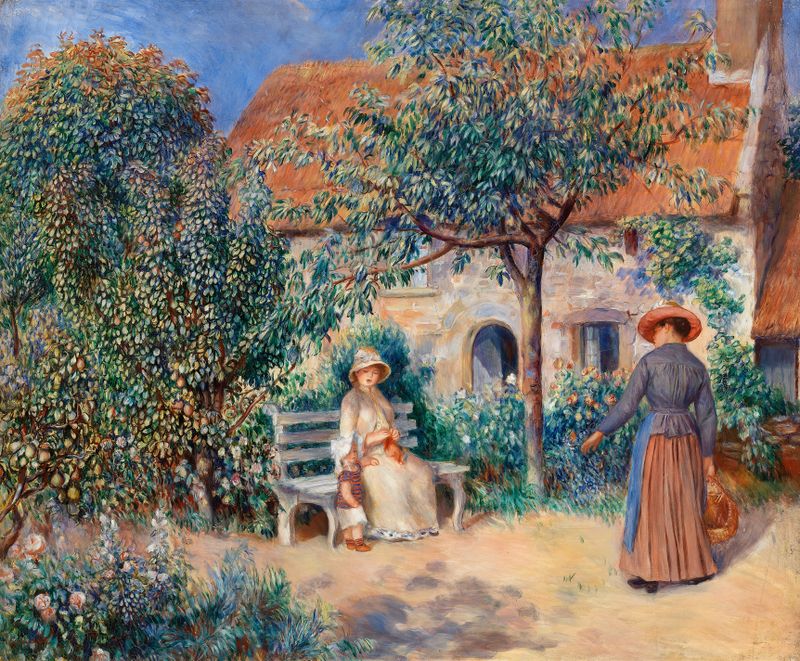
In Brittany (En Bretagne)
Pierre-Auguste Renoir
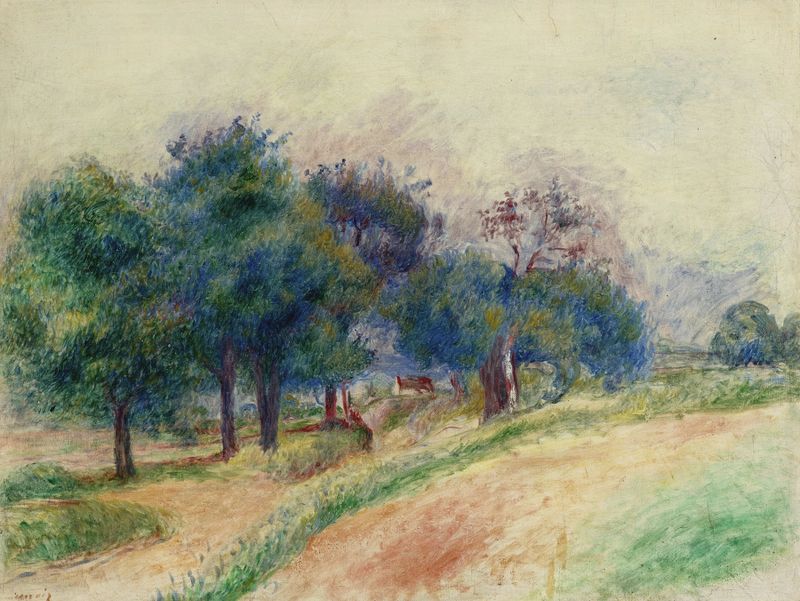
Paysage d’Essoyes
Pierre-Auguste Renoir





