
Spumellaria (Radiolaria) — History & Facts
What first catches the eye in Spumellaria (Radiolaria) is the sense of otherworldly architecture—each form, meticulously rendered, seems at once alien and familiar, like miniature cathedrals spun from glass. The composition draws you inward: at the center, a branching, coral-like structure radiates outward, anchoring a constellation of geometric orbs and spiked forms. Each organism is a marvel of symmetry and pattern, their honeycombed shells and radiating spines revealed in crisp detail against a velvety black ground.
The artist’s hand guides the viewer from one intricate skeleton to the next, each a window into the hidden order of nature, where mathematics and biology entwine. Created in 1904 for the celebrated Kunstformen der Natur, this plate by Ernst Haeckel belongs to a world where science and art were inseparable allies. At the dawn of the twentieth century, naturalists like Haeckel brought the invisible world into public view, their illustrations serving both as scientific documentation and as objects of wonder. These images were not made for galleries but for books and lectures, intended to educate and inspire a new respect for the diversity of life.
Little is recorded about the journey of this specific plate, yet its presence in Kunstformen der Natur marks it as part of a broader movement—one that saw the microscopic as worthy of aesthetic contemplation. The longer you look, the more these forms reveal: not just the anatomy of radiolarians, but the restless curiosity of an era seeking order in chaos.
More Artworks by Ernst Haeckel
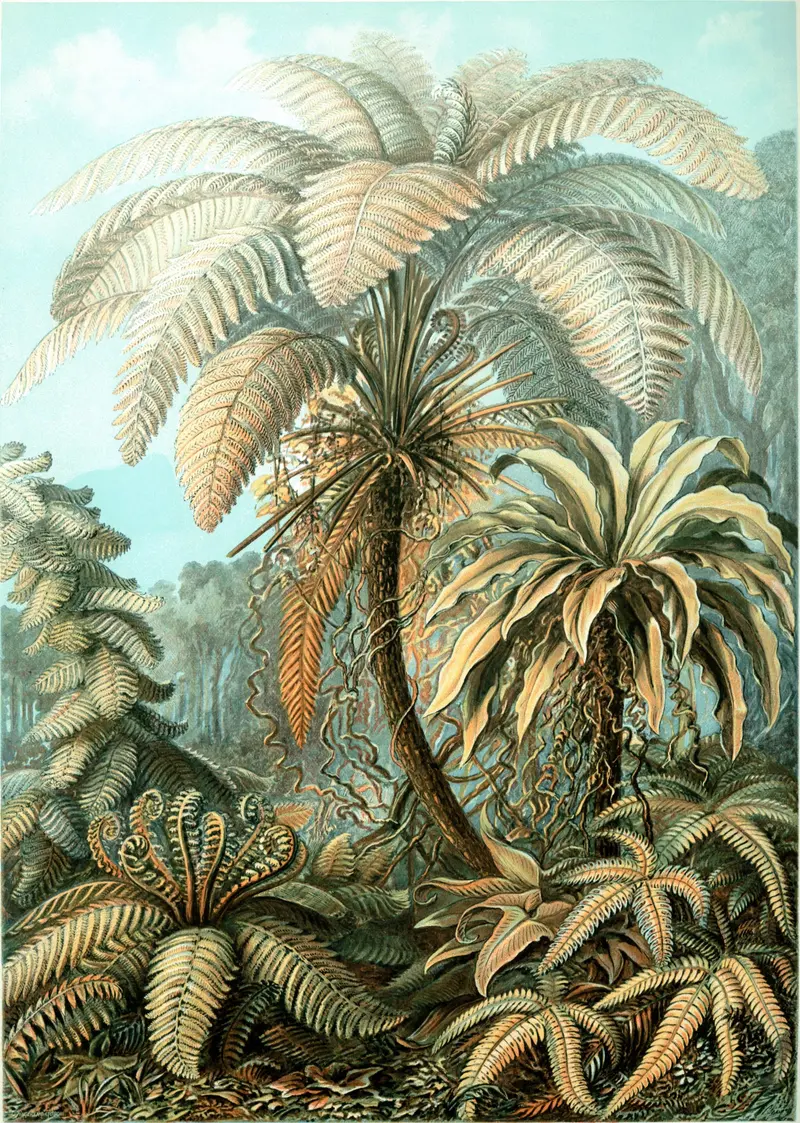
Filicinae (Ferns)
Ernst Haeckel
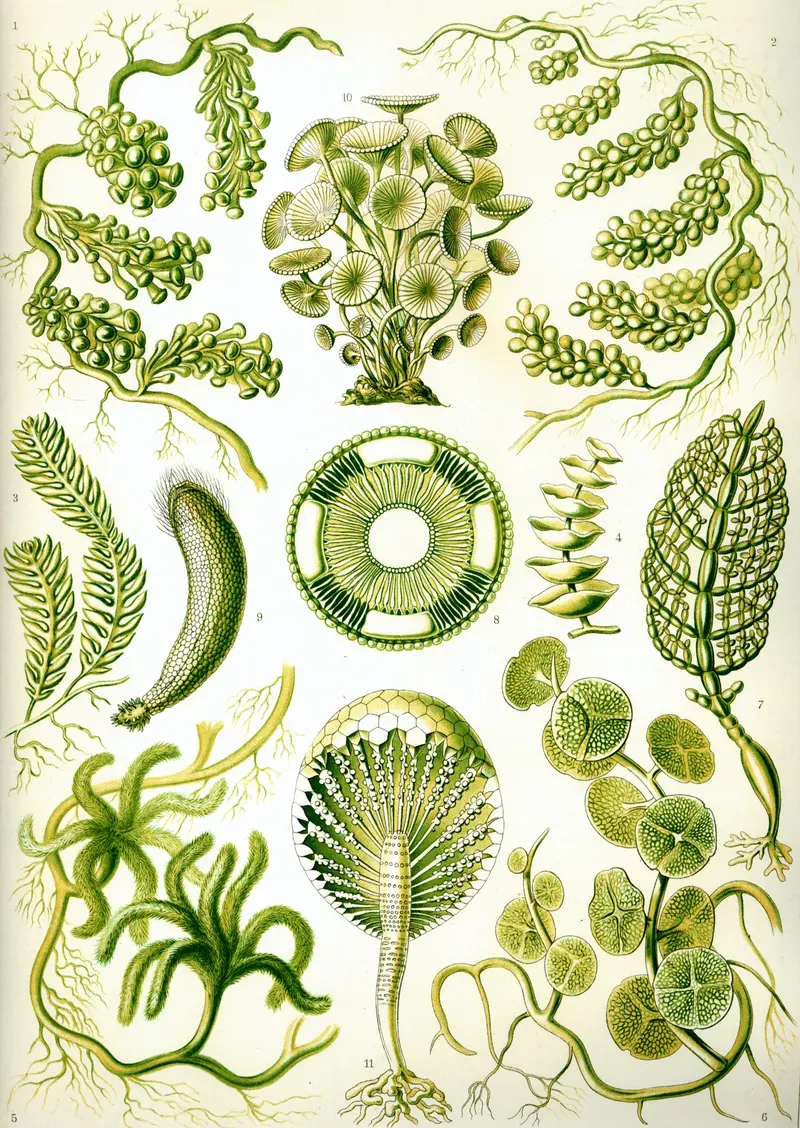
Siphoneae (Green Algae)
Ernst Haeckel

Cirripedia (Barnacles)
Ernst Haeckel

Actiniae (Sea Anemones)
Ernst Haeckel
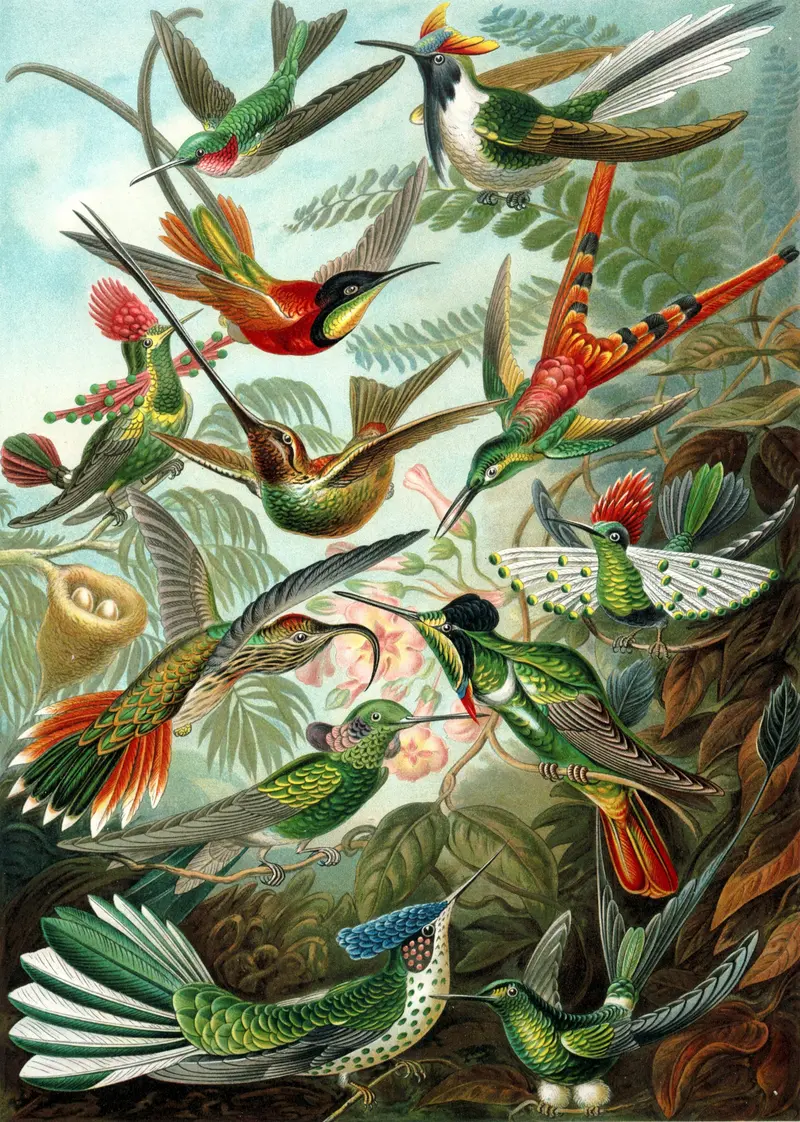
Trochilidae (Hummingbirds)
Ernst Haeckel
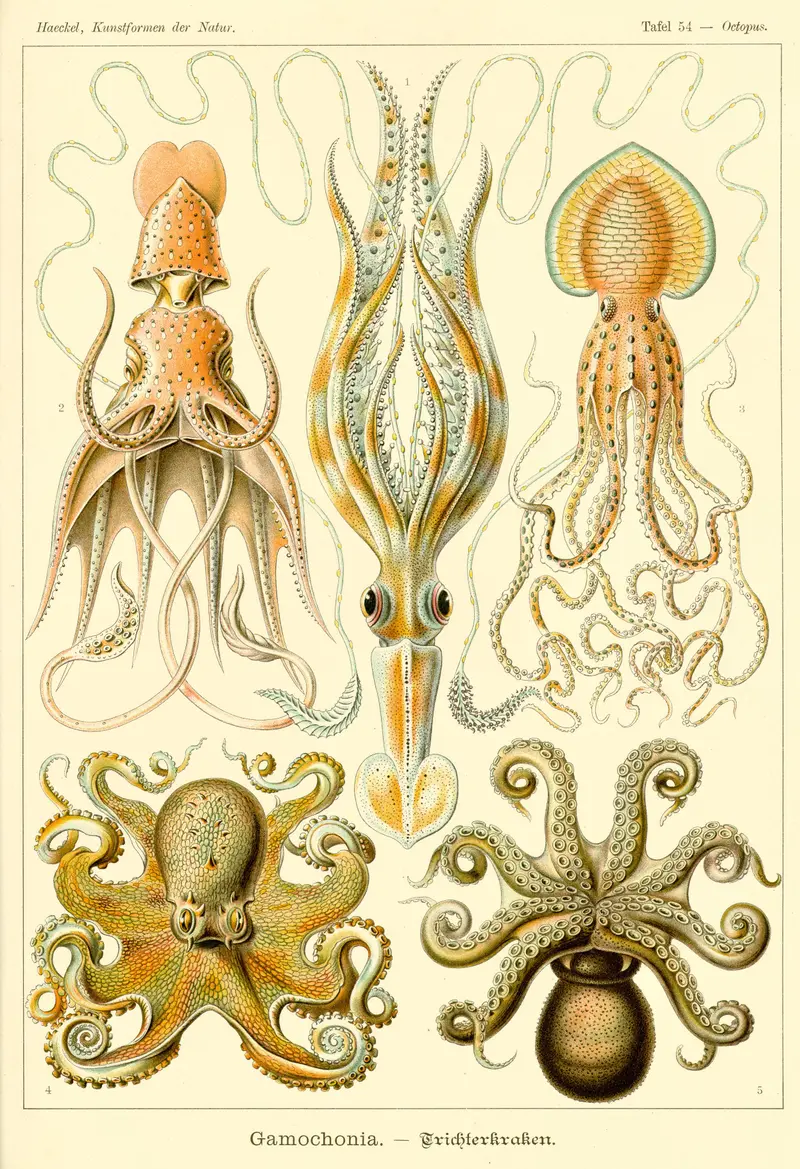
Gamochonia (Cephalopods)
Ernst Haeckel
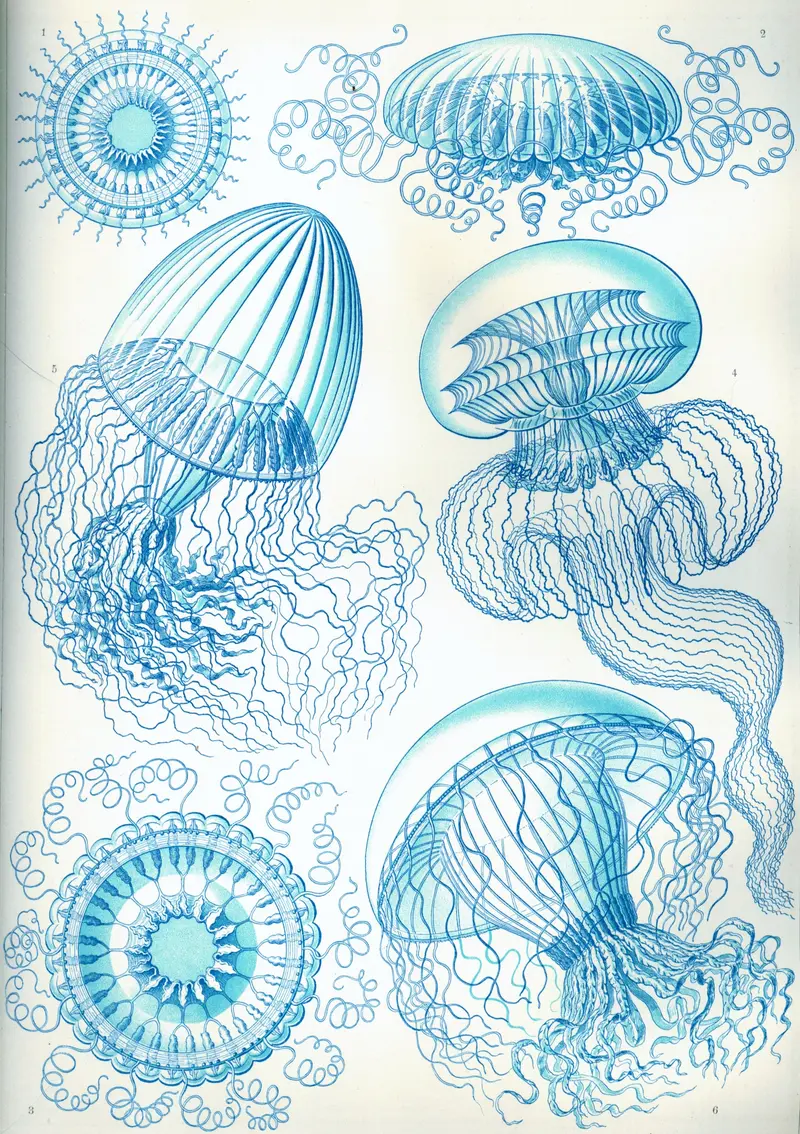
Leptomedusae (Jellyfish)
Ernst Haeckel
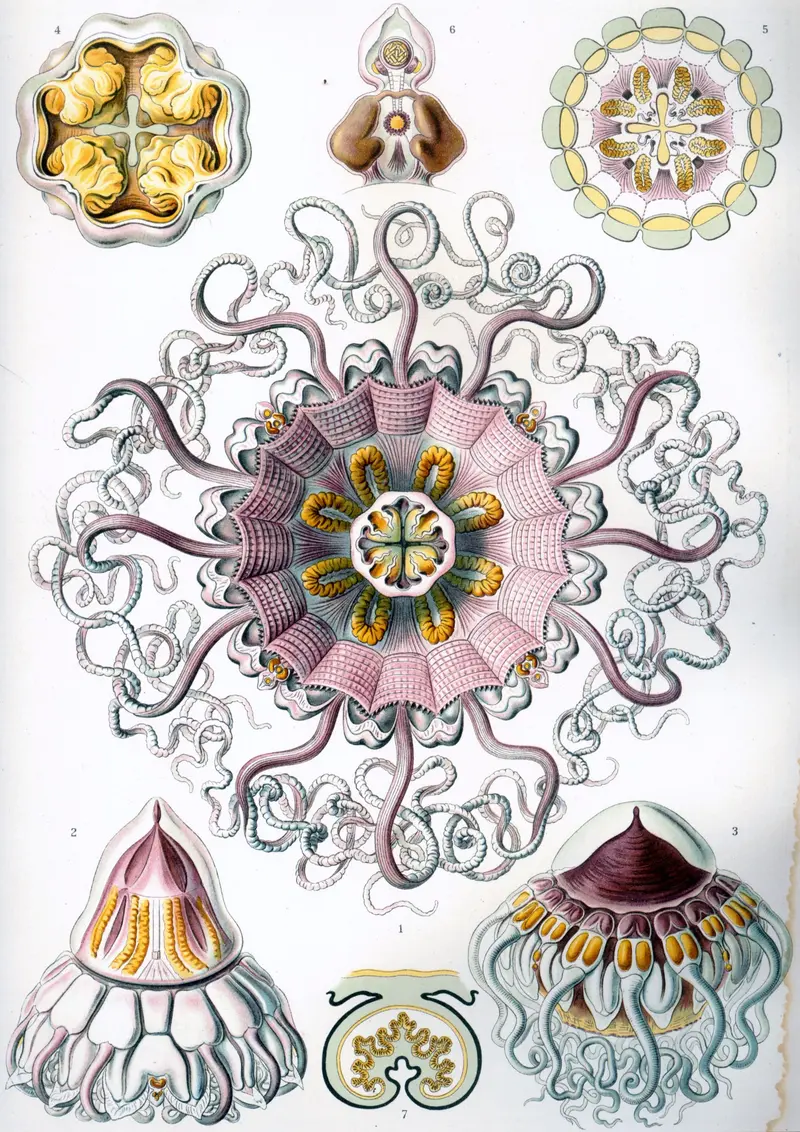
Peromedusae (Jellyfish)
Ernst Haeckel
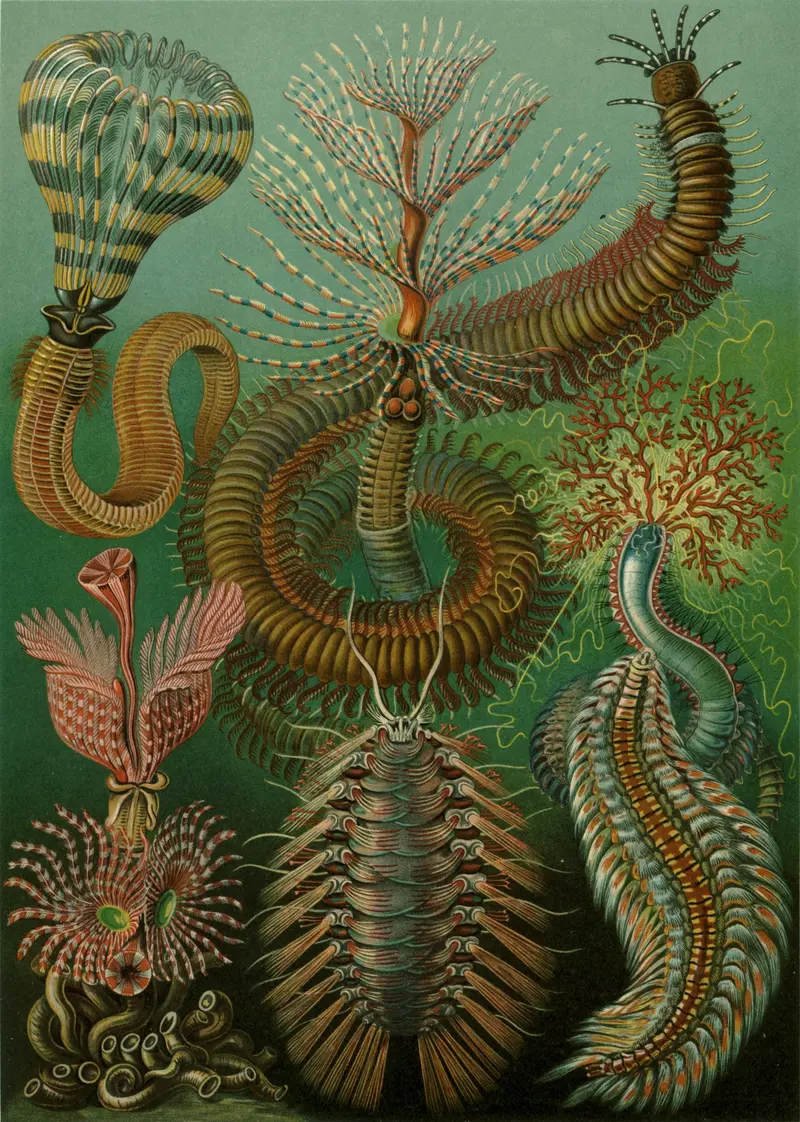
Chaetopoda (Bristle Worms)
Ernst Haeckel
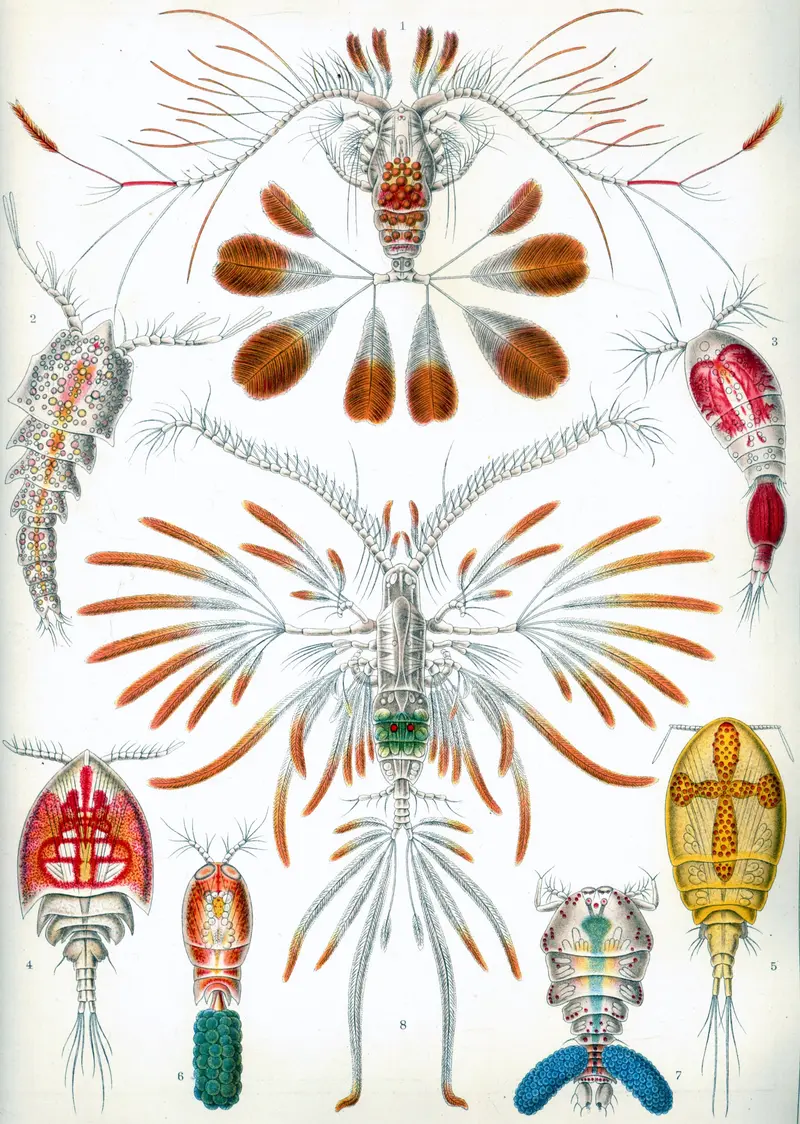
Copepoda (Copepods)
Ernst Haeckel





