
St. Alban’s Cathedral, Hertfordshire — History & Facts
In the silent embrace of creation, destiny intertwines with the artist’s vision, capturing moments that transcend time. Focus on the towering presence of the cathedral, its delicate spires framed against a vast sky. The watercolor technique softens the edges, allowing the hues of dusk to bleed into one another, while the intricate detailing of the stonework draws the eye. Notice how light dances upon the façade, emphasizing the sanctity of the structure and inviting contemplation.
It is here that the splendor of architecture meets the ephemeral nature of time. Despite its serene beauty, the painting whispers of deeper contrasts. The cathedral stands resilient, a testament to faith and permanence, while the gentle strokes suggest the inevitable passage of time. The surrounding landscape, painted in muted tones, evokes a sense of solitude, reminding us of life’s fleeting moments.
Each brushstroke holds significance, revealing not just a place of worship, but a sanctuary for the human spirit amidst the chaos of existence. During this period, Thomas Girtin was exploring the realms of watercolor, experimenting with light and atmosphere that would later influence the Romantic movement. His works captured both the sublime and the mundane, reflecting the changing world around him. While the exact date of this piece remains unknown, it represents a vital chapter in the evolution of landscape painting, as Girtin sought to convey a deeper emotional resonance through his art.
More Artworks by Thomas Girtin
Browse all →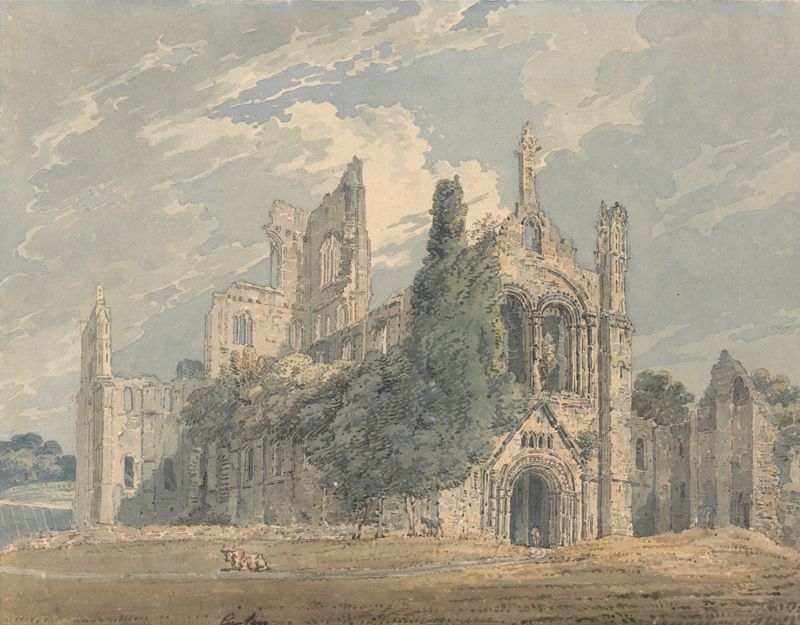
Kirkstall Abbey from the N.W.
Thomas Girtin
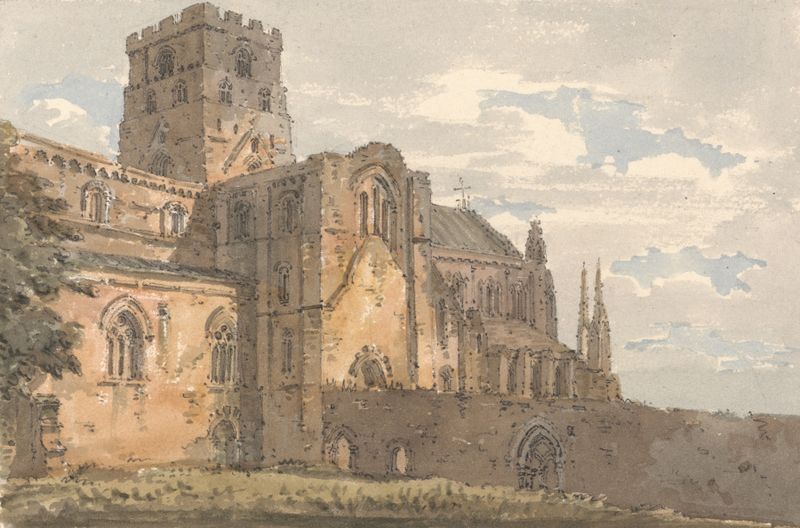
Carlisle Cathedral, Cumberland, from the South-west
Thomas Girtin
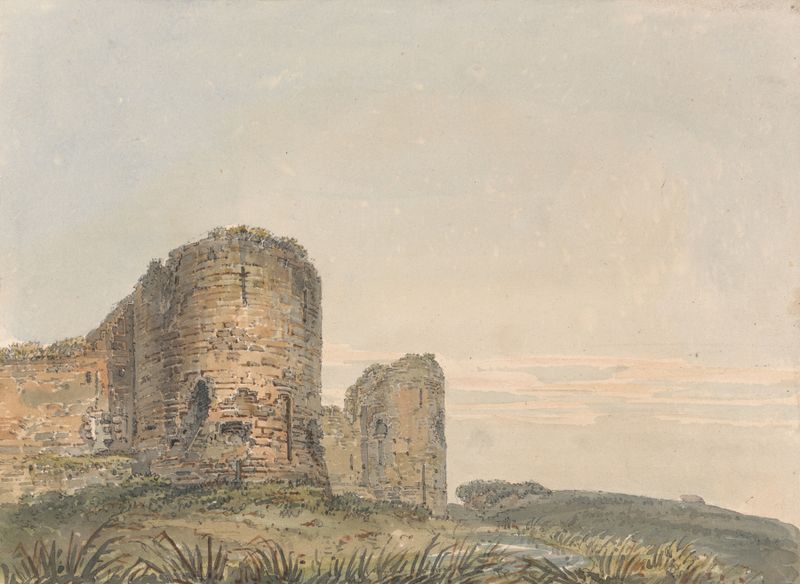
Pevensey Castle, Sussex
Thomas Girtin
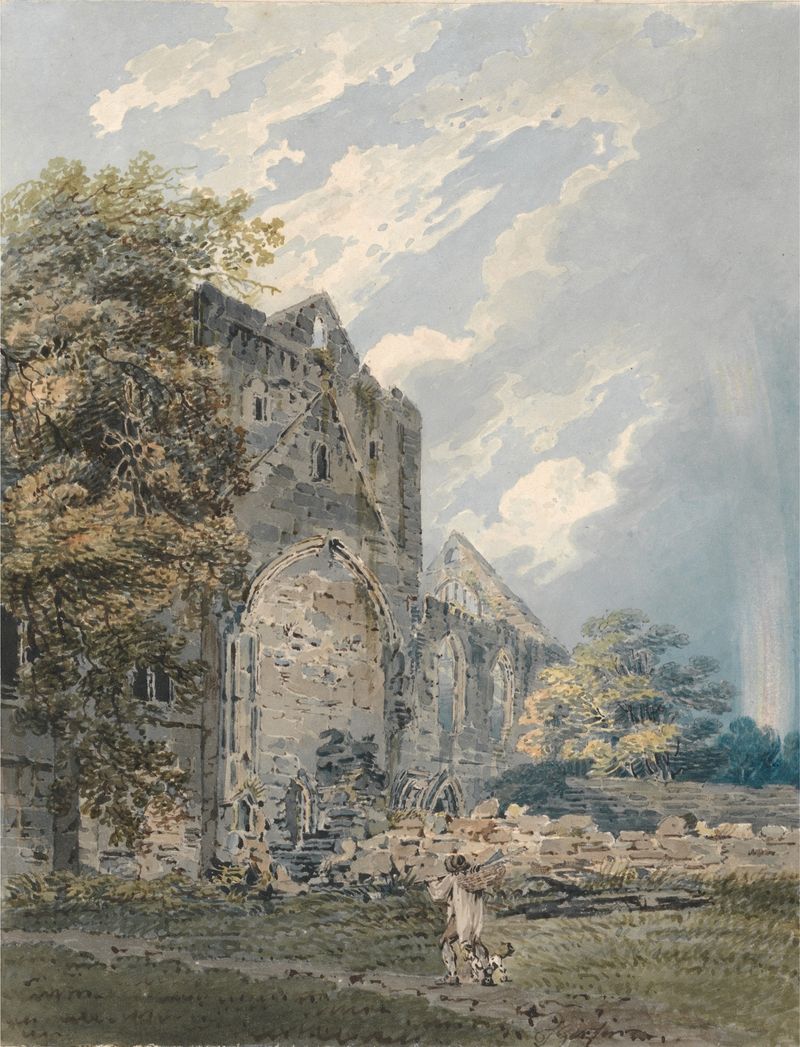
Pluscardine Abbey, Elgin
Thomas Girtin
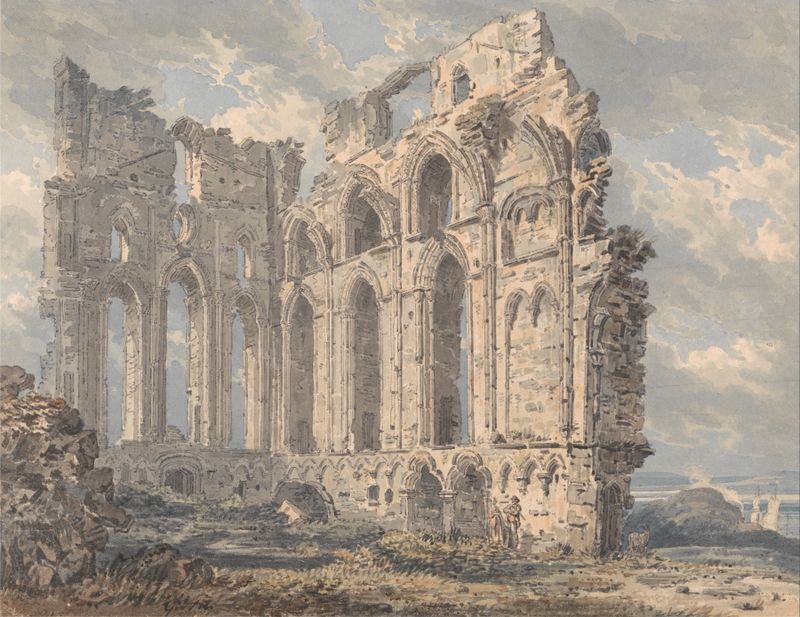
Tynemouth Priory, Northumberland
Thomas Girtin
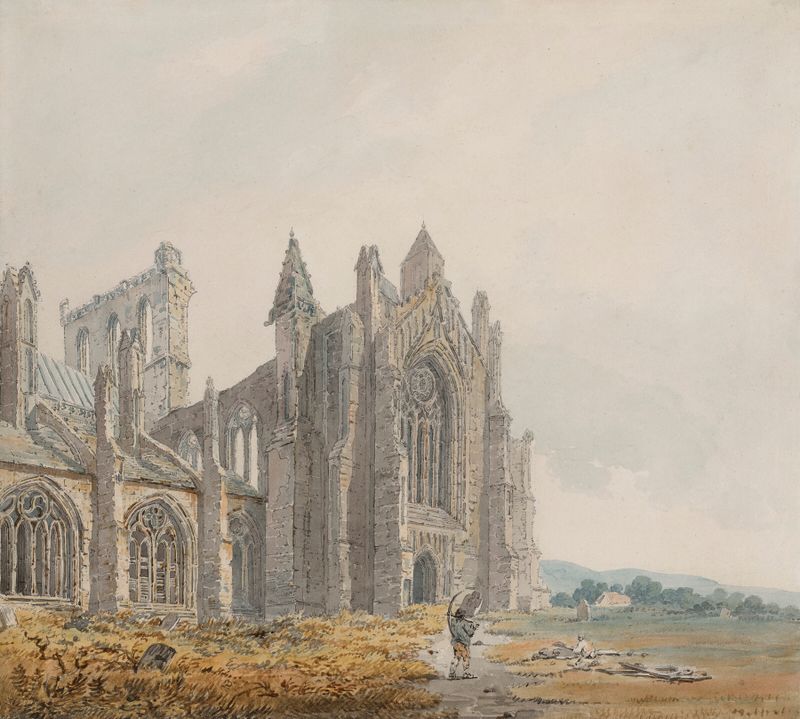
Melrose Abbey, Scotland
Thomas Girtin
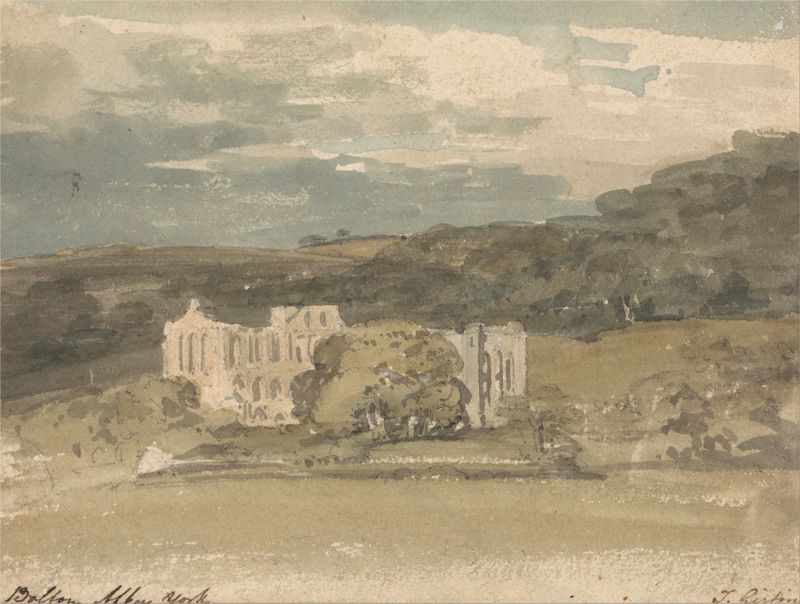
Rievaulx Abbey, Yorkshire
Thomas Girtin
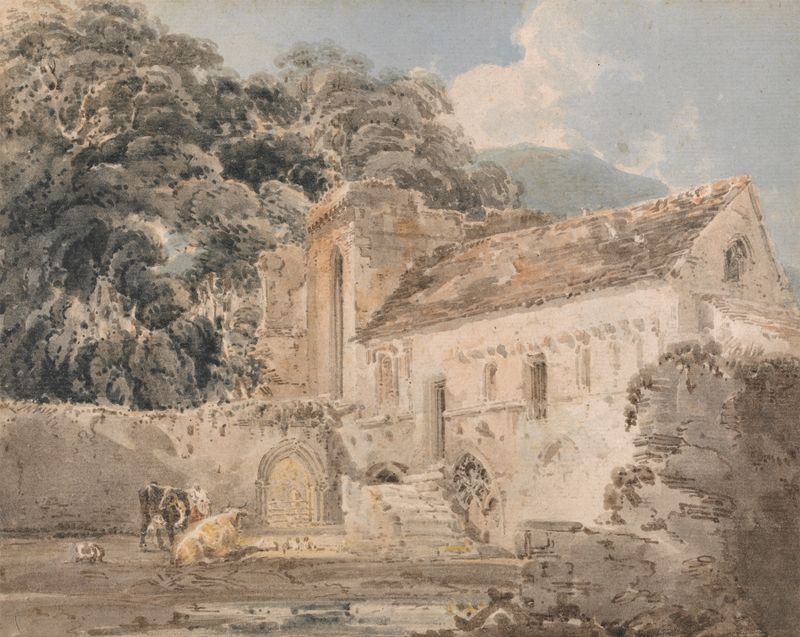
Valle Crucis Abbey, Denbighshire
Thomas Girtin
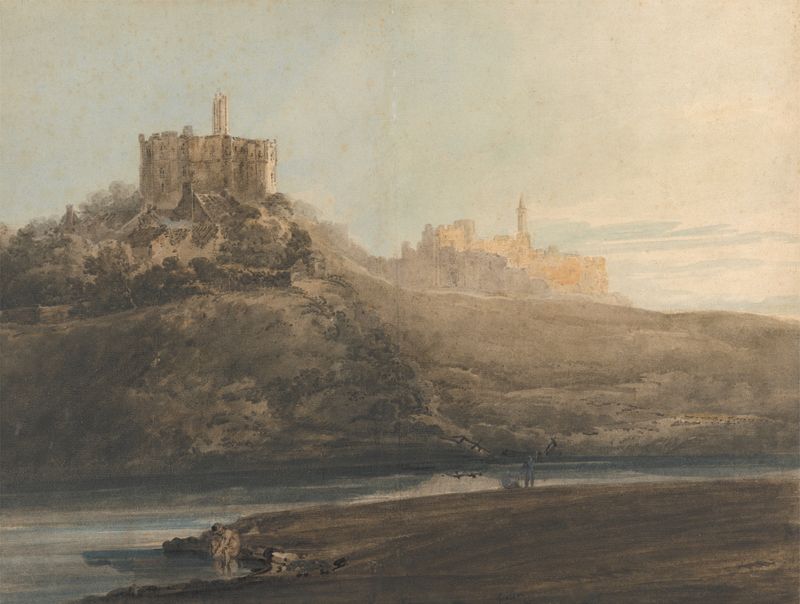
Warkworth Castle, Northumberland
Thomas Girtin
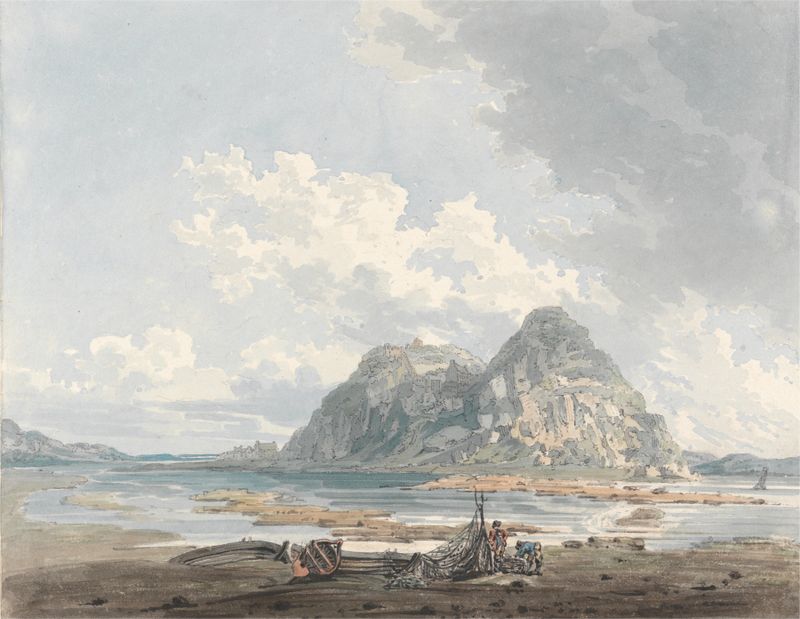
Dumbarton Rock and Castle
Thomas Girtin
More Architecture Art
Browse all →
The statue of Liberty
Frédéric Auguste Bartholdi

View of Houses in Delft, Known as ‘The Little Street’
Johannes Vermeer

View of Houses in Delft, Known as ‘The Little Street’
Johannes Vermeer

The Cathedral in Rouen. The portal, Grey Weather
Claude Monet

The yellow house
Vincent van Gogh

The Church in Auvers-sur-Oise, View from the Chevet
Vincent van Gogh