
St. Benet’s Abbey — History & Facts
Could a single brushstroke hold eternity? Amidst whispers of time and decay, a longing emerges, inviting us to explore the fragile remnants of a ruined sanctuary. Look to the center of the canvas, where crumbling walls rise amidst a tapestry of soft greens and muted browns. Notice how the light plays delicately across the surfaces, illuminating the intricate details of ivy creeping over stone. The composition draws your gaze upward, evoking the heights of aspiration while grounding you firmly in the earth with its textured brushwork.
Each stroke feels like a memory, a testament to the past that lingers in the air. There’s a palpable tension in the contrast between the serene beauty of nature and the stark remnants of human ambition. The vibrant greens symbolize life and renewal, while the dilapidated architecture speaks of loss and yearning. Each element is steeped in emotion; the vibrant depiction of foliage hints at the relentless passage of time that softens even the most resolute structures.
This duality—of life persisting amidst decay—echoes a profound sentiment shared by all who have stood before the ruins of their own making. In the period when this piece was created, Cotman explored the English landscape, fascinated by its historical layers and natural beauty. The work reflects his immersion in the Romantic movement, which emphasized emotion and the sublime in nature. Often associated with watercolor techniques, Cotman sought to capture the essence of places like St.
Benet's Abbey, a pursuit that resonated with his personal experiences and the evolving artistic landscape of the early 19th century.
More Artworks by John Sell Cotman
Browse all →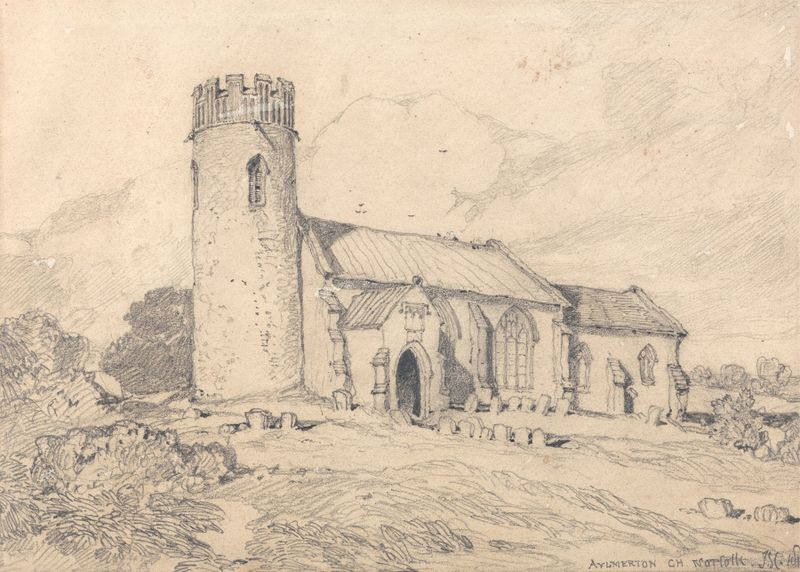
Aylmerton Church; Norfolk, from the South-West
John Sell Cotman
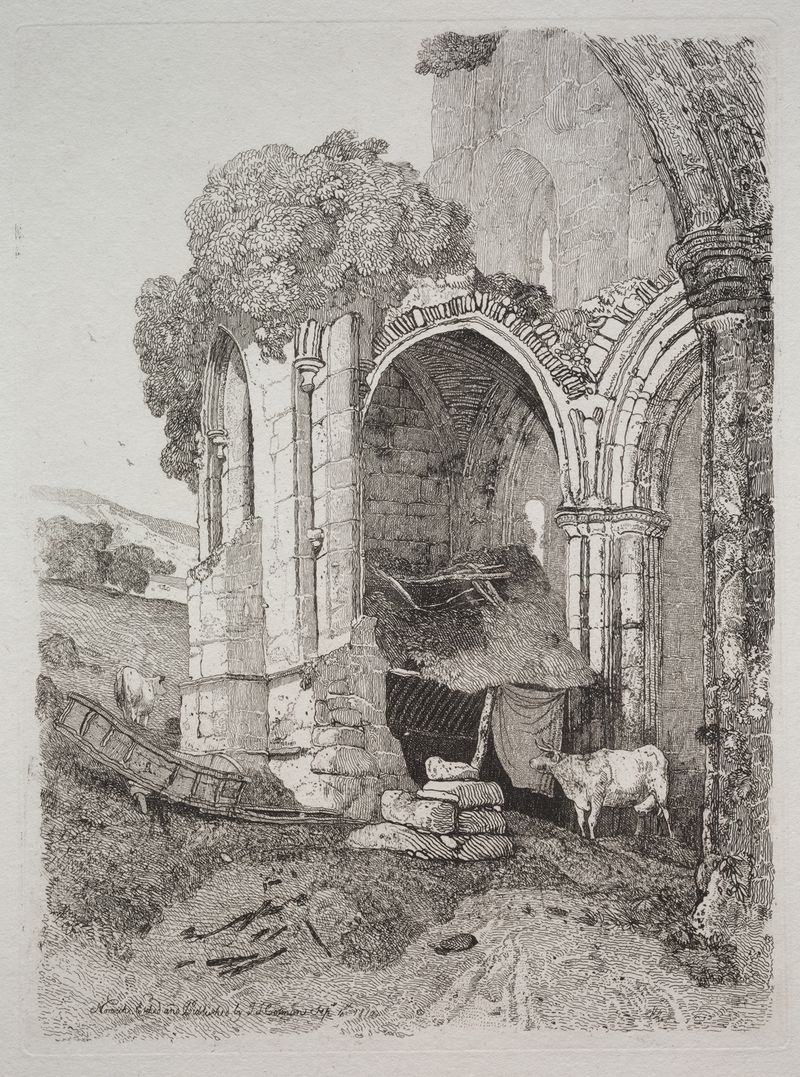
Rievaulx Abbey, Yorkshire
John Sell Cotman
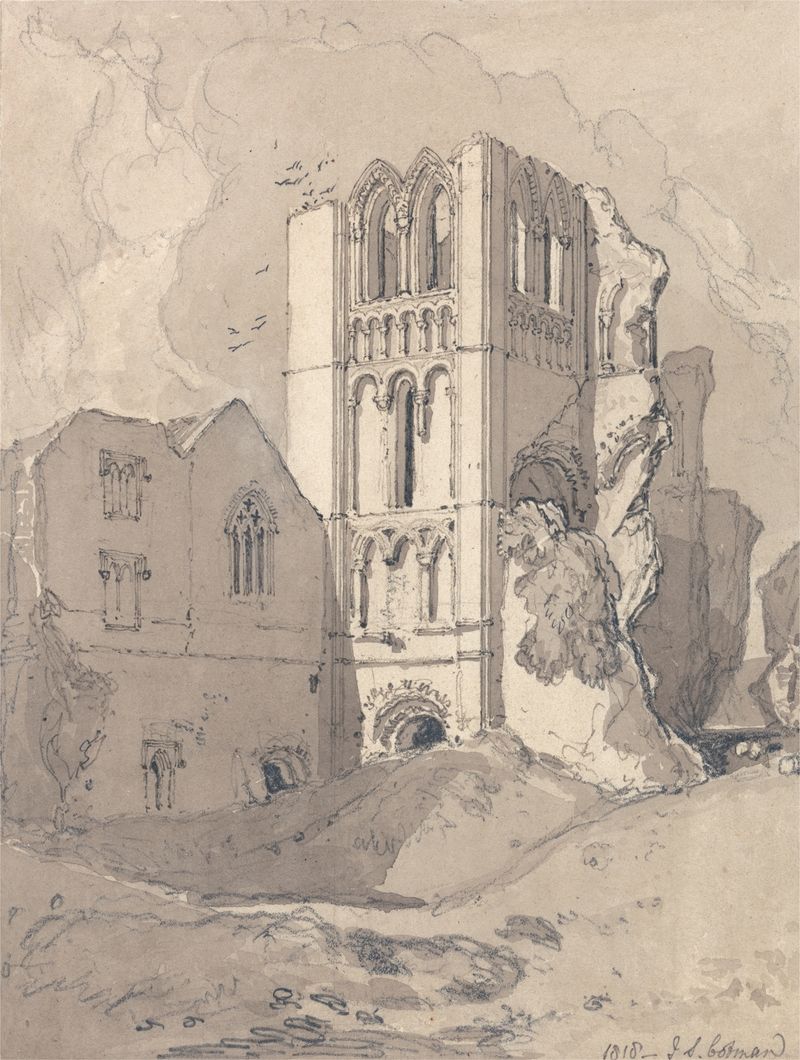
Castle Acre Priory, Norfolk
John Sell Cotman
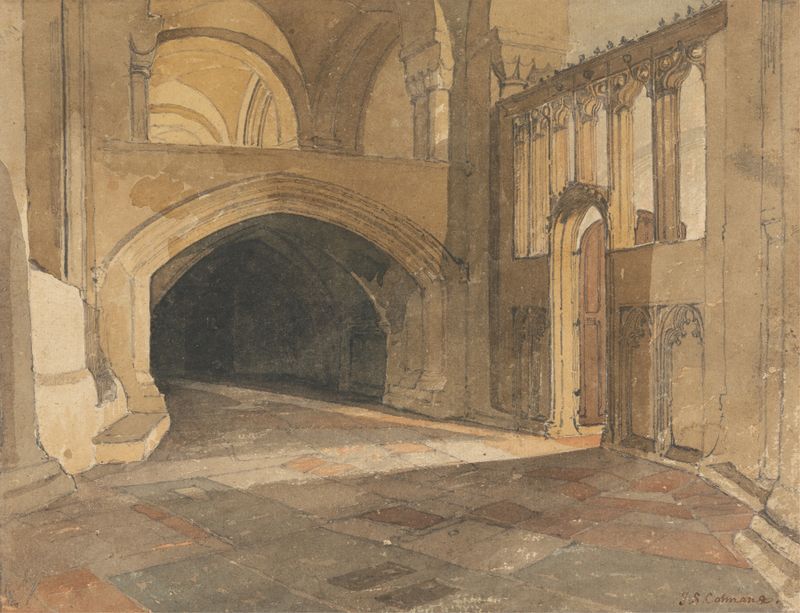
Norwich Cathedral; Entrance to Jesus Chapel
John Sell Cotman
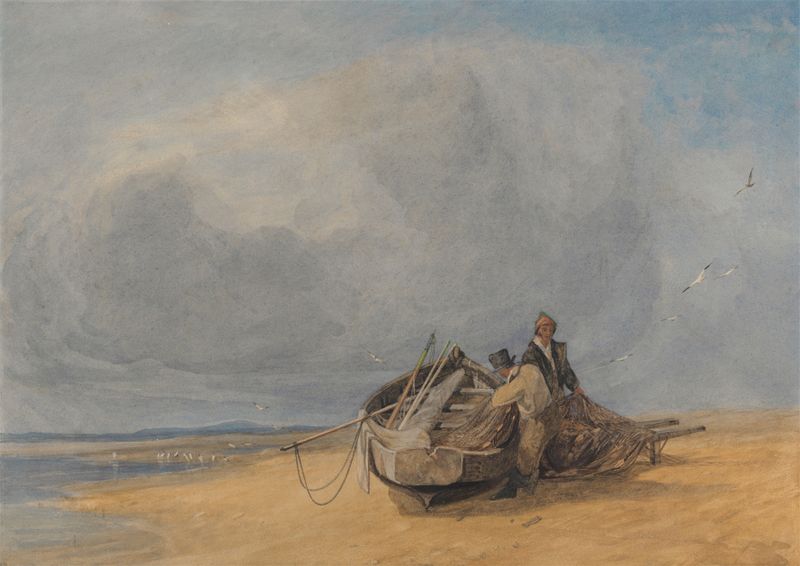
Yarmouth Sands, Norfolk
John Sell Cotman
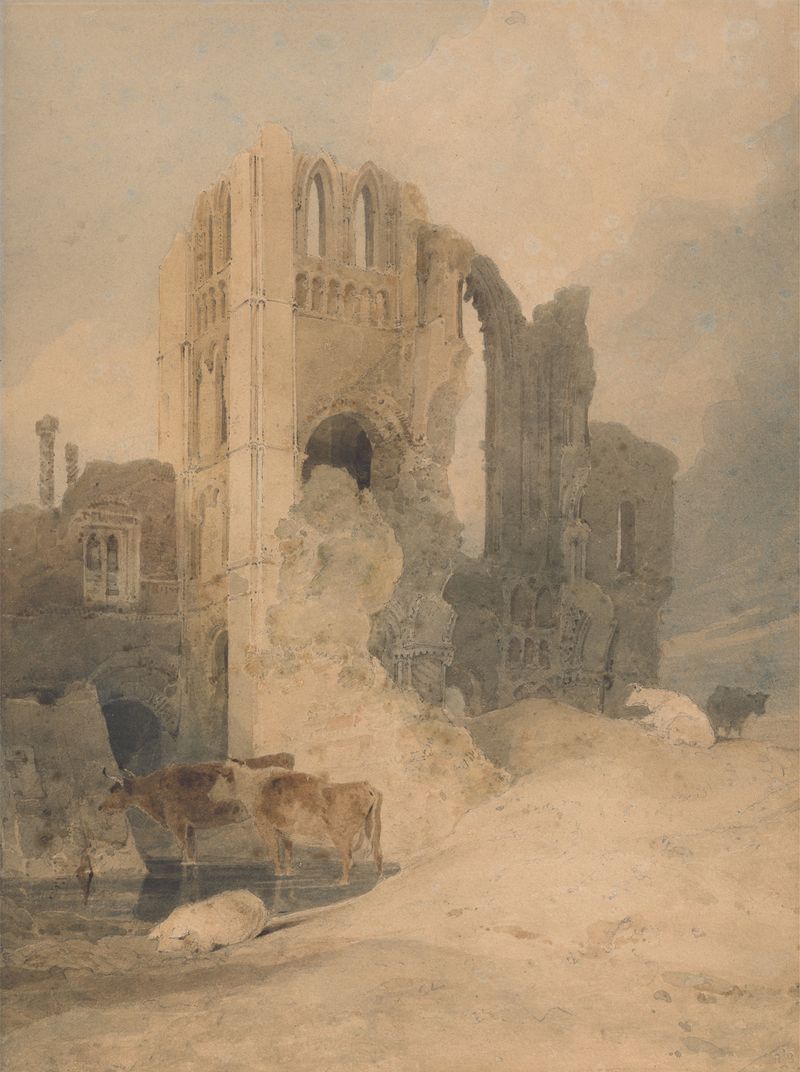
Castle Acre Priory, Norfolk
John Sell Cotman
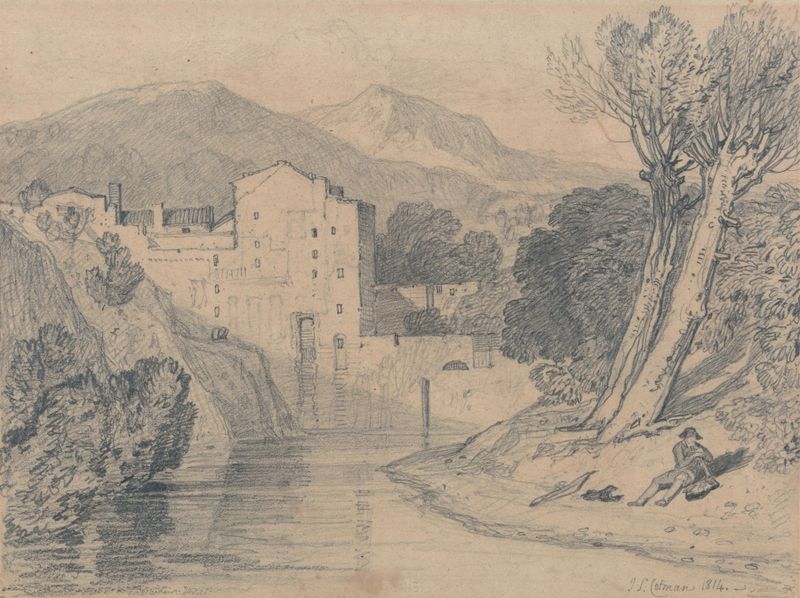
Near Whitby, Yorkshire
John Sell Cotman
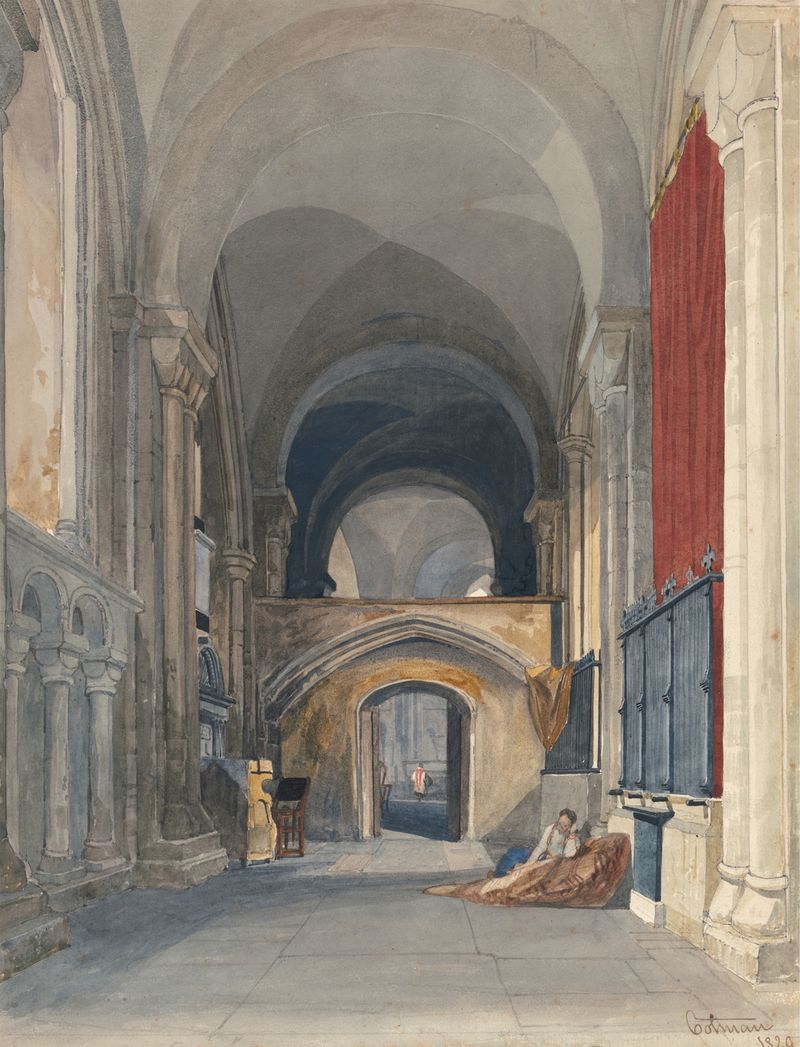
Norwich Cathedral; Interior of the North Aisle of the Choir, Looking East
John Sell Cotman
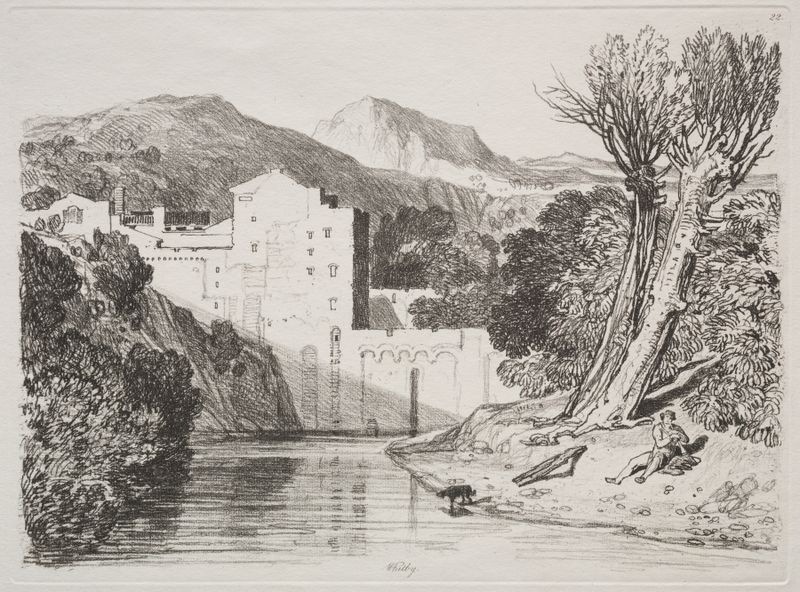
Whitby
John Sell Cotman
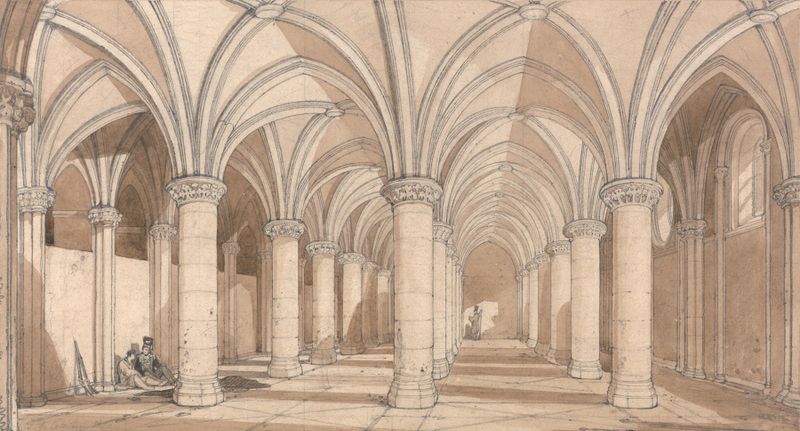
The Barons’ Hall, Mont Saint Michel
John Sell Cotman
More Architecture Art
Browse all →
The statue of Liberty
Frédéric Auguste Bartholdi

View of Houses in Delft, Known as ‘The Little Street’
Johannes Vermeer

View of Houses in Delft, Known as ‘The Little Street’
Johannes Vermeer

The Cathedral in Rouen. The portal, Grey Weather
Claude Monet

The yellow house
Vincent van Gogh

The Church in Auvers-sur-Oise, View from the Chevet
Vincent van Gogh