Discover insights about this artwork
St Hermenegild in Prision — History & Facts
In St Hermenegild in Prison, Francisco de Goya presents a somber scene filled with dark tones and muted colors. The central figure, St. Hermenegild, is depicted in a state of despair, his face reflecting anguish and determination.
He is surrounded by the cold, stone walls of his prison cell, which adds to the oppressive atmosphere. The use of shadows enhances the emotional weight of the painting, drawing the viewer's eye to the saint's troubled expression. The painting is executed in oil on canvas, a medium that allows for rich textures and deep colors. Goya's brushwork is both expressive and precise, capturing the intricate details of St.
Hermenegild's clothing and the rough surfaces of the prison walls. The composition is carefully arranged, with the figure of the saint positioned centrally, emphasizing his importance. The dramatic lighting further highlights the emotional intensity of the scene. Francisco de Goya created this work during a time of personal and political turmoil in Spain.
St. Hermenegild, a martyr for his faith, symbolizes resistance against oppression, making this painting particularly relevant to Goya's own struggles. Interestingly, Goya's portrayal of the saint reflects his interest in themes of suffering and sacrifice, which are prevalent throughout his oeuvre.
This work is a testament to Goya's ability to convey deep emotional narratives through his art.
More Artworks by Francisco de Goya
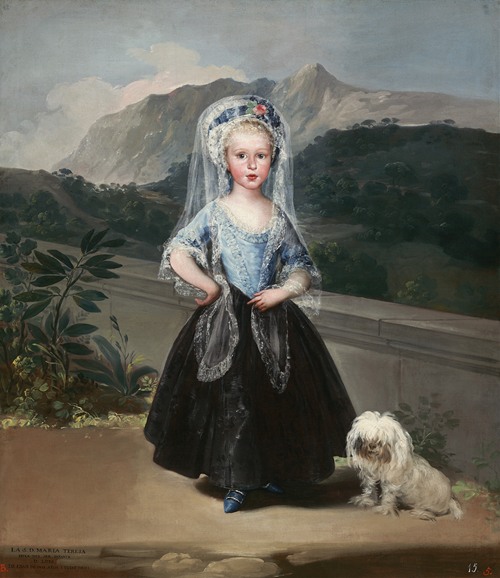
María Teresa de Borbón y Vallabriga,later Condesa de Chinchón
Francisco de Goya
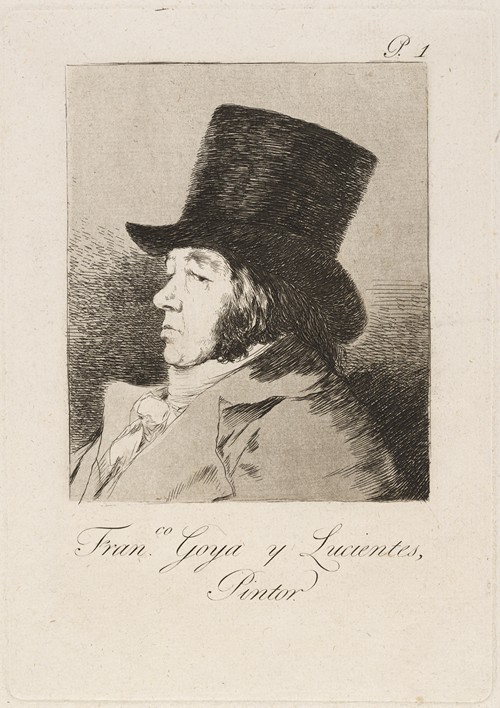
Francisco Goya y Lucientes, Pintor (Francisco Goya y Lucientes, painter)
Francisco de Goya
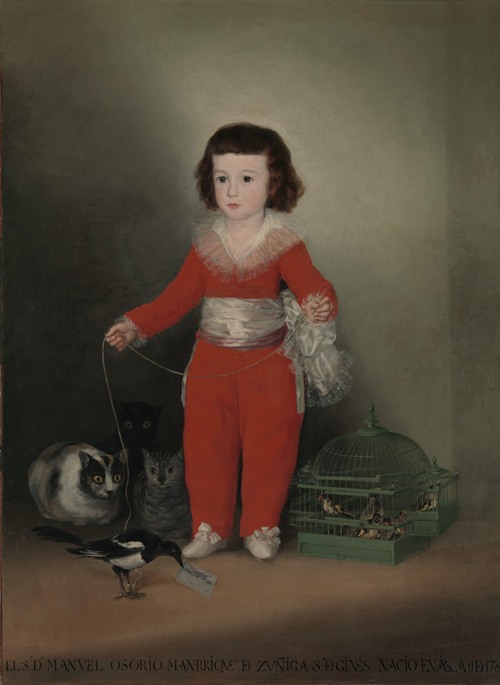
Manuel Osorio Manrique de Zuñiga (1784–1792)
Francisco de Goya
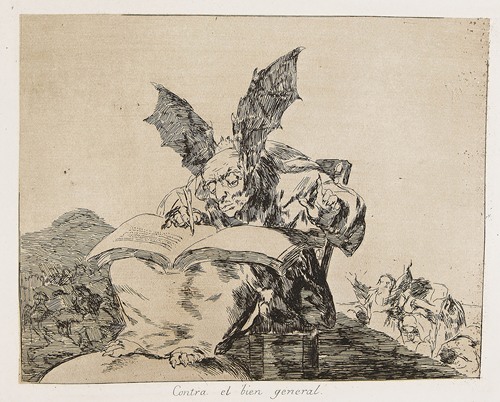
Los desastres de la guerra
Francisco de Goya
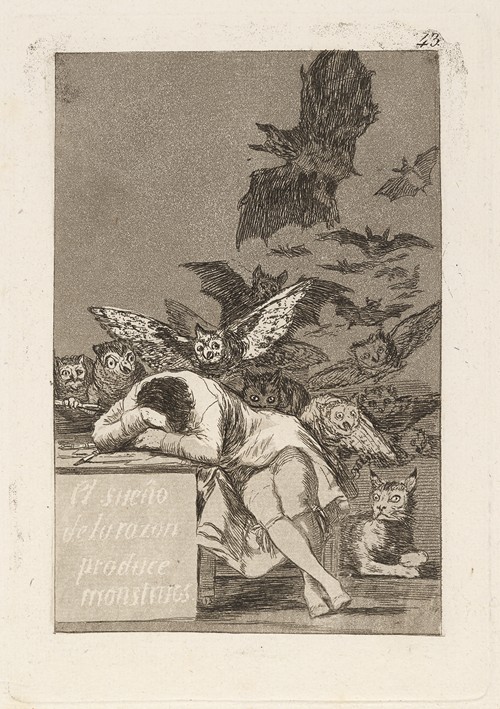
El sueño de la razon produce monstruos. (The sleep of reason produces monsters.)
Francisco de Goya
El sueño de la razon produce moustruos (Serie Caprichos)
Francisco de Goya
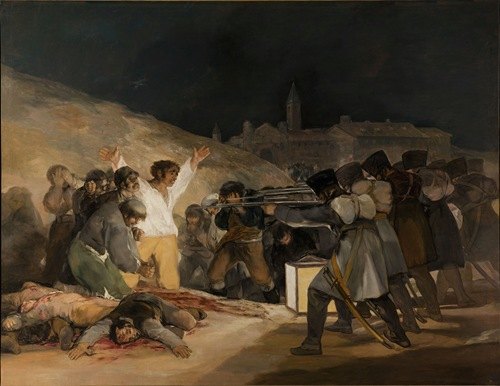
The Third of May
Francisco de Goya
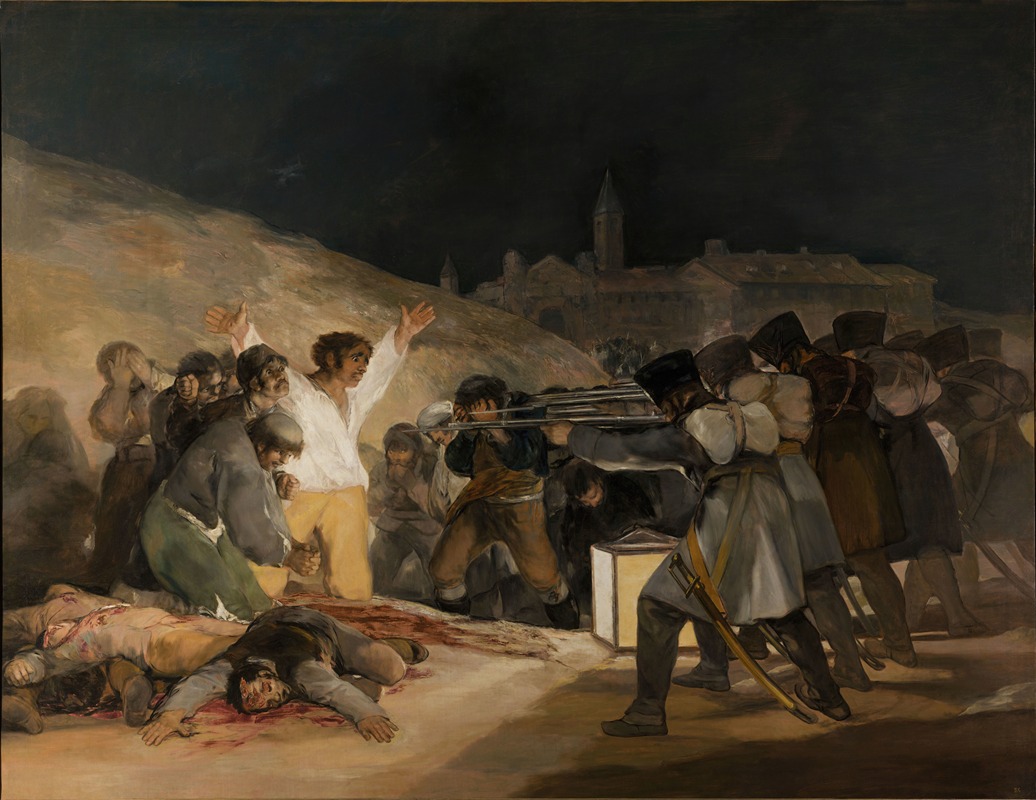
The Third of May 1808
Francisco de Goya
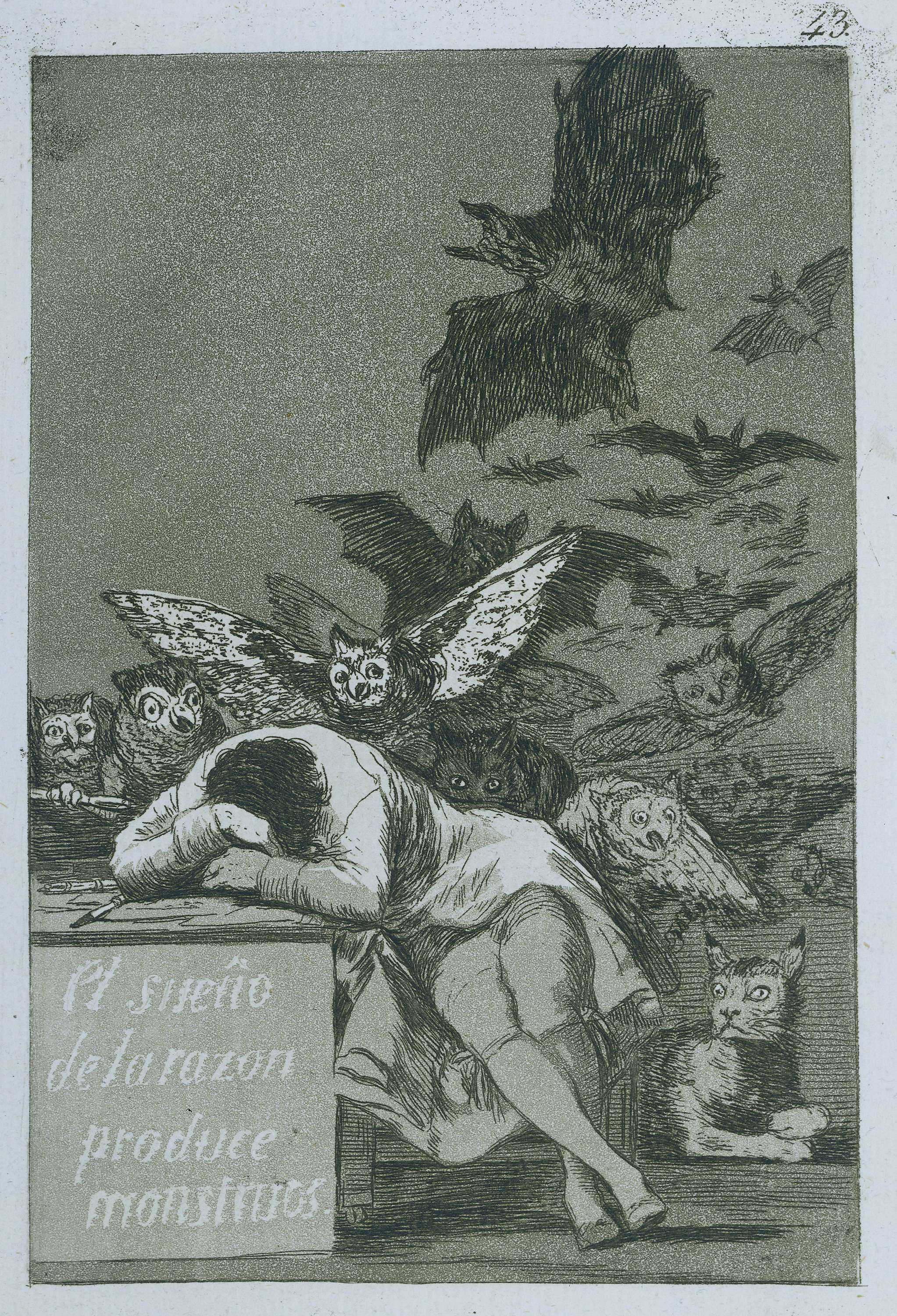
De slaap van de rede brengt monsters voort
Francisco de Goya
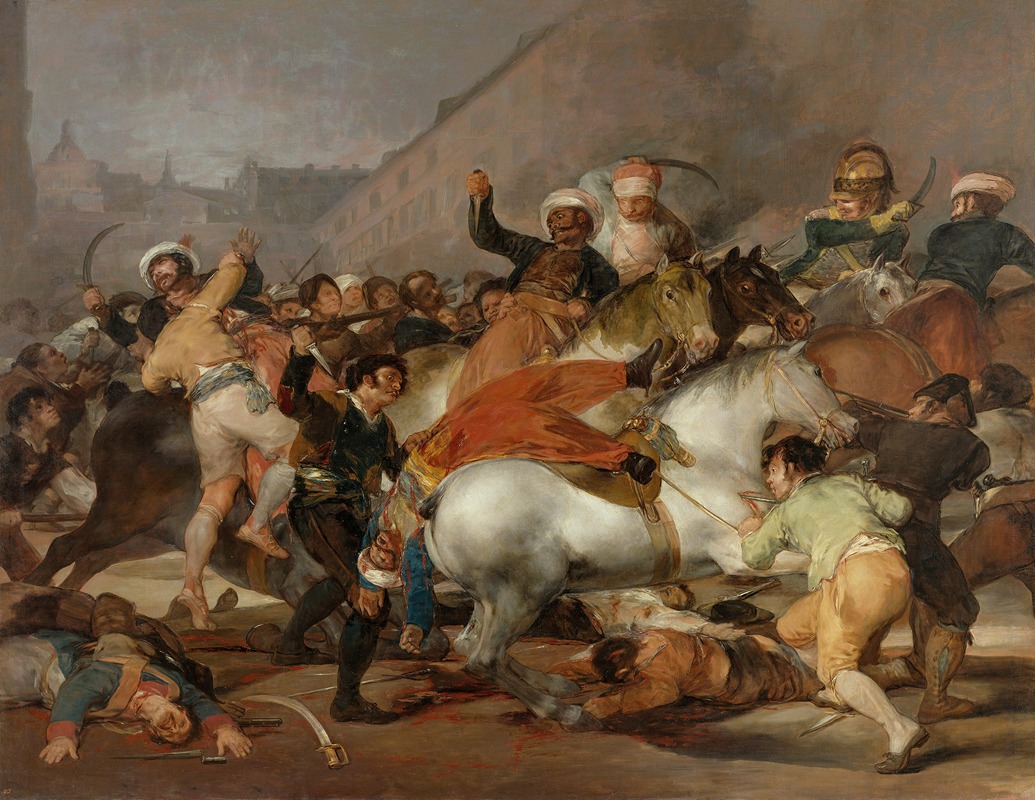
The Charge of the Mamelukes (1814)
Francisco de Goya