
St. John the Baptist in the desert — History & Facts
When Francisco de Zurbarán painted St. John the Baptist in the desert in 1650, he was at the height of his reputation as Seville’s most sought-after painter of religious visions. What makes this work particularly fascinating is that it belongs to a series of contemplative saints Zurbarán created in his later years, which were widely collected by Spanish monastic orders eager to inspire devotion through solitary, meditative figures.
Unlike many of his earlier commissions for grand altarpieces, this painting was likely intended for private reflection, a shift that mirrored both the changing tastes of his patrons and the growing influence of personal piety in mid-17th-century Spain. The canvas captures St. John the Baptist at a moment of profound stillness, alone in the wilderness. He is shown seated on a rocky outcrop, his gaze lowered in thought, the rough camel-hair garment and slender reed cross unmistakable symbols of his ascetic life and prophetic mission.
The lamb at his side, rendered with striking realism, alludes to John’s role as the herald of Christ—“Behold the Lamb of God”—while the barren landscape emphasizes his isolation and spiritual focus. Zurbarán’s use of stark light and deep shadow, a hallmark of the Baroque style, heightens the sense of interior drama, inviting comparison with Caravaggio’s more turbulent depictions of saints, though Zurbarán’s approach is quieter, more inward. The precise early history of this painting is uncertain, as records of its original commission have not survived. However, works of this type by Zurbarán were often acquired by monasteries or private collectors in Andalusia, reflecting the era’s appetite for images of solitary sanctity.
Over time, many of his paintings left Spain, carried away during the upheavals of the Napoleonic Wars or sold to foreign collectors in the 19th century. Today, St. John the Baptist in the desert stands as a testament to Zurbarán’s late style, marked by restraint and psychological depth, and remains an important example of Spanish religious painting from the golden age of the Baroque.
More Artworks by Francisco de Zurbarán
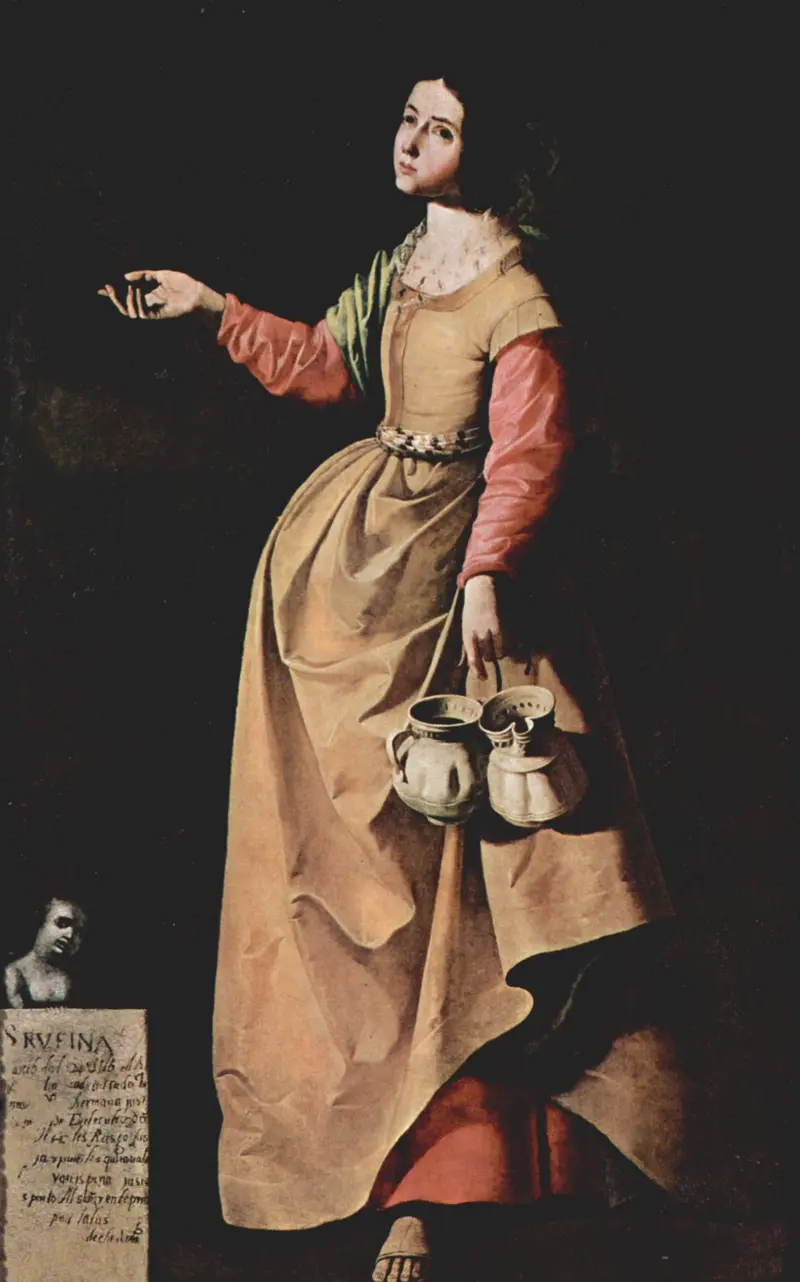
Saint Rufina
Francisco de Zurbarán
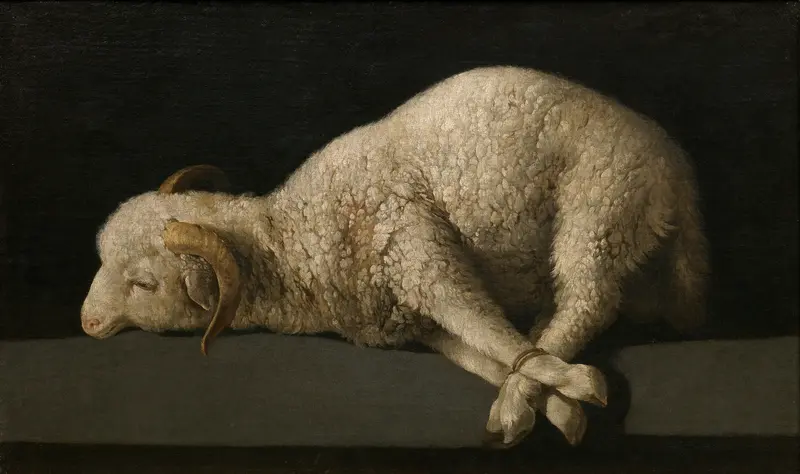
Agnus Dei
Francisco de Zurbarán
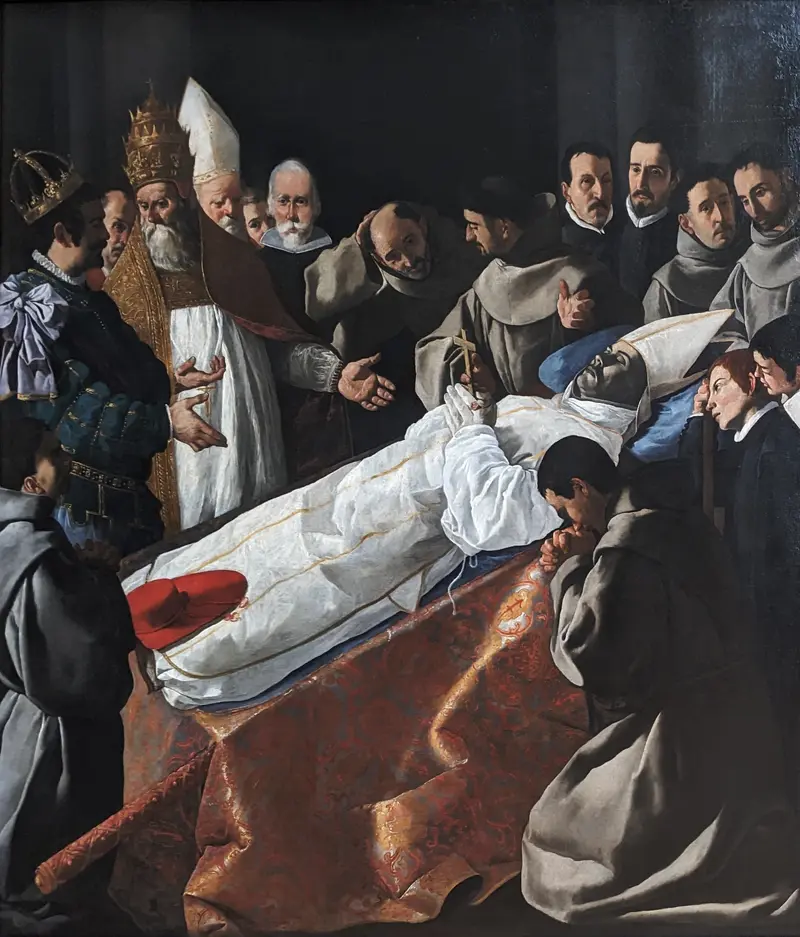
Saint Bonaventure's Body Lying in State
Francisco de Zurbarán
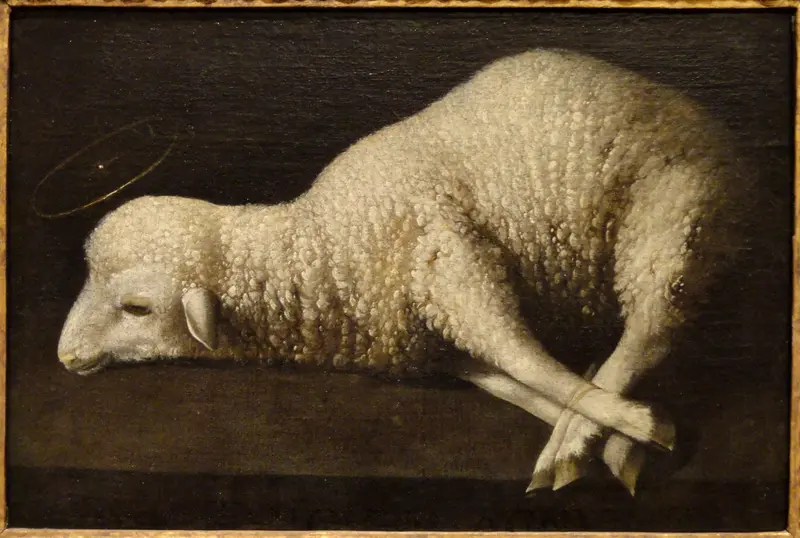
The Lamb of God
Francisco de Zurbarán

Adoration of the Magi
Francisco de Zurbarán
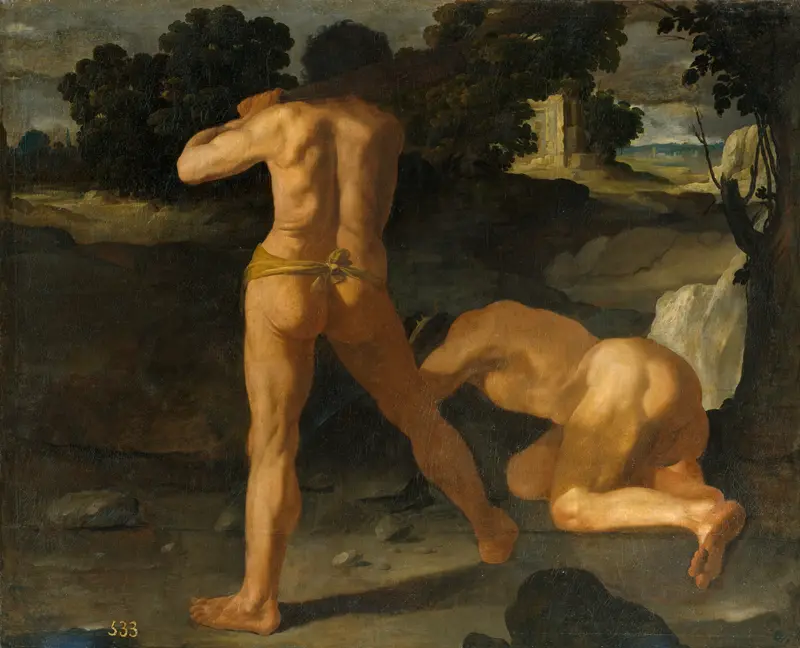
Hercules defeats King Geryon
Francisco de Zurbarán
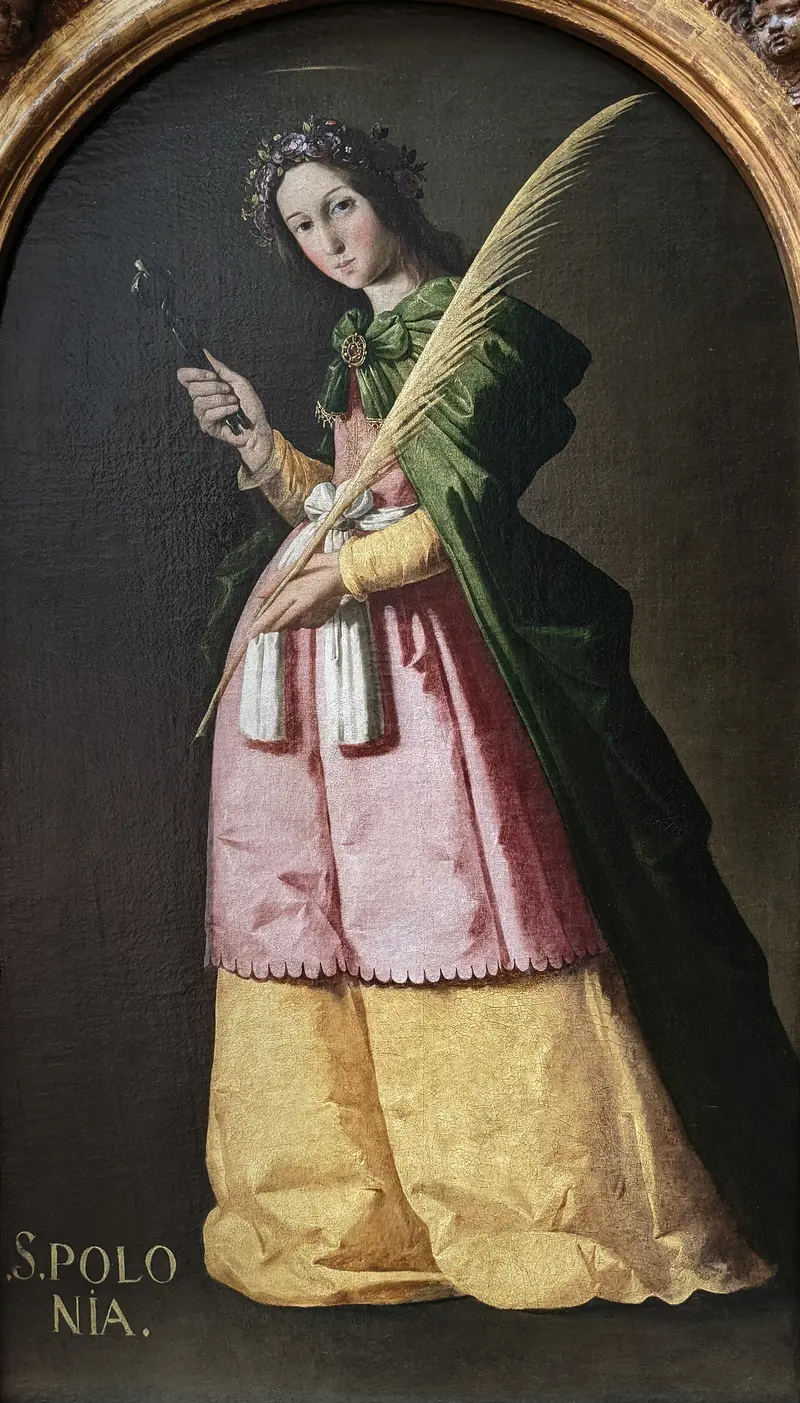
Saint Apollonia
Francisco de Zurbarán
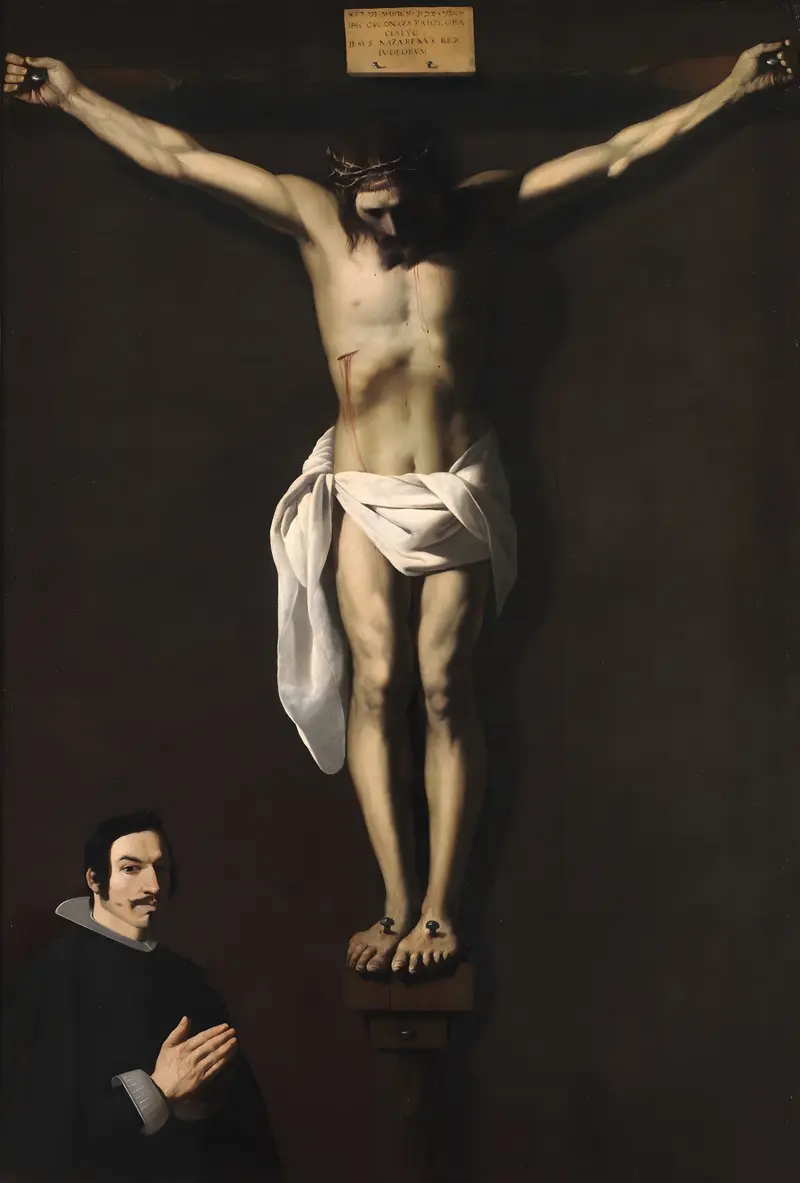
The Crucified Christ with a Donor
Francisco de Zurbarán
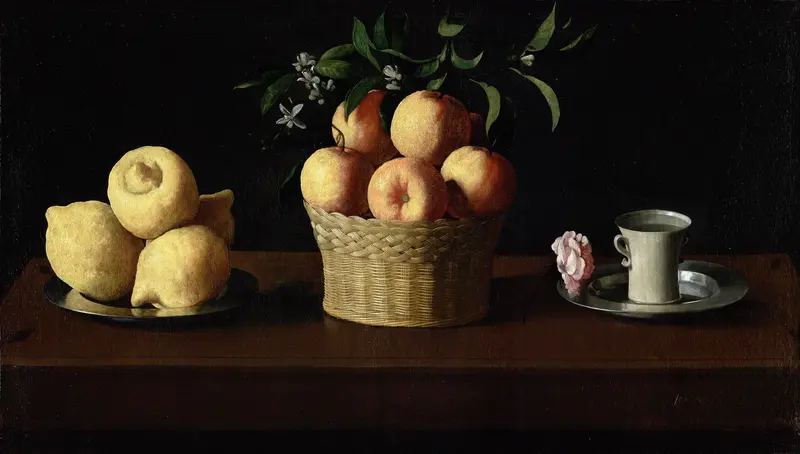
Still Life with Lemons, Oranges and a Rose
Francisco de Zurbarán
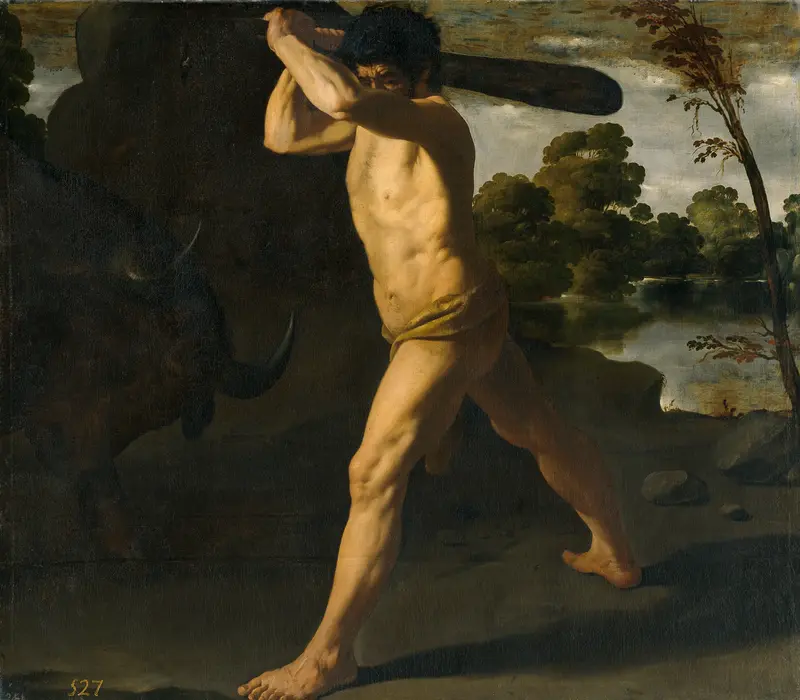
Hercules and the Cretan Bull
Francisco de Zurbarán





