
Stamboom van het Habsburgse huis, blad één — History & Facts
The intricate beauty of this work reflects the weight of legacy, where each branching line tells a story of lineage wrapped in both pride and sorrow. Look closely at the center, where the Habsburg coat of arms bursts forth, gilded and magnificent against a backdrop of muted earth tones. The careful detailing of the branches leads the eye outward, each name inscribed delicately, yet the overall composition feels heavy with the burden of history. Notice how the dark, almost somber hues contrast sharply with the lavish gold, creating a visual tension that speaks to the duality of nobility and grief. As you trace the meticulous lines, consider the silent narratives they unfold—each name a whisper of triumph and tragedy intertwined.
The artwork doesn’t merely celebrate lineage; it simultaneously mourns the loss of identity within it. The grappling with duty and the weight of expectation hovers like a shadow over the ornate beauty, suggesting that beneath the resplendence lies an undercurrent of longing and sorrow for lives lived under the constraints of heritage. Robert Péril worked on this piece between 1533 and 1535 during a period when the Habsburg family was solidifying their influence across Europe. At the height of the Renaissance, the artist was positioned within a vibrant artistic community in the Low Countries, while the political landscape was fraught with dynastic struggles.
This context imbued the artwork with a mixture of pride in familial heritage and the pain of historical burdens, revealing much about the era's complex relationship with legacy.
More Artworks by Robert Péril
Browse all →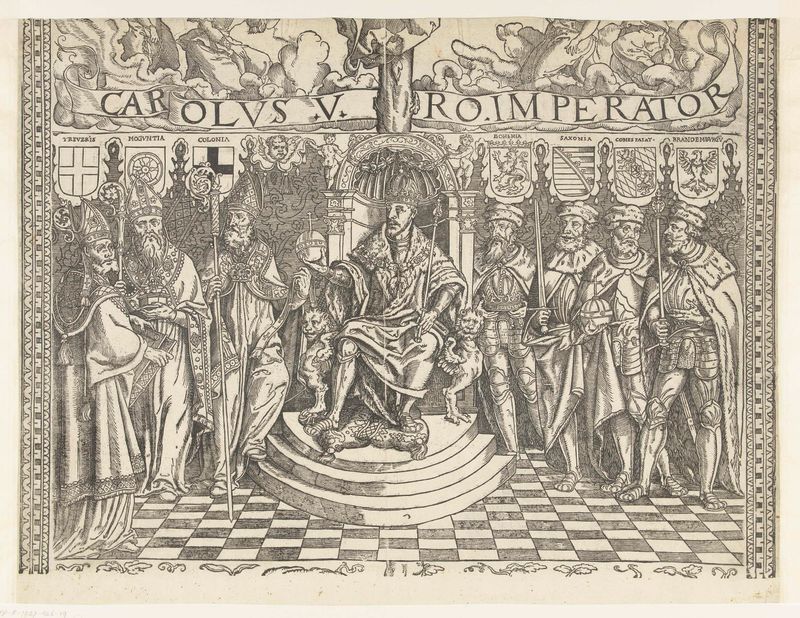
Stamboom van het Habsburgse huis, blad negentien
Robert Péril
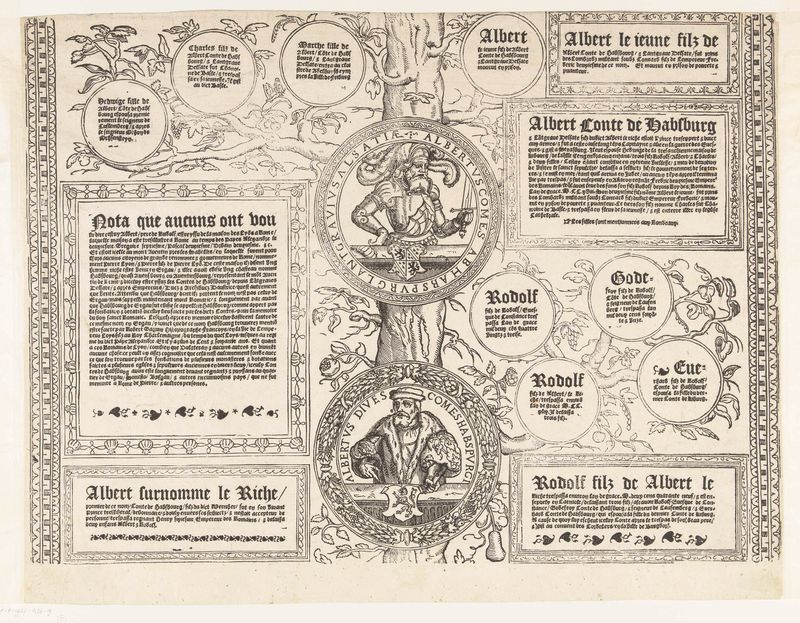
Stamboom van het Habsburgse huis, blad negen
Robert Péril

Stamboom van het Habsburgse huis, blad vijftien
Robert Péril
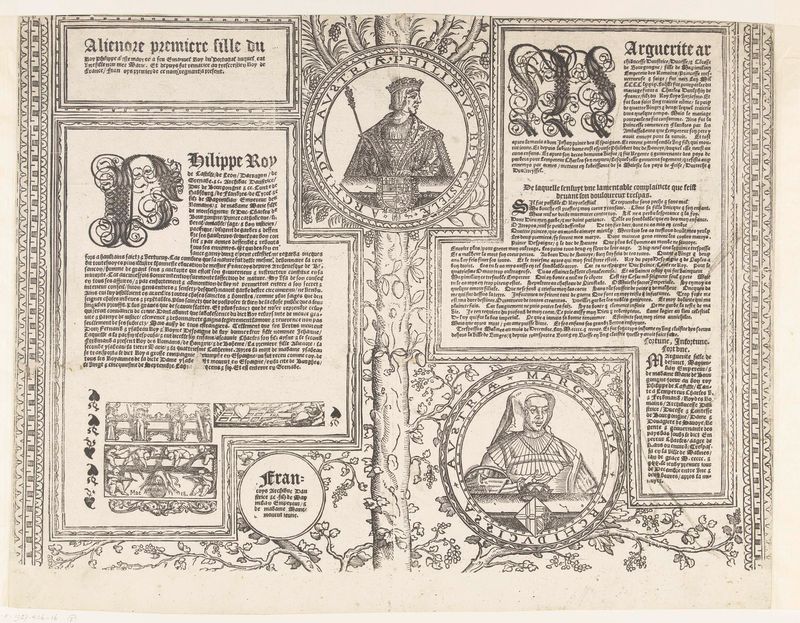
Stamboom van het Habsburgse huis, blad zestien
Robert Péril
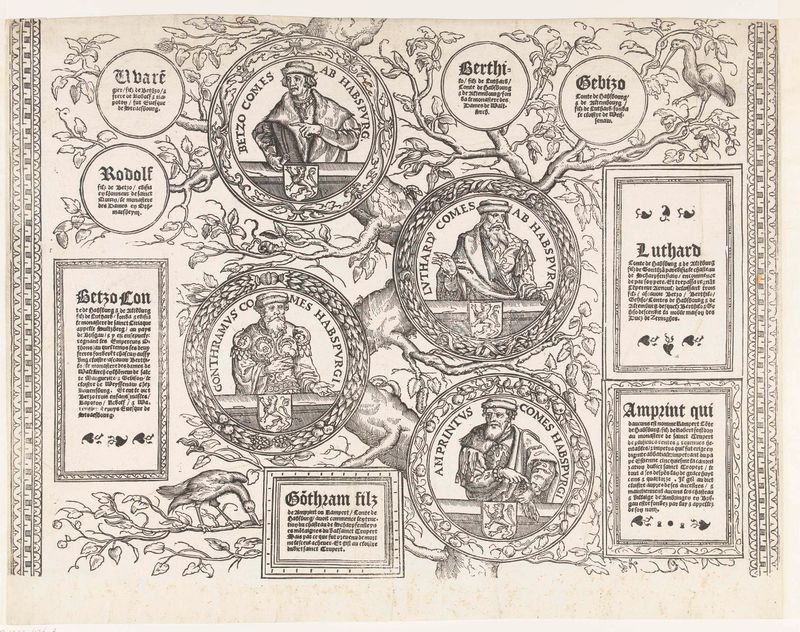
Stamboom van het Habsburgse huis, blad zeven
Robert Péril
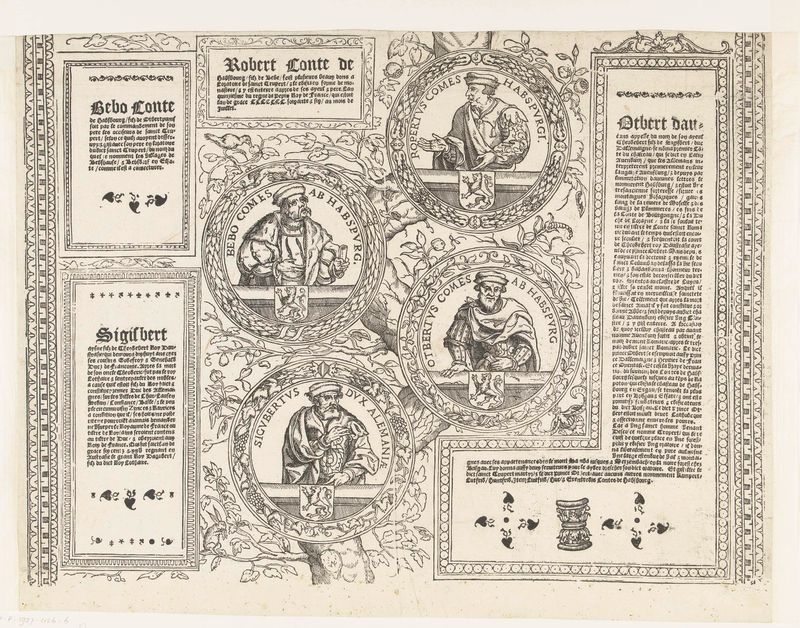
Stamboom van het Habsburgse huis, blad zes
Robert Péril
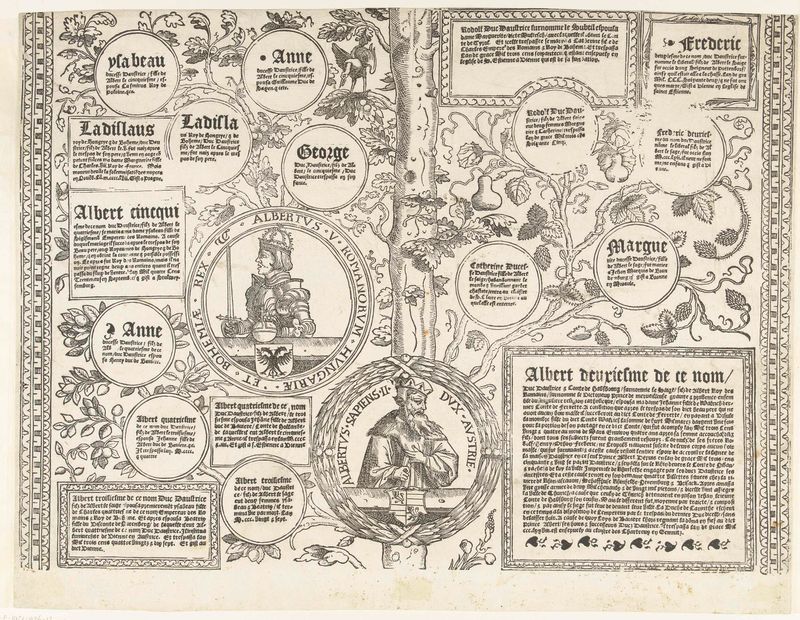
Stamboom van het Habsburgse huis, blad twaalf
Robert Péril
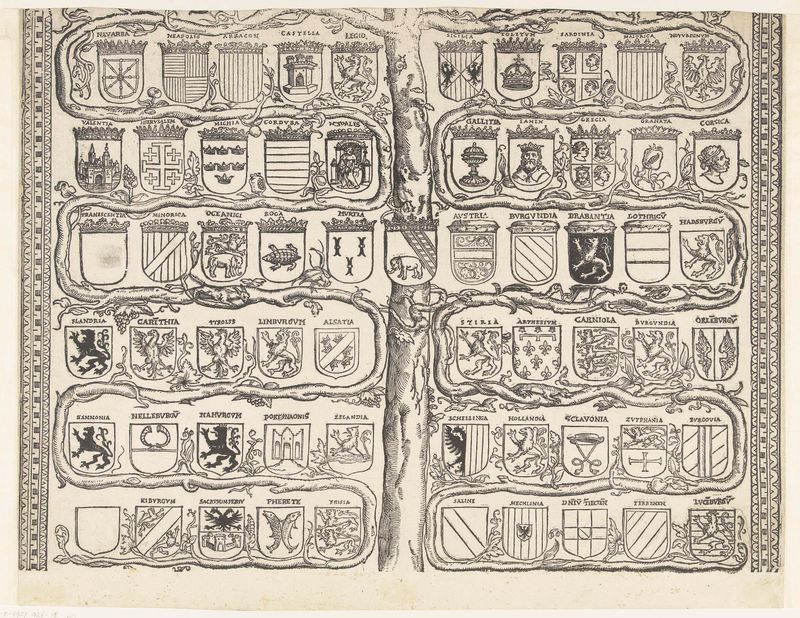
Stamboom van het Habsburgse huis, blad achttien
Robert Péril

Stamboom van het Habsburgse Huis, blad drie
Robert Péril

Stamboom van het Habsburgse huis, blad dertien
Robert Péril
More Historical Art
Browse all →
The Night Watch Militia Company of District II under the Command of Captain Frans Banninck Cocq
Rembrandt van Rijn
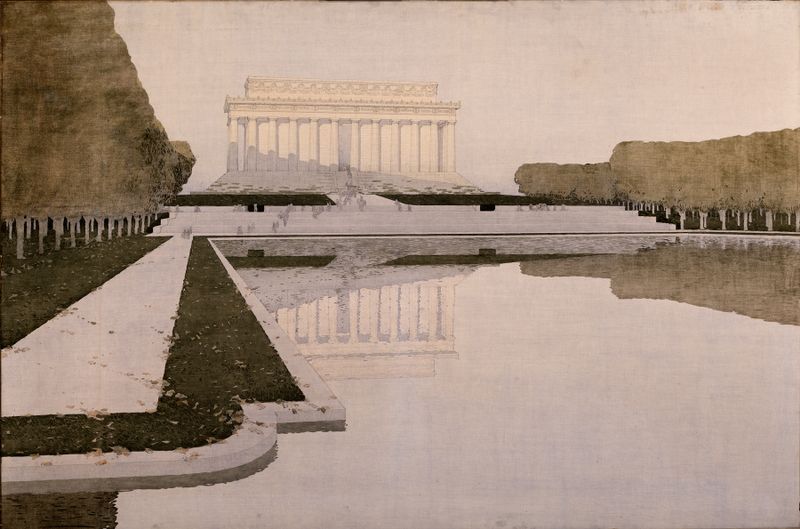
Lincoln Memorial
Henry Bacon
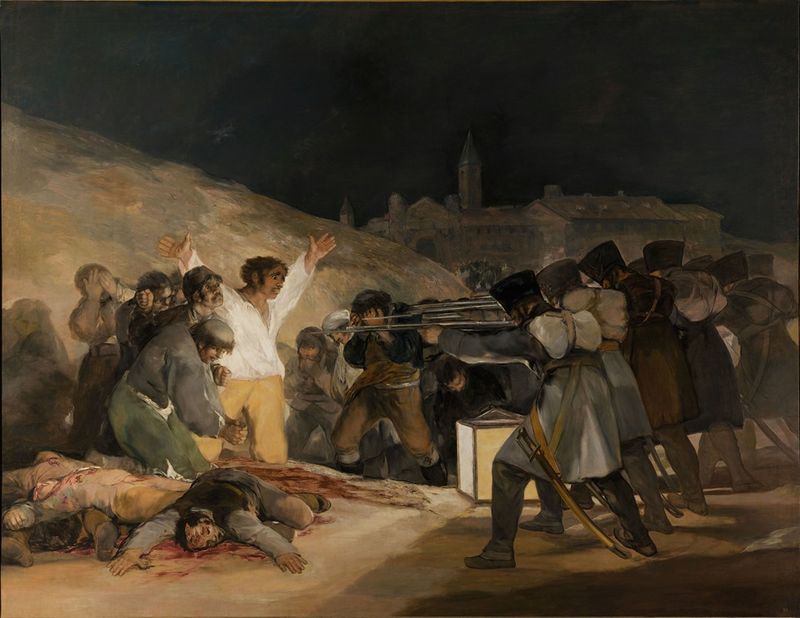
The Third of May 1808
Francisco de Goya

Isaac and Rebecca, Known as ‘The Jewish Bride’
Rembrandt van Rijn
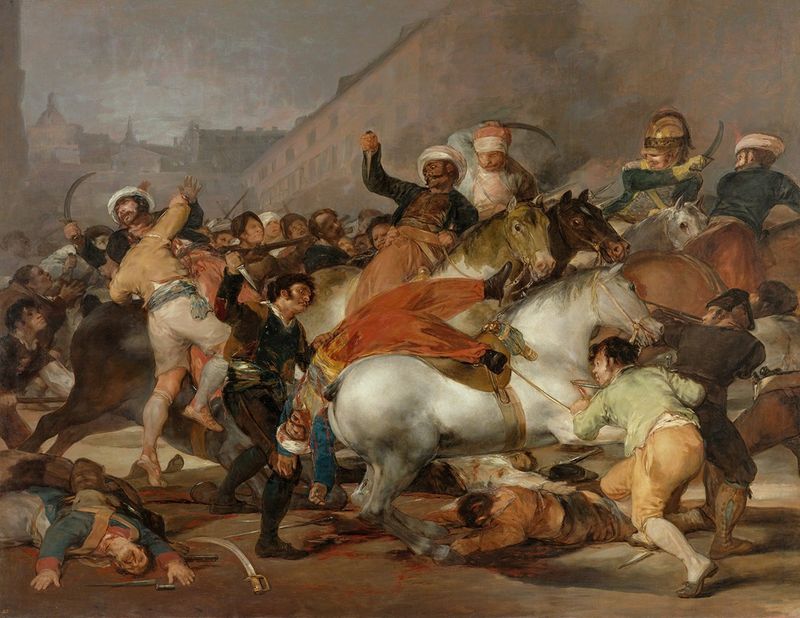
The Charge of the Mamelukes (1814)
Francisco de Goya

De vier ruiters van de apocalyps
Albrecht Dürer