
Stamboom van het Habsburgse huis, blad tien — History & Facts
What if silence could speak through light? The delicate lines and muted tones conspire to evoke a profound sense of melancholy, inviting us to contemplate the legacies we inherit. Look to the left at the intricate tree branches unfurling from the central stem, each limb adorned with the names and coats of arms of Habsburg lineage. The subtle earth tones breathe life into the parchment, where the soft light catches the edges, revealing the painstaking detail of the calligraphy. Notice how the muted greens and browns shift in hue, echoing the fading glory of a once-mighty dynasty, as if whispering secrets of time lost. Hidden within this structured genealogy lies the weight of history, contrasting the vibrancy of familial pride with the inevitable decay of power.
The carefully drawn symbols speak not only of lineage but of the tension between legacy and the passage of time. Each name etched into the paper represents both continuity and fragility, a reminder that greatness can be as fleeting as the flicker of a candle in darkened halls. Created between 1533 and 1535, this piece emerged during a period of both artistic innovation and political turbulence in Europe. Robert Péril, a lesser-known yet skilled artist of the time, was influenced by the intricate styles of the Renaissance and the demands of noble patrons seeking to solidify their power through visual representation.
The work reflects not only the Habsburg family’s complex lineage but also the broader themes of identity and legacy that were pertinent in an era marked by shifting allegiances and the dawning of a new artistic sensibility.
More Artworks by Robert Péril
Browse all →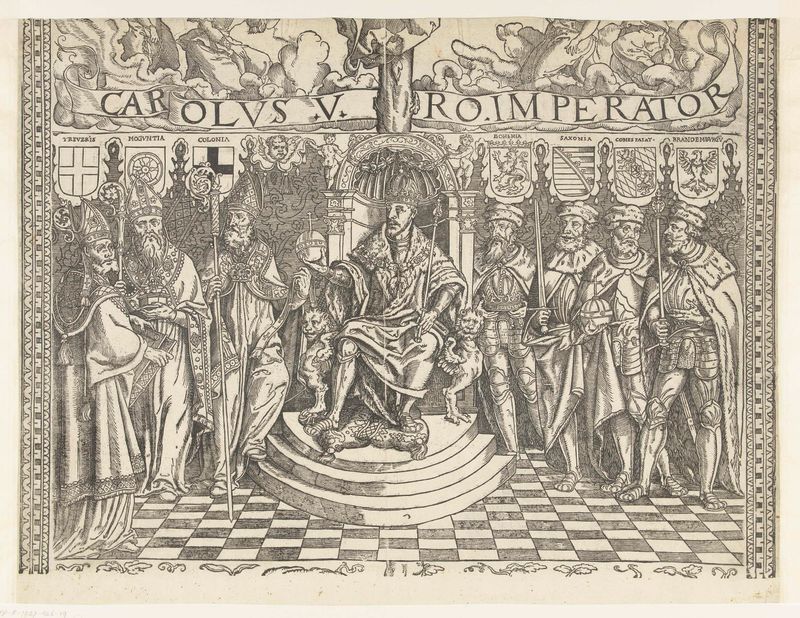
Stamboom van het Habsburgse huis, blad negentien
Robert Péril
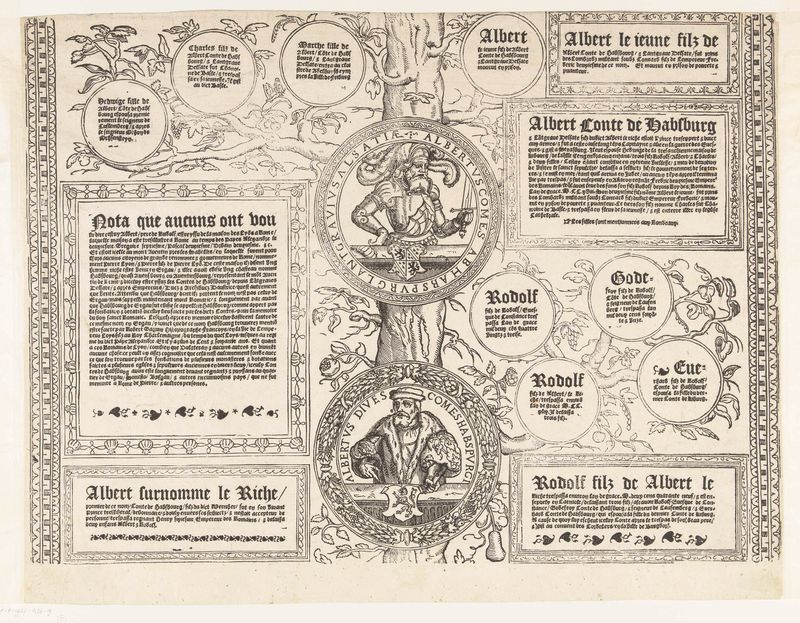
Stamboom van het Habsburgse huis, blad negen
Robert Péril

Stamboom van het Habsburgse huis, blad vijftien
Robert Péril
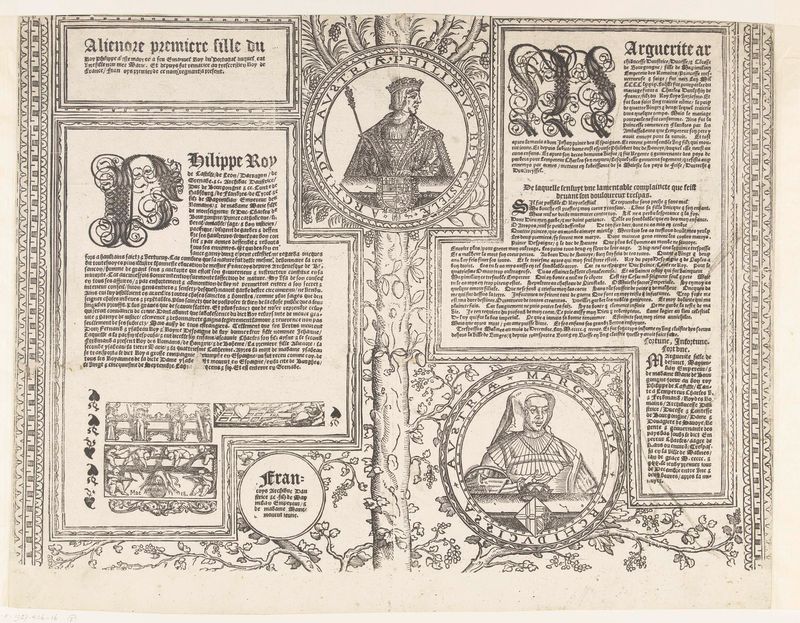
Stamboom van het Habsburgse huis, blad zestien
Robert Péril
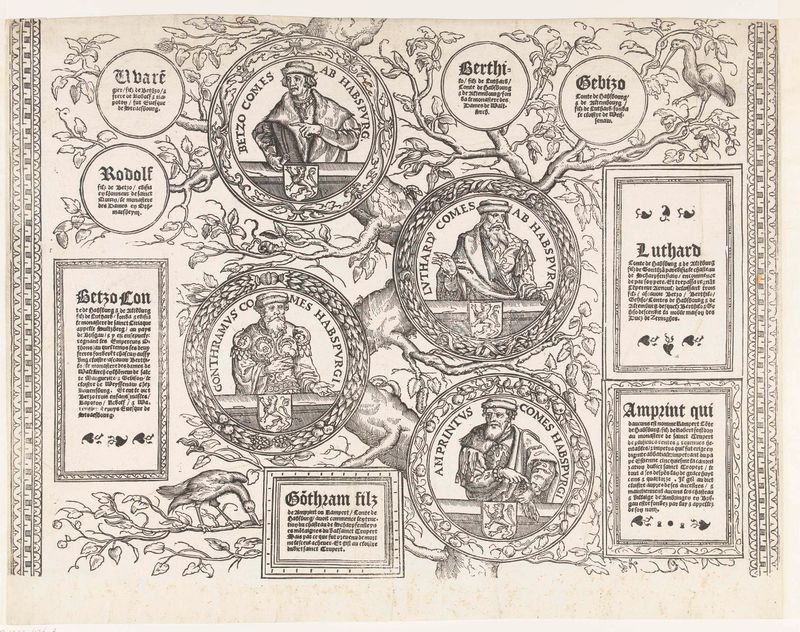
Stamboom van het Habsburgse huis, blad zeven
Robert Péril
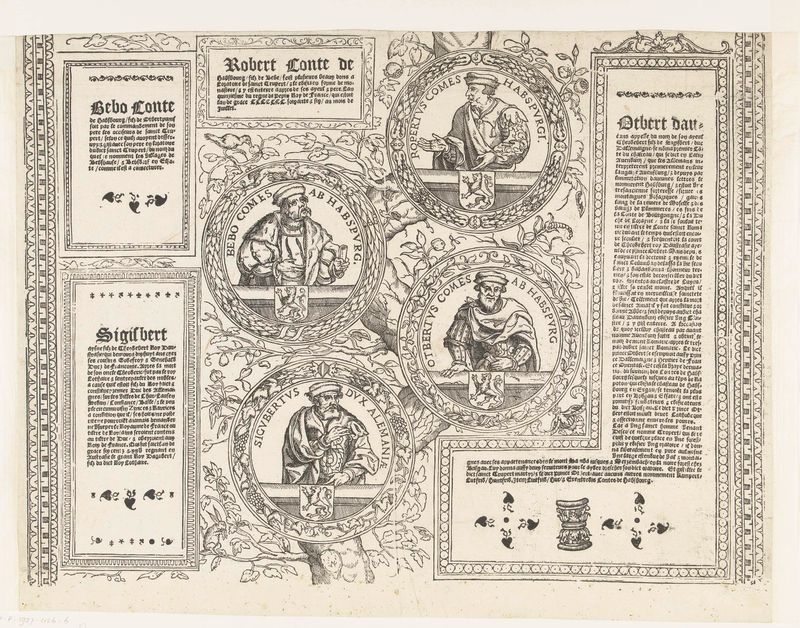
Stamboom van het Habsburgse huis, blad zes
Robert Péril
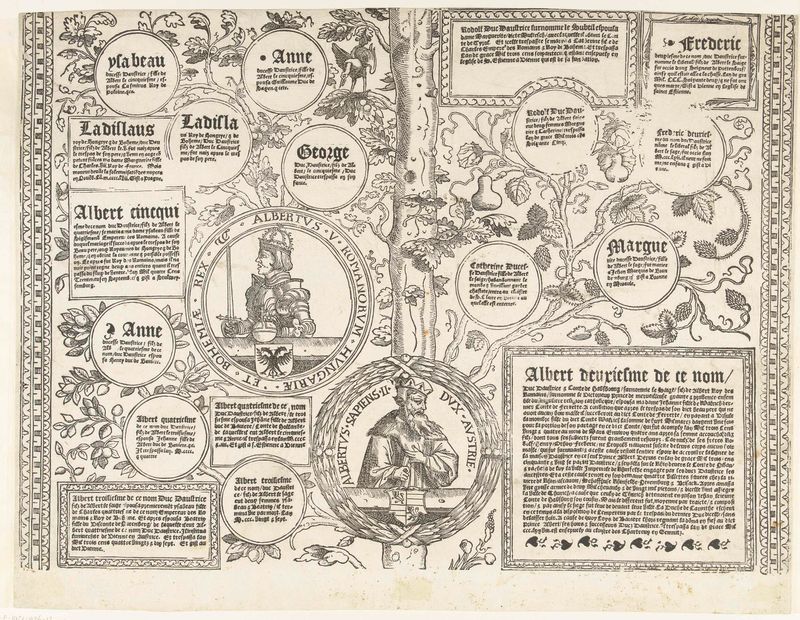
Stamboom van het Habsburgse huis, blad twaalf
Robert Péril
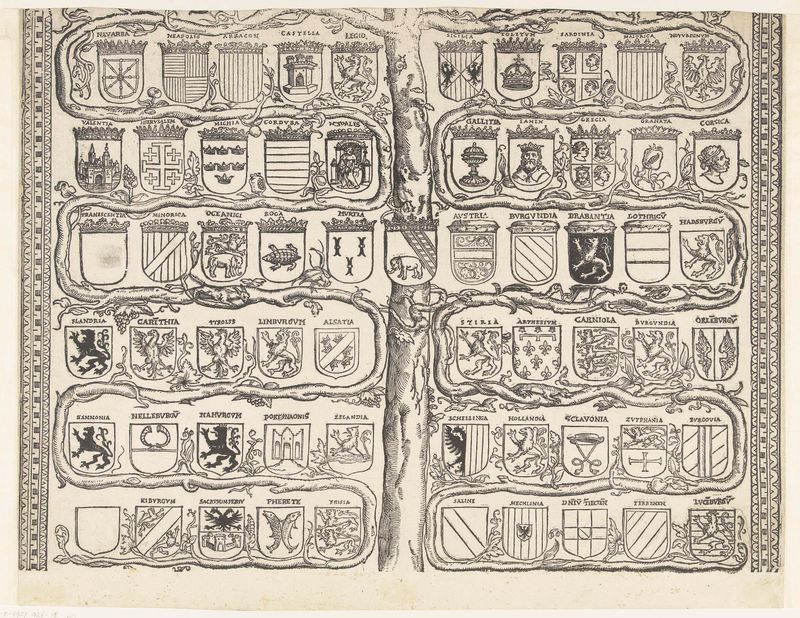
Stamboom van het Habsburgse huis, blad achttien
Robert Péril

Stamboom van het Habsburgse Huis, blad drie
Robert Péril

Stamboom van het Habsburgse huis, blad dertien
Robert Péril
More Historical Art
Browse all →
The Night Watch Militia Company of District II under the Command of Captain Frans Banninck Cocq
Rembrandt van Rijn

Lincoln Memorial
Henry Bacon

The Third of May 1808
Francisco de Goya

Isaac and Rebecca, Known as ‘The Jewish Bride’
Rembrandt van Rijn

The Charge of the Mamelukes (1814)
Francisco de Goya

De vier ruiters van de apocalyps
Albrecht Dürer