Standing Nude — History & Facts
Few works by Jules Schmalzigaug have sparked as much curiosity as Standing Nude, not least because its date and medium remain unknown, adding a layer of mystery to its already enigmatic presence. The painting’s anonymity in these basic details stands in stark contrast to the artist’s documented involvement with the Futurist movement in Italy before World War I, making this piece a rare and intriguing outlier. Scholars have long debated whether Standing Nude belongs to Schmalzigaug’s Italian period or his later years in Antwerp, as its style seems to hover between the energetic fragmentation of Futurism and the more contemplative mood of his later works.
The lack of archival records or exhibition catalogues mentioning the piece only deepens the puzzle. The figure in Standing Nude is captured at a moment of stillness, her body elongated and subtly contorted, as if caught between movement and repose. The artist’s use of line—fluid yet angular—suggests both vulnerability and strength, while the muted palette draws the viewer’s attention to the play of light across bare skin. Unlike the overt dynamism of Schmalzigaug’s Futurist compositions, here the energy is internalized, focused on the tension within the pose itself.
The model’s downward gaze and the absence of any background detail create an atmosphere of introspection, inviting comparison with the nudes of Amedeo Modigliani, though Schmalzigaug’s approach is less about sensuality and more about psychological presence. As with much of Schmalzigaug’s oeuvre, the provenance of Standing Nude is uncertain. It is not listed in early inventories of his work, nor does it appear in the records of the major exhibitions that featured his paintings in Antwerp and The Hague. Some art historians speculate that it may have remained in a private collection for decades, only surfacing in recent years as interest in Schmalzigaug’s legacy has grown.
Today, the painting’s whereabouts are known only through digital reproductions and exhibition catalogues, making it a tantalizing fragment of a career cut short by the artist’s early death in 1917. Its ambiguous status and haunting presence continue to invite both admiration and speculation.
More Artworks by Jules Schmalzigaug

A View of Scheveningen
Jules Schmalzigaug
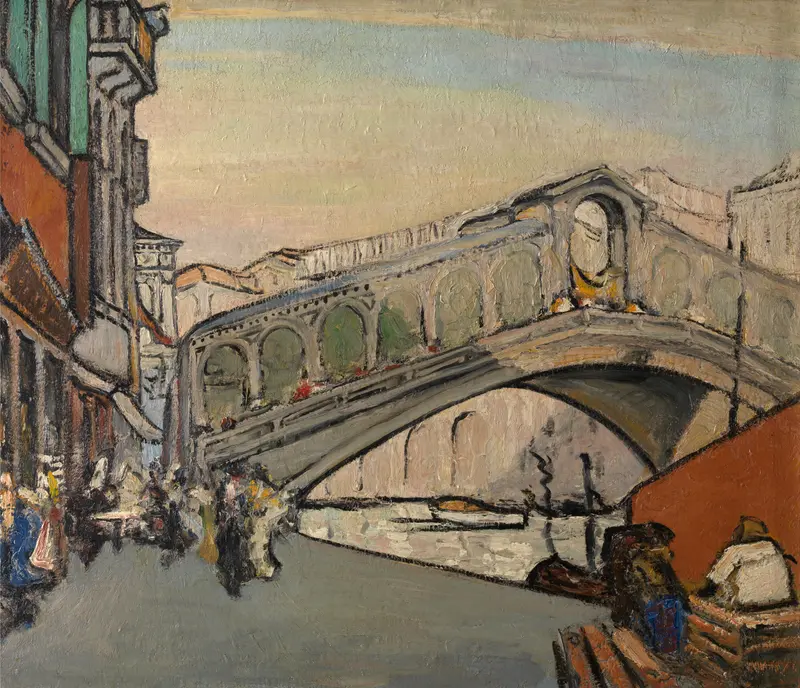
The Rialto Bridge in Venice
Jules Schmalzigaug

Abstract Bouquet
Jules Schmalzigaug
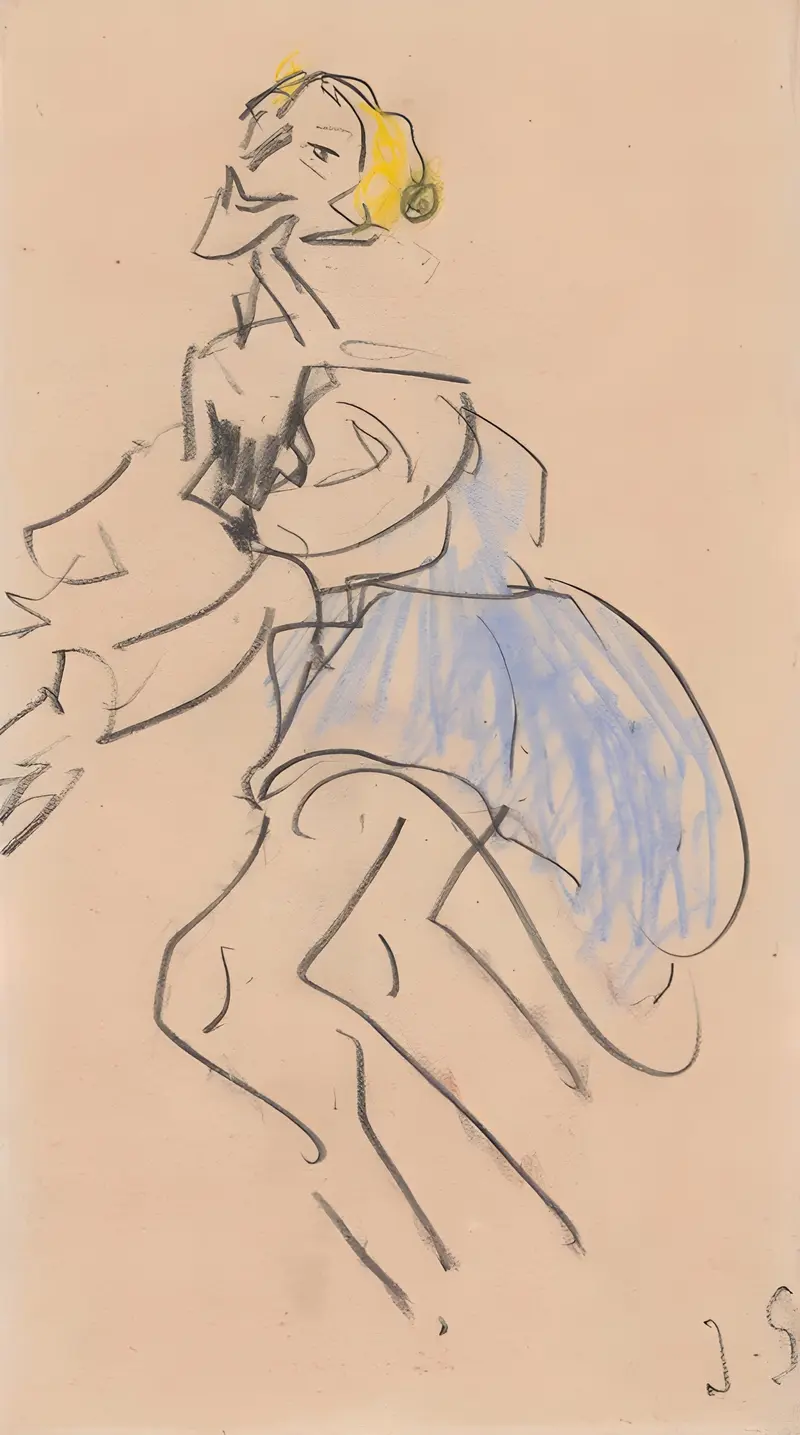
Dancer
Jules Schmalzigaug
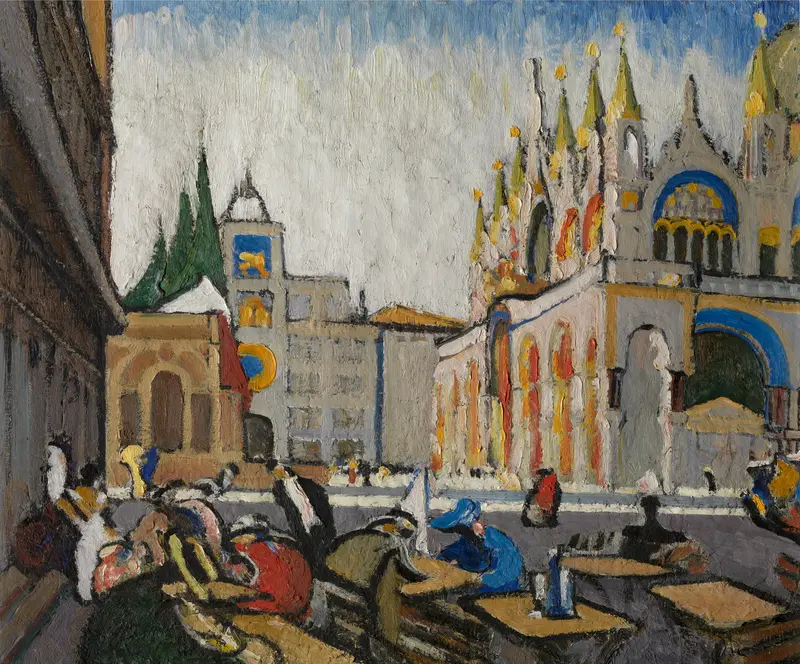
San Marco from the Piazetta
Jules Schmalzigaug
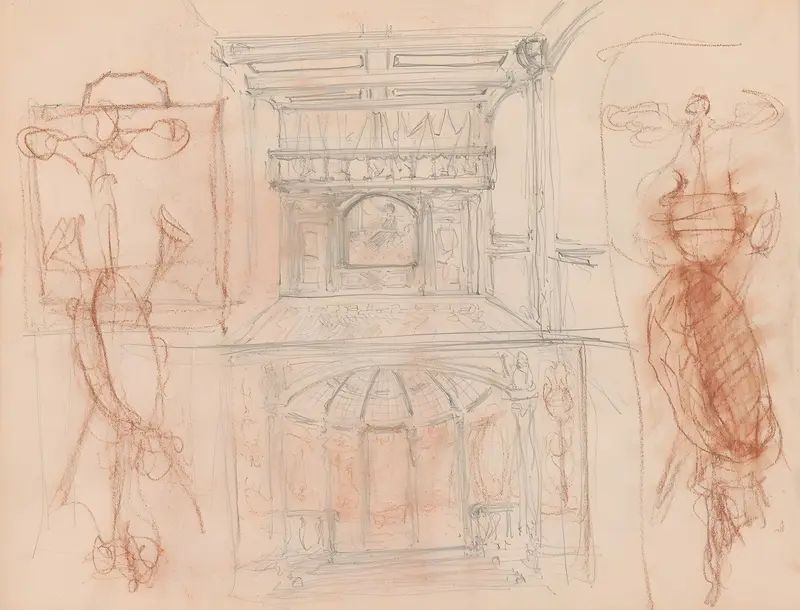
Architectural Elements
Jules Schmalzigaug
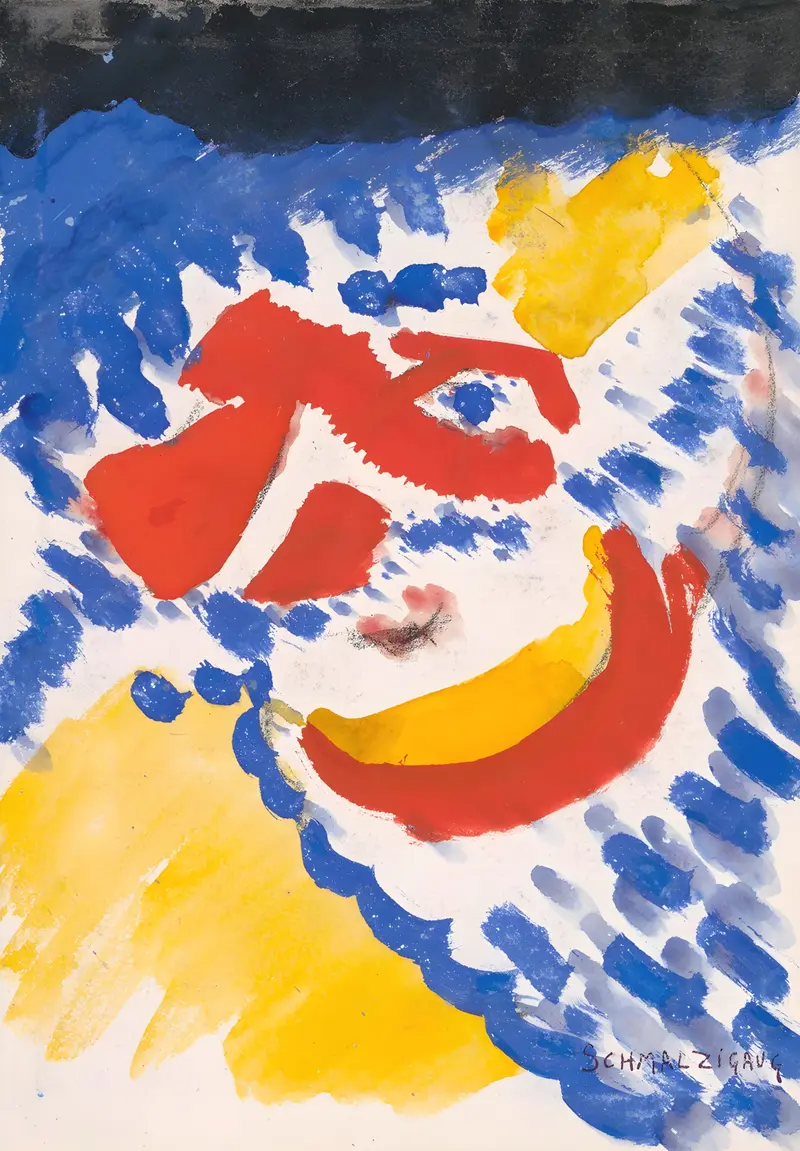
Blue, Red and Yellow Figures
Jules Schmalzigaug
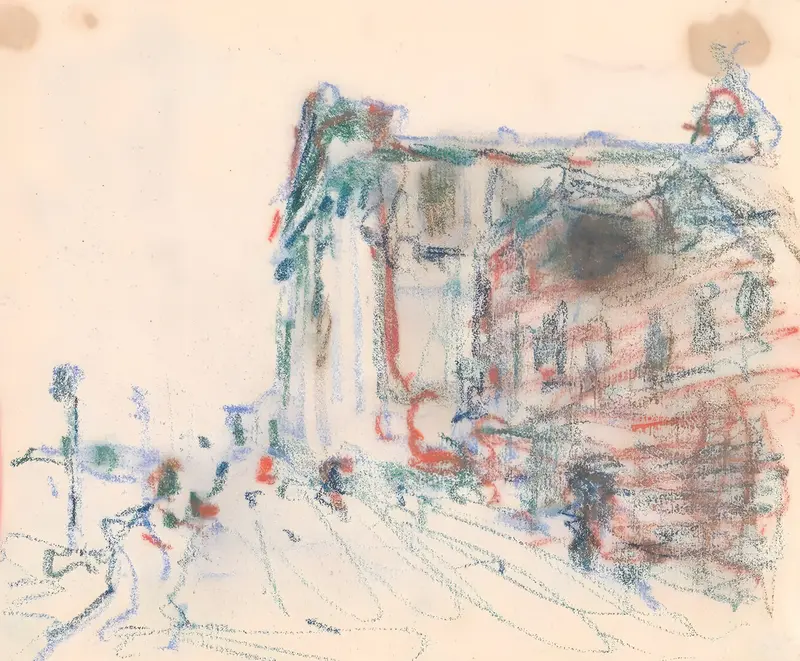
Chiesa dei Gesuati in Venice
Jules Schmalzigaug
Café-chantant
Jules Schmalzigaug
Backyard
Jules Schmalzigaug