
Steamer, Port of Algiers — History & Facts
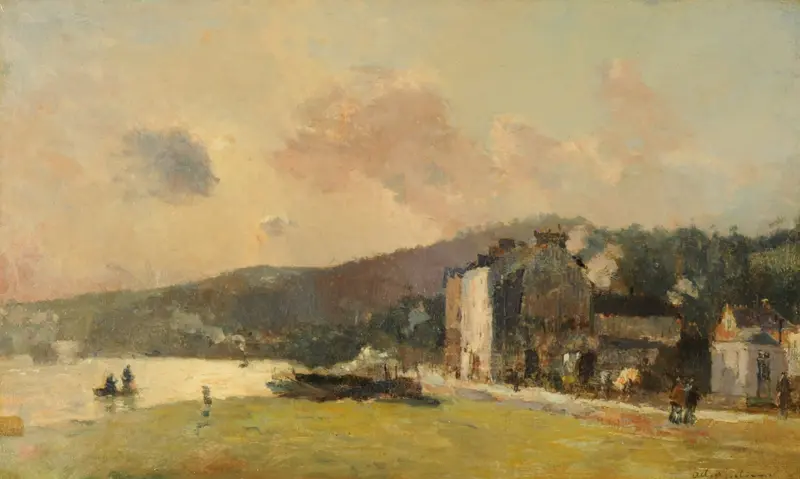
A haze of sunlit vapor and the shimmer of water pull the viewer straight into the restless energy of a Mediterranean port. The steamer, anchored at the quay, is rendered with swift, confident strokes, its hull dark against the luminous water, while flags flutter at the mastheads—a signal of commerce, connection, and the ceaseless movement of goods and people. The artist’s brushwork is loose and immediate, with the sky and smoke blending in a mosaic of pastel blues and rose, giving the sense of a moment seized rather than staged.
Reflections ripple across the harbor, dissolving the boundary between ship and sea, and the low horizon grants the sky a commanding presence, dwarfing the human enterprise below. This is a painting alive with the pulse of a port city, where the industrial age meets the ancient rhythms of the Mediterranean. Works like Steamer, Port of Algiers by Albert Charles Lebourg belong to a period when artists were captivated by the changing face of the modern world—steamships, bustling harbors, and the play of light on water. In the era of 1863–1874, painters across Europe, especially those influenced by the Impressionists, sought to capture fleeting effects and the energy of contemporary life.
The port of Algiers, a crossroads of cultures under French colonial rule, was a favorite subject for artists drawn to its light and cosmopolitan bustle. History has kept few traces of this specific painting’s journey, but its presence in a modern collection reminds us how such scenes were once the very image of progress and promise. Let your eye linger on the brushwork—the world it conjures is both distant and immediate, as fresh as the morning it records.
More Artworks by Albert Charles Lebourg

Le Jardin du Docteur Viau
Albert Charles Lebourg
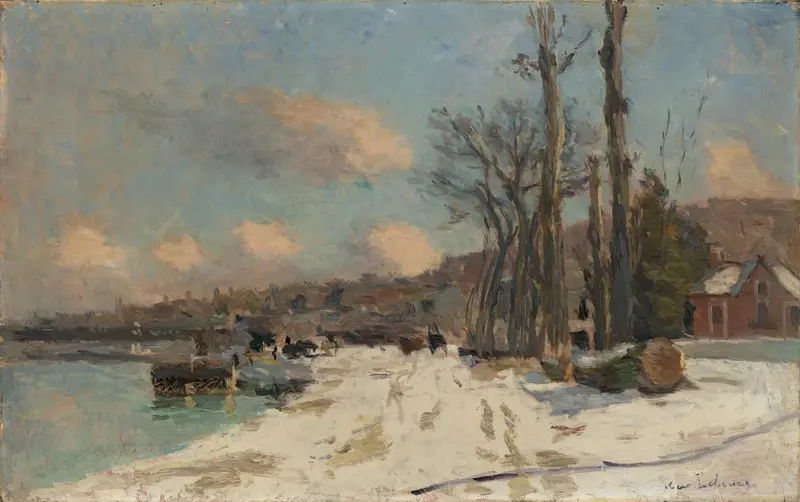
Snow Scene at Bougival
Albert Charles Lebourg
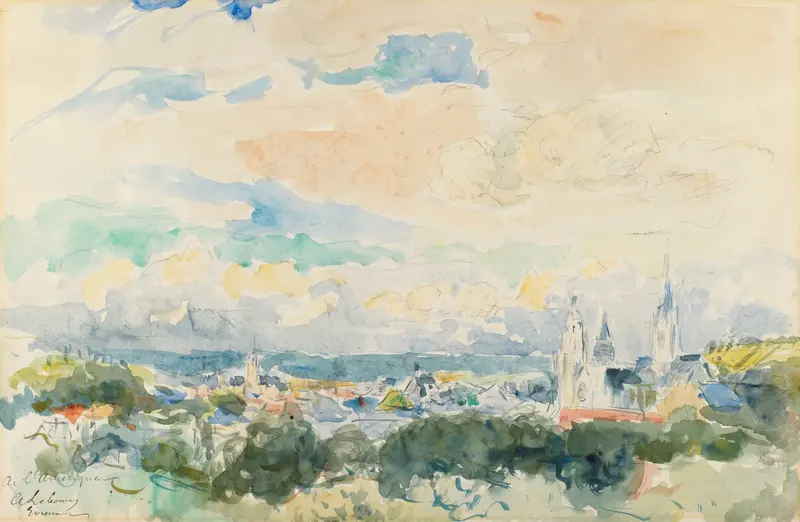
Sketch of a Village
Albert Charles Lebourg
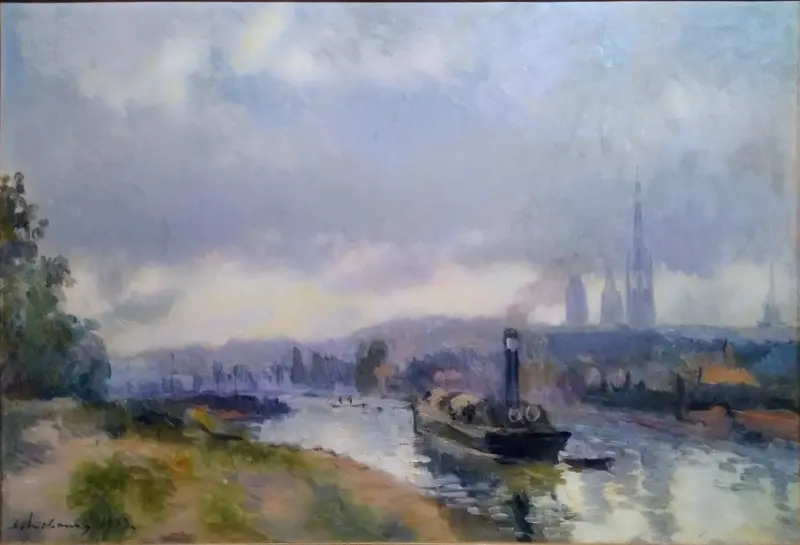
Remorqueurs à Rouen
Albert Charles Lebourg
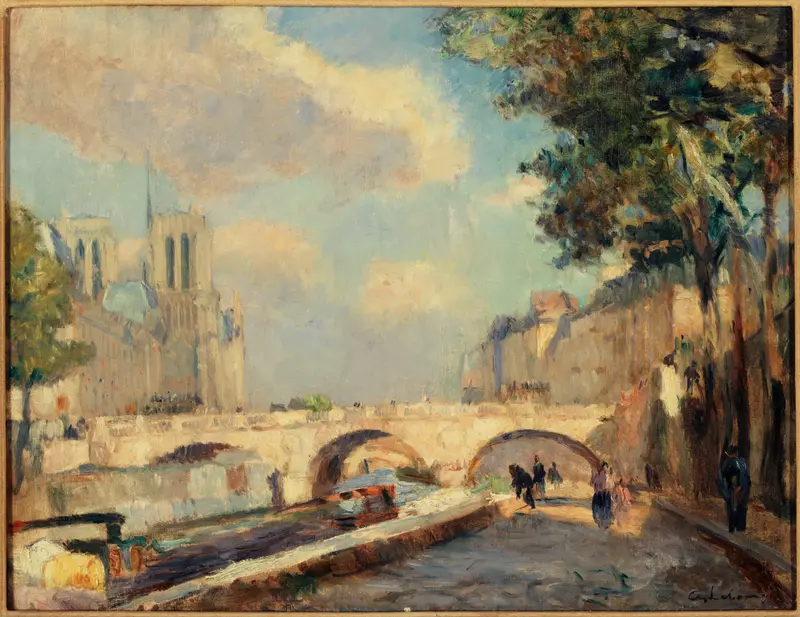
Le pont Saint Michel et Notre Dame, vus du quai des Grands Augustins P459 Musée Carnavalet
Albert Charles Lebourg
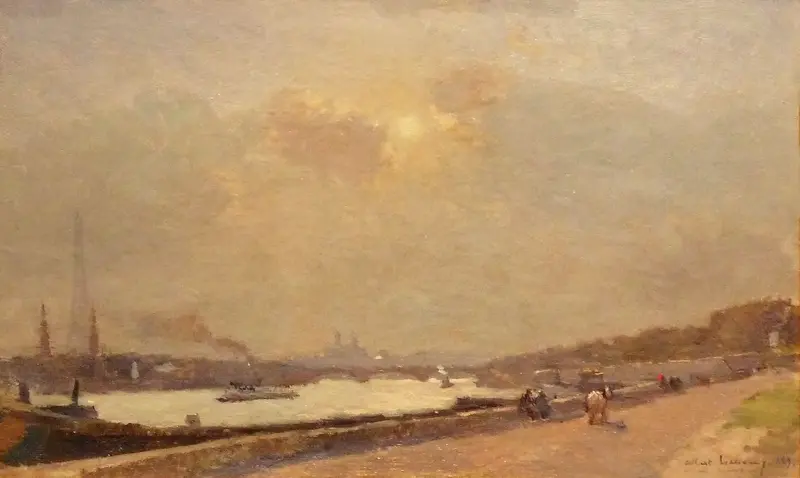
Banks of the Seine, Cours La Reine
Albert Charles Lebourg
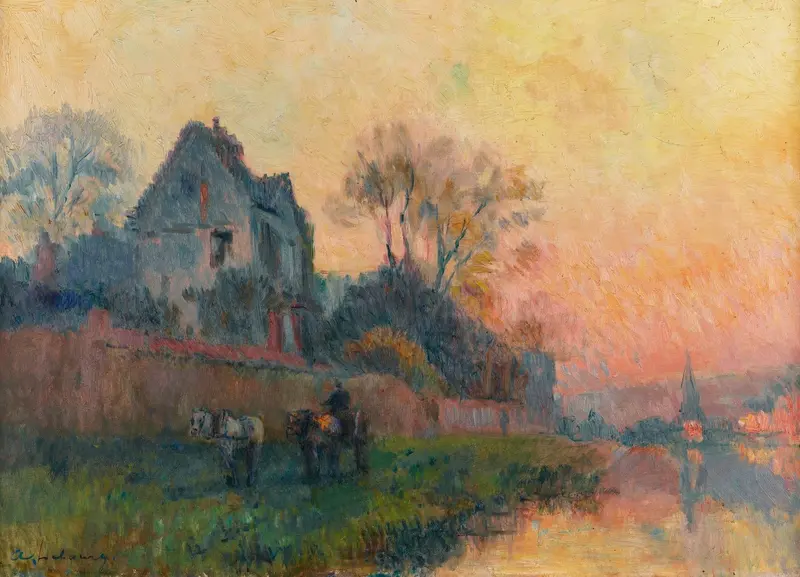
Bords de Seine à Chatou, oil on canvas, 46.4 by 65.1cm, 18.25 by 25.6 in
Albert Charles Lebourg
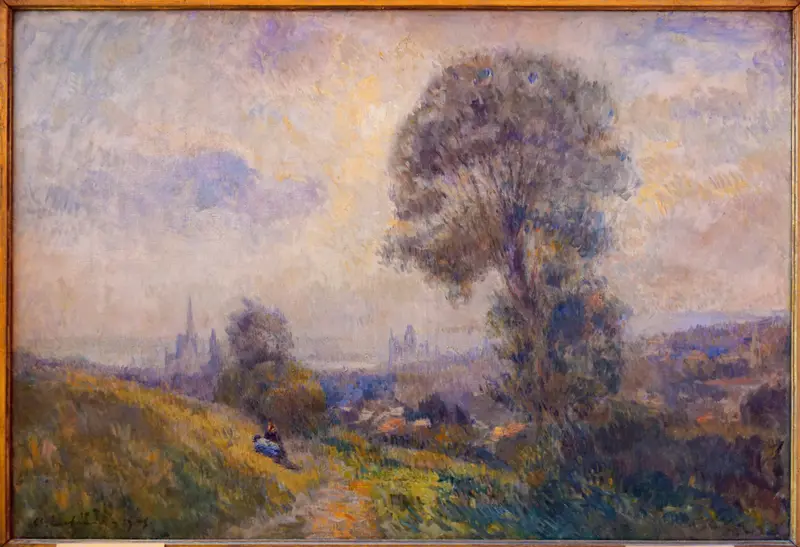
Camaret. The Harbor During a Thunderstorm
Albert Charles Lebourg
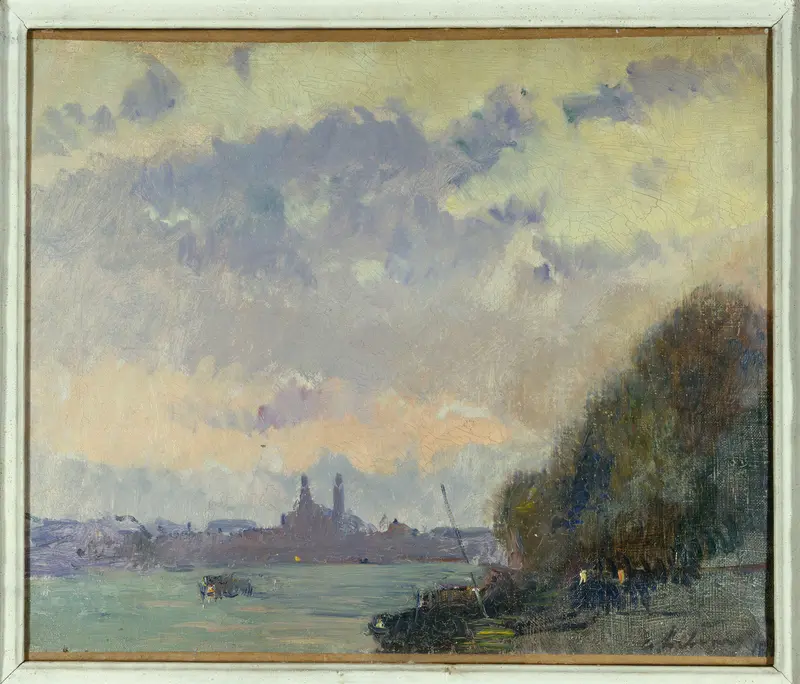
La Seine et l'ancien Trocadéro P2269 Musée Carnavalet
Albert Charles Lebourg
La Seine à Croisset, près de Rouen
Albert Charles Lebourg





