
Stellingham Church — History & Facts
What if silence could speak through light? In Stellingham Church, the quietude of the scene whispers tales of reverence and introspection, beckoning the viewer to listen closely. Look to the left at the sturdy, weathered stones of the church, their textured surfaces catching the early morning light. The soft palette of greens and browns envelops the ancient structure, while a delicate mist swirls around its base, creating a dreamlike atmosphere. Notice how the luminous sky, washed in gentle hues of dawn, contrasts with the solidity of the church, suggesting a profound sense of peace amidst earthly turmoil.
Girtin’s watercolor technique breathes life into the landscape, allowing the viewer to feel the stillness. Beneath the beauty lies a tension between the enduring faith represented by the church and the ephemeral nature of the world around it. The ethereal mist hints at transitions—perhaps a metaphor for the impending changes of the late 18th century, as revolution stirred in the hearts and minds of people. The church, a steadfast symbol, stands alone yet surrounded by a vast, shifting landscape, inviting reflections on permanence and fragility. In the late 1790s, Girtin was deeply influenced by the Romantic movement, capturing the sublime beauty of nature while grappling with the social upheavals of his time.
Living in England during an era of political revolution, he sought to transcend reality through his art, merging emotional depth with landscape. Stellingham Church emerged from this nexus of inspiration, showcasing his innovative use of watercolor and cementing his legacy as a pioneer of the medium.
More Artworks by Thomas Girtin
Browse all →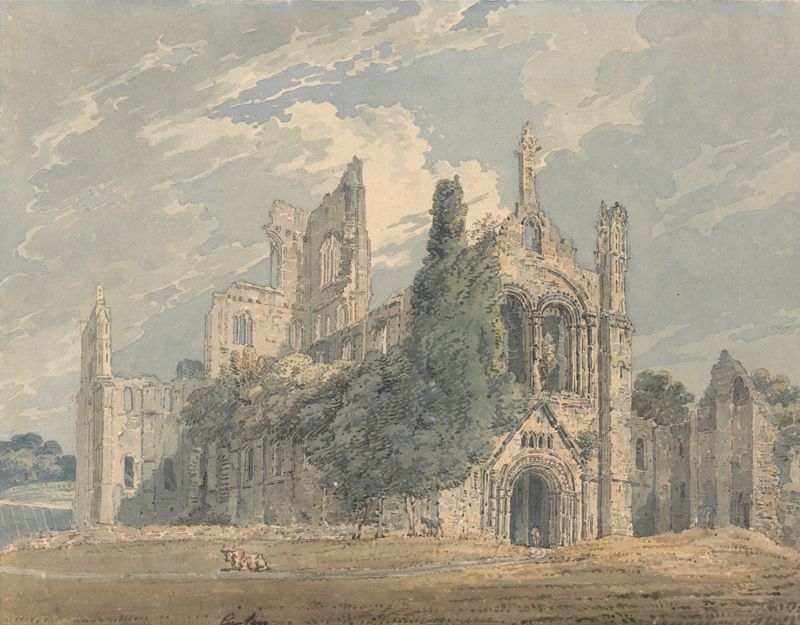
Kirkstall Abbey from the N.W.
Thomas Girtin
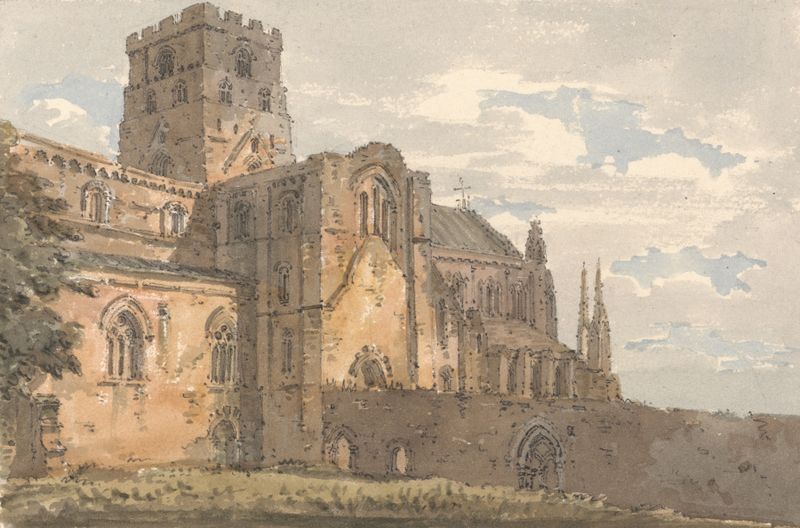
Carlisle Cathedral, Cumberland, from the South-west
Thomas Girtin
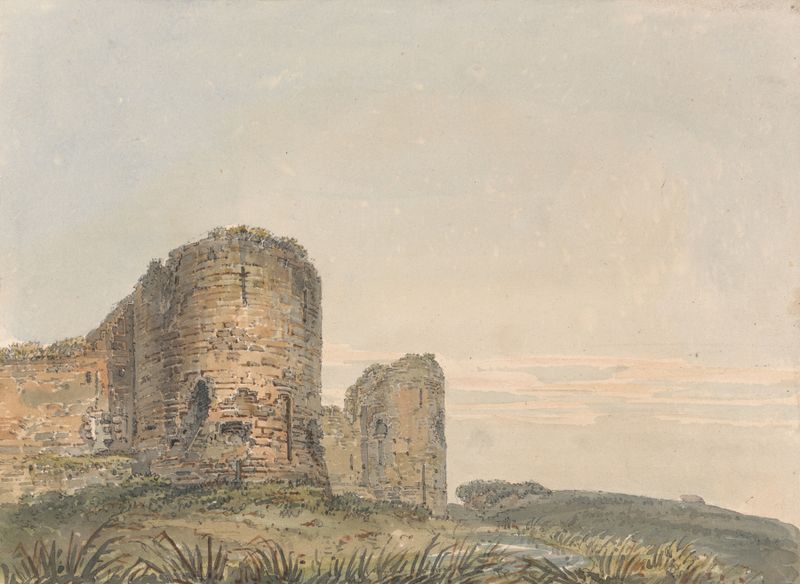
Pevensey Castle, Sussex
Thomas Girtin
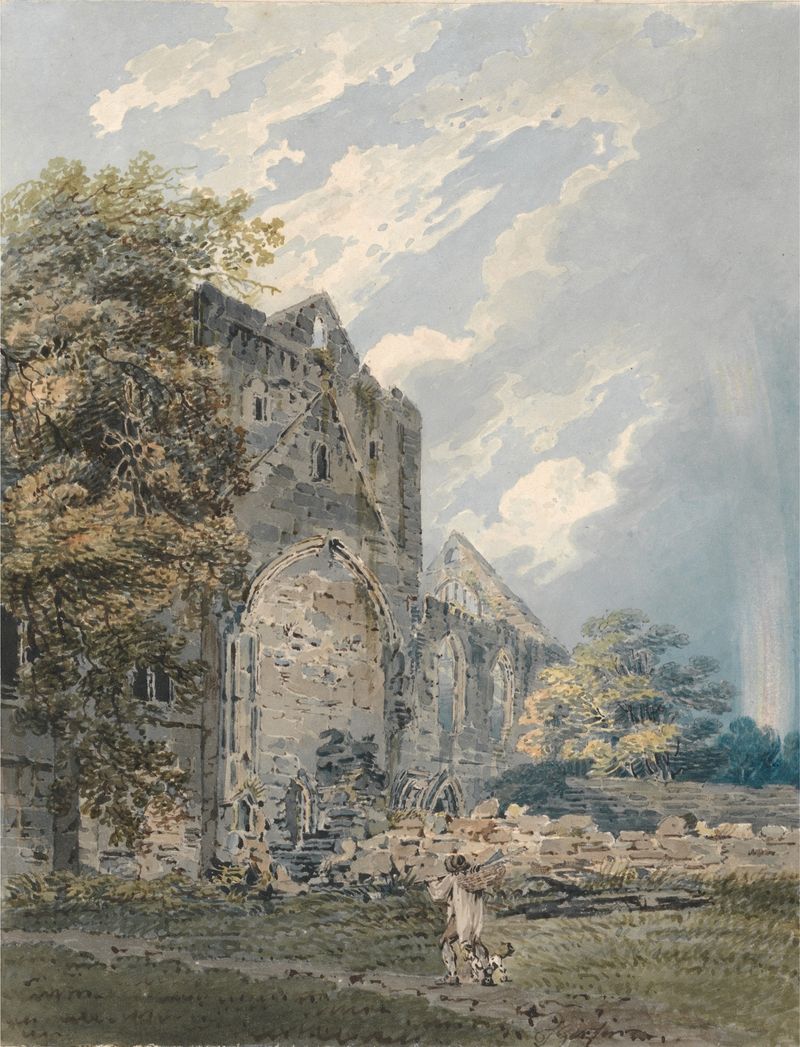
Pluscardine Abbey, Elgin
Thomas Girtin
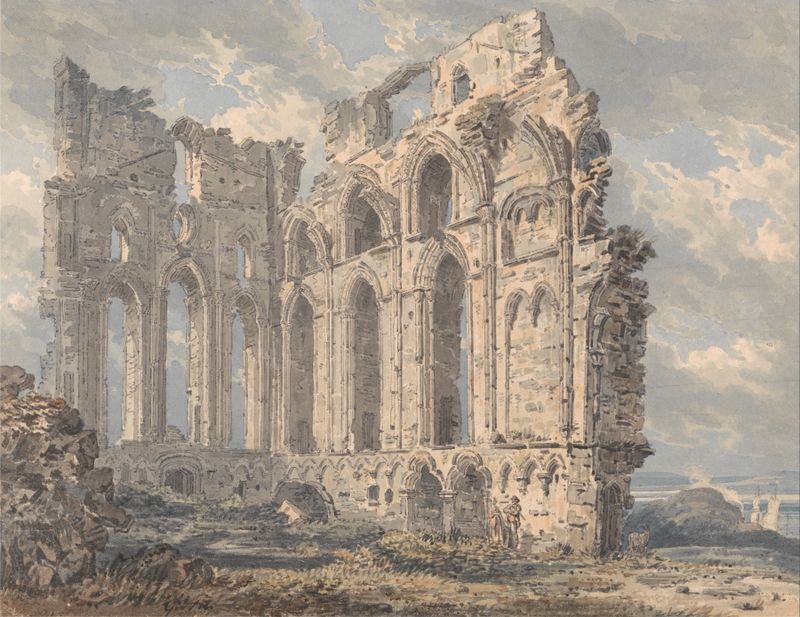
Tynemouth Priory, Northumberland
Thomas Girtin
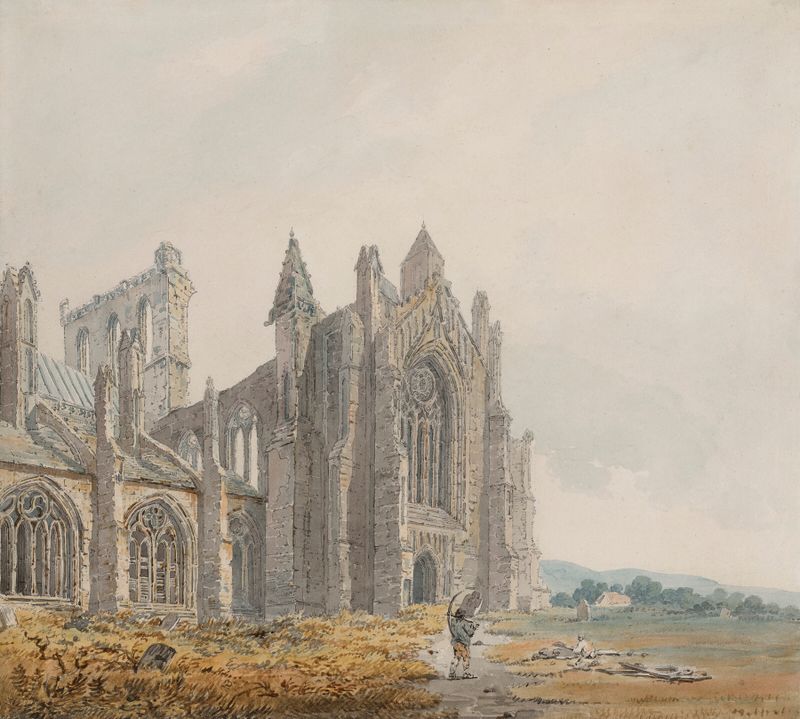
Melrose Abbey, Scotland
Thomas Girtin
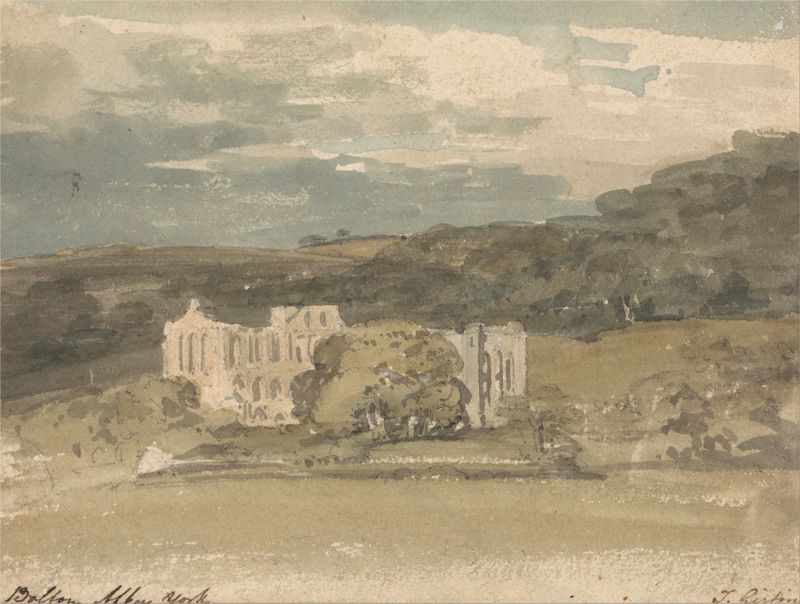
Rievaulx Abbey, Yorkshire
Thomas Girtin
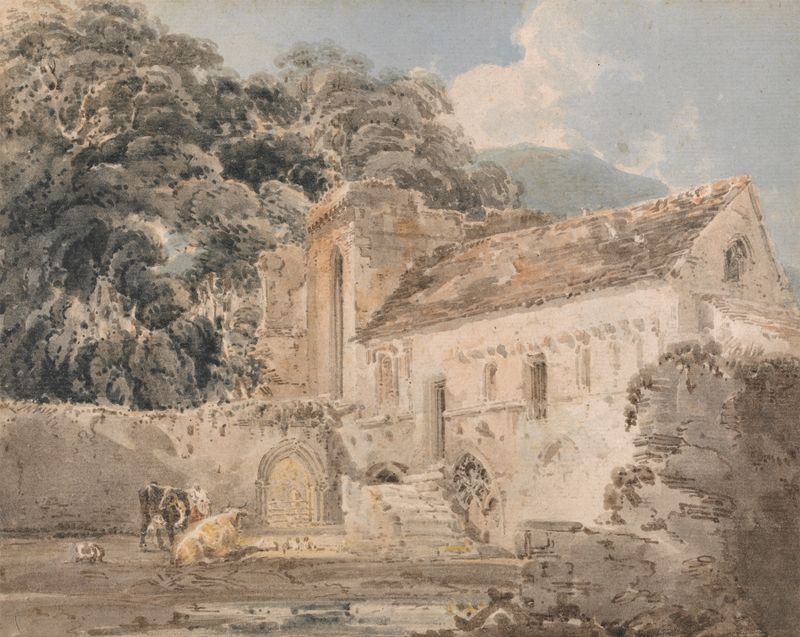
Valle Crucis Abbey, Denbighshire
Thomas Girtin
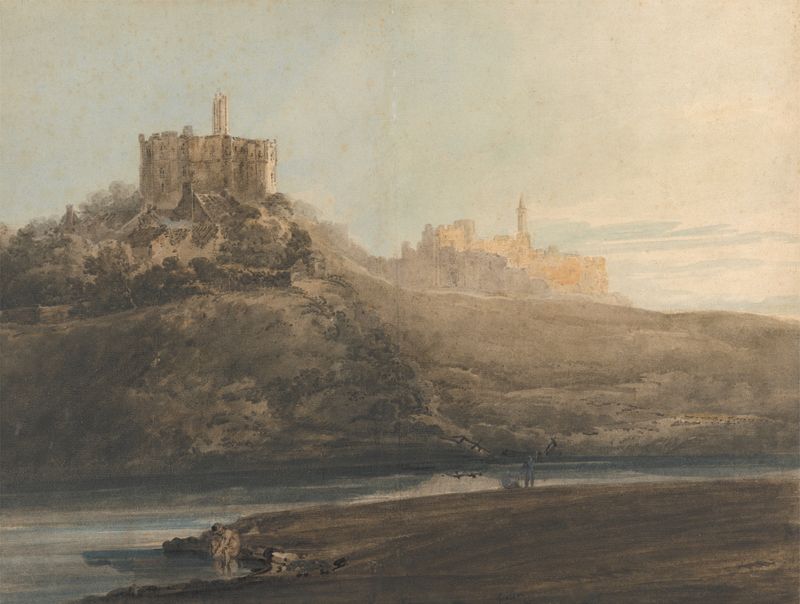
Warkworth Castle, Northumberland
Thomas Girtin
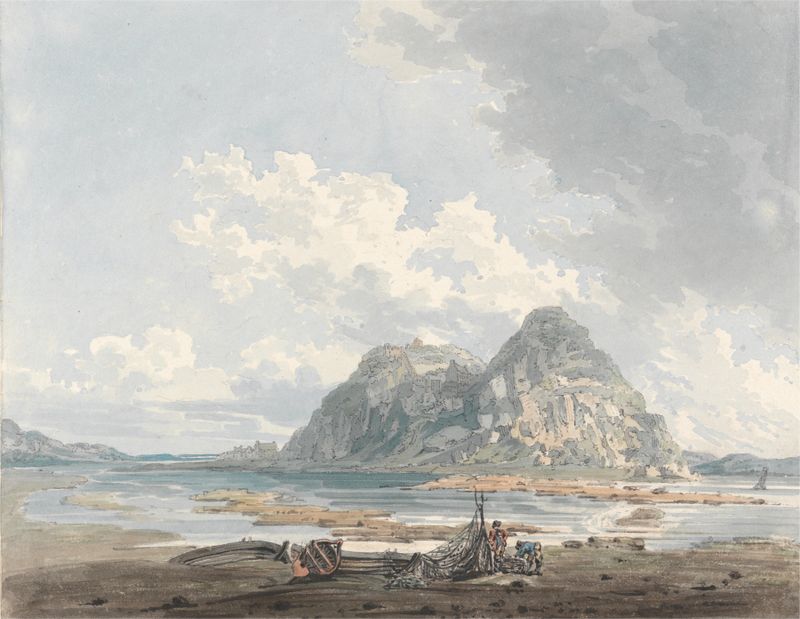
Dumbarton Rock and Castle
Thomas Girtin
More Architecture Art
Browse all →
The statue of Liberty
Frédéric Auguste Bartholdi

View of Houses in Delft, Known as ‘The Little Street’
Johannes Vermeer

View of Houses in Delft, Known as ‘The Little Street’
Johannes Vermeer

The Cathedral in Rouen. The portal, Grey Weather
Claude Monet

The yellow house
Vincent van Gogh

The Church in Auvers-sur-Oise, View from the Chevet
Vincent van Gogh