
Stephen Báthory at Pskov — History & Facts
Few paintings have so powerfully shaped a nation's sense of its own history as Stephen Báthory at Pskov, completed by Jan Matejko in 1872. The work dramatizes a pivotal episode from 1581, when the Hungarian-born King of Poland, Stephen Báthory, compelled Tsar Ivan the Terrible to sue for peace after a long and brutal siege of the Russian city of Pskov. In the 19th century, as Poland struggled under foreign partitions, Matejko's vision of a victorious and magnanimous Polish king became a symbol of national pride and hope—so much so that, according to contemporary accounts, crowds would gather before the painting in Warsaw to discuss the future of Poland. Matejko chooses the moment when Báthory, tall and imposing in his fur-trimmed cloak, enters the captured city not as a conqueror but as a statesman, surrounded by his wary Polish officers and the humbled Russian envoys.
The king's upright posture and open gesture suggest clemency and authority, while the kneeling Russians, clutching icons and documents, evoke both defeat and the hope for mercy. The cold northern light, filtering through the archway, bathes the scene in a wintry pallor, emphasizing the hardship of the campaign. Unlike Vasily Surikov's later Russian historical canvases, which often revel in spectacle, Matejko's composition is dense with psychological tension and political nuance, every face a study in pride, anxiety, or calculation. The painting was first exhibited in Kraków, where it was immediately recognized as a major achievement in Jan Matejko's career, cementing his reputation as the great chronicler of Polish history.
Though the exact patron is uncertain, it is known that Matejko painted it at a time when public commissions and private support for patriotic art were growing, in response to the national mood. Over the years, Stephen Báthory at Pskov has survived wars and political upheaval, remaining in Poland and now housed in the collections of the National Museum in Kraków. Today, it stands not only as a record of a historical episode but as a testament to the enduring power of art to shape collective memory.
More Artworks by Jan Matejko
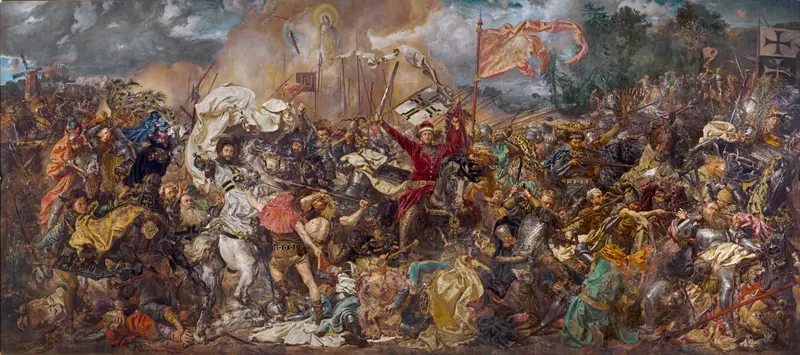
Battle of Grunwald
Jan Matejko

Stańczyk
Jan Matejko

Battle of Raclawice
Jan Matejko
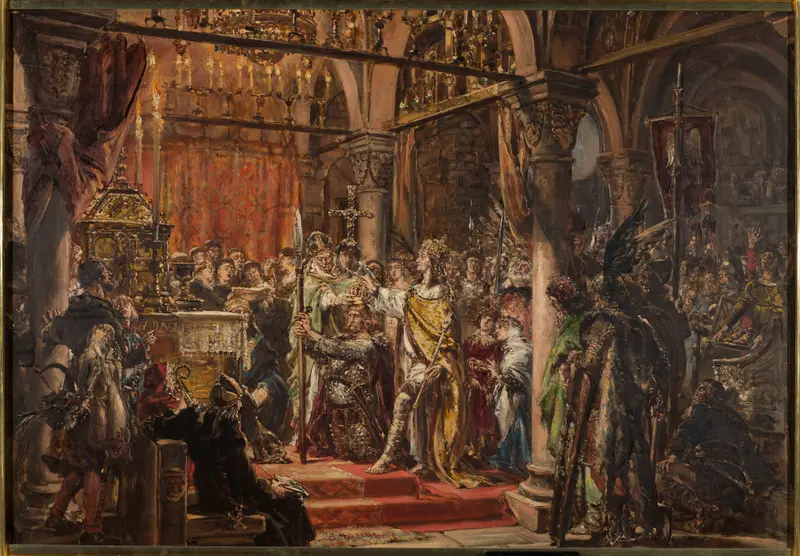
Coronation of the First King, 1001 AD, from the series “History of Civilization in Poland”
Jan Matejko
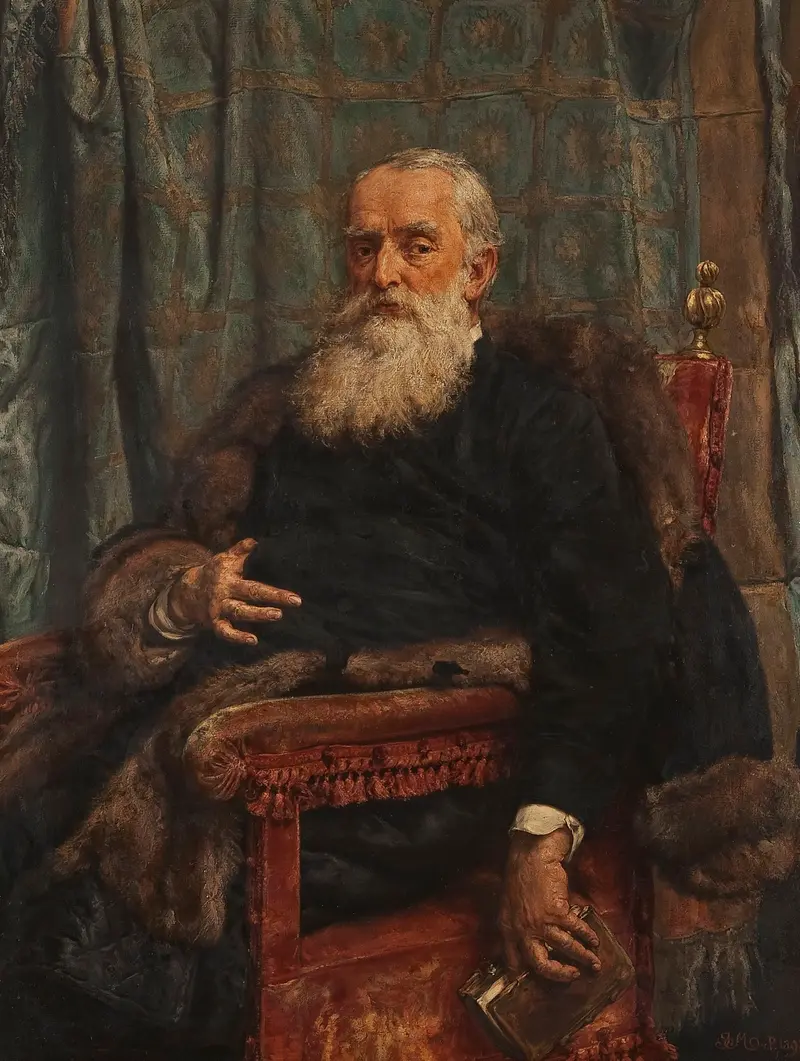
Portrait of Henryk Krajewski
Jan Matejko
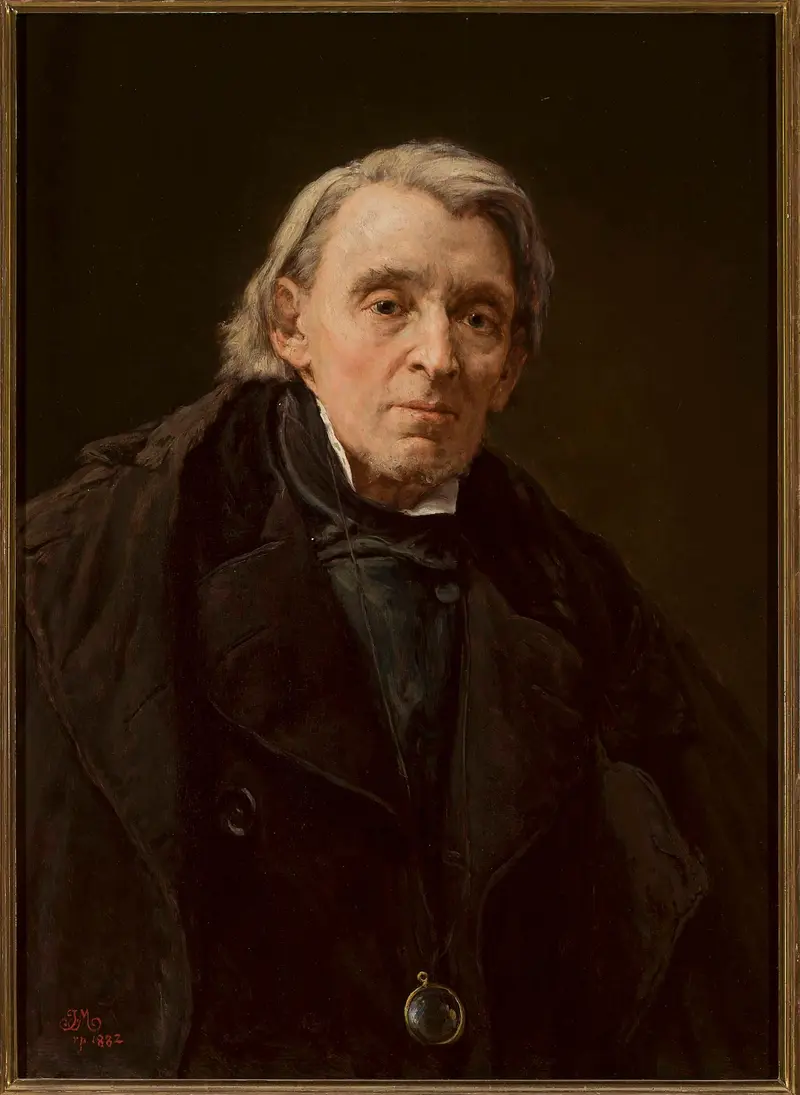
Portrait of Karol Podlewski
Jan Matejko
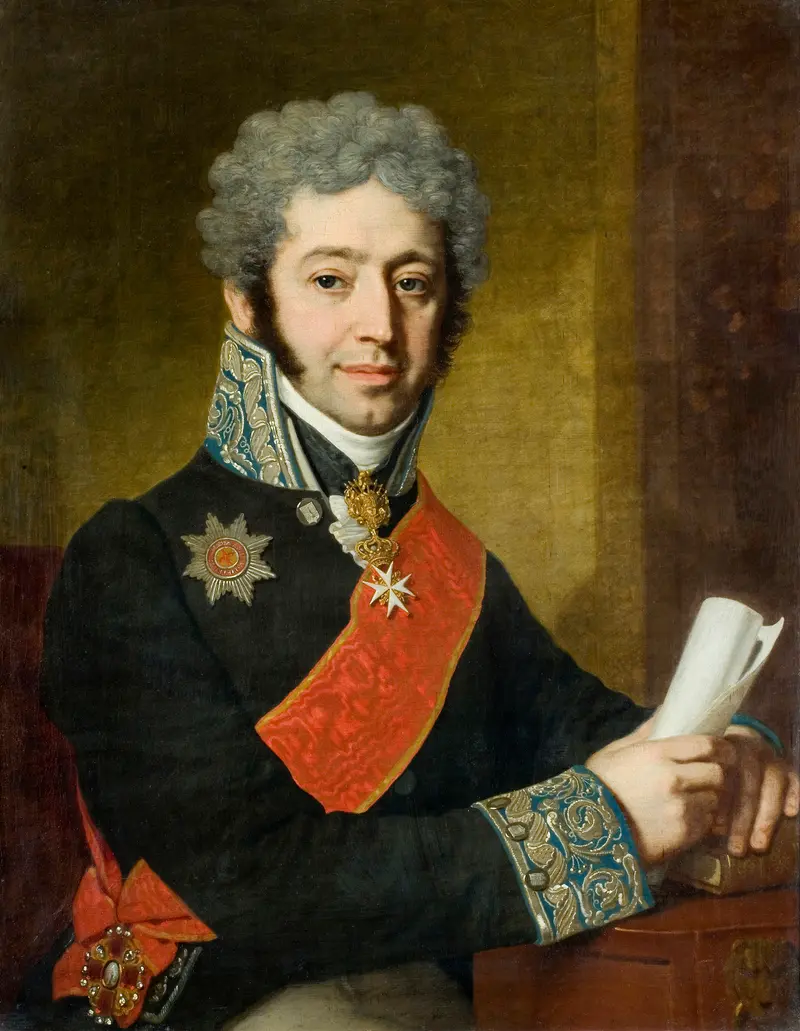
Portrait of Potocki and Poninski
Jan Matejko
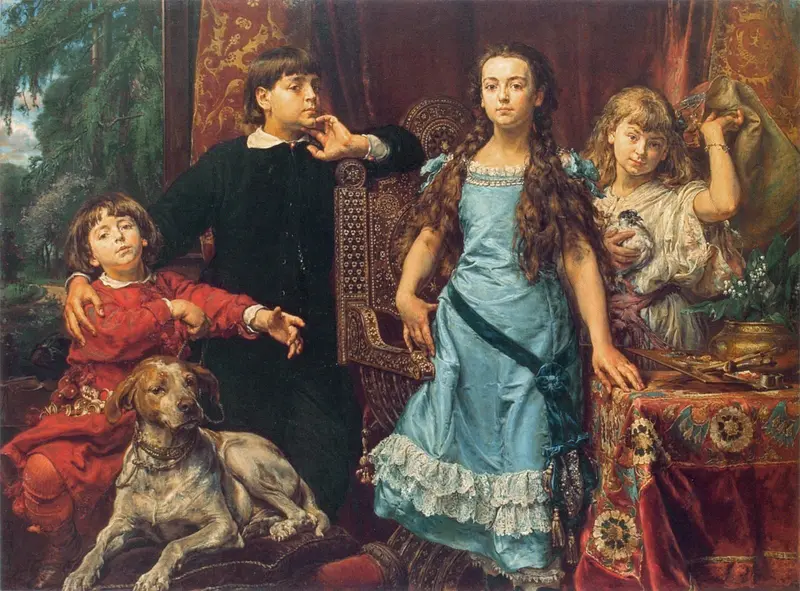
Portrait of the artist's four children
Jan Matejko
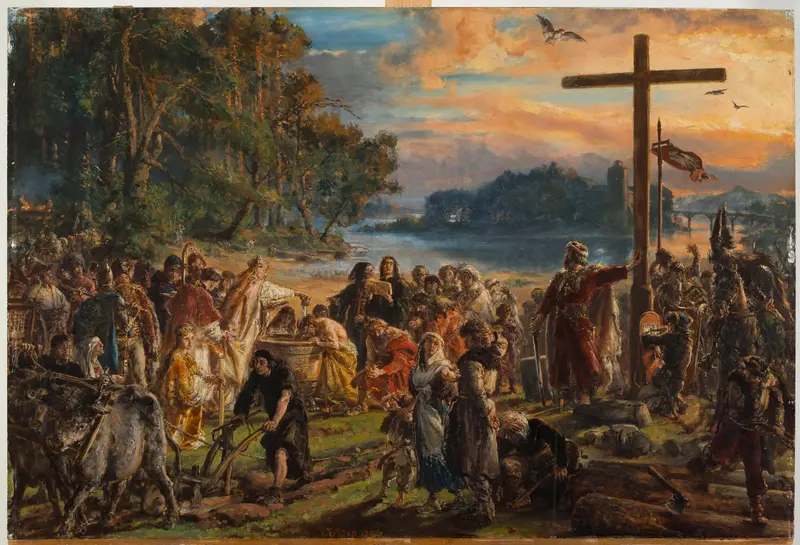
Introduction of Christianity in Poland
Jan Matejko
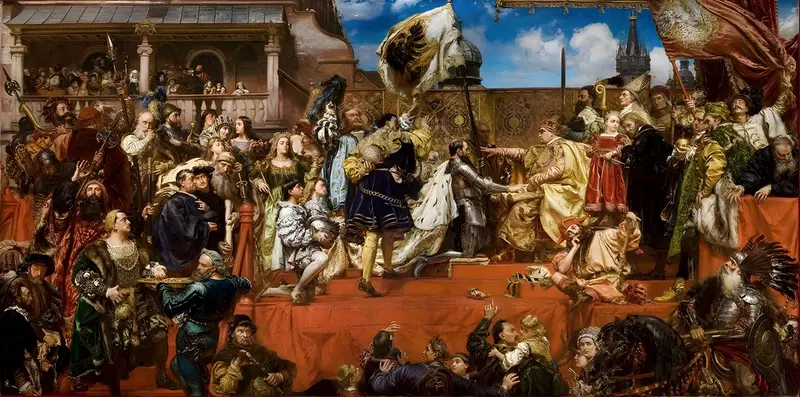
Prussian Homage
Jan Matejko





