
Still Life (Composition V) — History & Facts
A riot of geometry greets the eye in Still Life (Composition V), where the familiar world of objects is distilled into a language of circles, rectangles, and lines. At first glance, the painting feels almost like a puzzle—forms float in a field of white, their relationships defined by rhythm and balance rather than any literal depiction. The largest, darkest shape at center stage anchors the composition, while discs of orange and yellow pulse with energy, and red blocks suggest the memory of upright vessels or tableware.
The strict black border corrals this playful assembly, inviting the viewer to linger on the tension between order and improvisation. This work belongs unmistakably to the early twentieth-century moment when artists like Theo van Doesburg sought to reinvent painting from the ground up. Between 1917 and 1923, abstraction was not just a style but a manifesto: a belief that art could express the universal through pure form and color. The fact that this canvas is an unsigned copy of a lost original only adds to its intrigue, a reminder of how history sometimes preserves echoes rather than voices.
Catalogued by Els Hoek in 2000, this painting stands as a testament to an era when the boundaries of art were being redrawn—sometimes literally, as here, with every line and curve. Look again, and see how much feeling can be conjured from the simplest shapes.
More Artworks by Theo van Doesburg
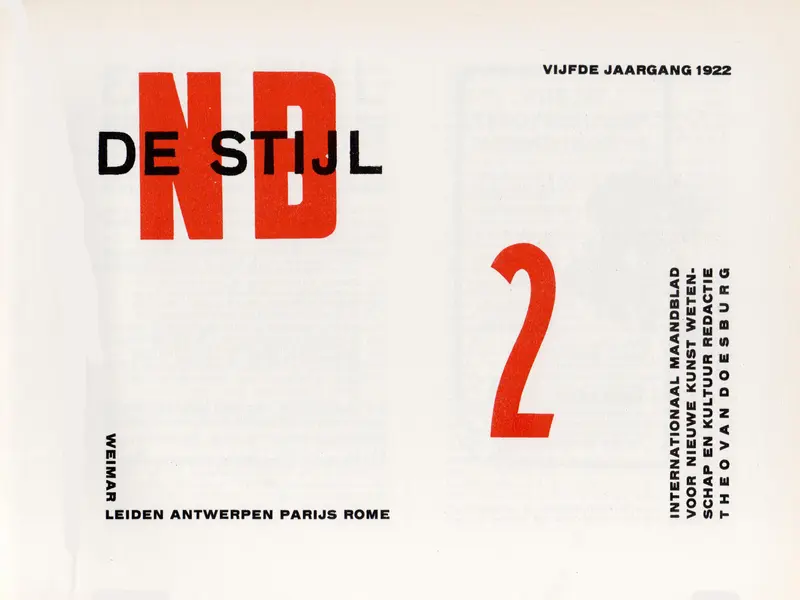
De Stijl, vol. 5, no. 2 (cover)
Theo van Doesburg
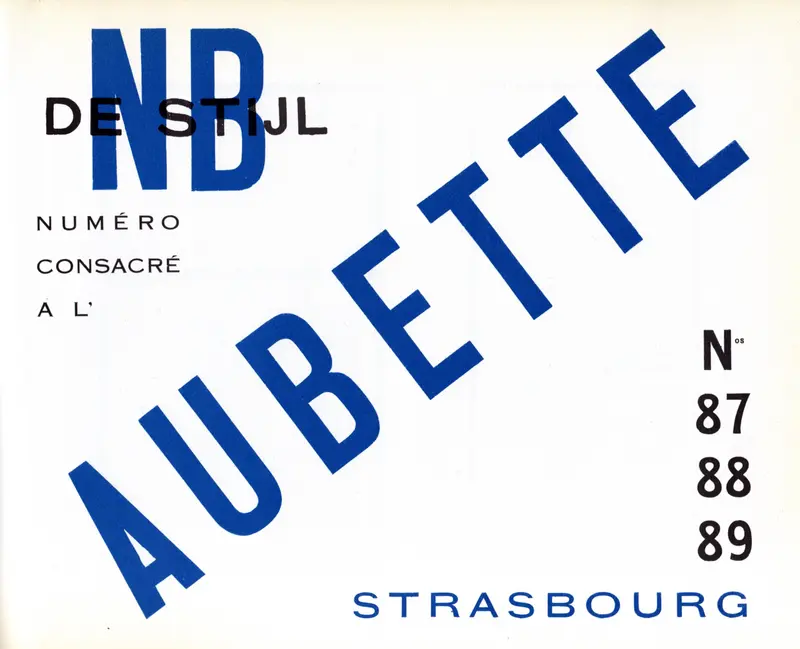
De Stijl, nos. 87–89: Aubette Issue (cover)
Theo van Doesburg
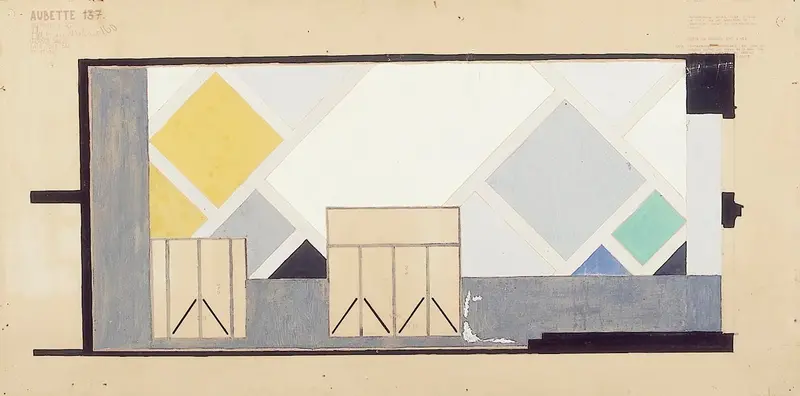
Aubette Ciné-Dancing: Final Color Design for a Wall
Theo van Doesburg
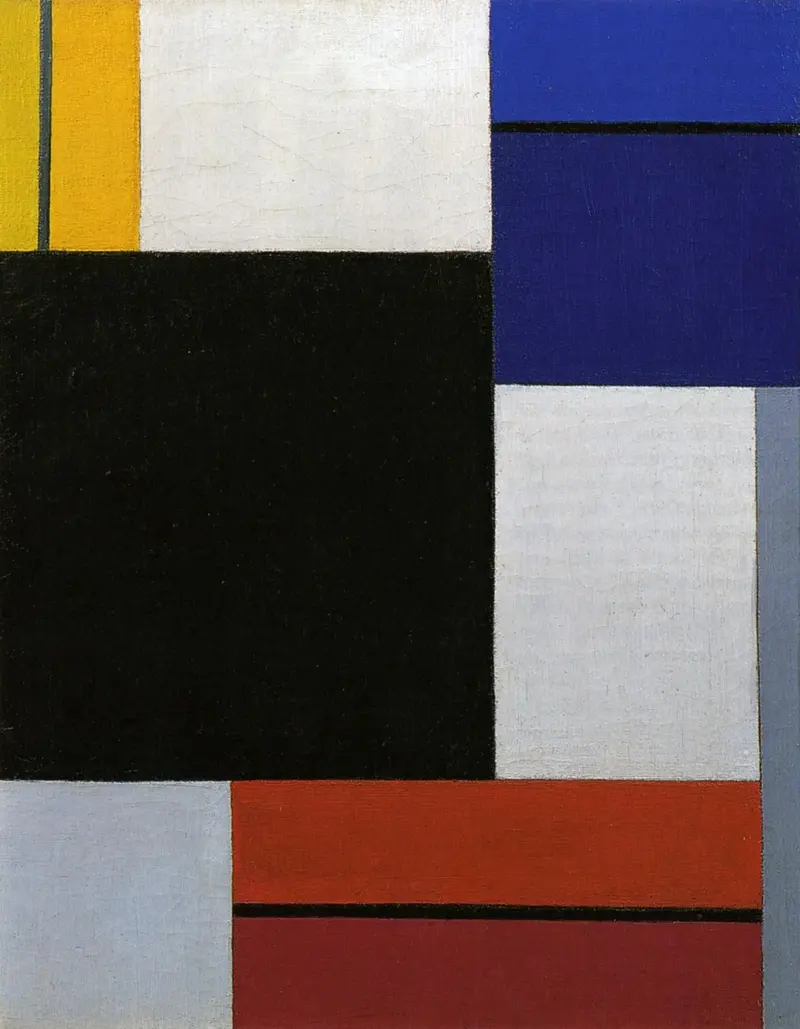
Composition XXI
Theo van Doesburg
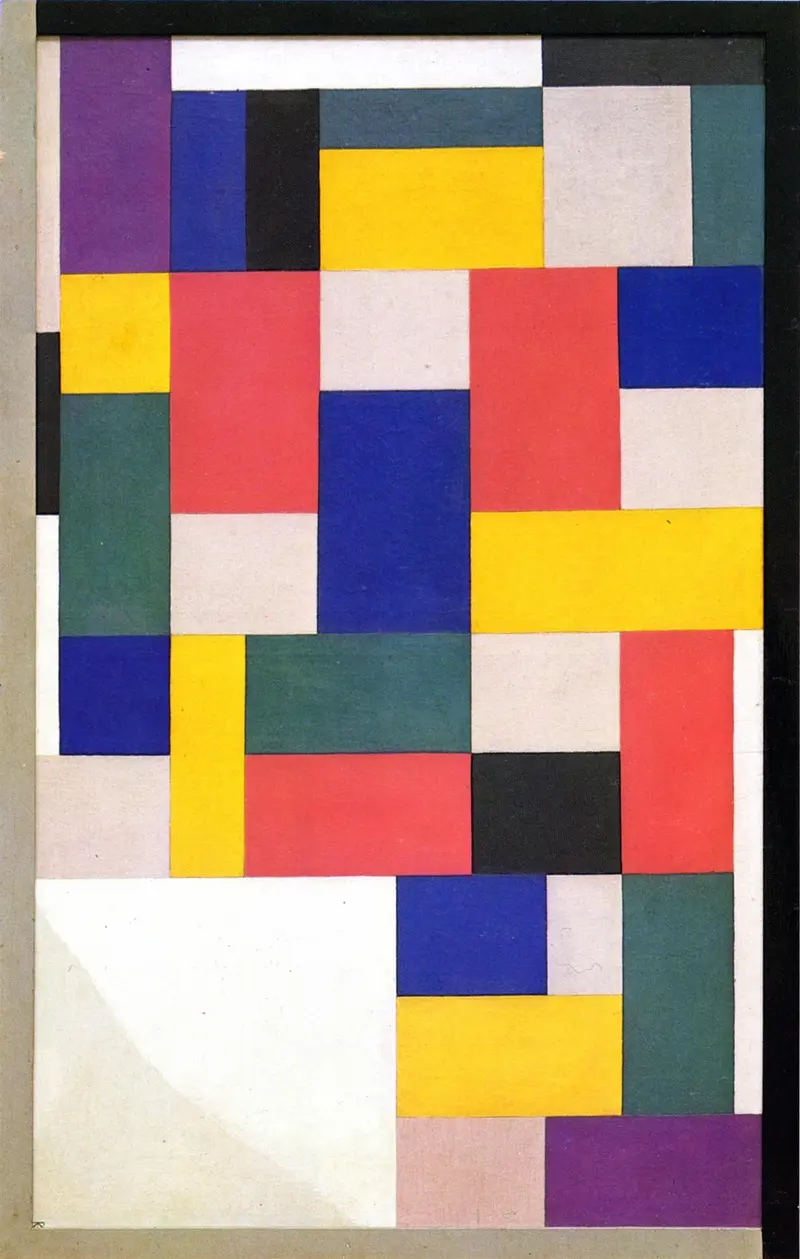
Pure Painting
Theo van Doesburg
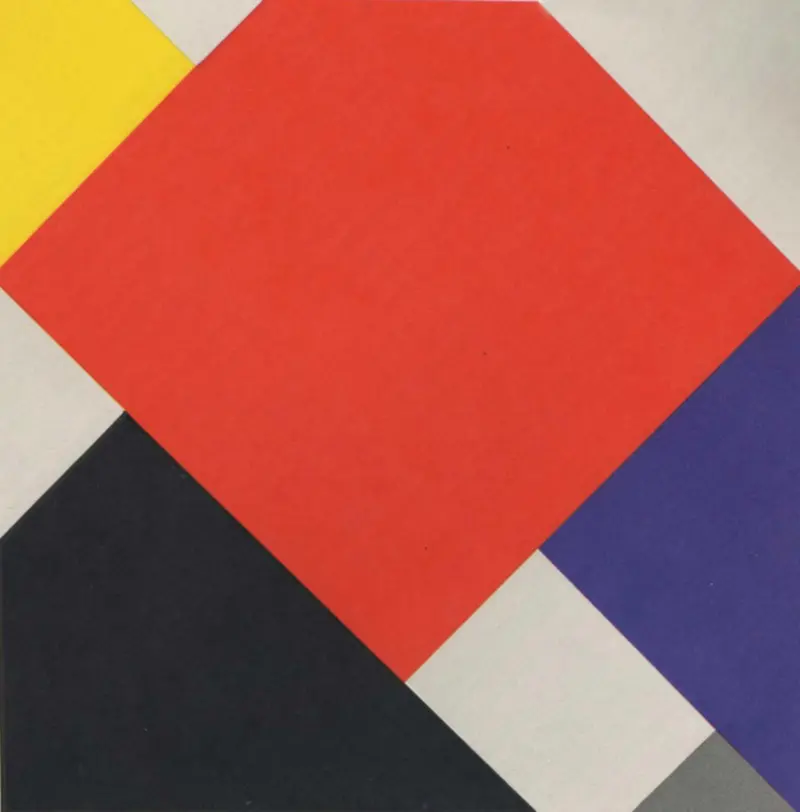
Counter-Composition V
Theo van Doesburg
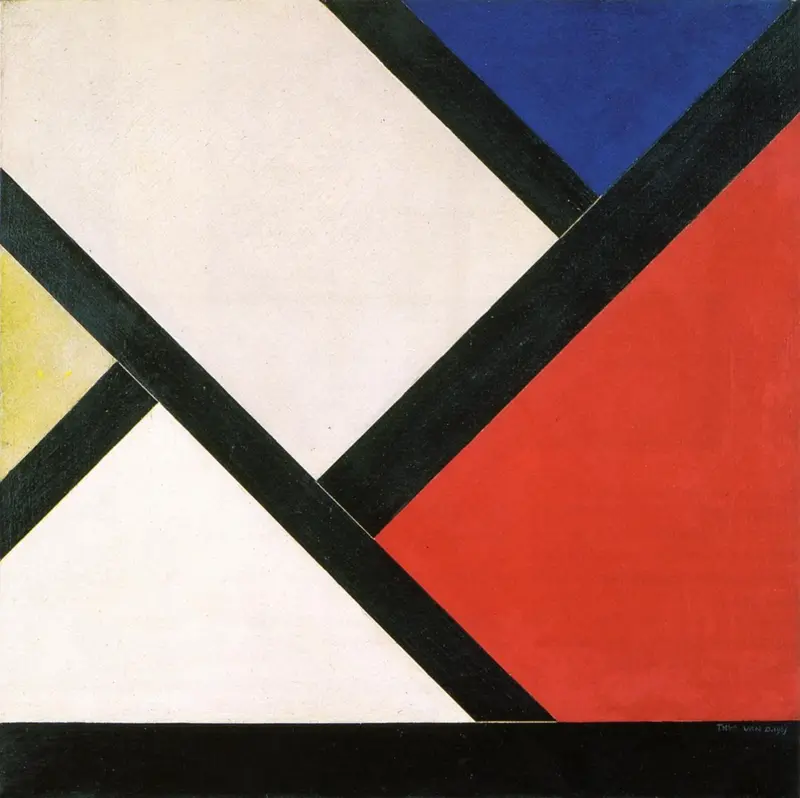
Counter-Composition XIV
Theo van Doesburg
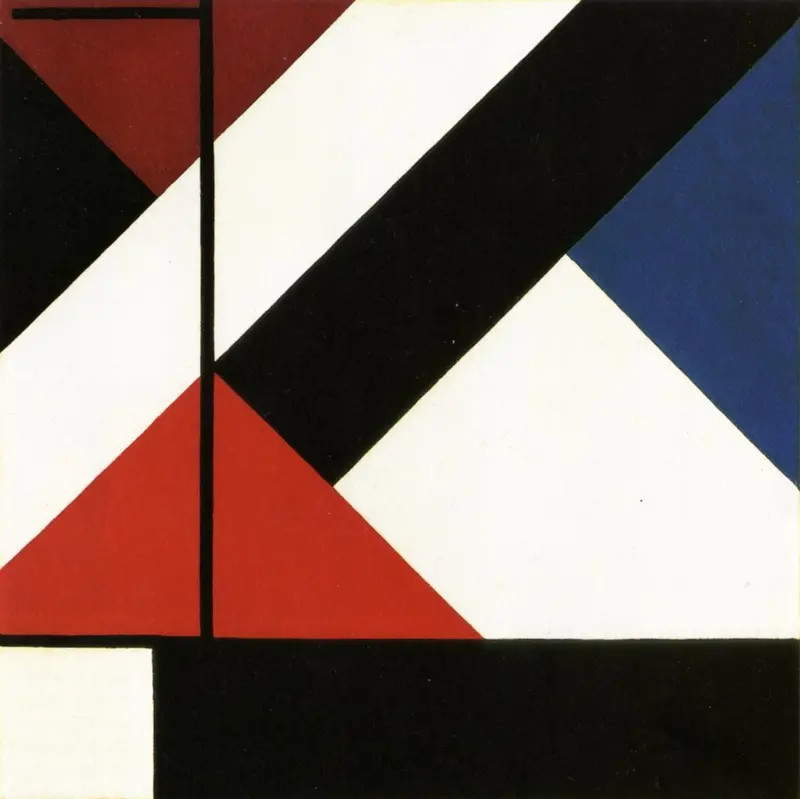
Simultaneous Counter-Composition
Theo van Doesburg
Stained-Glass Composition: Female Head
Theo van Doesburg
De Stijl, vol. 4, no. 2 (cover)
Theo van Doesburg





