
Still-life I — History & Facts
A single plant dominates the scene, its broad, waxy leaves casting deep shadows across a tabletop that feels almost stage-like in its geometry. The eye is drawn first to the sharp contrast between the plant’s dark greens and the sunlit yellow wall behind it, then to the careful arrangement of objects—a bottle, a glass, a folded note, and a slip bearing the artist’s name—each rendered with a clarity that borders on the uncanny. The composition is precise, almost mathematical, yet the mood is quietly unsettled: the red panel in the background interrupts the calm, and the glass stands empty, as if waiting for a story to begin.
Every object seems to hold its breath, suspended in a moment of stillness that feels both deliberate and enigmatic. Painted in 1929, Still-life I by Alexander Kanoldt belongs to a world where the old certainties of still life painting were being reimagined. In Germany, where Kanoldt worked, the movement known as Neue Sachlichkeit (New Objectivity) favored a realism stripped of sentiment, focusing instead on the cool, almost clinical observation of everyday things. Such paintings were rarely grand commissions; they were more often the quiet meditations of artists confronting a rapidly changing society, and they found their way into private collections or small galleries.
Today, the work resides in the collection of lempertz.com, a reminder that history has kept few traces of these intimate, meticulous scenes—yet their silent presence invites us to look again, and to find meaning in the ordinary.
More Artworks by Alexander Kanoldt

Kreuzgang I
Alexander Kanoldt
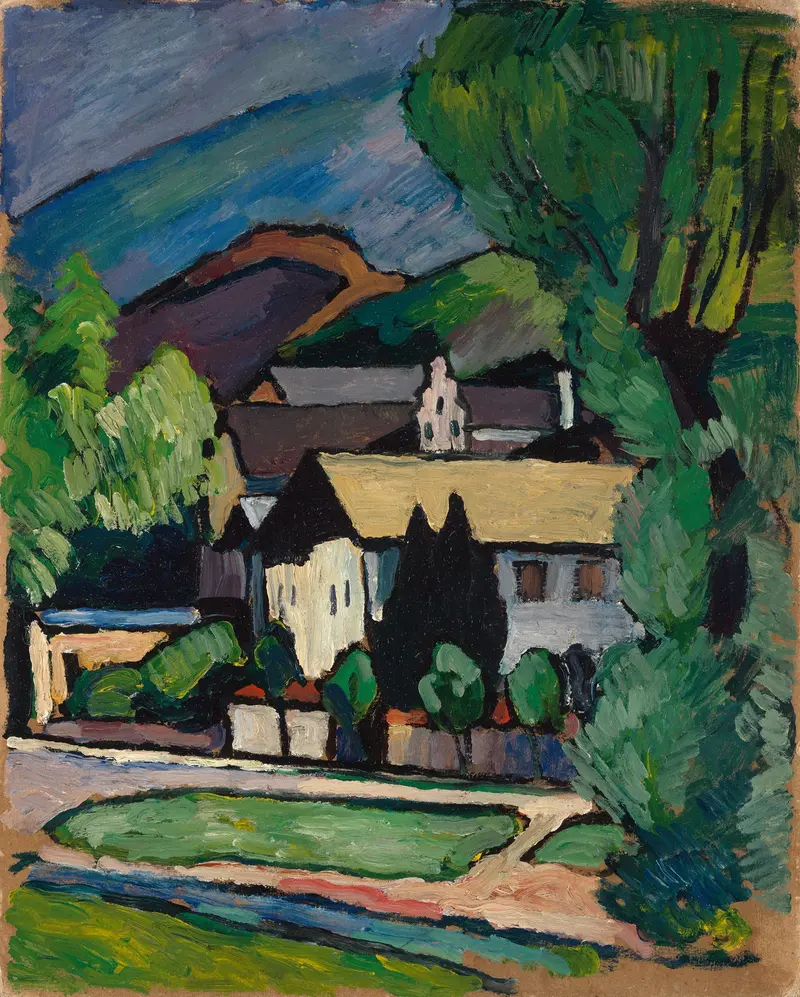
Bayerische Dorfhäuser unter Bäumen
Alexander Kanoldt
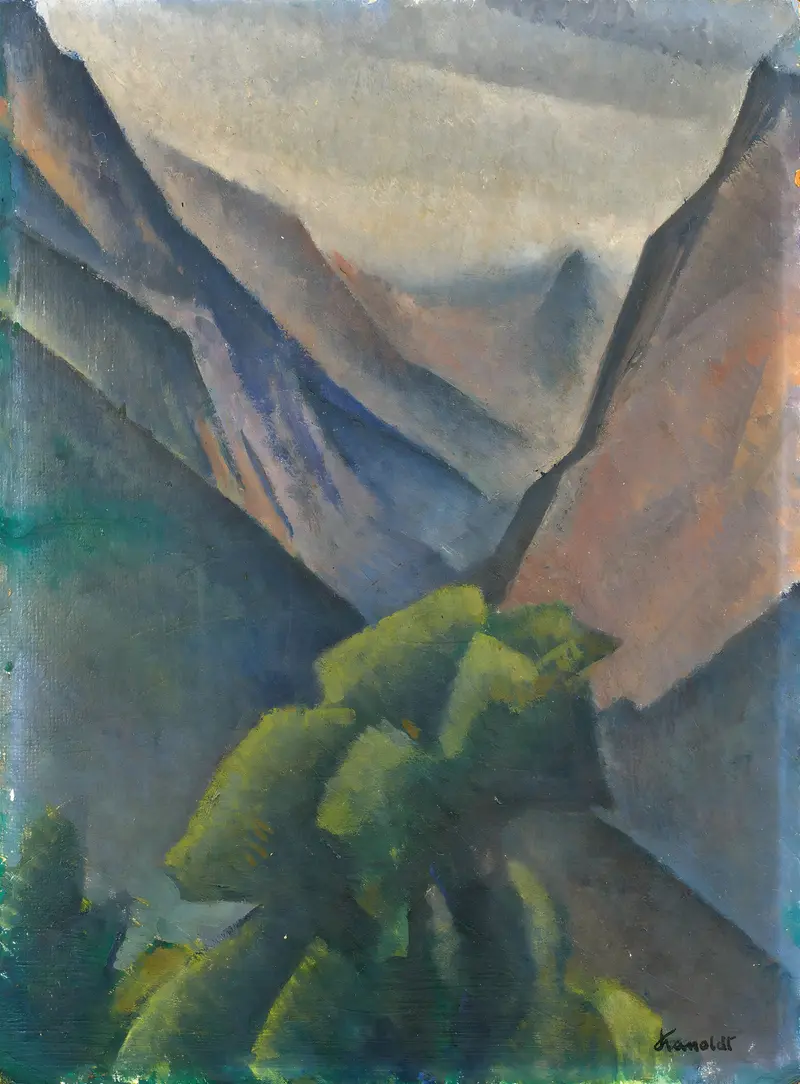
Gebirgsansicht
Alexander Kanoldt
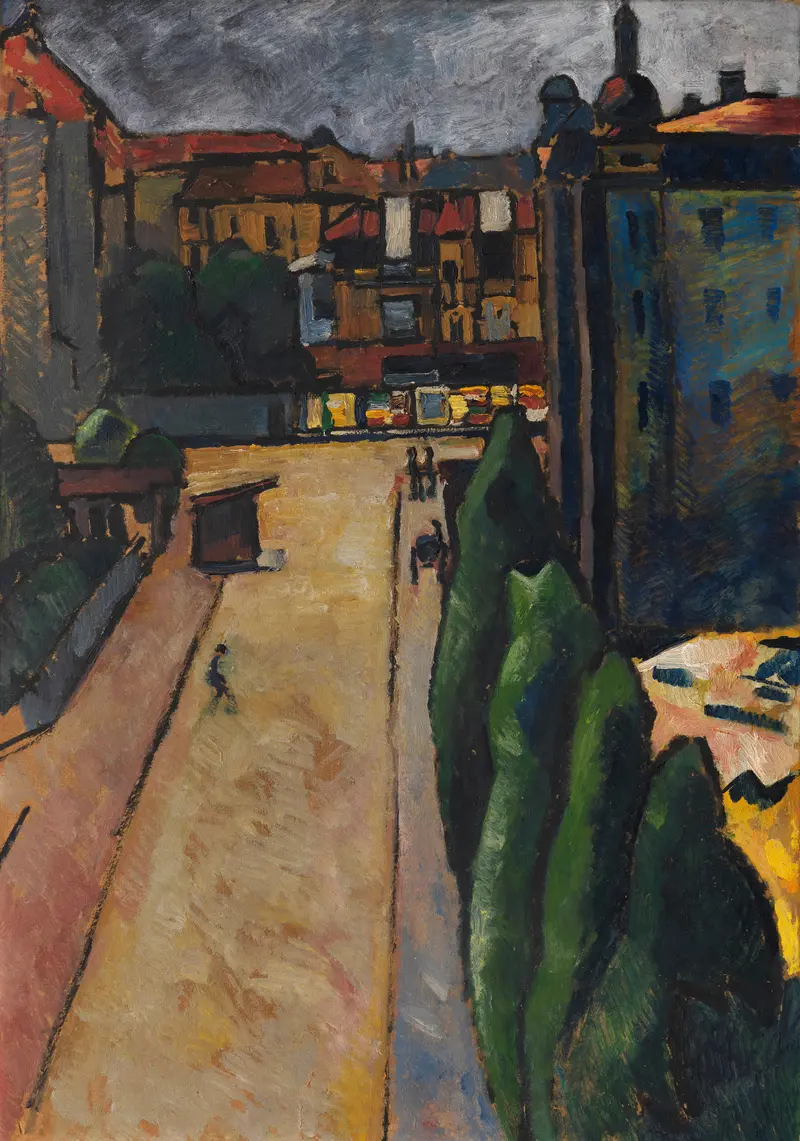
Straßenbild I
Alexander Kanoldt
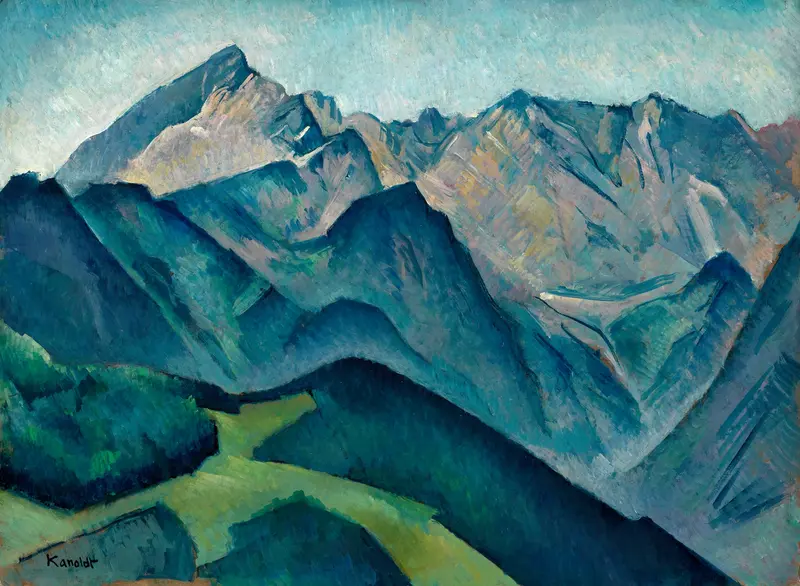
Blick auf die Alpspitze
Alexander Kanoldt

Wiesenlandschaft mit Gehöft
Alexander Kanoldt
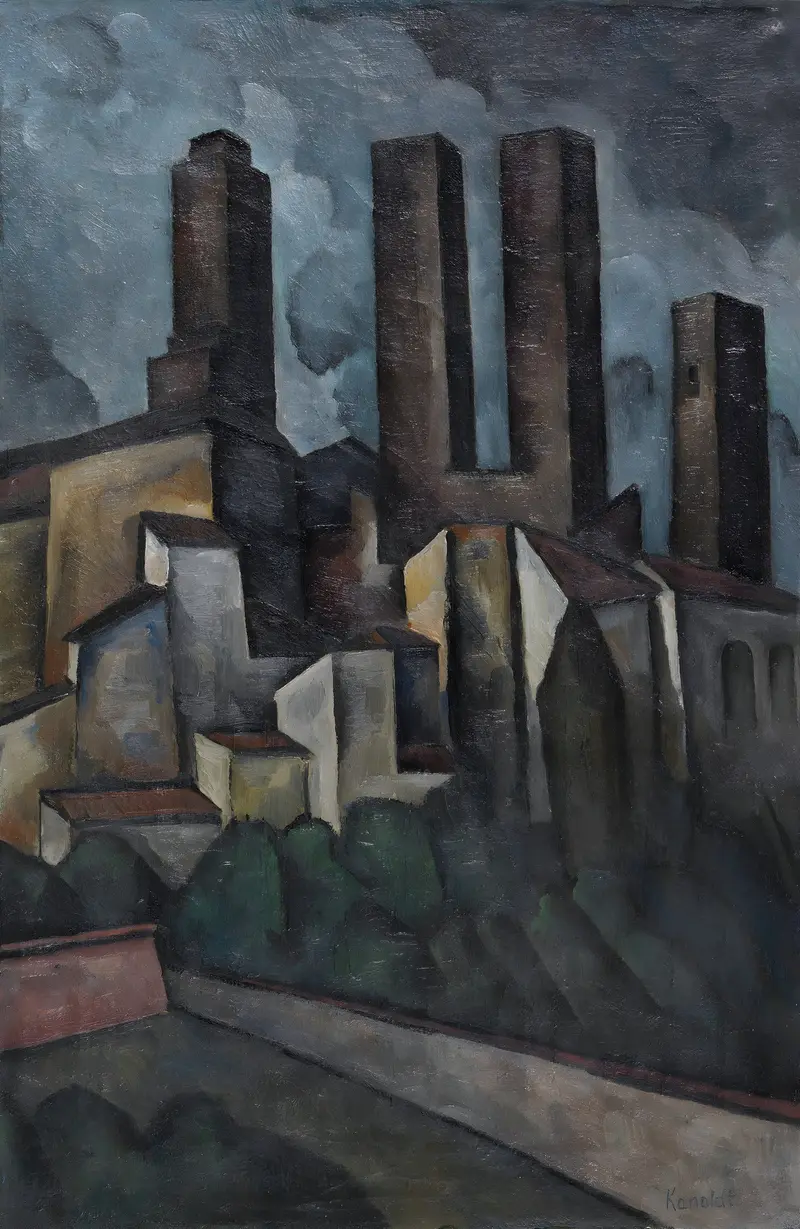
San Gimignano
Alexander Kanoldt
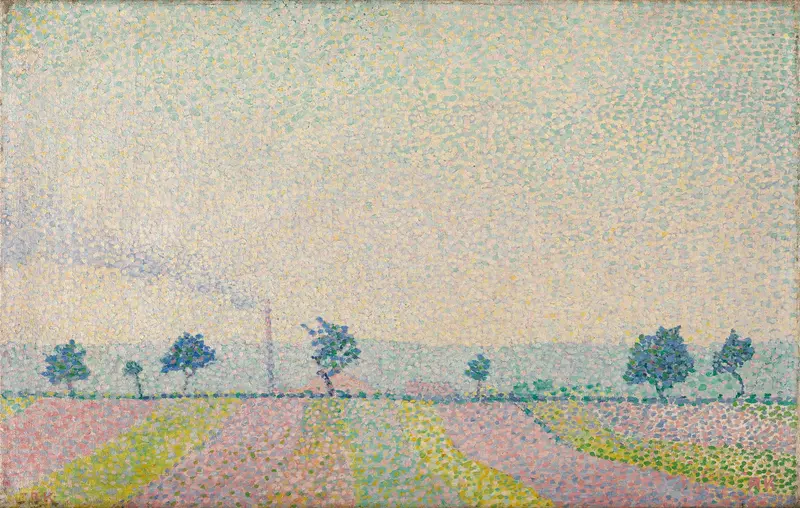
Morgensonne
Alexander Kanoldt
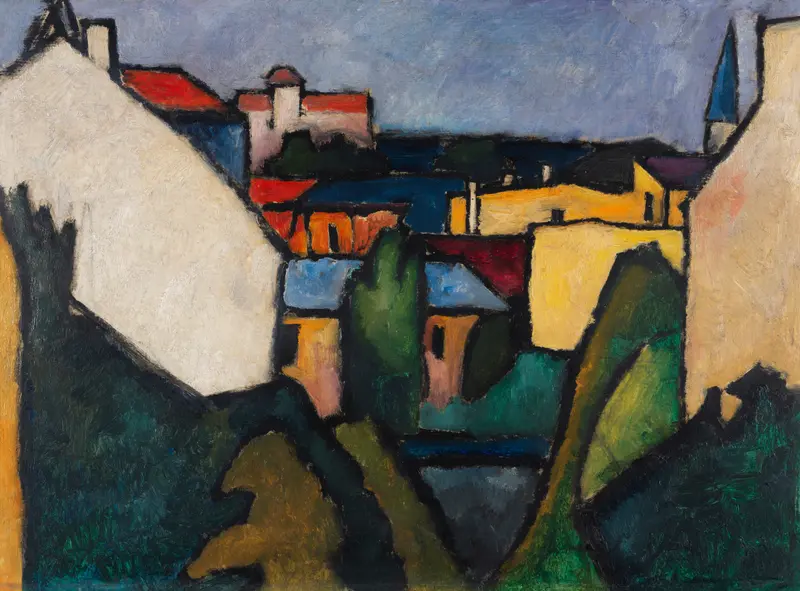
Häuser
Alexander Kanoldt
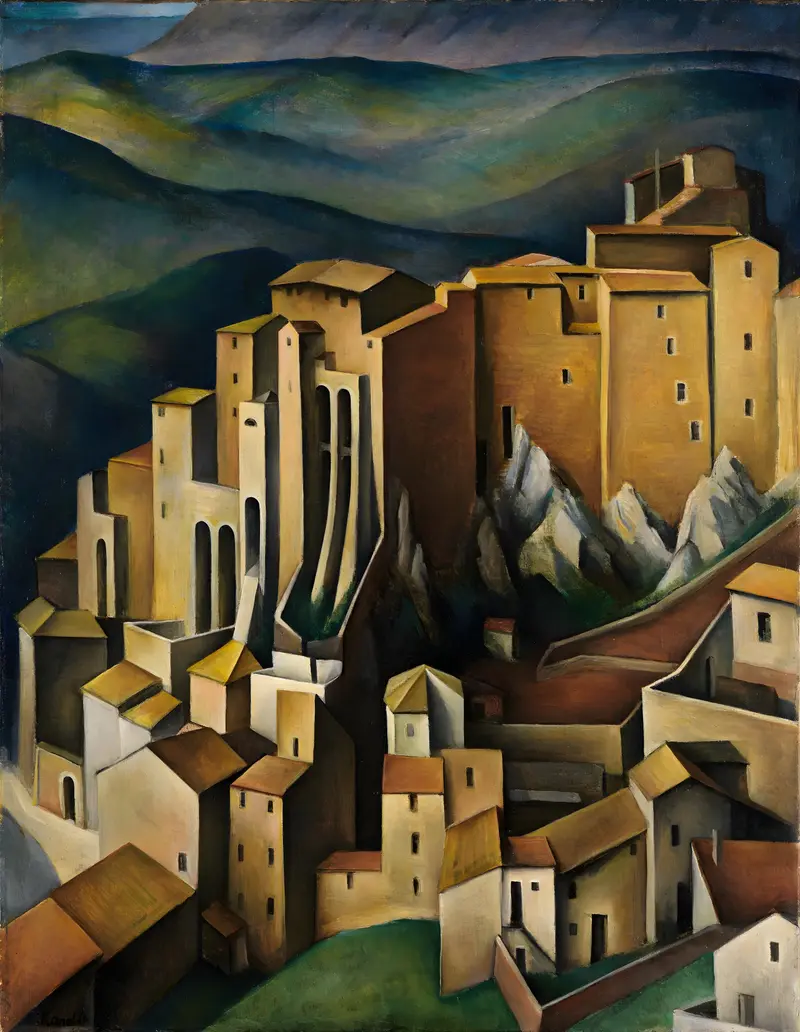
Olevano
Alexander Kanoldt





