
Still Life with Fruit and Shells — History & Facts
A single butterfly, wings open and still, hovers above the fruit and shells as if time itself has paused. The drama here is not in grand gestures but in the quiet tension between abundance and fragility: peaches and grapes, their skins dimpled and translucent, crowd the left, while on the right, the glistening shells and a second butterfly seem to drift into the darkness. The light, low and golden, picks out the velvet of the fruit and the pearly sheen of the shells, drawing your gaze from texture to texture, from ripeness to the brittle edge of decay.
Each detail is a small marvel—the bruised blush of a peach, the delicate veins of a grape leaf, the almost theatrical placement of the butterflies, which seem to animate the stillness with a whisper of movement. Painted by Abraham Van Calraet sometime between 1657 and 1722, this work belongs to the rich tradition of Dutch still life, a genre that flourished in an age of global trade and rising middle-class wealth. Such paintings were often commissioned to celebrate prosperity, but they also carried quieter messages about the fleeting nature of pleasure and the passage of time. Collectors prized these scenes for their technical virtuosity and their layered symbolism—fruit for abundance, shells for exotic luxury, butterflies for transformation or mortality.
History has kept few traces of this particular painting’s early life, but today it resides in the collection of Museum Boijmans Van Beuningen, where its quiet drama invites viewers to linger over every detail and consider what endures and what fades.
More Artworks by Abraham Van Calraet
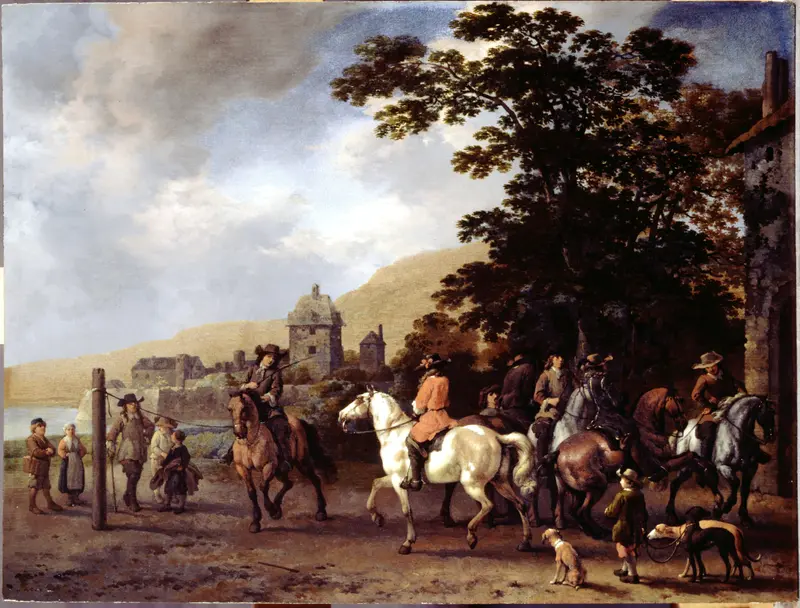
A Riding School in the Open Air
Abraham Van Calraet
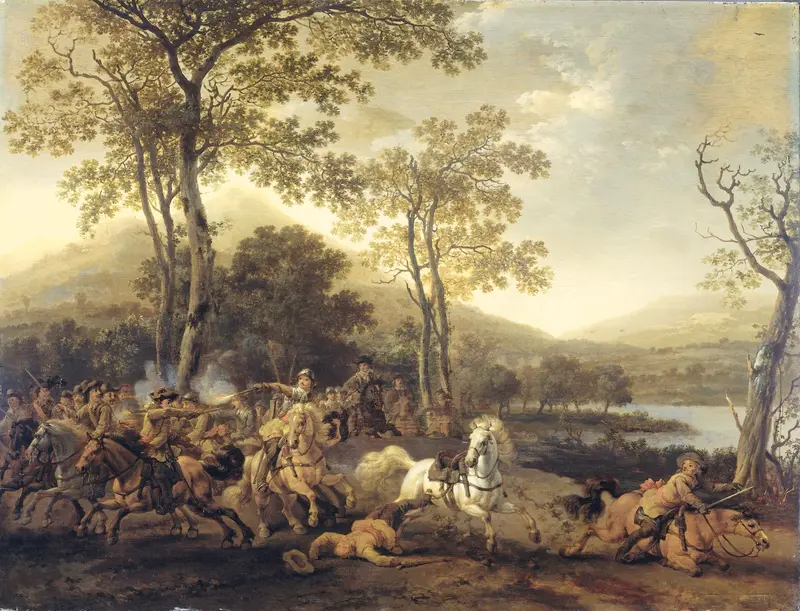
Cavalry Skirmish
Abraham Van Calraet
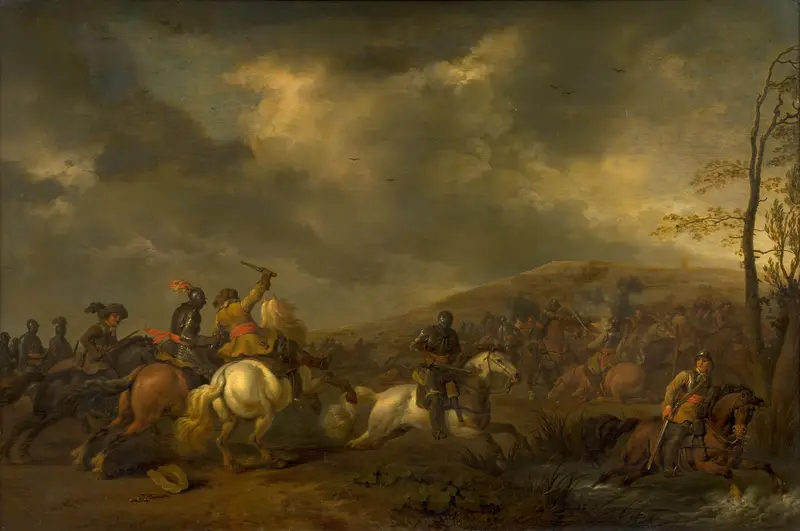
Choc de cavalerie
Abraham Van Calraet
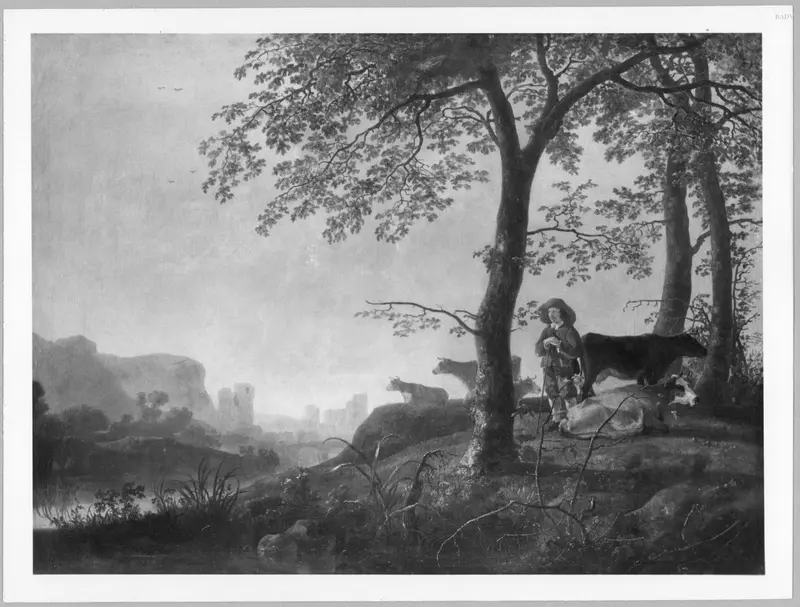
Herder and Cattle under Trees
Abraham Van Calraet
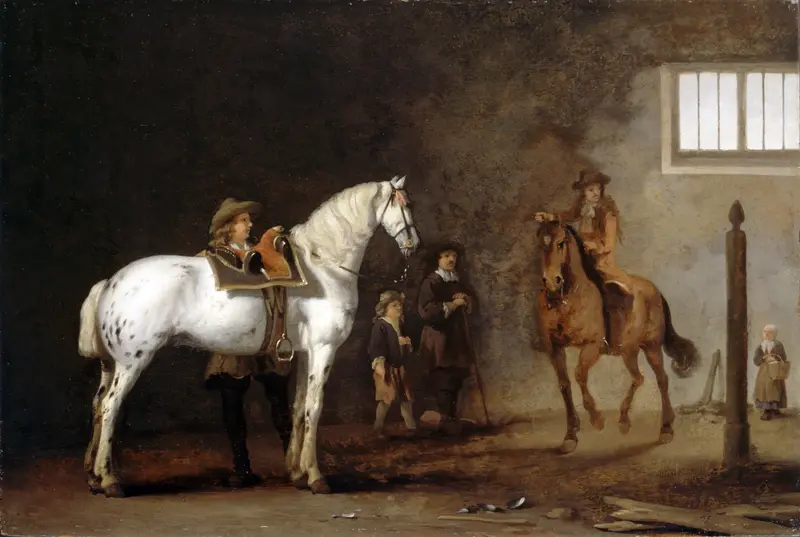
White Horse in a Riding School
Abraham Van Calraet
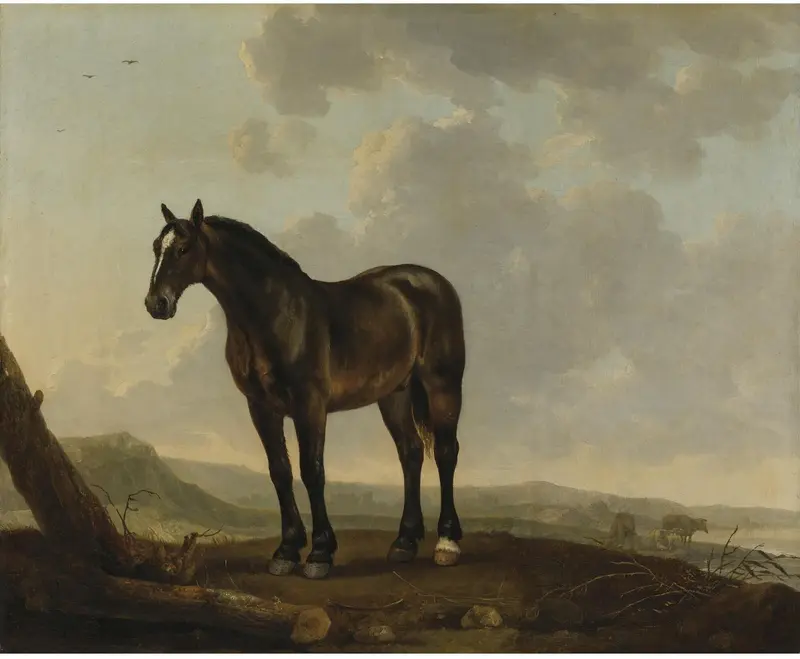
Landscape with a brown horse
Abraham Van Calraet
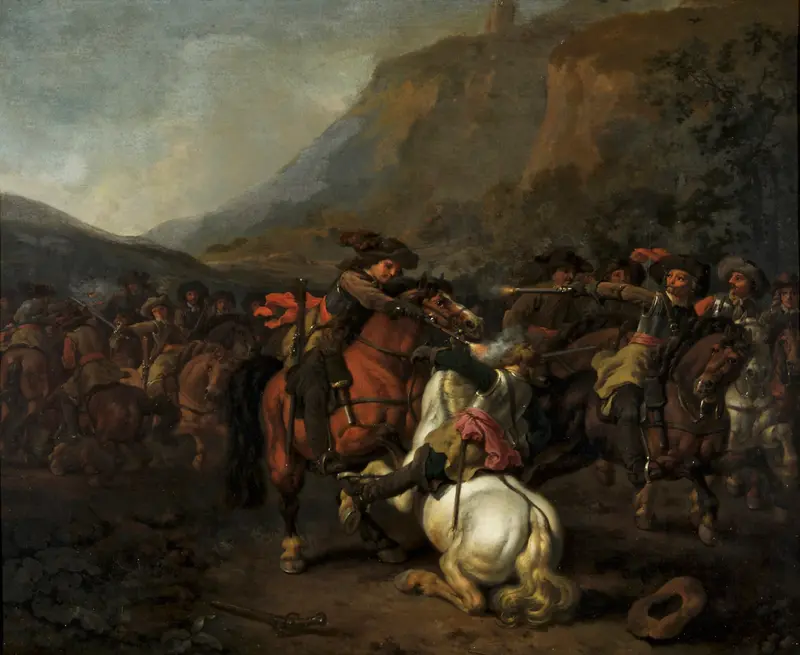
Ruitergevecht DM 016 1163 Dordrechts Museum
Abraham Van Calraet
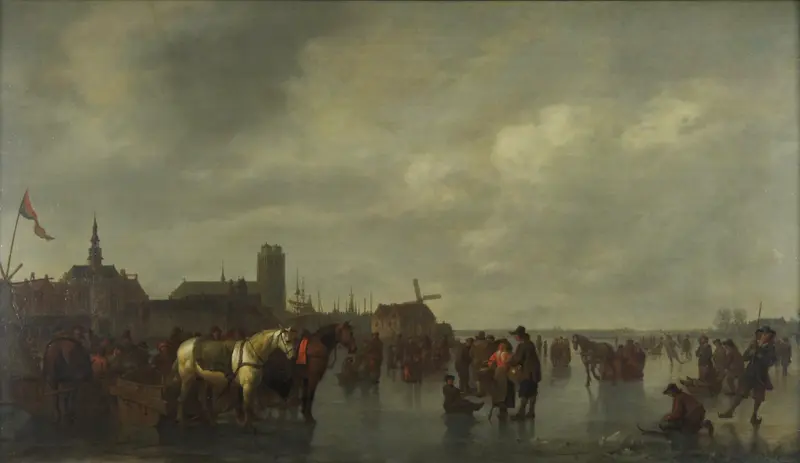
Scene on the Ice outside Dordrecht
Abraham Van Calraet
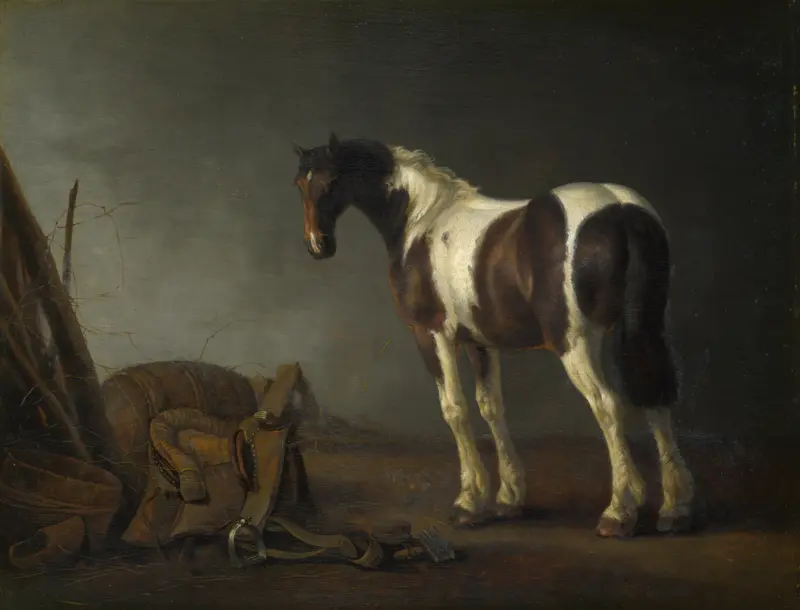
A Horse with a Saddle Beside it
Abraham Van Calraet
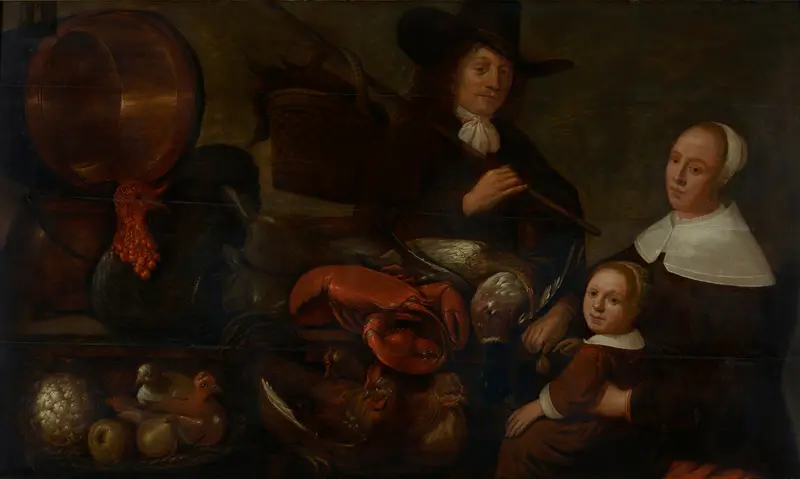
Portrait of a family
Abraham Van Calraet





