
Still life with pâté. — History & Facts
A single wedge cut from the pâté reveals a world of textures: the glossy, marbled filling glistens against the crisp, geometric pastry shell, while a lemon—half peeled, its zest curling like a ribbon—draws the eye to the edge of the table. The painter’s hand lingers on the play of surfaces: velvet-skinned peaches, the taut skin of grapes, the cool gleam of metal, and the heavy folds of a white cloth, each rendered with a tactile precision that invites the viewer to reach out and touch. Light falls from the left, catching the sharp edge of the knife and the moist flesh of the fruit, then recedes into shadow, where vine tendrils curl and a glass dish hovers in the gloom.
This is a table paused in the middle of a feast, the moment after the first slice, when anticipation and appetite are at their height. Painted by Abraham Van Calraet by 1722, this still life belongs to a world where food was both sustenance and spectacle, a marker of wealth and refinement in the Dutch Golden Age. Such paintings were prized by prosperous merchants and burghers, who hung them in dining rooms as subtle boasts of abundance and taste. The genre demanded technical bravura—how convincingly could one render the glint of a lemon peel or the softness of a peach?—but also a sense of fleeting pleasure, a reminder that even the richest table is emptied in time.
Though little is recorded about this specific work beyond its presence in a modern collection, its careful construction and lush detail speak to the ambitions of an era obsessed with both beauty and plenty. Let your gaze linger on the pâté’s mysterious filling, and consider what stories might be hidden within its layers.
More Artworks by Abraham Van Calraet
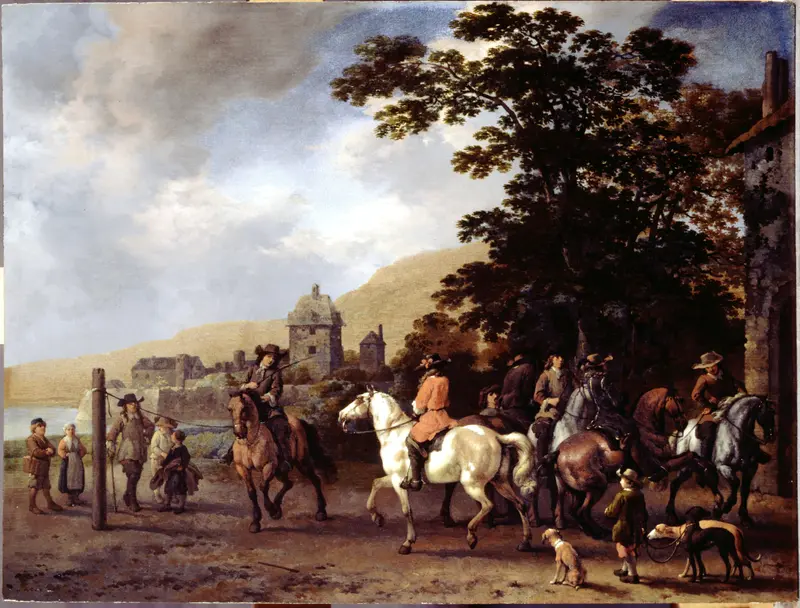
A Riding School in the Open Air
Abraham Van Calraet
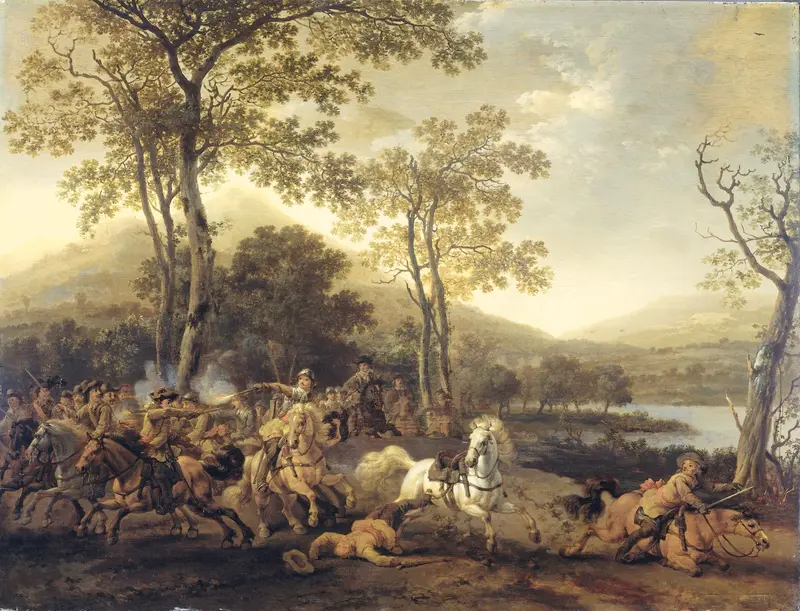
Cavalry Skirmish
Abraham Van Calraet
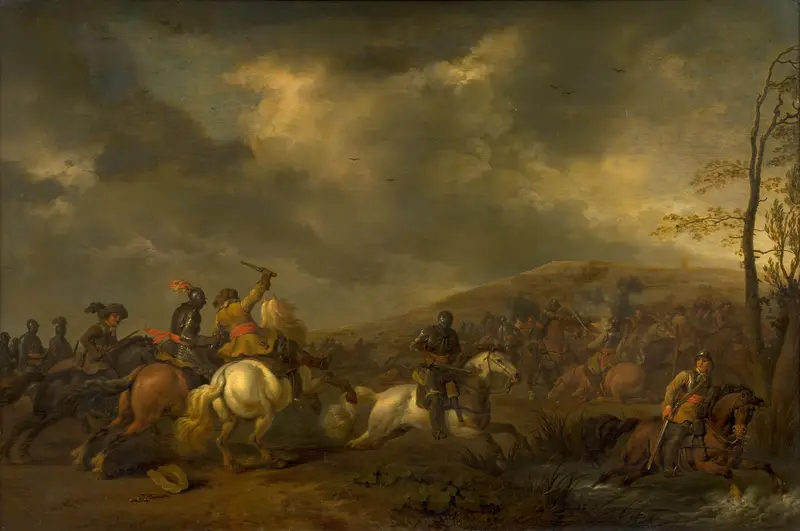
Choc de cavalerie
Abraham Van Calraet
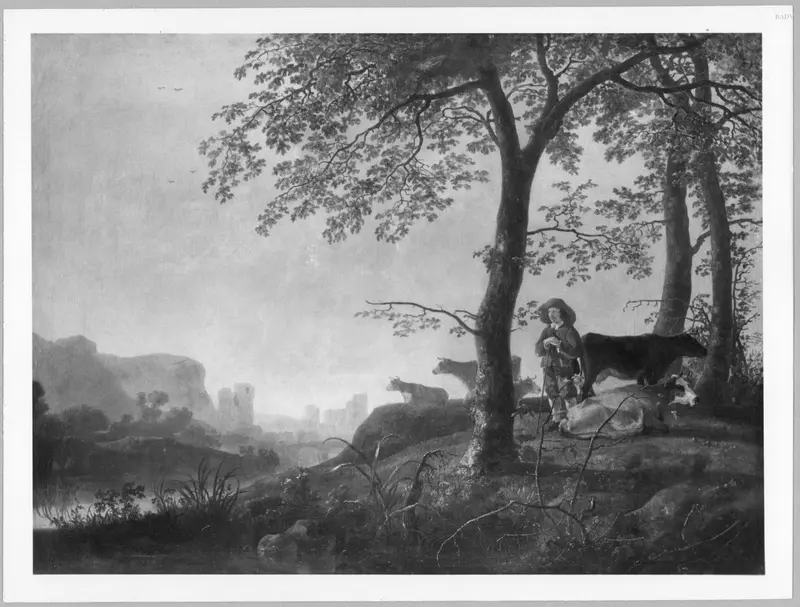
Herder and Cattle under Trees
Abraham Van Calraet
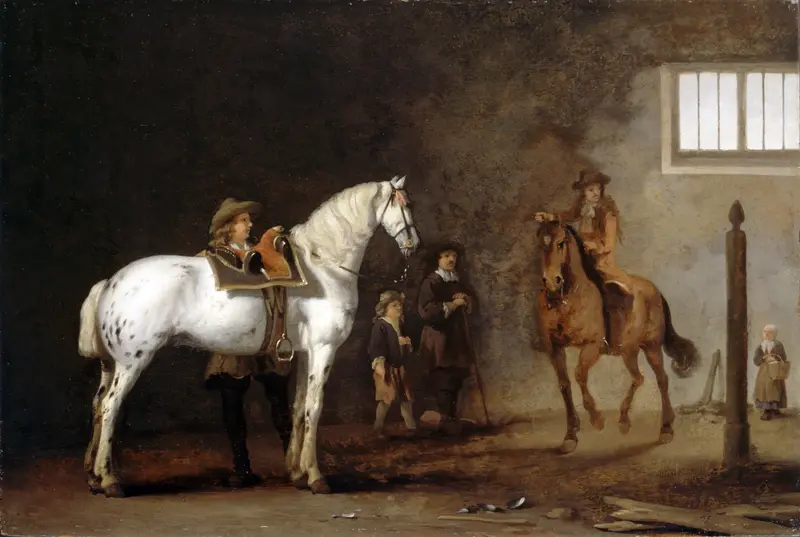
White Horse in a Riding School
Abraham Van Calraet
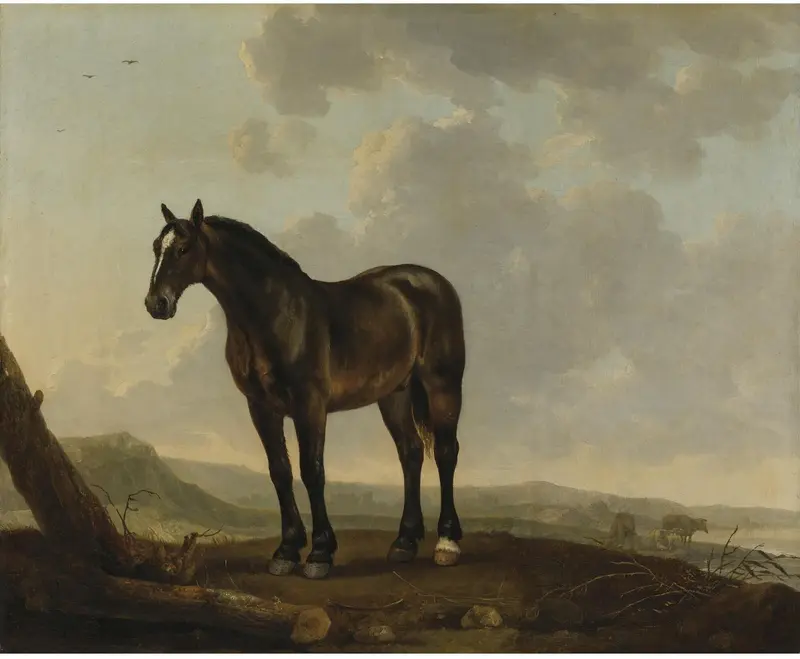
Landscape with a brown horse
Abraham Van Calraet
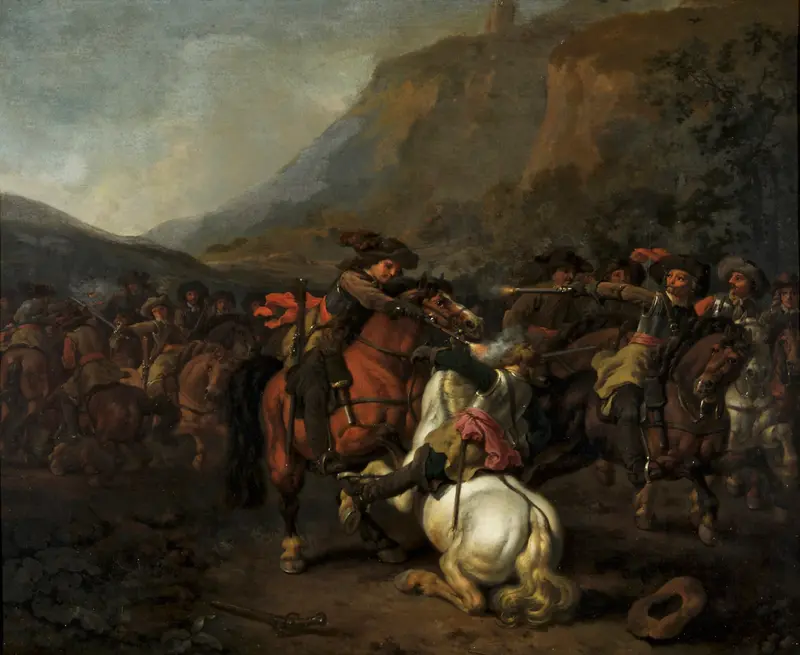
Ruitergevecht DM 016 1163 Dordrechts Museum
Abraham Van Calraet
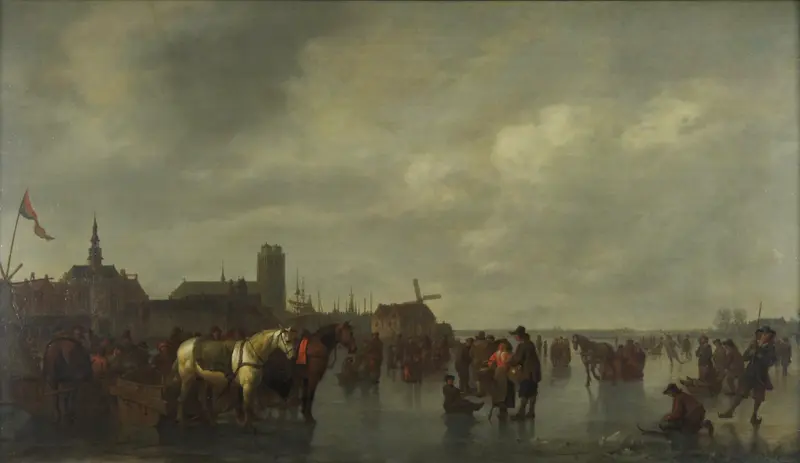
Scene on the Ice outside Dordrecht
Abraham Van Calraet
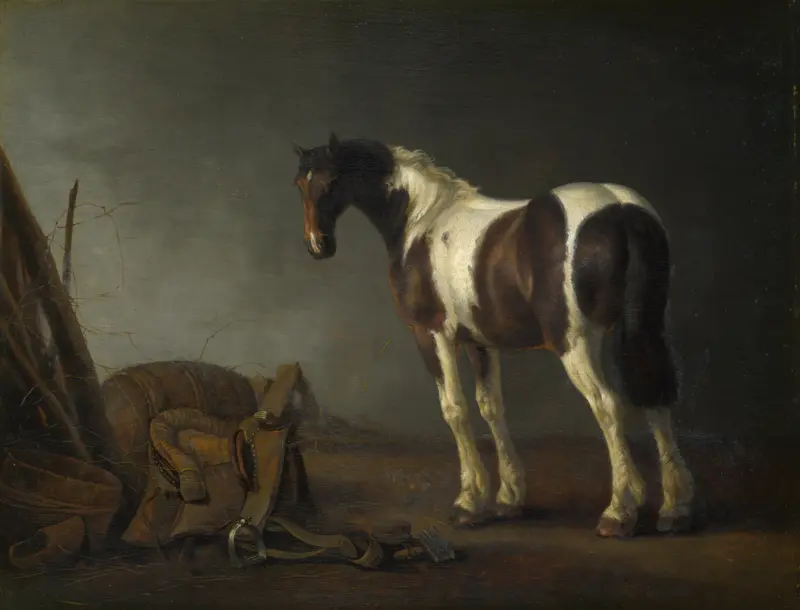
A Horse with a Saddle Beside it
Abraham Van Calraet
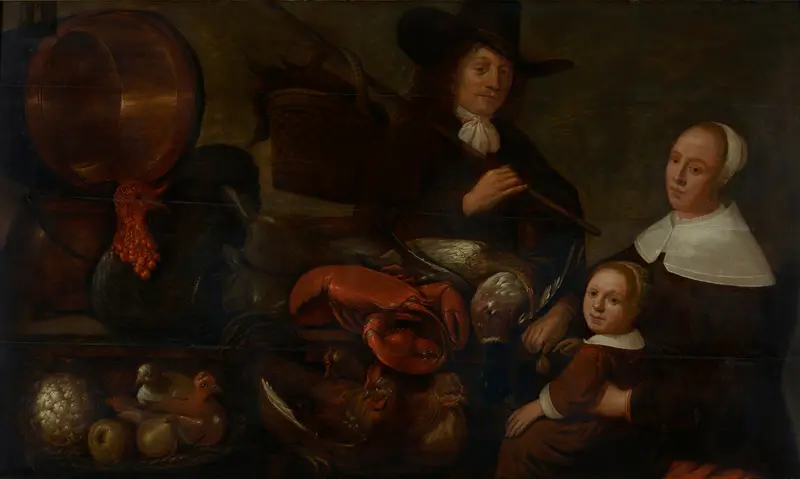
Portrait of a family
Abraham Van Calraet





