
Still life with peaches and grapes — History & Facts
What first catches the eye in Still life with peaches and grapes is not the fruit, but the way light quietly claims a corner of the darkness, turning peaches into glowing orbs and grapes into glistening beads. The painter, Abraham Van Calraet, arranges his bounty atop a richly carved table, draping a white cloth so its folds catch every stray ray. Each peach is rendered with a blush that suggests ripeness, while the grapes spill in a gentle cascade, their translucence heightened by the deep shadows behind.
A butterfly, poised on the cloth and another hovering midair, adds a flicker of life—reminding us that this scene, though still, is not lifeless. The careful placement of walnuts, leaves, and the subtle shimmer on the glass vessel in the background all invite the viewer to linger, searching for meaning in the painter’s choices. Painted in 1680, this work belongs to the golden age of Dutch still life, a genre that flourished in a world newly attuned to trade, luxury, and the fleeting pleasures of the senses. Such paintings were often commissioned by prosperous merchants or displayed in homes as tokens of wealth, taste, and the appreciation of nature’s abundance.
The Mauritshuis, where this piece now resides, holds it as a quiet testament to the era’s fascination with both beauty and impermanence. History has kept few traces of Van Calraet himself, but his work stands as a window into a society that found meaning in the everyday, and in the careful observation of the world’s small marvels—inviting us, centuries later, to do the same.
More Artworks by Abraham Van Calraet
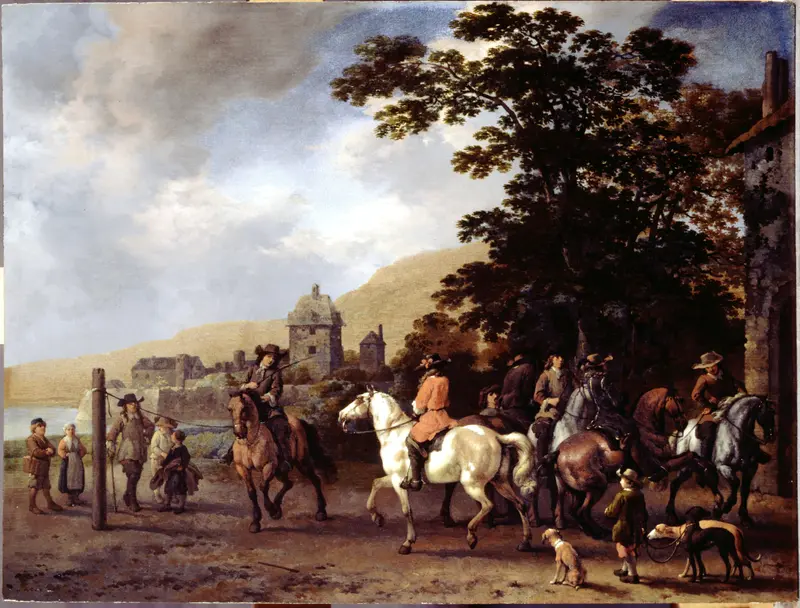
A Riding School in the Open Air
Abraham Van Calraet
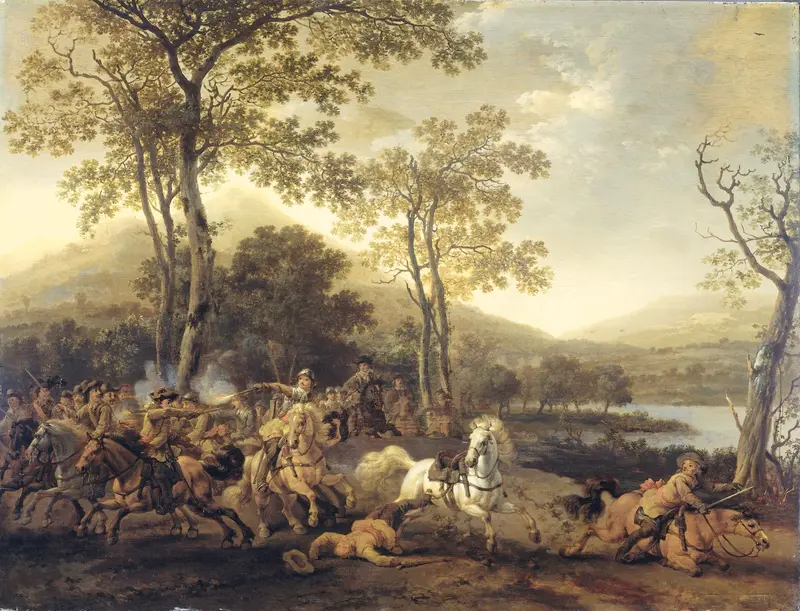
Cavalry Skirmish
Abraham Van Calraet
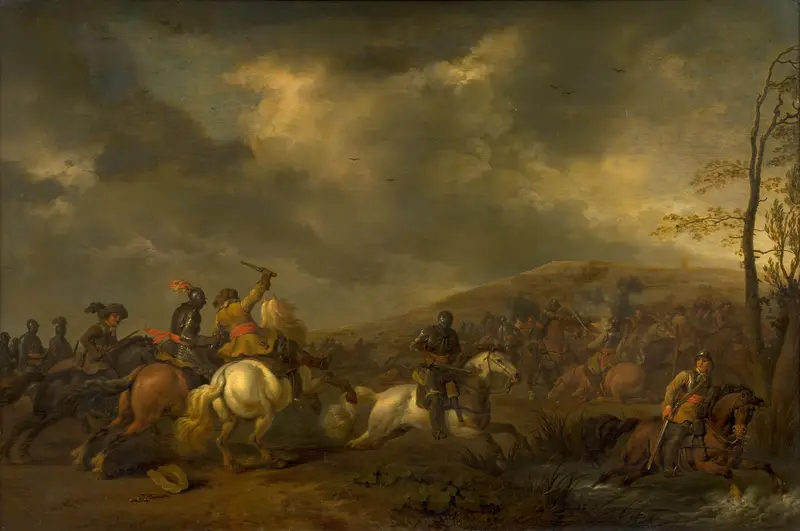
Choc de cavalerie
Abraham Van Calraet
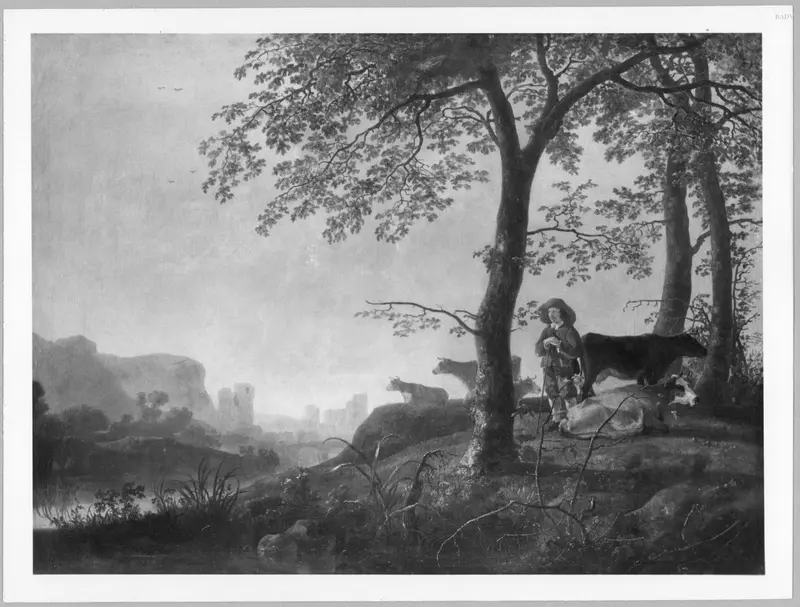
Herder and Cattle under Trees
Abraham Van Calraet
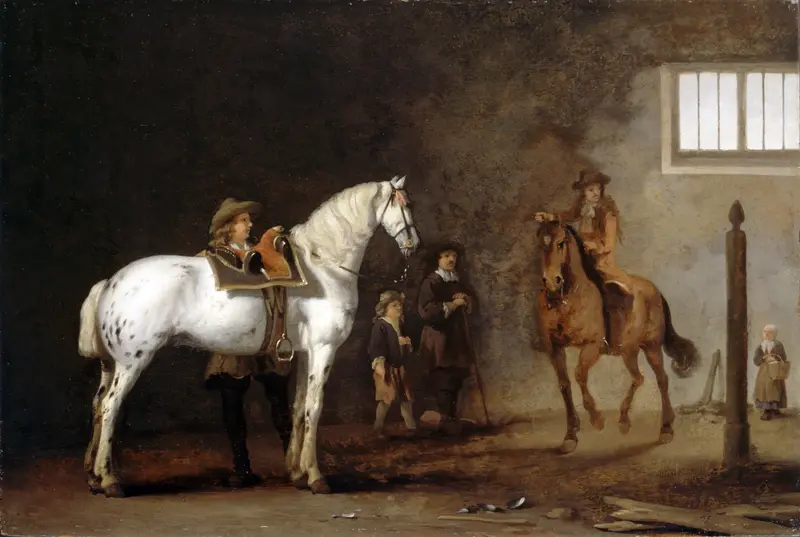
White Horse in a Riding School
Abraham Van Calraet
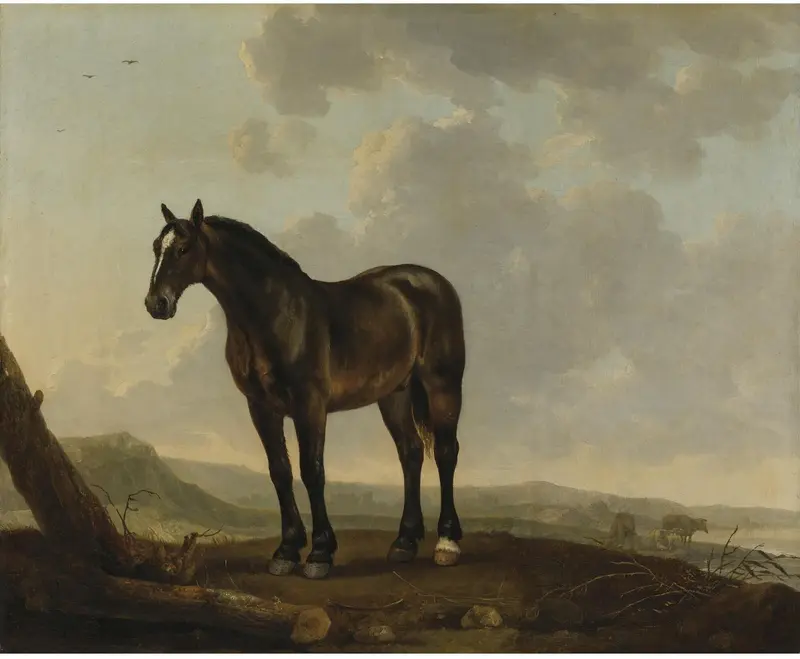
Landscape with a brown horse
Abraham Van Calraet
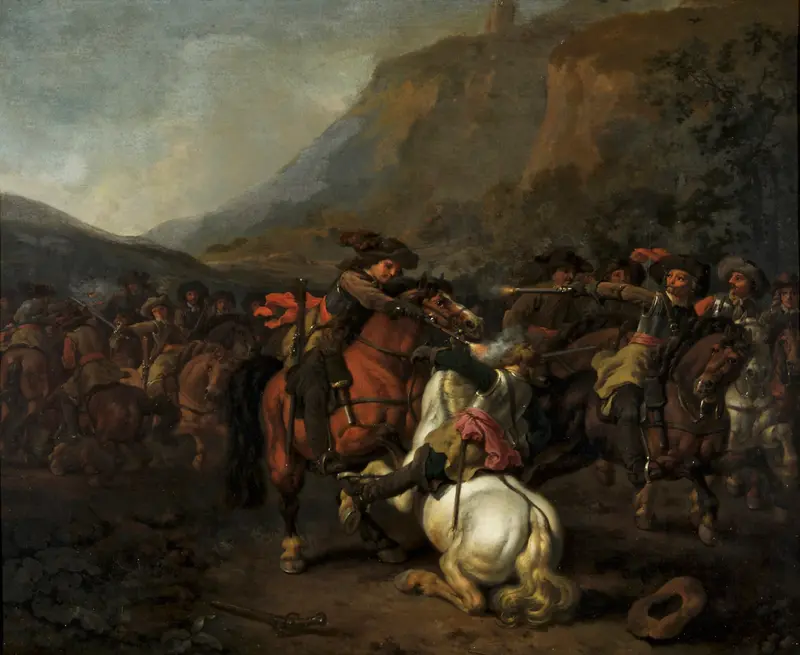
Ruitergevecht DM 016 1163 Dordrechts Museum
Abraham Van Calraet
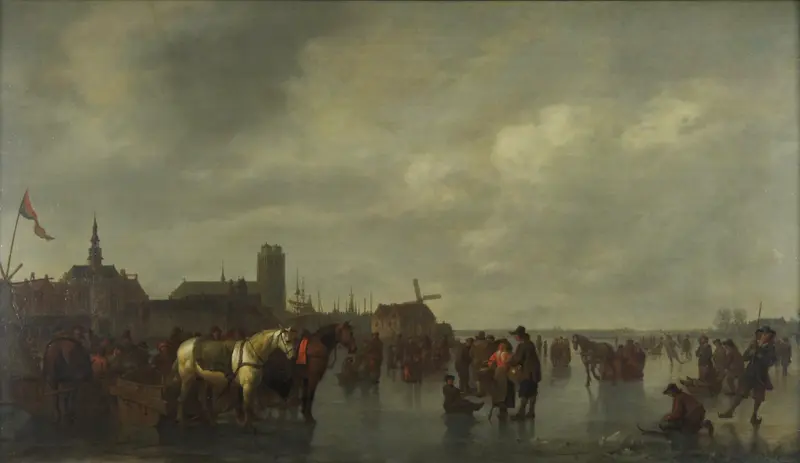
Scene on the Ice outside Dordrecht
Abraham Van Calraet
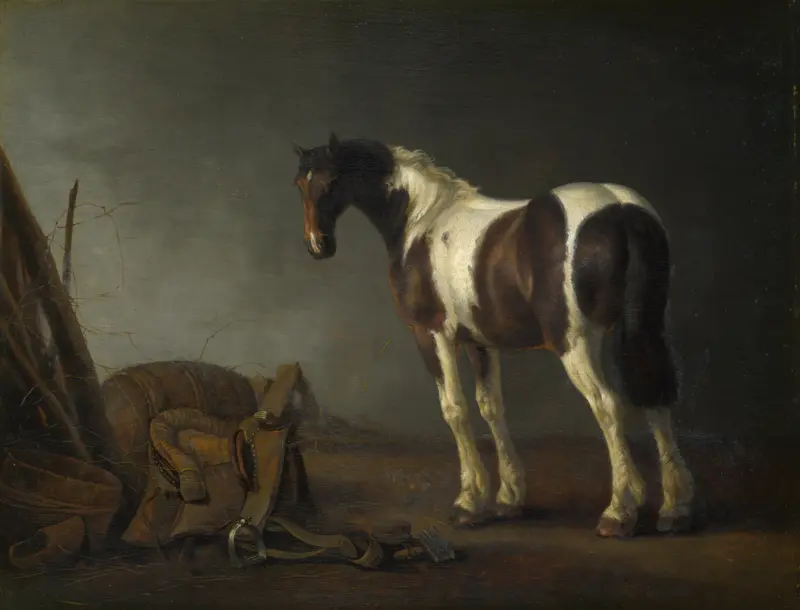
A Horse with a Saddle Beside it
Abraham Van Calraet
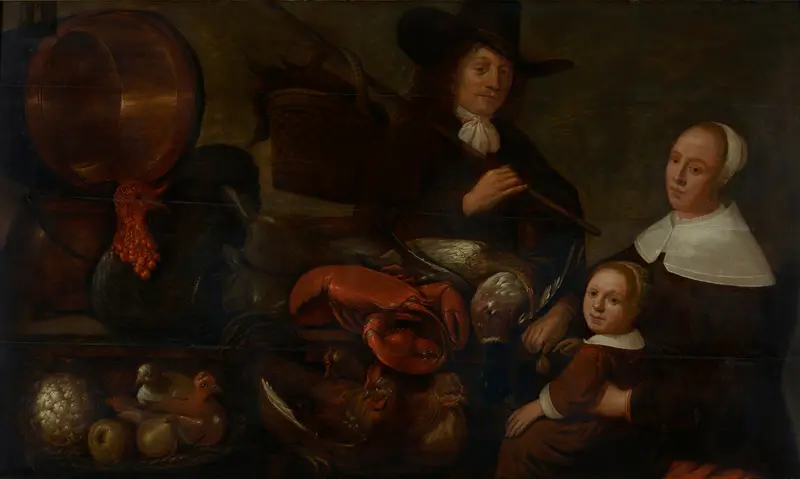
Portrait of a family
Abraham Van Calraet





